
One of the drugs, currently in phase II trials, targets specific genetic mutations found in a subset of pancreatic tumors. Initial data presented at the American Society of Clinical Oncology conference in June 2023 revealed that patients receiving this targeted therapy experienced a significant reduction in tumor size, leading to hopes for more personalized treatment approaches.
Another drug, which works by boosting the immune response against cancer cells, has also demonstrated positive results. In trials conducted by a prominent pharmaceutical company, nearly 30% of participants showed a notable response to treatment, prompting discussions about expanding its use in combination with traditional therapies.
These advancements come at a crucial time, as pancreatic cancer remains the third leading cause of cancer-related deaths in the United States, with a five-year survival rate of just 10%. The urgency for effective treatments has never been greater, making these developments a focal point for both researchers and patients alike.
As the clinical trials progress, the medical community is closely monitoring these drugs’ efficacy and safety. If successful, they could pave the way for more effective treatment protocols and potentially change the landscape of pancreatic cancer care in the coming years.

Understanding the challenges of pancreatic cancer
Pancreatic cancer remains one of the most formidable challenges in oncology, characterized by its aggressive nature and poor prognosis. Historically, the survival rates for this type of cancer have been disheartening, with the American Cancer Society reporting that the five-year survival rate hovers around 10%. This grim statistic is largely due to the cancer’s late diagnosis, as symptoms often do not manifest until the disease has progressed to an advanced stage. It’s critical to understand these challenges in order to focus efforts on early detection.
The political landscape surrounding cancer research funding has also played a significant role in the development of treatment options. For many years, pancreatic cancer received less attention and funding compared to other cancers, such as breast or prostate cancer, which have more visible advocacy groups and awareness campaigns. This disparity has hindered research efforts, slowing the discovery of effective therapies and contributing to the high mortality rates associated with the disease.
In recent years, however, there has been a shift in focus towards pancreatic cancer, spurred by increasing awareness and advocacy. Milestones such as the establishment of the Pancreatic Cancer Action Network in 2000 and the National Cancer Institute’s designation of pancreatic cancer as a priority area for research have catalyzed funding and innovation. These efforts have led to the exploration of novel treatment modalities, including the two promising drugs currently stirring hope among researchers and patients alike, as highlighted in articles like this one.
Recent Advances in Treatment
The development of targeted therapies and immunotherapies represents a significant turning point in the fight against pancreatic cancer. Recent clinical trials have shown that drugs previously used for other types of cancer may be effective in treating pancreatic tumors. This evolution in treatment strategies reflects a broader trend in cancer research, where personalized medicine is becoming increasingly important. As researchers continue to explore the molecular underpinnings of pancreatic cancer, the potential for more effective treatments grows, offering new hope to patients facing this devastating diagnosis.
Key stakeholders and issues in pancreatic cancer research
The landscape of pancreatic cancer treatment is shaped by various stakeholders, each with distinct interests and motivations. Key players include pharmaceutical companies, research institutions, healthcare providers, and patient advocacy groups. Their collaboration and competition are crucial in advancing treatment options for this aggressive disease.

Pharmaceutical companies are at the forefront, investing heavily in research and development of new drugs. Their primary interest lies in bringing effective treatments to market, which can lead to significant financial returns. However, the high cost of drug development raises ethical questions about accessibility and affordability for patients. This creates a tension between profit motives and the need for equitable healthcare solutions.
Research institutions and universities play a pivotal role in the discovery and validation of new therapies. They often collaborate with pharmaceutical companies to conduct clinical trials, which are essential for testing the efficacy and safety of new drugs. However, funding constraints and competition for grants can impede progress, highlighting the need for sustained investment in cancer research.
- Patient advocacy groups: These organizations work to raise awareness and support for pancreatic cancer research. They often lobby for increased funding and push for policies that prioritize patient needs.
- Government agencies: Entities like the National Institutes of Health (NIH) and the Food and Drug Administration (FDA) are crucial in regulating drug approval processes and funding research initiatives. Their policies directly impact the pace of innovation in treatment.
- Healthcare providers: Doctors and oncologists are key stakeholders who must stay informed about the latest treatment options. Their experiences with patients can influence research priorities and the adoption of new therapies.
Legal and economic issues also play a significant role in shaping the future of pancreatic cancer treatment. Intellectual property rights can create barriers to entry for new companies looking to develop generic versions of innovative drugs. Additionally, the economic burden of pancreatic cancer on healthcare systems raises questions about resource allocation and prioritization of funding for research initiatives.
How these drugs could change the landscape for patients
The recent advancements in the treatment of pancreatic cancer with two promising drugs could significantly impact various groups, particularly patients, healthcare providers, and pharmaceutical companies. As pancreatic cancer remains one of the deadliest cancers, the introduction of effective treatments offers hope to patients and their families, potentially altering the trajectory of this devastating disease.
In the short term, patients diagnosed with pancreatic cancer may experience improved quality of life and survival rates. As these drugs become available, healthcare providers will need to adapt their treatment protocols, which could lead to increased training and education for medical staff. Additionally, the pharmaceutical industry may see a surge in research funding and investment as companies rush to develop complementary therapies or newer versions of these treatments.
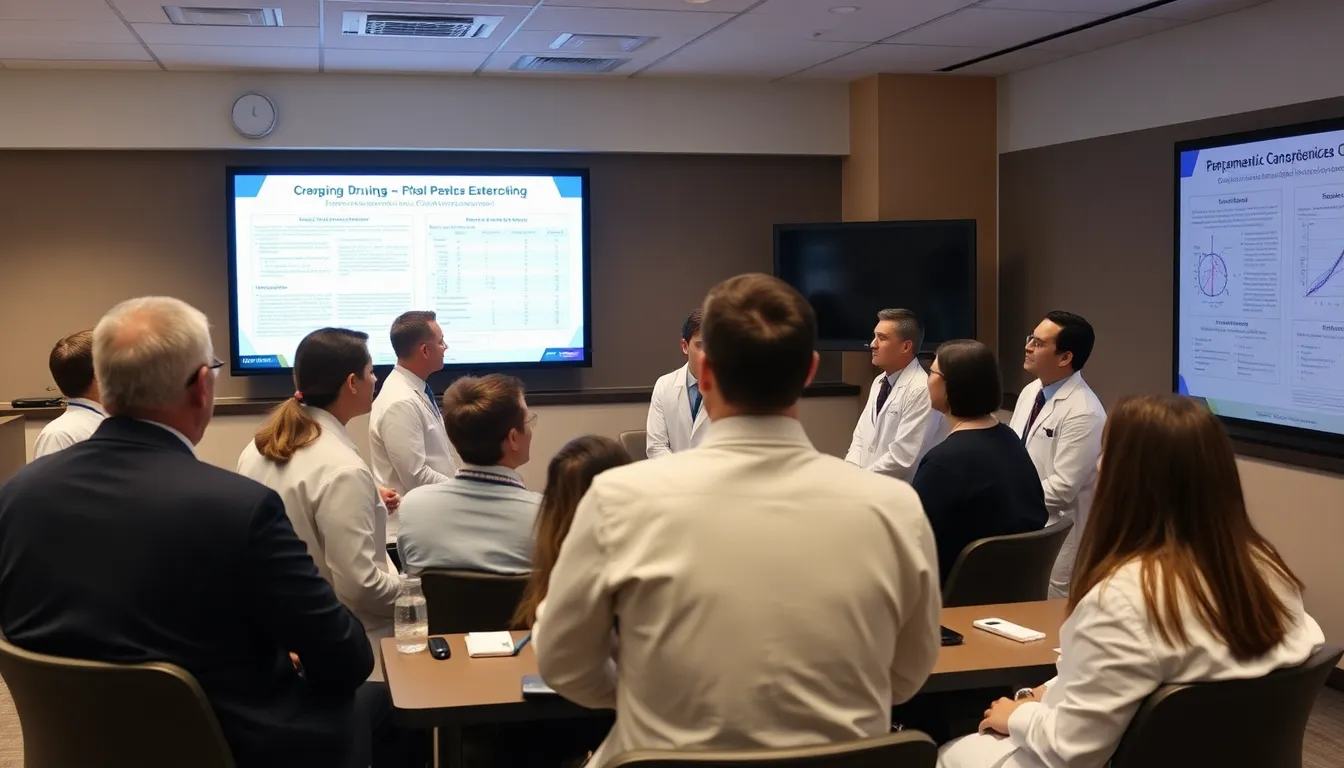
In the mid-term, the impact could extend beyond individual patients. A successful treatment could lead to a shift in healthcare policies, prompting insurance companies to cover these drugs more comprehensively. This change could ease the financial burden on patients and families, allowing for better access to necessary medications. Moreover, as awareness of pancreatic cancer grows, there may be a rise in advocacy efforts aimed at increasing funding for cancer research.
- Patients: Enhanced treatment options leading to better outcomes.
- Healthcare Providers: Need for updated training and protocols.
- Pharmaceutical Industry: Increased investment and research opportunities.
- Insurance Companies: Potential policy changes for better coverage.
- Advocacy Groups: Greater focus on funding and awareness initiatives.
However, there are risks associated with the introduction of these drugs. Potential side effects, long-term efficacy, and the possibility of resistance may pose challenges. Additionally, disparities in access to these treatments could exacerbate existing inequalities in healthcare, particularly in underserved regions. Balancing these risks with the potential benefits will be crucial as stakeholders navigate this evolving landscape.
A: The two drugs are currently under clinical trials and are designed to target specific pathways involved in cancer growth. Their effectiveness is still being evaluated in various studies. A: These new drugs aim to provide a more targeted approach compared to traditional chemotherapy, which can have broader side effects. They focus on specific molecular targets to improve efficacy. A: Both drugs are in the late stages of clinical trials, with results expected to be published soon. This could lead to faster approval if the results are favorable. A: The research is being funded by a combination of pharmaceutical companies and government grants aimed at advancing cancer treatment. A: Patients can expect potential improvements in survival rates and quality of life, but they should also be aware of the ongoing nature of clinical trials and possible side effects.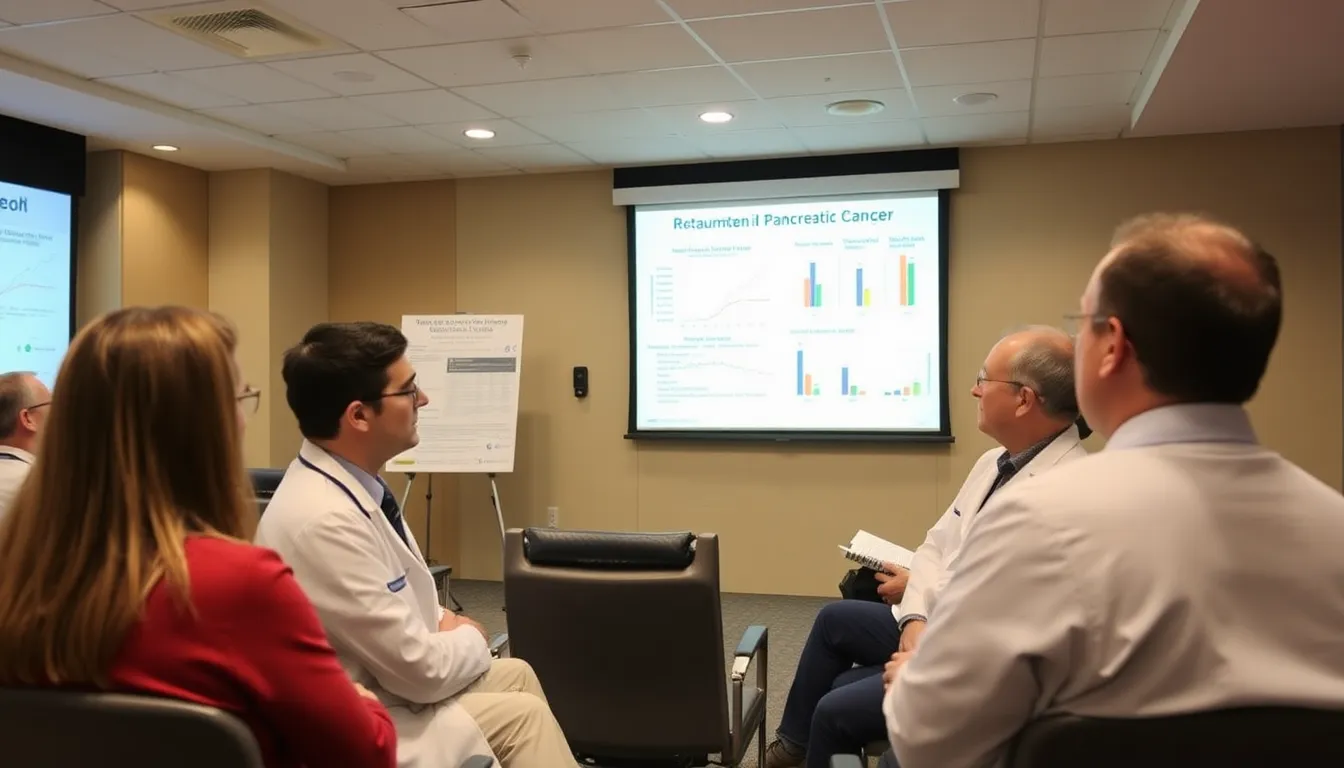
Frequently asked questions about pancreatic cancer treatments
Looking ahead: the future of pancreatic cancer therapies
The recent advancements in the treatment of pancreatic cancer, particularly with the emergence of two promising drugs, mark a pivotal moment in the fight against this aggressive disease. As research continues to evolve, the potential for improved patient outcomes becomes increasingly tangible. The implications of these developments extend beyond immediate treatment options, suggesting a broader shift in how pancreatic cancer may be approached in clinical settings.
Monitoring the effectiveness of these drugs in diverse patient populations will be crucial. Additionally, ongoing studies could pave the way for combination therapies, enhancing the efficacy of existing treatment protocols. As the medical community remains vigilant, the integration of these new therapies could redefine survival rates and quality of life for those affected by this challenging condition.
- Increased Research Funding: The success of these drugs may attract more investment into pancreatic cancer research, leading to further breakthroughs.
- Personalized Medicine: The focus on individual responses to these treatments could enhance the development of tailored therapies for patients.
- Potential for Combination Therapies: Future trials may explore how these drugs can work synergistically with existing treatments to improve outcomes.
- Patient Access and Education: Ensuring that patients are informed about these new options will be critical for maximizing their benefits.
- Long-term Monitoring: Ongoing assessment of the long-term effects of these therapies will be essential to fully understand their impact.