
The SLS rocket, which is designed to carry astronauts and cargo to the lunar surface, was previously transported to the Vehicle Assembly Building for necessary repairs and inspections. NASA engineers have been working diligently to address issues related to the rocket’s fueling system, which had caused previous launch attempts to be postponed. This latest rollback signifies a renewed commitment to the Artemis program and its goals of lunar exploration.
The Artemis I mission is set to be an uncrewed test flight that will pave the way for future crewed missions to the Moon, aiming to establish a sustainable human presence there by the end of the decade. The successful launch of the SLS rocket is critical not only for NASA’s objectives but also for international partnerships and collaborations in space exploration. As the agency prepares for this pivotal moment, the eyes of the world are watching closely.
In addition to its scientific and exploratory goals, the Artemis program is also seen as a stepping stone for future missions to Mars. By testing new technologies and systems on the Moon, NASA hopes to gather valuable data that will inform human exploration of deeper space. The upcoming launch could mark a historic moment in space travel and inspire a new generation of scientists and engineers.
Understanding the Artemis program and its goals
The Artemis program, initiated by NASA, aims to return humans to the Moon by the mid-2020s, marking a significant milestone in lunar exploration. This ambitious initiative is designed not only to land the first woman and the next man on the lunar surface but also to establish a sustainable human presence on the Moon by the end of the decade. The program represents a critical step towards future manned missions to Mars and beyond, reflecting a broader vision for human space exploration.
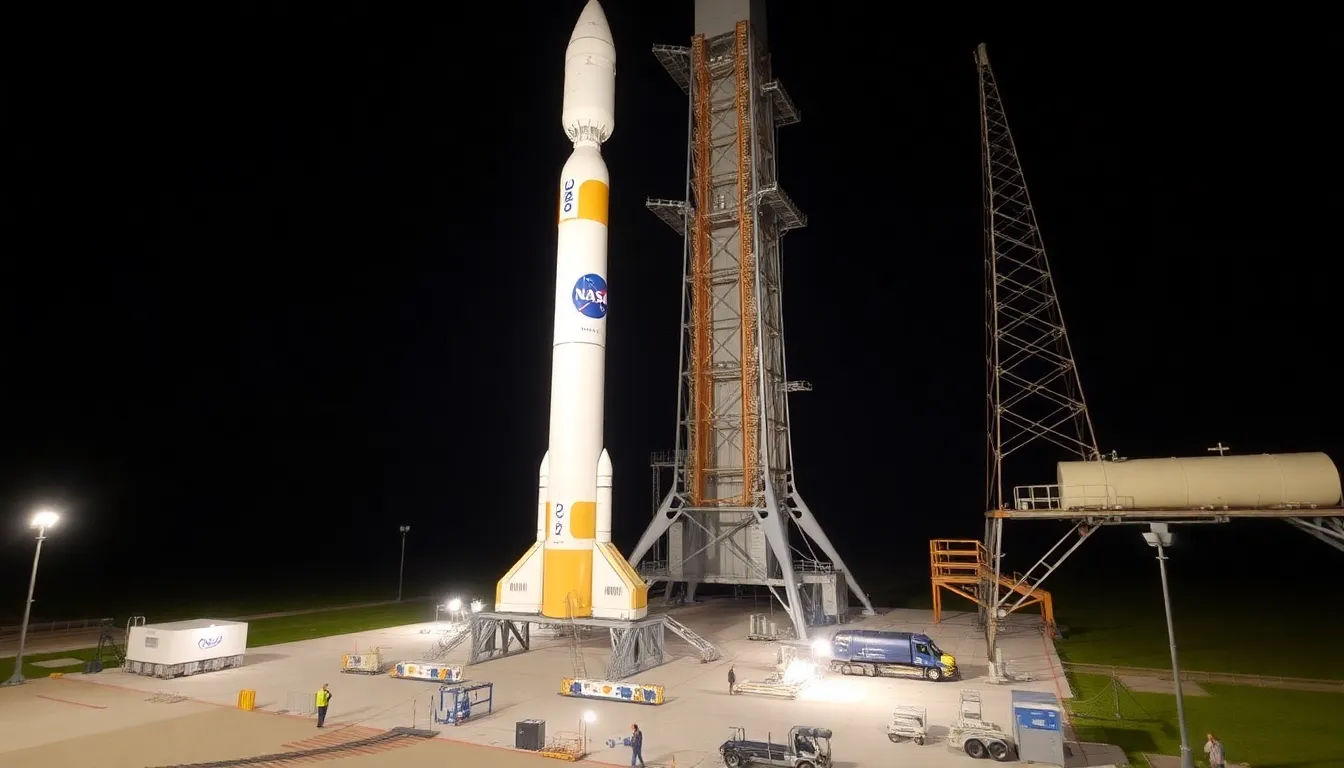
The Artemis program is named after the Greek goddess of the Moon and twin sister of Apollo, symbolizing a new era of space exploration that builds on the legacy of the Apollo missions from the 1960s and 1970s. The Apollo program successfully landed twelve astronauts on the Moon, but the subsequent decades saw a shift in focus towards low Earth orbit, primarily with the Space Shuttle and the International Space Station. Artemis seeks to reignite public interest and international collaboration in lunar exploration, emphasizing the Moon as a proving ground for future missions to Mars.
Key milestones and developments
Since its inception, the Artemis program has seen several key milestones. The Artemis I mission, an uncrewed test flight of the Space Launch System (SLS) and the Orion spacecraft, was successfully launched in late 2021. This mission allowed NASA to test critical systems and gather data to ensure the safety and reliability of future crewed missions. Following this, Artemis II, planned for 2024, aims to carry astronauts around the Moon, setting the stage for Artemis III, which is intended to land on the lunar surface.
Political support for the Artemis program has been strong, with bipartisan backing in the U.S. Congress recognizing the strategic importance of space exploration. Economically, the program is expected to stimulate job growth in the aerospace sector and promote technological advancements. Furthermore, international partnerships have emerged, with countries like Canada, Japan, and members of the European Space Agency collaborating to contribute to various aspects of the Artemis missions, showcasing a global commitment to lunar exploration.
As the Artemis Moon rocket rolls back to the launch pad for a potential April launch, it symbolizes not just a technical achievement but also a renewed commitment to human space exploration. The program’s success could pave the way for a new era of scientific discovery and international cooperation in space, reinforcing humanity’s desire to explore beyond our home planet.
Key stakeholders and challenges in the Artemis mission
The Artemis mission, spearheaded by NASA, involves a complex web of stakeholders, each with distinct interests and concerns. The primary actor is NASA itself, which aims to return humans to the Moon and establish a sustainable presence by the end of the decade. This mission is not just about exploration; it also serves to bolster international partnerships and enhance America’s leadership in space exploration.
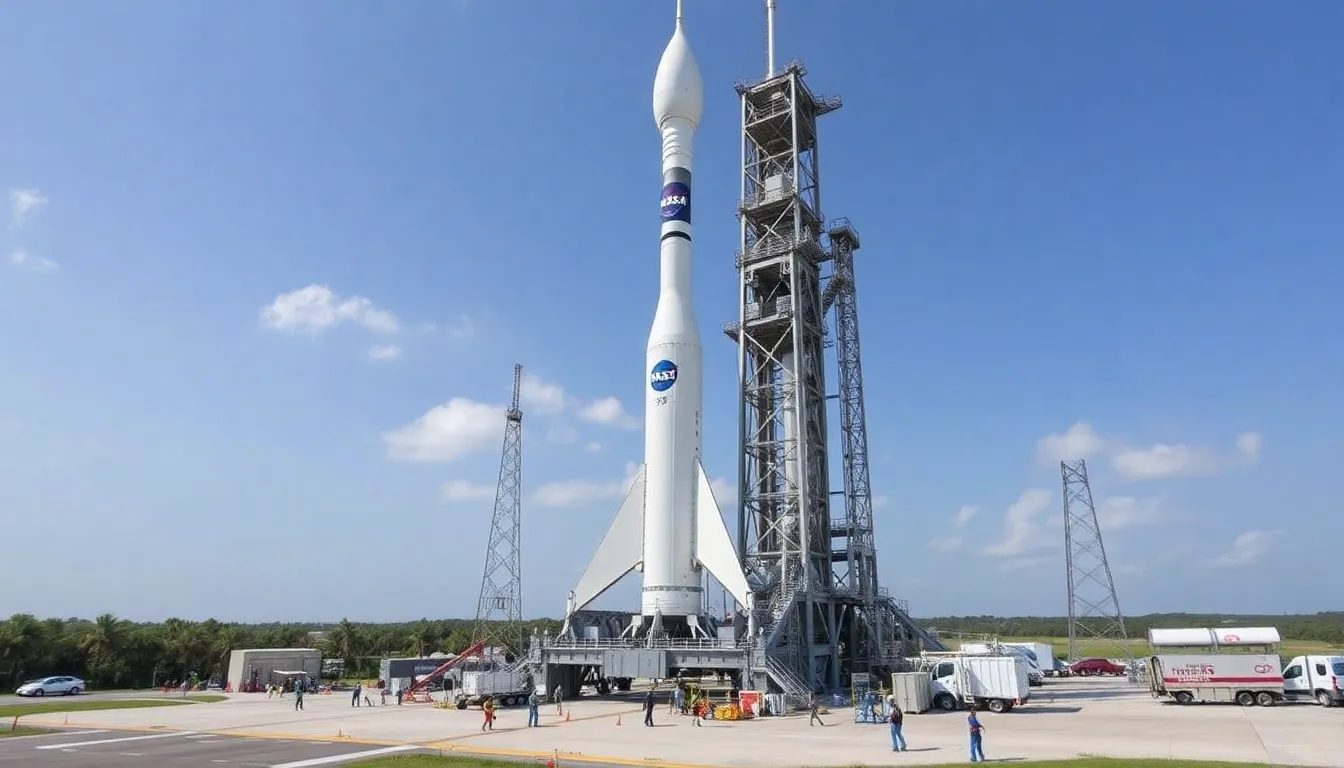
Another significant stakeholder is the U.S. government, which provides funding and oversight for NASA’s initiatives. The government is interested in the potential economic benefits of space exploration, including technological advancements and job creation within the aerospace industry. Additionally, international partners such as the European Space Agency (ESA) and private companies like SpaceX and Boeing play critical roles in the mission’s success, each bringing their own capabilities and technologies to the table.
However, the Artemis mission faces various challenges and conflicts. Key issues include:
- Funding and Budget Constraints: The mission is heavily reliant on federal funding, which can be subject to political debates and budget cuts.
- Technological Challenges: Developing the necessary technology for safe lunar landings and sustainable habitats poses significant engineering challenges.
- International Collaboration: While international partnerships can enhance mission capabilities, they also introduce complexities in coordination and resource sharing.
- Environmental Concerns: The impact of lunar exploration on the Moon’s environment and potential contamination issues need to be addressed.
- Public Interest and Support: Maintaining public interest and support for the mission is crucial, as it influences funding and political backing.
These stakeholders and issues illustrate the multifaceted nature of the Artemis mission. As NASA rolls back the Moon rocket to the launch pad for a potential April launch, the interplay between these actors and their interests will be pivotal in determining the mission’s trajectory and ultimate success.
Implications for space exploration and technology
The recent rollback of NASA’s Artemis Moon rocket to the launch pad is poised to affect various groups, industries, and regions. The aerospace sector, including companies involved in manufacturing and technology development, will see heightened activity as they prepare for the potential April launch. This event can also impact educational institutions and research organizations focusing on space science and engineering.
In the short term, local businesses around Kennedy Space Center in Florida may experience a surge in tourism and economic activity as space enthusiasts flock to witness the launch. Hotels, restaurants, and transportation services are likely to benefit from increased foot traffic. Additionally, the excitement surrounding the Artemis program can inspire a new generation of students to pursue careers in STEM fields, fostering long-term growth in the workforce.
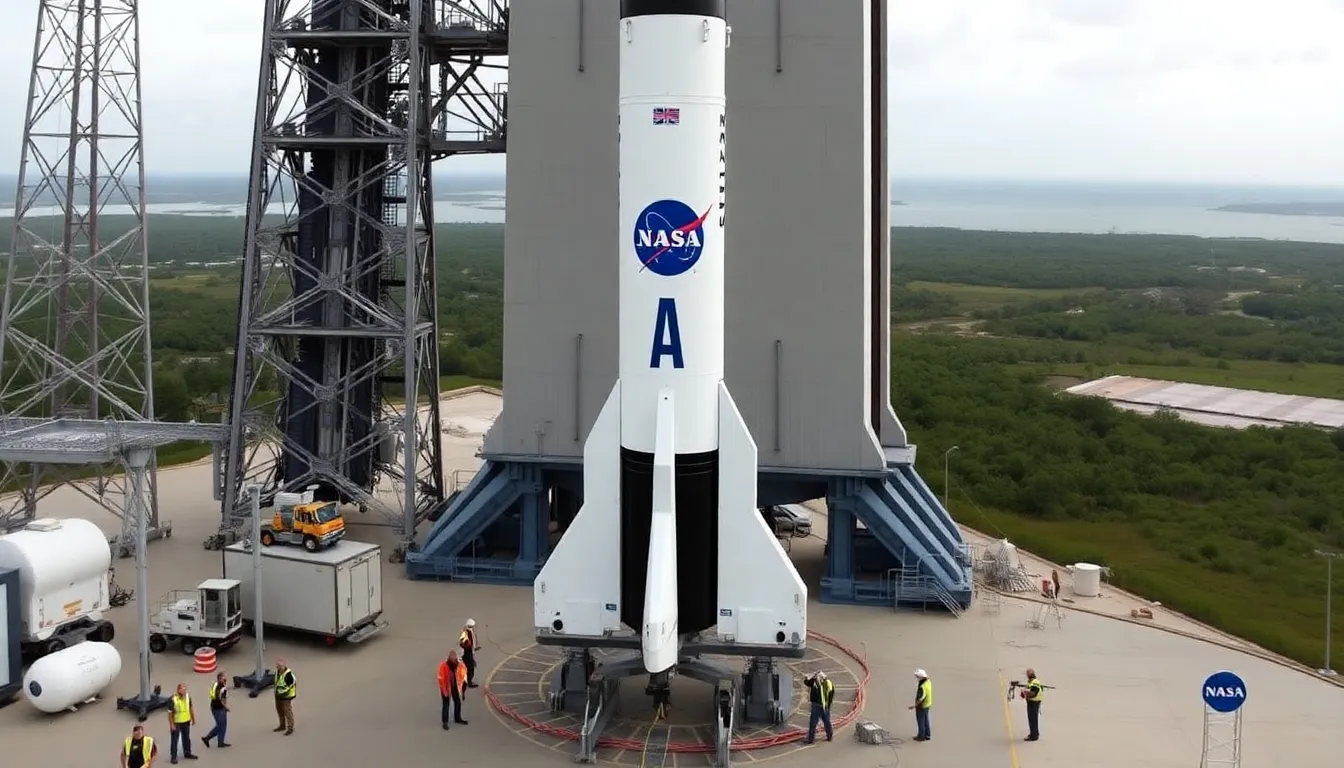
However, there are risks associated with such ambitious space missions. Delays or technical failures could undermine public confidence in NASA’s capabilities, impacting funding and policy support for future projects. Moreover, environmental concerns regarding the launch’s impact on local ecosystems may prompt regulatory scrutiny, potentially leading to stricter guidelines for future launches.
- Short-term impacts: Increased tourism and economic activity in Florida.
- Mid-term impacts: Growth in STEM education and workforce development.
- Risks: Potential delays affecting public confidence and funding.
- Opportunities: Innovation in aerospace technology and environmental management.
As the Artemis program progresses, collaboration between government agencies, private companies, and educational institutions will be essential. This partnership can lead to significant advancements in technology and exploration, benefiting not only the space industry but also a wide array of sectors reliant on innovation and research.
A: The Artemis program is Nasa’s initiative to return humans to the Moon by the mid-2020s, aiming to establish a sustainable human presence on the lunar surface. A: The rocket was rolled back to the launch pad for final checks and preparations ahead of a potential launch window in April. A: The upcoming launch aims to demonstrate new technologies, conduct lunar surface operations, and pave the way for future crewed missions. A: This mission is expected to enhance our understanding of lunar resources and support future missions to Mars and beyond. A: While specific dates are still being finalized, Nasa is targeting a launch in April, contingent on successful preparations.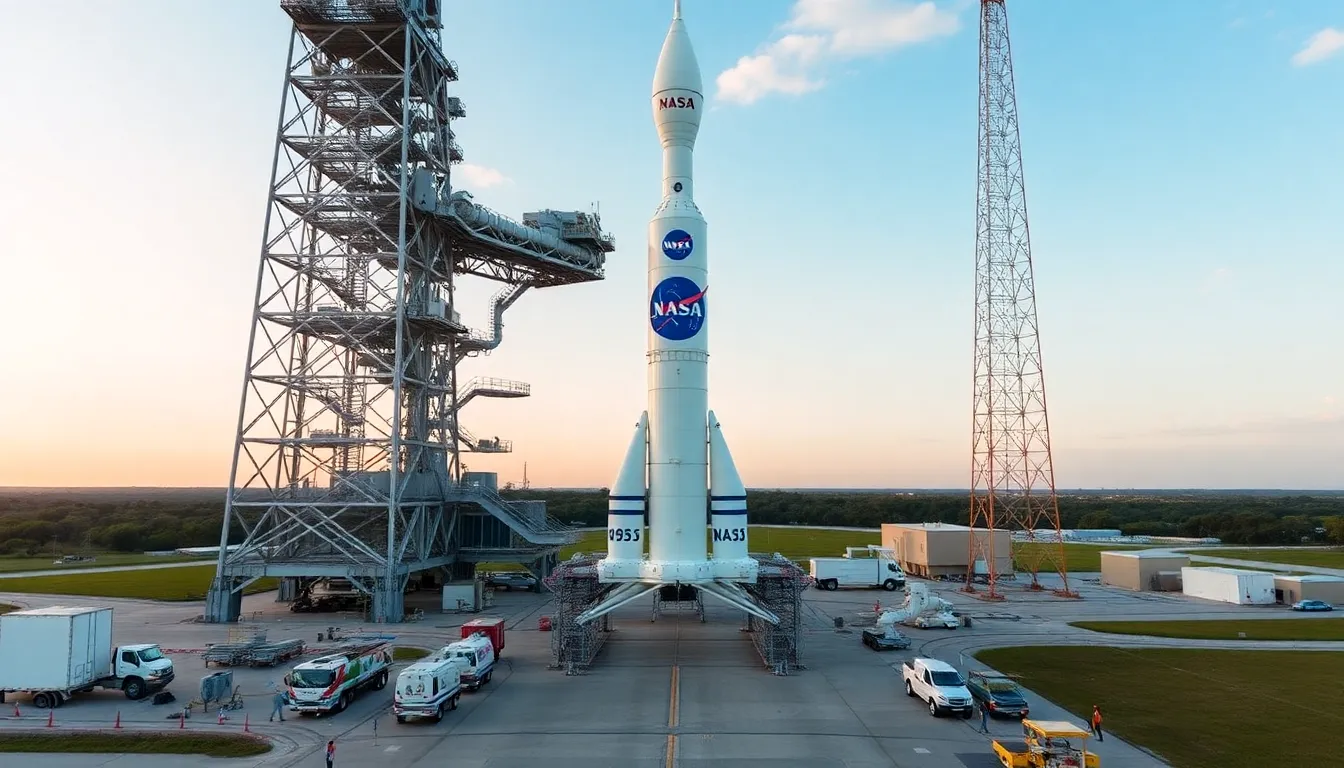
Frequently asked questions about the Artemis Moon mission
Future outlook for Nasa’s Artemis program
The successful roll back of NASA’s Artemis Moon rocket to the launch pad marks a pivotal moment in the agency’s ambitious lunar exploration plans. As preparations ramp up for a possible launch in April, the implications for future missions become increasingly significant. This phase not only reflects the technical capabilities of NASA’s new Space Launch System (SLS) but also sets the stage for subsequent Artemis missions aimed at returning humans to the Moon and establishing a sustainable presence there.
As the Artemis program progresses, it will be essential to monitor developments closely. The outcomes of the upcoming launch could influence international partnerships, technological advancements, and public interest in space exploration. The focus on lunar missions may also reshape funding priorities and research initiatives within NASA and beyond.
- Launch timeline: Watch for updates on the April launch schedule, as any delays could impact future Artemis missions.
- International collaboration: The success of Artemis 1 may lead to increased collaboration with international space agencies and private sector partners.
- Technological innovations: Innovations developed during the Artemis program could have broader applications in space exploration and beyond.
- Public engagement: The excitement surrounding Artemis missions may foster greater public interest and support for space exploration initiatives.
- Long-term goals: Keep an eye on how the outcomes of Artemis influence NASA’s plans for Mars exploration and beyond.