
The Iranian authorities have faced international scrutiny for their treatment of Mohammadi, who has been incarcerated for her activism against the regime’s oppressive policies. Her hospitalization has sparked renewed calls from human rights organizations and activists for her immediate release, emphasizing the urgent need for better medical care and humane treatment for political prisoners in Iran.
This situation is particularly significant as it highlights the ongoing struggle for human rights in Iran, especially for women and activists fighting for equality and justice. Mohammadi’s case has become emblematic of the broader challenges faced by those opposing the Iranian government, drawing attention to the risks they endure in pursuit of their ideals, similar to the stories of other activists covered in this article.
The international community is closely monitoring her condition, with various governments and organizations expressing concern over her wellbeing. The outcome of her hospitalization could have implications for the Iranian government’s standing on human rights issues globally, as well as for the future of activism within the country.
Understanding the background of Narges Mohammadi’s activism
Narges Mohammadi, an Iranian human rights activist and journalist, has been a prominent figure in advocating for women’s rights and political freedoms in Iran. Her activism gained international attention as she has consistently challenged the Iranian government’s oppressive policies, particularly those targeting women and political dissidents. Mohammadi’s work is rooted in a long history of civil rights struggles in Iran, which has seen numerous uprisings and movements aimed at promoting democracy and human rights.
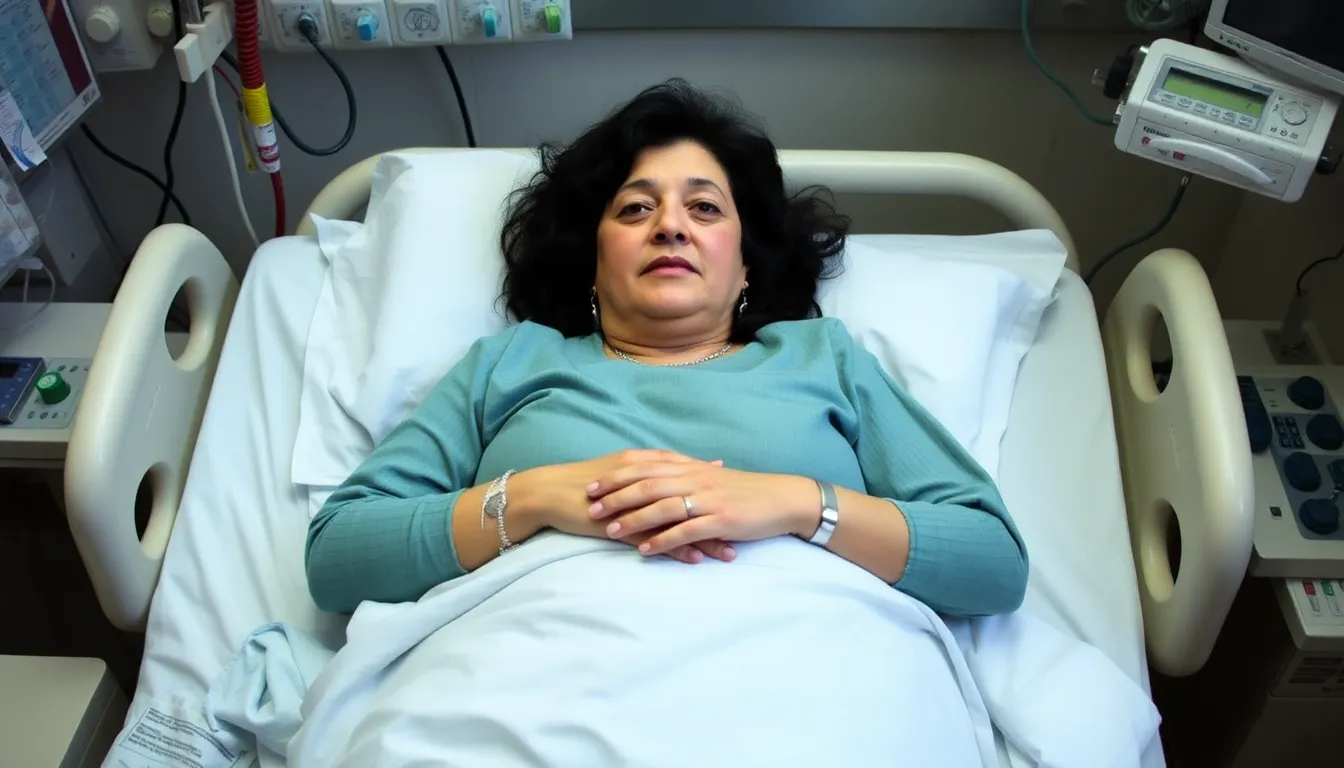
The socio-political landscape of Iran has been tumultuous since the 1979 Islamic Revolution, which led to the establishment of a theocratic regime that imposed strict laws and regulations on personal freedoms. Women’s rights, in particular, have been severely restricted, with laws governing dress codes, employment, and political participation. Activists like Mohammadi have fought against these injustices, often at great personal risk, facing imprisonment and harassment from state authorities, much like other movements detailed in this source.
Key milestones in Mohammadi’s activism include her involvement in the One Million Signatures Campaign, which aimed to collect signatures to demand changes in discriminatory laws against women. Her relentless pursuit of justice has led to multiple arrests, with her most recent imprisonment beginning in 2019, where she was sentenced to 10 years for her activism. This harsh treatment reflects a broader pattern of repression against those who dare to speak out against the regime.
The Impact of International Attention
International awareness of Mohammadi’s plight and that of other Iranian activists has grown, especially in light of the global movement for human rights. Organizations such as Amnesty International and Human Rights Watch have highlighted her case, calling for her release and the end of political repression in Iran. The increasing visibility of her situation has sparked solidarity movements worldwide, emphasizing the need for systemic change in Iran.
Key issues surrounding Mohammadi’s health and imprisonment
Narges Mohammadi, a prominent Iranian human rights activist and Nobel Laureate, has been hospitalized amid ongoing concerns regarding her health and the conditions of her imprisonment. Her situation highlights several key stakeholders, each with distinct interests and potential conflicts, akin to the challenges faced by artists as discussed in Kacey Musgraves’ experiences.
First, the Iranian government is a primary actor, seeking to maintain control and suppress dissent. Mohammadi’s activism poses a challenge to the regime’s narrative and stability, leading to her imprisonment under charges related to her advocacy for women’s rights and political freedoms. The government’s interest lies in quelling dissent and projecting an image of authority, which may exacerbate the conditions under which Mohammadi is held.
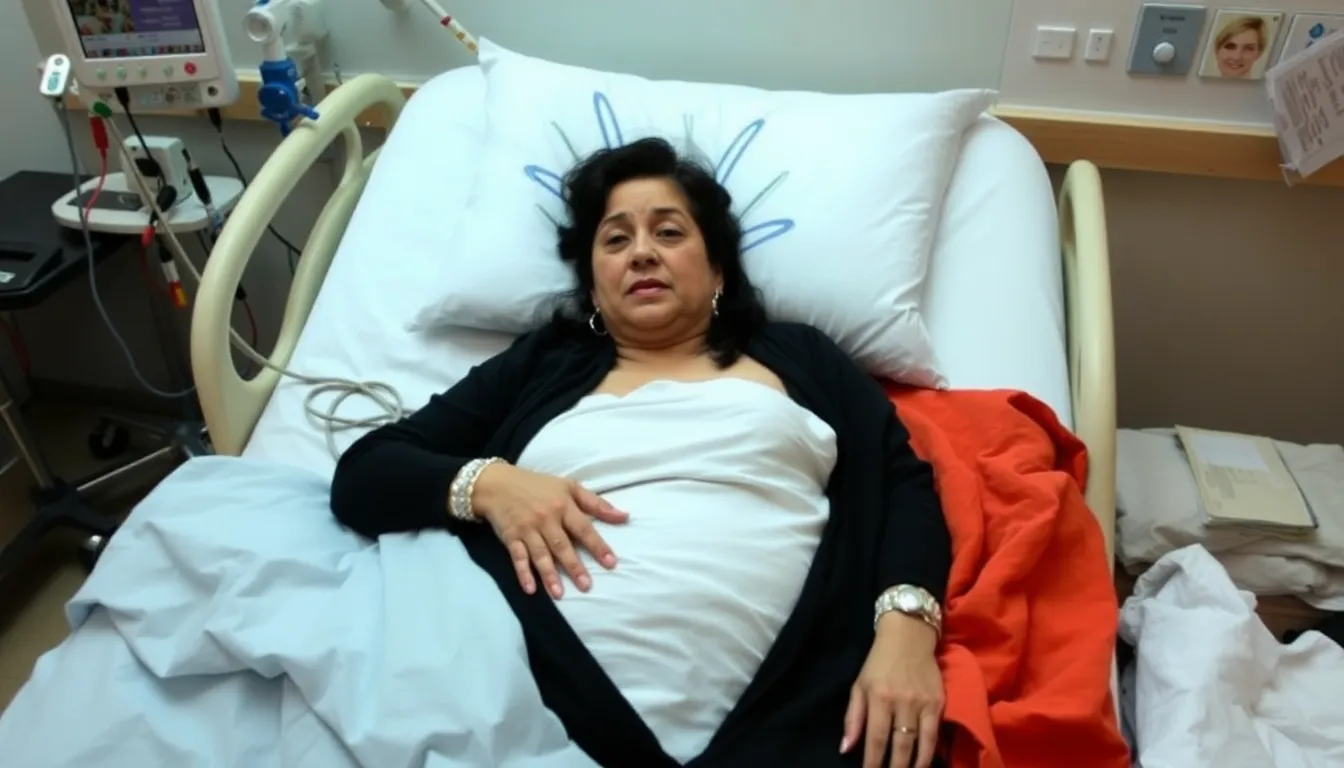
International human rights organizations, such as Amnesty International and Human Rights Watch, are also crucial stakeholders. They advocate for Mohammadi’s release and improved conditions for political prisoners in Iran. Their interests are aligned with promoting human rights and drawing global attention to the plight of activists. However, their efforts often clash with the Iranian government’s stance, creating a complex dynamic of advocacy versus state control.
- The health implications of Mohammadi’s imprisonment raise concerns about the treatment of political prisoners in Iran.
- International pressure on the Iranian government may lead to potential diplomatic conflicts, particularly with Western nations.
- The economic sanctions imposed on Iran could impact the government’s ability to respond to international criticism.
- Support from global civil society can amplify calls for reform, but may also provoke a backlash from the Iranian authorities.
Furthermore, the international community, including foreign governments, plays a significant role in this scenario. Countries that prioritize human rights may seek to leverage diplomatic channels to advocate for Mohammadi’s release, while others may prioritize strategic interests in the region. This creates a complex web of trade-offs, where human rights advocacy must navigate geopolitical realities.
The impact of Mohammadi’s condition on human rights movements
Narges Mohammadi’s hospitalization has significant implications for various groups and industries, particularly human rights organizations, activists, and the broader Iranian populace. Her status as a Nobel Laureate elevates her voice in the global discourse on human rights, making her health condition a focal point for advocacy efforts worldwide. This situation not only affects her supporters but also resonates with those who are fighting for freedom and justice in oppressive regimes.
In the short term, Mohammadi’s hospitalization may galvanize support for human rights initiatives, leading to increased activism and awareness campaigns. Organizations may mobilize resources to advocate for her release and the protection of other political prisoners in Iran. This could result in heightened media coverage and public discourse surrounding human rights violations, potentially influencing policymakers in various countries to take a firmer stance against the Iranian government.
In the mid-term, the impact could extend to the Iranian economy and its political landscape. Increased international scrutiny may lead to economic sanctions or diplomatic pressures, affecting businesses operating in or with Iran. Conversely, this situation may create opportunities for NGOs and social enterprises focused on human rights, as they may receive more funding and support from the global community eager to make a difference.
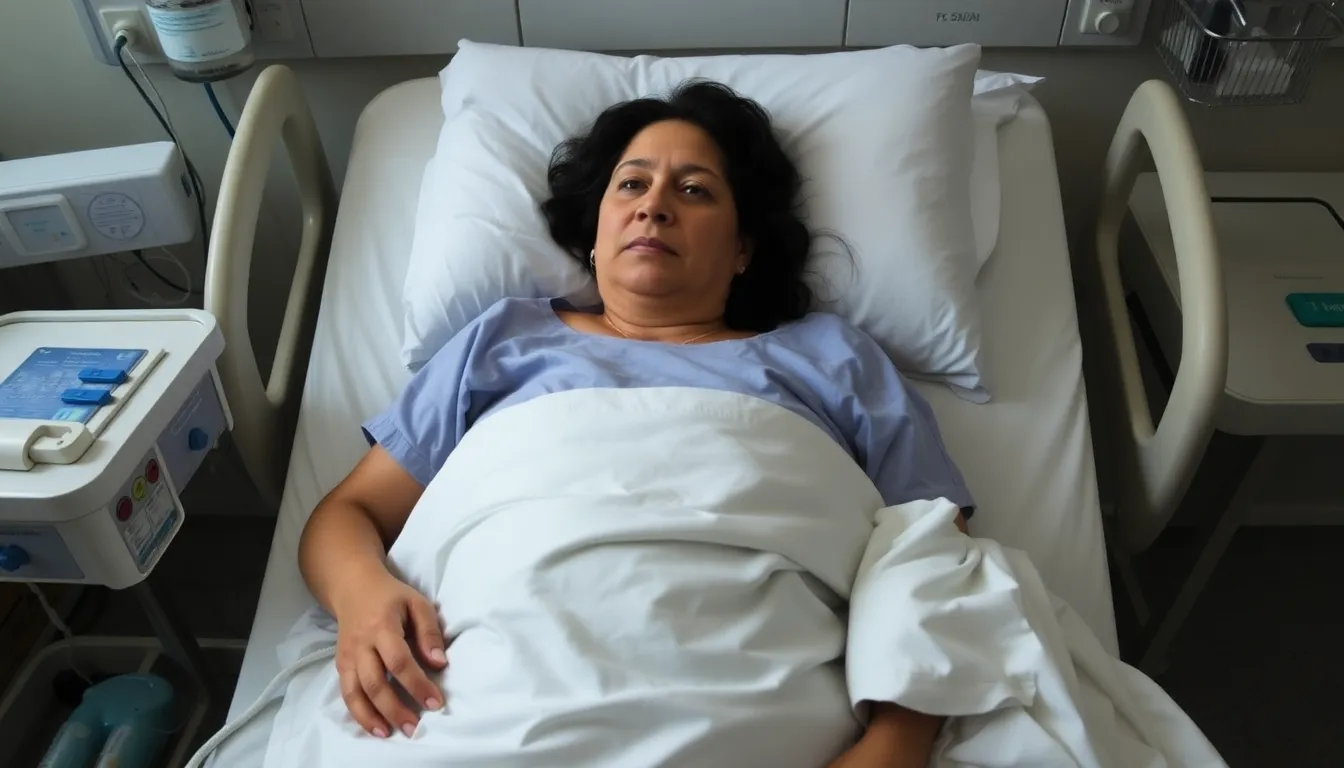
- Increased Activism: A surge in protests and campaigns advocating for human rights.
- Policy Changes: Potential for new sanctions or diplomatic actions against Iran.
- NGO Support: More funding and resources directed towards human rights organizations.
- Public Awareness: Heightened global awareness of human rights issues in Iran.
Ultimately, while the immediate risks associated with Mohammadi’s health may be concerning, they also present a critical opportunity for human rights advocates to push for change and solidarity within the global community. The response to her condition could shape the future of human rights advocacy not only in Iran but also in other regions facing similar challenges.
A: Narges Mohammadi was hospitalized due to severe health issues reportedly exacerbated by her imprisonment conditions. Her situation has drawn international attention and concern. A: The Iranian government has not made any official statements regarding her hospitalization, but there are growing calls from activists and international bodies for her release and better treatment. A: Mohammadi’s health condition highlights the dire situation of political prisoners in Iran and may galvanize further international support for human rights advocacy. A: Narges Mohammadi is an Iranian human rights activist and Nobel Laureate known for her efforts in advocating for women’s rights and political prisoners. A: Supporters can raise awareness through social media, contact their representatives to advocate for her release, and participate in campaigns organized by human rights organizations.
Frequently asked questions about Narges Mohammadi’s situation
Key takeaways and future outlook for Narges Mohammadi
Narges Mohammadi’s recent hospitalization highlights the ongoing challenges faced by human rights activists in Iran, particularly those who oppose the regime’s oppressive practices. Her health condition serves as a stark reminder of the personal risks involved in advocating for freedom and justice in a repressive environment. As the international community continues to rally for her release and improved conditions for political prisoners, the implications of her situation extend beyond her personal health to the broader struggle for human rights in Iran.
Looking ahead, the response from global leaders and organizations will be crucial in shaping the narrative around human rights in Iran. Increased awareness and pressure could lead to significant changes, not only for Mohammadi but also for the countless others who remain imprisoned for their beliefs.
- Monitor international reactions and potential diplomatic efforts aimed at securing Mohammadi’s release.
- Watch for developments in Iran’s human rights landscape, particularly regarding treatment of political prisoners.
- Consider the impact of Mohammadi’s case on global human rights advocacy and solidarity movements.
- Assess how the Iranian government’s response to international pressure might evolve in light of heightened scrutiny.
- Evaluate the role of social media and grassroots campaigns in bringing attention to human rights abuses in Iran.