
In response to the initial assault, Israel has launched extensive airstrikes targeting Hamas infrastructure, including command centers and weapon storage facilities. According to the Israeli Defense Forces, over 5,000 airstrikes have been conducted since the onset of the conflict, aiming to dismantle the operational capabilities of Hamas. Civilians in Gaza have been severely affected, with reports indicating that more than 3,000 people have lost their lives, including a significant number of women and children. This ongoing violence highlights the need for a deeper understanding of modern warfare tactics in the region.
International reactions have varied, with some countries calling for an immediate ceasefire while others express support for Israel’s right to defend itself. Humanitarian organizations have raised alarms over the deteriorating conditions in Gaza, where access to food, water, and medical supplies is critically limited. The ongoing violence has also sparked protests worldwide, highlighting the complex geopolitical implications of the conflict.
As military engagements continue, the situation remains fluid, with both sides preparing for further escalation. Diplomatic efforts to broker a ceasefire have so far been unsuccessful, raising concerns about the potential for a broader regional conflict. The international community is closely monitoring developments, as the ramifications of this conflict extend beyond the immediate area, impacting global security and humanitarian efforts, such as the potential rise of oil prices.
Understanding the Historical Background of the Conflict
The ongoing conflict in the Middle East, marked by missiles, drones, and airstrikes, is deeply rooted in a complex tapestry of historical grievances, territorial disputes, and socio-political dynamics. The region has been a flashpoint for violence for decades, with significant events shaping the current landscape. The establishment of the State of Israel in 1948, following the end of British mandate in Palestine, marked a pivotal moment, leading to the first Arab-Israeli war and the displacement of hundreds of thousands of Palestinians, an event known as the Nakba or ‘catastrophe.’ This history is crucial to understand to prevent further escalation, as discussed in related global issues.
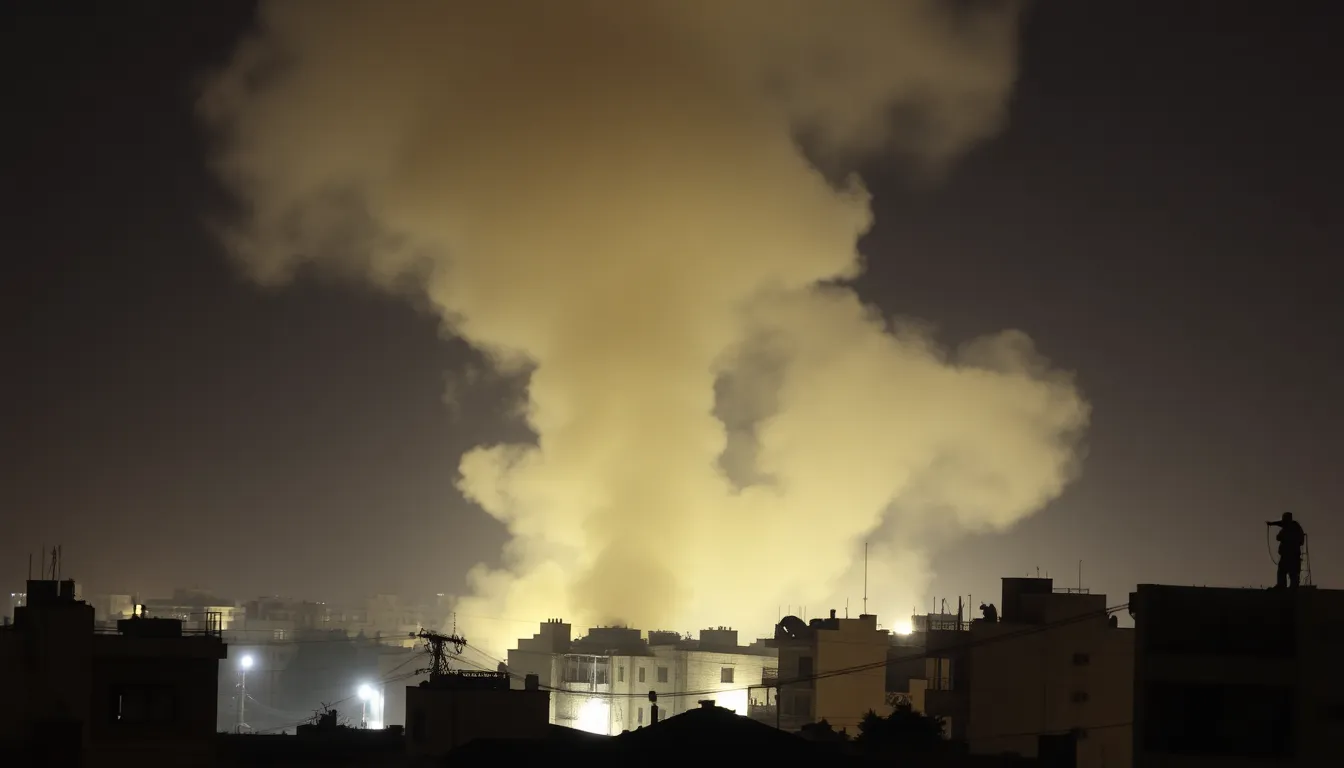
Over the years, various wars and uprisings, such as the Six-Day War in 1967 and the Yom Kippur War in 1973, have further entrenched divisions. The Oslo Accords in the 1990s offered a glimmer of hope for peace but ultimately failed to resolve key issues such as borders, refugees, and the status of Jerusalem. The rise of militant groups, particularly Hamas in Gaza, has complicated the peace process, leading to repeated cycles of violence and retaliation.
The Role of External Powers
External powers have played a significant role in exacerbating tensions. The United States has historically supported Israel, providing military aid and political backing, while Iran has positioned itself as a supporter of Palestinian groups and other regional factions opposed to Israel. This geopolitical rivalry has fueled proxy conflicts across the region, contributing to the current escalation of hostilities.
The economic factors also cannot be overlooked. The region’s vast oil reserves have attracted international interest and intervention, often complicating local dynamics. Economic disparities and high unemployment rates, particularly among youth in Gaza and the West Bank, have further stoked frustration and unrest. As a result, the intersection of historical grievances, external influences, and socio-economic challenges continues to perpetuate the cycle of violence in the Middle East.
Key Stakeholders and Their Interests in the War
The ongoing conflict in the Middle East has drawn in a variety of stakeholders, each with distinct interests and motivations. Understanding these actors is crucial to grasping the complexities of the situation. The primary stakeholders include regional governments, militant groups, international powers, and humanitarian organizations.
At the forefront are the governments of Israel and the Palestinian territories, each seeking to assert their sovereignty and security. Israel aims to protect its citizens from rocket attacks and eliminate perceived threats from militant groups such as Hamas. Conversely, Hamas and other Palestinian factions are fighting for recognition and the right to self-determination, often citing the need to respond to military actions against them.
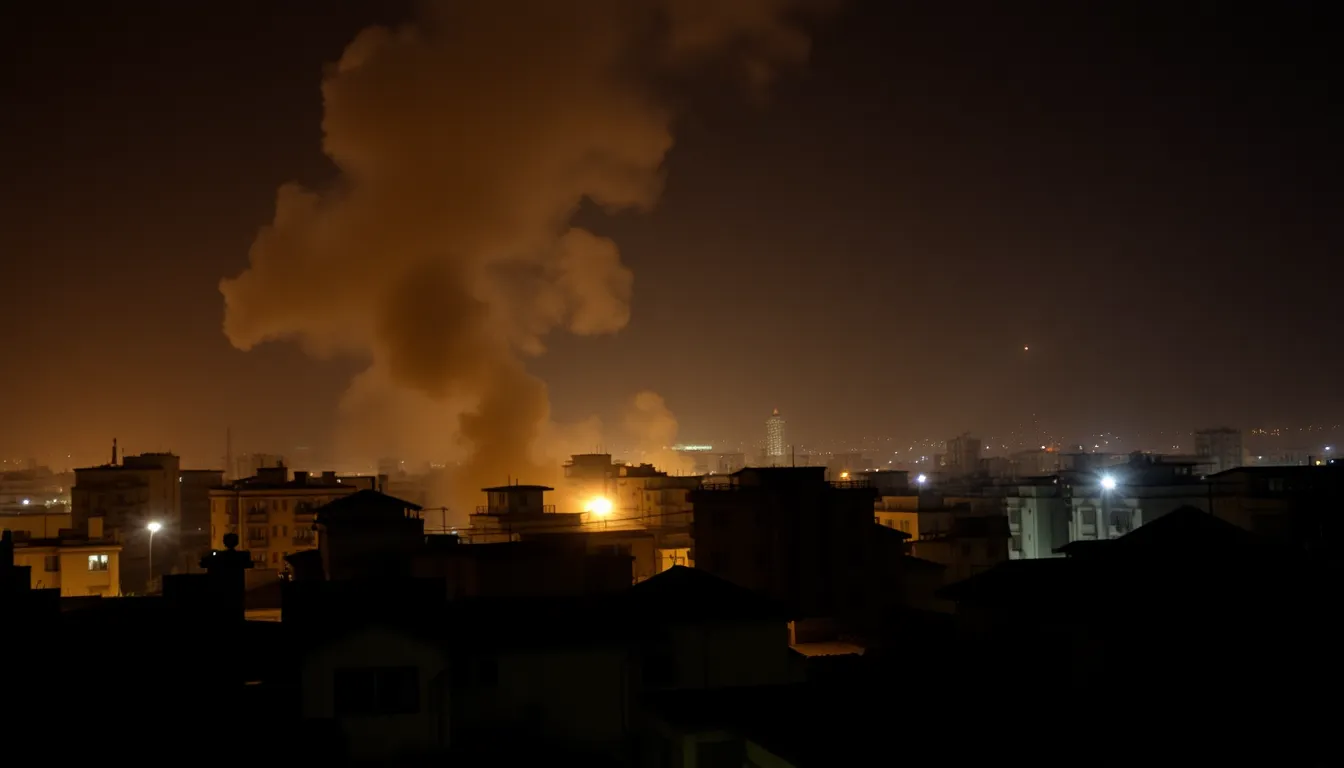
International actors, including the United States, Russia, and European Union countries, play a significant role in shaping the conflict. The U.S. has historically supported Israel, providing military aid and political backing, while also advocating for a two-state solution. Russia, on the other hand, has positioned itself as a supporter of Palestinian rights, seeking to expand its influence in the region. The EU’s involvement often focuses on humanitarian aid and diplomatic efforts to mediate peace.
- Humanitarian Concerns: Organizations like the Red Cross and UN agencies are focused on delivering aid and addressing the humanitarian crisis resulting from ongoing violence.
- Economic Factors: The conflict disrupts trade routes and economic stability in the region, affecting local economies and international markets.
- Legal Issues: International law plays a crucial role, with debates surrounding the legality of airstrikes and the treatment of civilians in conflict zones.
- Public Opinion: Global public sentiment can influence government policies, as citizens advocate for peace and humanitarian responses.
Each of these stakeholders navigates a complex landscape of alliances and rivalries, where actions taken by one party can have significant repercussions for others. The interplay of military, political, and social factors continues to shape the trajectory of this prolonged conflict.
The Humanitarian Impact of the Ongoing Airstrikes
The ongoing conflict in the Middle East, marked by relentless missiles, drones, and airstrikes, has profoundly affected various groups, industries, and regions. Civilians are bearing the brunt of this violence, with thousands displaced and in urgent need of humanitarian assistance. The immediate impact is felt most acutely by families, particularly women and children, who are facing dire living conditions and a lack of basic resources.
Industries such as agriculture, tourism, and retail are experiencing significant disruptions. Farmers are unable to tend to their fields, leading to food shortages and increased prices. The tourism sector, already fragile, faces a steep decline as safety concerns deter travelers. Retail businesses are struggling with supply chain interruptions and reduced consumer spending, as people prioritize basic needs over non-essential purchases.
In the short term, daily life for those in affected regions has become increasingly precarious. Access to healthcare has diminished, with hospitals overwhelmed and resources scarce. Schools have been closed, disrupting education for children and leaving a generation at risk of long-term consequences. The psychological toll on the population is immense, with rising rates of trauma and mental health issues.
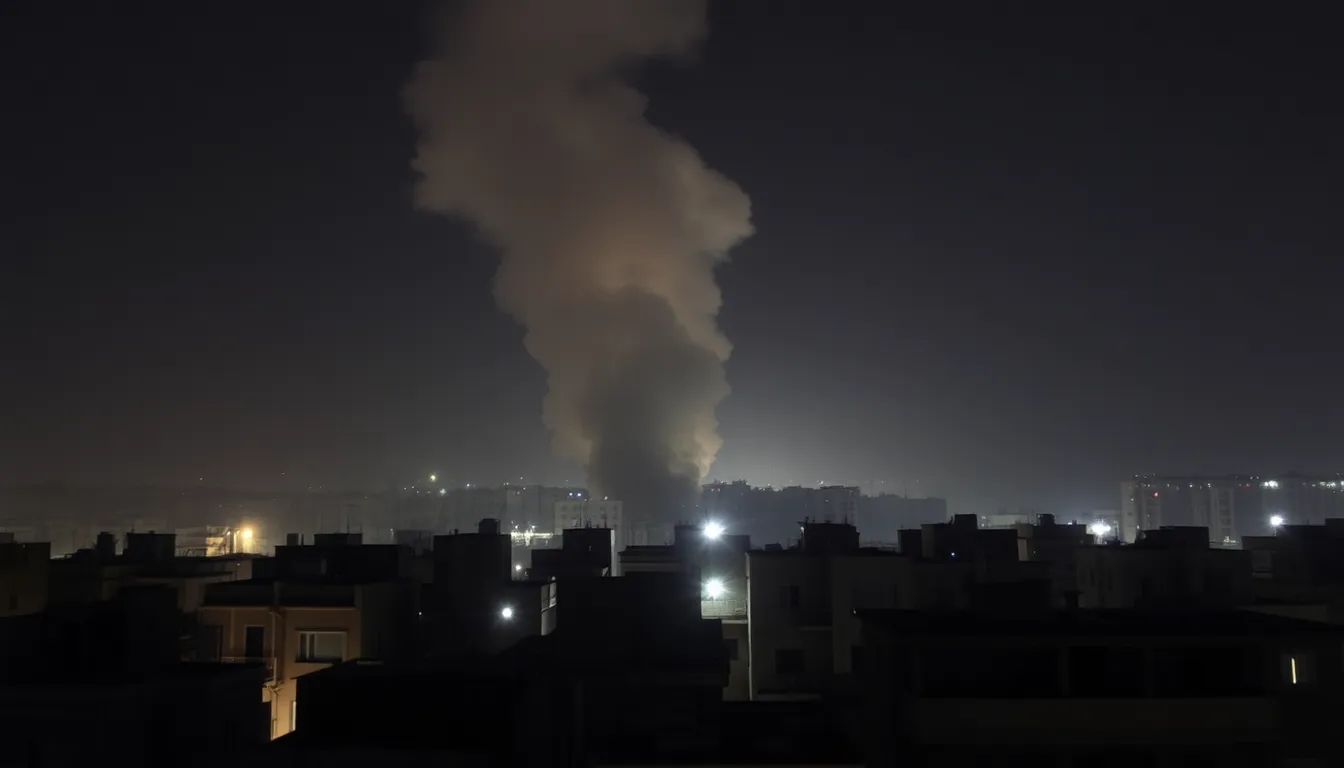
However, amidst these challenges, there are potential opportunities for humanitarian organizations and international aid groups to mobilize support. Increased awareness can lead to greater funding and resources for those in need. Additionally, the conflict may prompt policy changes at both local and international levels, focusing on conflict resolution and peace-building efforts.
- Risks: Increased civilian casualties, long-term displacement, economic collapse.
- Opportunities: Humanitarian aid mobilization, potential for peace initiatives, community resilience building.
A: The escalation was triggered by a series of political and military actions that heightened tensions between key factions in the region. A: Civilians are facing severe consequences, including loss of life, displacement, and destruction of infrastructure, leading to a humanitarian crisis. A: International powers are involved through diplomatic efforts, military support to various factions, and sanctions, influencing the conflict’s dynamics. A: While negotiations are ongoing, the prospects for a ceasefire remain uncertain due to deep-rooted animosities and competing interests. A: The conflict has the potential to disrupt oil supply routes, causing fluctuations in global oil prices, which can affect economies worldwide.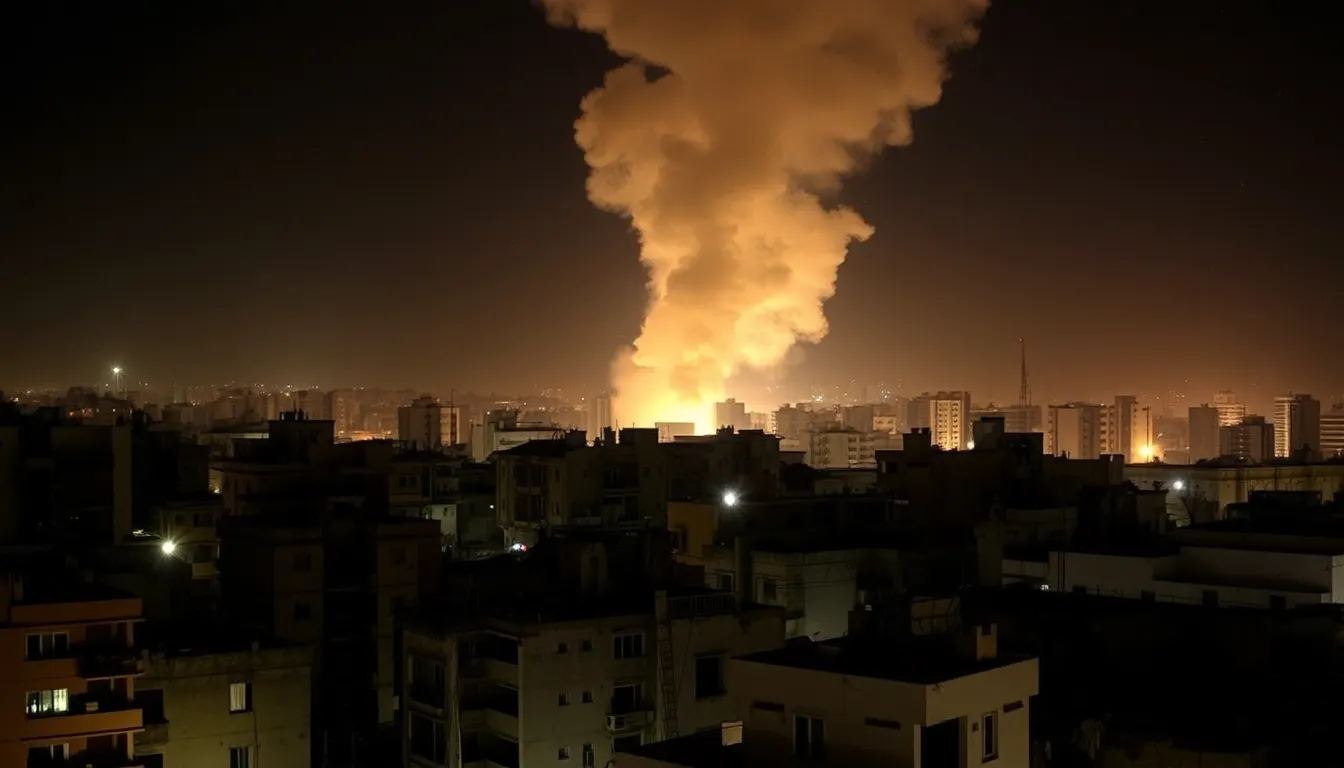
Frequently Asked Questions About the Conflict
Looking Ahead: Future Implications of the War
The ongoing conflict in the Middle East, now entering its 12th day, has already begun to reshape regional dynamics and international relations. As missile strikes, drone activity, and airstrikes continue to escalate, the potential for broader geopolitical ramifications grows. Observers must remain vigilant as the situation unfolds, particularly concerning humanitarian impacts and shifts in alliances.
In the coming days, the focus will likely shift towards diplomatic efforts aimed at de-escalation, alongside an increased emphasis on humanitarian aid for affected populations. The responses from key global players will be critical in determining the trajectory of this conflict and its long-term implications for stability in the region.
- Increased Humanitarian Needs: The war’s prolonged nature will likely exacerbate humanitarian crises, necessitating a coordinated international response.
- Shifts in Alliances: Watch for potential realignments among regional powers as they reassess their positions in light of the conflict’s developments.
- Global Economic Impact: The conflict may disrupt trade routes and energy supplies, leading to fluctuations in global markets that warrant close monitoring.
- International Diplomatic Efforts: Expect intensified diplomatic initiatives aimed at conflict resolution, with key nations playing pivotal roles in negotiations.
- Public Sentiment and Protests: The war is likely to spark public outcry and protests worldwide, influencing political discourse and policy decisions in various countries.