
Overview of Current Meningitis Cases
As of October 2023, health officials are reporting a rise in meningitis cases across several regions, prompting increased public health awareness. Meningitis, an inflammation of the protective membranes covering the brain and spinal cord, can be caused by various pathogens, including bacteria and viruses. For more about the significance of early detection, consider reading about recognizing symptoms early, which is crucial for effective treatment.
Common symptoms include severe headache, fever, neck stiffness, and sensitivity to light, which can escalate quickly. In some cases, patients may also experience nausea, vomiting, and altered mental status. The Centers for Disease Control and Prevention (CDC) emphasizes the importance of recognizing these symptoms early to prevent severe complications, including death.
The spread of meningitis varies depending on the causative agent. Bacterial meningitis, which is often more severe, can be transmitted through respiratory droplets or close contact with an infected person. To understand how good hygiene practices can prevent infection, check out our article on preventive measures.
Recent outbreaks have raised concerns among public health officials, especially in college campuses and crowded living environments where close contact is common. Vaccination remains a key preventive measure, and health authorities are urging individuals to stay updated on their vaccinations to reduce the risk of infection.
Background Information on Meningitis
Meningitis is an inflammation of the protective membranes covering the brain and spinal cord, known as the meninges. This condition can be caused by viral, bacterial, or fungal infections, with each type presenting distinct symptoms and modes of transmission. For a deeper dive into the types and challenges of meningitis, learn about the historical context and its impact on public health.
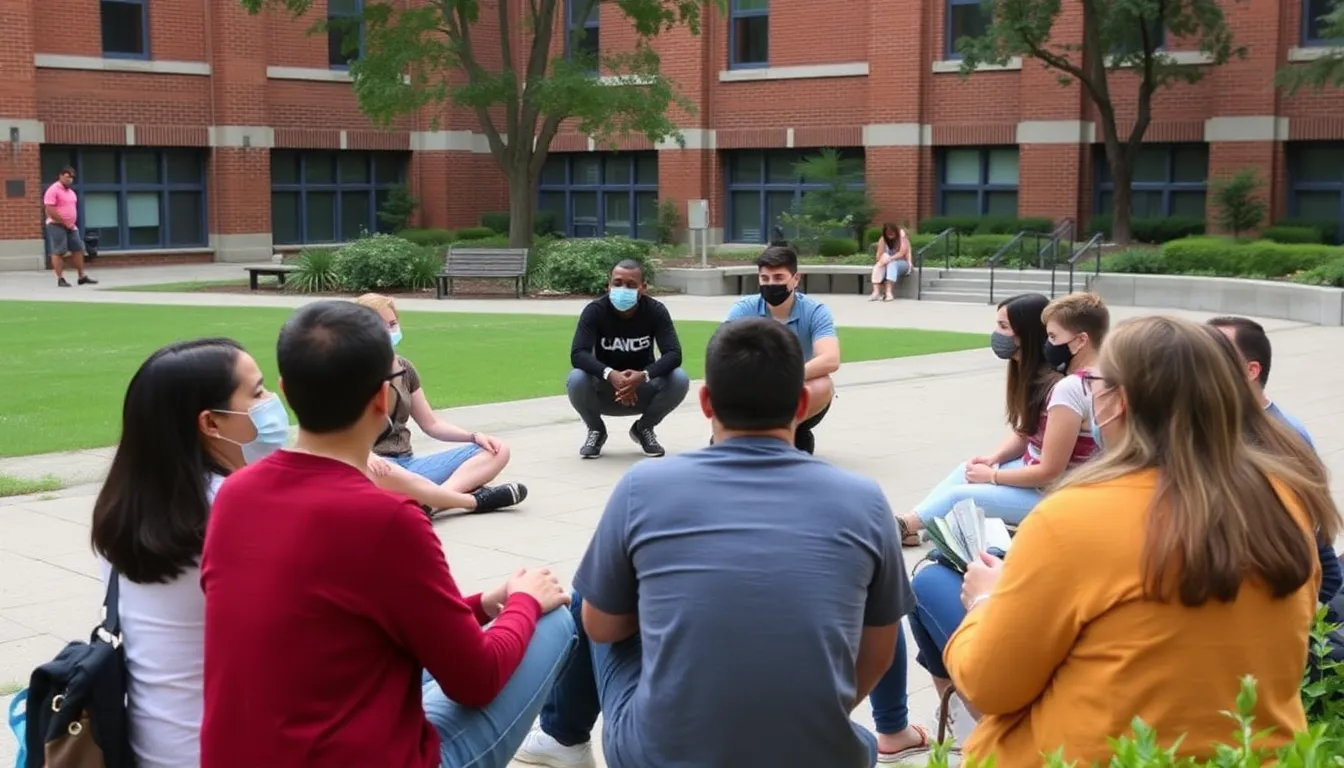
The first documented cases of meningitis date back to the 19th century, with significant outbreaks noted in military barracks and crowded living conditions. These environments facilitated the spread of the disease, particularly bacterial meningitis, which is known for its rapid onset and high mortality rate. The identification of pathogens responsible for meningitis, such as Neisseria meningitidis and Streptococcus pneumoniae, marked crucial milestones in the medical community’s ability to combat the disease.
In the late 20th century, the development of vaccines against certain types of bacterial meningitis significantly impacted public health. Vaccination programs have been implemented globally, particularly targeting infants and adolescents, who are at higher risk. The introduction of the meningococcal vaccine in the 1990s, for instance, has led to a marked decrease in cases and fatalities in regions where it has been widely administered.
Social Impact and Awareness
The social implications of meningitis extend beyond health, affecting families and communities. Awareness campaigns have played a vital role in educating the public about the symptoms, such as fever, headache, and neck stiffness, which are critical for early diagnosis and treatment. The ongoing efforts to raise awareness and promote vaccination have transformed public perception and understanding of the disease, highlighting the importance of timely intervention.
Key Issues Surrounding Meningitis Transmission
Meningitis, an inflammation of the protective membranes covering the brain and spinal cord, poses significant public health challenges. The main stakeholders involved in the management and prevention of meningitis include healthcare organizations, government bodies, educational institutions, and the general public. Each of these actors has distinct interests that shape their approach to addressing the disease.
Healthcare organizations, including hospitals and public health agencies, are primarily focused on patient care and disease prevention. Their interest lies in effectively diagnosing and treating meningitis while also educating the public about its symptoms and transmission. Governments, on the other hand, are tasked with implementing policies that ensure public health safety, often balancing budgetary constraints with the need for comprehensive healthcare services.
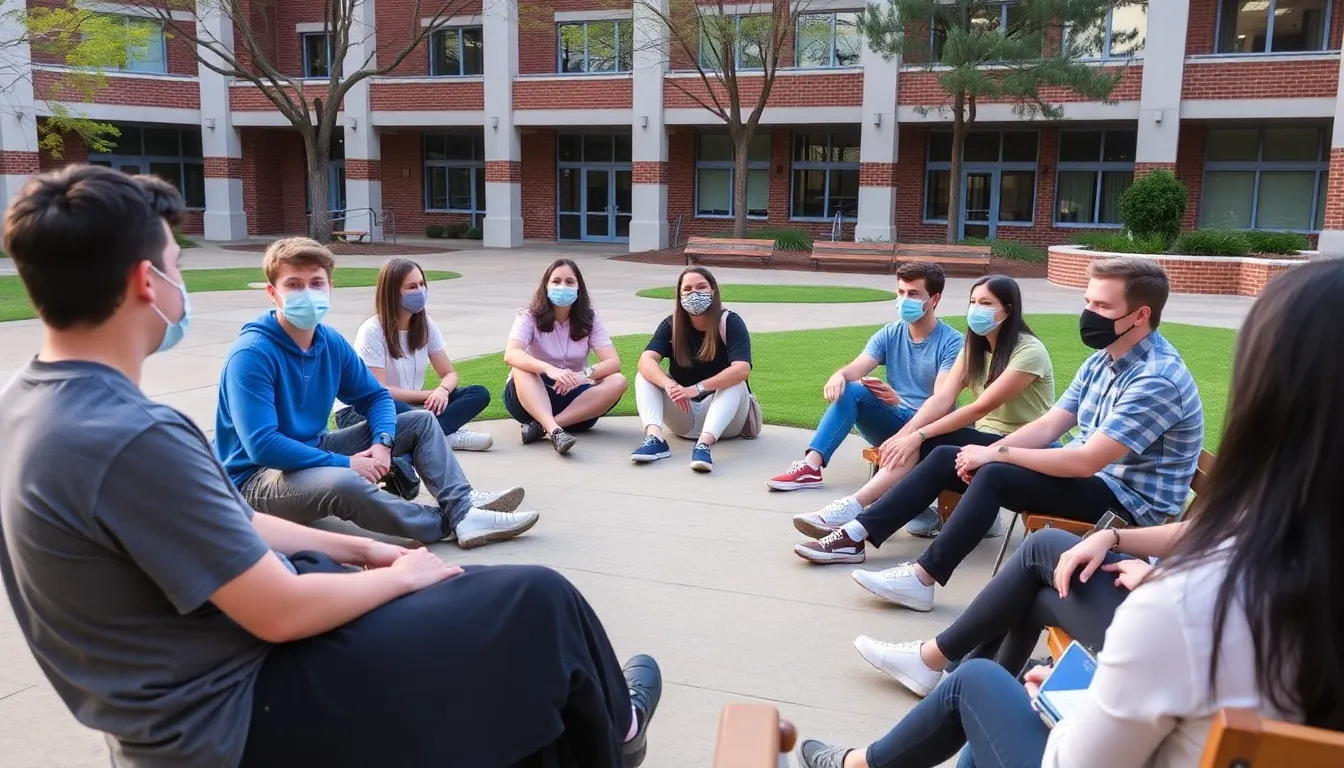
Educational institutions play a crucial role in the spread of information, particularly in settings where outbreaks may occur, such as colleges and universities. Their interest is in maintaining a safe environment for students while also promoting awareness of meningitis symptoms, which include fever, headache, and stiff neck. This focus on education can sometimes conflict with the need for privacy and confidentiality regarding student health issues.
Key issues surrounding meningitis transmission include:
- Public Awareness: Lack of awareness about symptoms can lead to delayed diagnosis and treatment.
- Vaccination Policies: Variations in vaccination laws and access can affect herd immunity.
- Resource Allocation: Limited healthcare resources can hinder effective response to outbreaks.
- Privacy Concerns: Balancing public health notifications with individual privacy rights can create tension.
Conflicts may arise when the interests of these stakeholders diverge, particularly in the context of public health initiatives. For example, while healthcare organizations advocate for mandatory vaccinations to reduce transmission rates, some individuals and groups may resist these measures due to personal beliefs. This highlights the ongoing trade-offs that must be navigated to effectively manage meningitis outbreaks and protect public health.
Impact on Affected Individuals and Communities
Meningitis primarily affects individuals, particularly children, adolescents, and young adults, who are at a higher risk due to their social interactions and activities. Additionally, college students living in dormitories and military recruits are particularly vulnerable to outbreaks, as close living quarters facilitate the spread of the disease.
In terms of regional impact, areas with low vaccination rates may experience higher incidences of meningitis, leading to increased healthcare costs and a strain on local health resources. Communities may face significant disruptions as schools and universities implement emergency health measures to contain outbreaks, affecting daily routines and educational activities.

The short-term impacts on daily life can include increased anxiety and fear among families, particularly if there are reported cases in the community. Businesses may also be affected as employees take time off to care for sick family members or to recover from the illness themselves. In the mid-term, there could be shifts in public policy, such as increased funding for vaccination programs and public health campaigns aimed at raising awareness about the disease.
- Health Risks: Increased morbidity and potential mortality rates among affected groups.
- Economic Impact: Strain on healthcare systems and potential loss of productivity.
- Policy Changes: Implementation of stricter vaccination requirements in schools and colleges.
- Public Awareness: Opportunities for health organizations to promote preventative measures and education.
While the risks are significant, there are also opportunities for businesses involved in healthcare and education to innovate and provide solutions that address the challenges posed by meningitis. This includes developing new vaccines, educational materials, and community outreach programs that can help mitigate the impact of the disease.
A: Common symptoms include fever, headache, stiff neck, nausea, and sensitivity to light. Early detection is crucial for effective treatment. A: Meningitis can spread through respiratory droplets, close contact with an infected person, or sharing personal items. Awareness of transmission methods is essential. A: Individuals in crowded settings, such as college dorms or military barracks, and those with weakened immune systems are at higher risk. A: Yes, vaccinations are available for certain types of meningitis, which can significantly reduce the risk of infection. A: Seek medical attention immediately if you experience symptoms of meningitis, as prompt treatment is vital.
Frequently Asked Questions About Meningitis
Key Takeaways and Future Outlook on Meningitis
Meningitis remains a significant public health concern, with its symptoms often resembling those of other illnesses, making early diagnosis crucial. Awareness of the symptomssuch as severe headache, fever, and neck stiffnesscan lead to prompt medical attention, which is vital for effective treatment and improved outcomes. Additionally, understanding the transmission routes of meningitis can aid in prevention efforts, particularly in high-risk populations.
As we move forward, continued education on vaccination and hygiene practices will play a critical role in reducing the incidence of meningitis. Public health initiatives must focus on disseminating information about the disease to ensure communities are well-informed and prepared to respond effectively.
- Recognizing early symptoms can significantly improve treatment outcomes.
- Vaccination is a key preventive measure, especially for at-risk groups.
- Maintaining good hygiene can help reduce the spread of meningitis.
- Community awareness programs are essential for educating the public about the disease.
- Ongoing research into meningitis will enhance understanding and treatment options.