
With top-tier teams from Europe, the Middle East, and Africa vying for a spot in the Masters, the stakes are higher than ever, as only the best will advance to the prestigious tournament.
In total, 10 teams will compete in the EMEA league, with matches scheduled to take place weekly. This format not only enhances the competitive landscape but also offers fans a chance to witness high-stakes gameplay over an extended period, culminating in the top teams earning their place in the Masters.
The inclusion of a promotion and relegation system adds an additional layer of intensity to the competition. Teams that perform poorly will face the risk of dropping to lower tiers, while those excelling will have the opportunity to rise, ensuring that every match counts and keeps the audience engaged.
As the VCT EMEA Stage 1 approaches, anticipation builds among players and fans alike, setting the stage for what promises to be an exhilarating start to the competitive Valorant season, ultimately leading to the Masters in London.
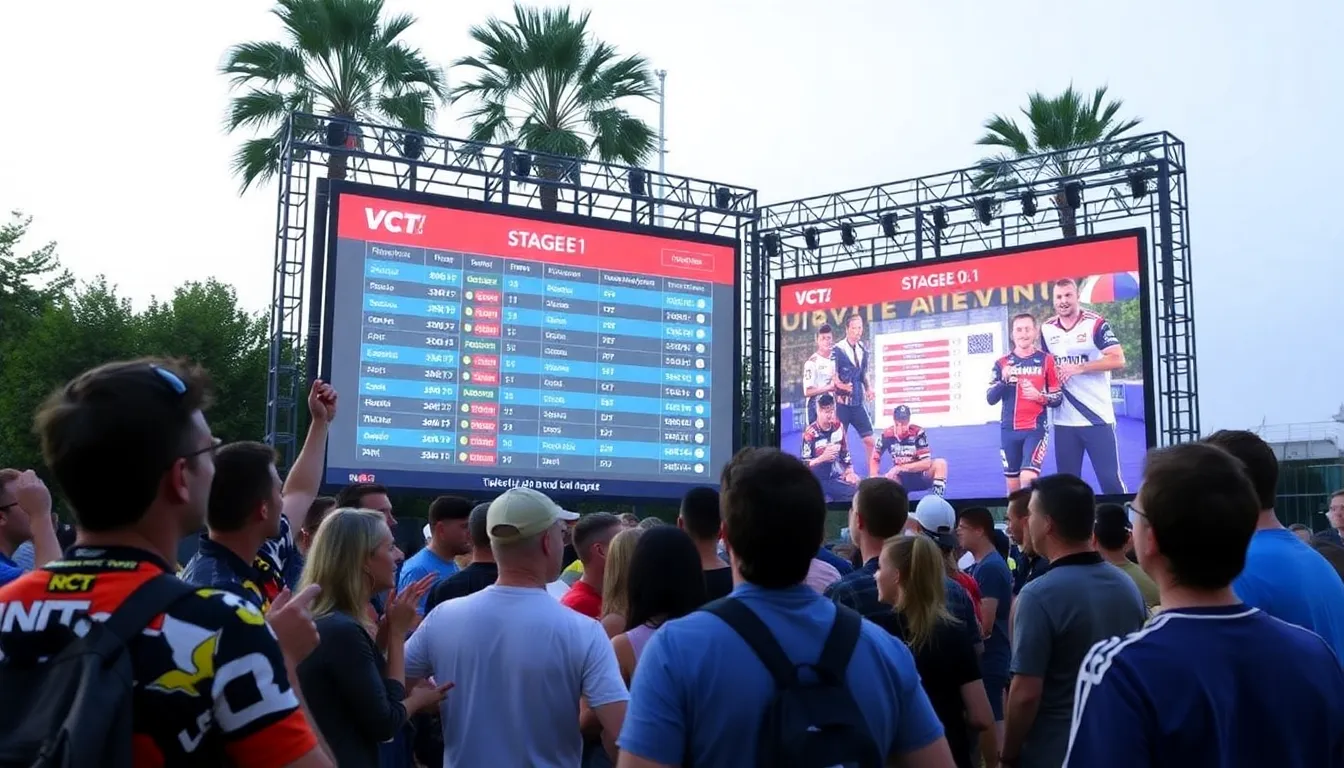
Background on the VCT and Masters Events
The Valorant Champions Tour (VCT) has rapidly become one of the most prestigious competitive gaming circuits since its inception in 2020, and developed by Riot Games, the VCT was designed to provide a structured competitive environment for Valorant.
The VCT’s format has evolved over the years, adapting to the growing interest and participation in esports. Initially, the competition was segmented into different regional leagues, allowing teams to compete in their respective areas. However, as the game’s global audience expanded, Riot Games introduced a more unified approach, leading to the creation of the Masters events that feature top teams from the EMEA (Europe, the Middle East, and Africa) region alongside others from around the world.
The Rise of EMEA in Esports
The EMEA region has become a powerhouse in the esports landscape, particularly in Valorant. With a rich history of competitive gaming across various titles, the EMEA scene has produced numerous talented players and teams. The introduction of the VCT has further fueled this growth, providing a platform for local talent to shine on an international stage. Key milestones, such as the success of teams like Fnatic and Gambit Esports in previous Masters events, have solidified the region’s reputation and attracted significant investment from sponsors and organizations.
As the VCT EMEA Stage 1 approaches, anticipation builds among fans and players alike. The format for this stage will include a series of matches leading to the Masters event in London, where teams will compete not only for prize money but also for valuable ranking points that can secure their spots in future tournaments. This dynamic creates an exciting atmosphere, as teams strive to prove their mettle and establish themselves as contenders in the ever-competitive landscape of Valorant esports.
Key Stakeholders and Competitive Landscape
The upcoming VCT EMEA Stage 1, culminating in the Road to Masters London, involves several key stakeholders, each with distinct interests. These include game developers, professional teams, tournament organizers, and fans. Riot Games, the developer of Valorant, plays a pivotal role in shaping the competitive landscape by establishing the rules and format of the tournament.
Professional teams, such as Fnatic and G2 Esports, are highly invested in the success of the tournament, as their performance can significantly impact their brand value and sponsorship opportunities. These teams not only compete for monetary rewards but also for prestige and recognition within the esports community. Their interests often align with maintaining a competitive integrity that showcases their skills and strategies.
Tournament organizers like ESL and Blast Premier are crucial in facilitating the event, ensuring that it runs smoothly and adheres to the established guidelines. They face the challenge of balancing profitability with the need to create an engaging experience for fans and players alike. This can lead to conflicts regarding scheduling, broadcasting rights, and ticket sales, as they strive to maximize viewership while keeping the competitive environment fair.
- Economic Interests: Teams and organizers aim to secure sponsorships and viewership revenue, which can lead to conflicts over pricing and accessibility.
- Legal Issues: Compliance with local regulations and intellectual property rights can pose challenges for tournament organizers and teams.
- Fan Engagement: The desire to enhance fan experience can lead to trade-offs in terms of scheduling and format changes that may not favor all stakeholders equally.
- Competitive Fairness: Ensuring a level playing field is essential, but can create tensions between established teams and emerging talent.
As the tournament approaches, these stakeholders will navigate a complex web of interests and challenges, highlighting the dynamic nature of the esports ecosystem. Understanding these relationships is crucial for grasping the broader implications of the VCT EMEA Stage 1 and its impact on the future of competitive gaming.
Implications for Teams and Fans
The announcement of the VCT EMEA Stage 1 schedule and format has significant implications for various stakeholders within the esports ecosystem. Teams participating in the tournament will need to adapt their strategies and prepare for intense competition, while fans eagerly await the matches that will shape the future of their favorite teams.
Regions such as Europe, the Middle East, and Africa will experience heightened interest in esports, as local teams vie for a chance to showcase their skills on an international stage. This increased visibility can lead to greater investment in the esports industry, benefiting not only the teams but also local businesses that support them.
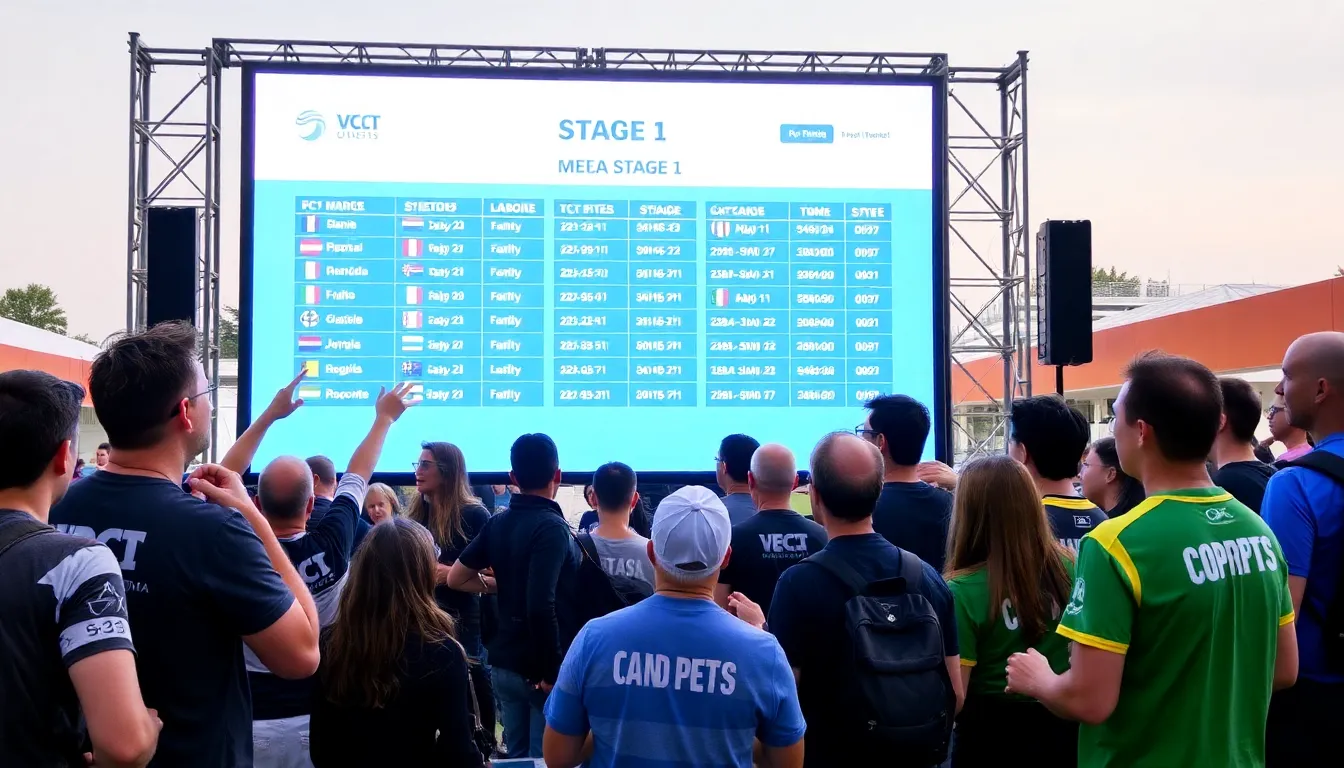
In the short term, the excitement surrounding the tournament may lead to increased viewership and engagement on streaming platforms. Fans are likely to gather in local venues or online communities to watch matches together, fostering a sense of camaraderie and boosting the local economy through increased sales of merchandise and food services.
- Short-term impacts: Increased viewership and local engagement.
- Mid-term impacts: Growth in sponsorships and investments in the esports sector.
- Risks: Potential burnout for players due to rigorous schedules.
- Opportunities: Enhanced career prospects for players and coaches in the growing esports market.
However, there are risks associated with the heightened pressure on teams and players. The demanding schedule may lead to player burnout, which could affect performance and mental health. Balancing competition with well-being will be crucial for teams aiming for success.
Overall, the VCT EMEA Stage 1 not only serves as a platform for competition but also as a catalyst for growth within the esports industry, presenting both challenges and opportunities for teams, fans, and associated businesses.
A: The VCT EMEA Stage 1 is set to begin on the announced date, with matches scheduled throughout the competition period. A: A total of 10 teams will compete in the VCT EMEA Stage 1, showcasing some of the best talent in the region. A: The matches will follow a double-elimination format, allowing teams a chance to recover from early losses. A: Fans can watch the matches live on various streaming platforms, including official esports channels and social media. A: Teams are competing for points that will qualify them for the Masters event in London, making every match crucial.
Frequently Asked Questions about VCT EMEA Stage 1
Key Takeaways and Future Outlook
The VCT EMEA Stage 1 schedule has set the stage for an exciting series of matches leading up to the Masters in London. As teams prepare to compete, various factors will influence their performance, including roster changes, team synergy, and individual player form. The structure of the tournament not only emphasizes the importance of each match but also the necessity for teams to adapt quickly to the evolving meta.
With the stakes higher than ever, fans and analysts alike should focus on key matchups and emerging strategies that could define the tournament. The results from this stage will provide valuable insights into which teams are poised to make a deep run in the Masters and how they might fare against international competition.
- Monitor team compositions and strategies as they adapt to the evolving meta throughout the tournament.
- Keep an eye on player performances, particularly rookies and newly formed rosters, as they may surprise established teams.
- Evaluate the impact of coaching strategies on team dynamics and match outcomes.
- Watch for potential upsets, especially in early matchups, which could shift the landscape of the tournament.
- Consider the implications of this stage on teams’ preparations for international play, particularly in terms of confidence and strategy refinement.