
Recent data indicates that inflation rates are showing signs of moderation, yet the Fed’s commitment to maintaining a cautious approach remains evident. On November 1, 2023, the Fed opted to keep interest rates steady, signaling a wait-and-see stance as economic indicators evolve. Investors are closely monitoring these developments, as any shift in policy could have profound implications for both equity and bond markets, similar to what occurred on March 15.
Market volatility has intensified as speculation grows regarding Powell’s successor and their potential policy stance. Prominent candidates, including Fed Governor Michelle Bowman and former Treasury Secretary Janet Yellen, have emerged as possible replacements, each bringing distinct perspectives on inflation and interest rates. This uncertainty is reflected in fluctuating stock prices and bond yields, as traders adjust their expectations in response to potential changes in leadership.
Moreover, geopolitical factors, such as ongoing tensions in Eastern Europe and trade relations with China, further complicate the economic landscape. Investors are weighing these external risks against the backdrop of domestic monetary policy, creating a complex environment where Powell’s “long goodbye” is felt across various asset classes. The interplay of these factors underscores the significance of the Fed’s decisions in shaping market sentiment in the coming months.
The historical context of Powell’s leadership at the Federal Reserve
Jerome Powell was appointed as the 16th Chair of the Federal Reserve in February 2018, stepping into a role that has historically been pivotal for the U.S. economy, paralleling the significant transitions that the Federal Reserve has undergone over the years.

The Federal Reserve, established in 1913, was created to provide the country with a safer, more flexible, and more stable monetary and financial system. Over the decades, its responsibilities have expanded, particularly in response to financial crises. The 2008 financial crisis was a turning point, leading to a more interventionist approach in monetary policy, including low interest rates and quantitative easing. Powell’s predecessor, Janet Yellen, played a crucial role in this transition, setting the stage for Powell’s leadership.
As Powell took the helm, the economy was experiencing a prolonged period of growth, characterized by low unemployment and rising stock markets. However, his early days were soon overshadowed by the onset of the COVID-19 pandemic in early 2020, which necessitated a rapid and robust response from the Fed. The central bank implemented emergency measures, including slashing interest rates to near zero and launching extensive asset purchase programs, to stabilize the economy and support struggling sectors.
Key milestones during Powell’s tenure
Throughout Powell’s leadership, several key milestones have defined his approach. In March 2020, the Fed’s swift action in cutting rates and introducing new lending facilities marked a significant response to the pandemic’s economic fallout, reflecting the historical context of previous financial crises that shaped current policies.
As Powell prepares for a potential second term, the financial markets are closely watching his signals regarding future monetary policy. His leadership has not only shaped the economic landscape but has also influenced political debates about the Fed’s role and its independence. The culmination of these factors sets the stage for a critical period in U.S. economic policy as Powell navigates the challenges of a recovering economy amidst persistent uncertainties.
Key stakeholders and issues surrounding Powell’s transition
The transition of Jerome Powell as the Chair of the Federal Reserve has significant implications for various stakeholders in the financial markets and the broader economy. Key actors include the Federal Reserve itself, market participants, government officials, and the general public, each with distinct interests and concerns regarding monetary policy and economic stability.

One of the primary stakeholders is the Federal Reserve, which aims to maintain economic stability and control inflation. As Powell’s term progresses, the Fed faces the challenge of balancing interest rates to foster growth while preventing overheating in the economy. This delicate act is crucial as it impacts borrowing costs and investment decisions across sectors.
Market participants, including investors and financial institutions, are closely monitoring Powell’s statements and actions. Their interests lie in understanding the future direction of monetary policy, which directly influences market volatility and investment strategies. Any signals of tightening or easing monetary policy can lead to significant shifts in stock and bond markets.
Government officials, particularly those in Congress, have a vested interest in the Fed’s policies as they relate to employment and economic growth. There is often tension between the Fed’s independence and political pressures, especially during election cycles. The trade-offs between short-term political gains and long-term economic health are a recurring theme in this relationship.
- Interest Rate Decisions: The Fed’s approach to interest rates can either stimulate or restrain economic growth.
- Inflation Control: Managing inflation expectations is critical for maintaining consumer confidence and economic stability.
- Market Reactions: Investors react to Powell’s communications, which can lead to market instability if expectations are not met.
- Political Pressures: The Fed’s independence may be challenged by political entities seeking favorable economic conditions.
- Global Economic Impact: The Fed’s policies can influence international markets and foreign relations, especially in emerging economies.
The potential effects on investors and the broader market
The ongoing adjustments to monetary policy under Federal Reserve Chair Jerome Powell’s leadership are poised to impact a diverse range of groups and industries. Investors, businesses, and consumers alike will feel the ripple effects of decisions made at the Fed. The financial markets, particularly equities and fixed income, are likely to experience fluctuations as interest rates and inflation expectations evolve.

In the short term, sectors such as real estate and consumer goods may face challenges as borrowing costs rise. Higher interest rates can dampen consumer spending, affecting retail sales and overall economic growth. Additionally, industries reliant on financing, such as automotive and construction, may see a slowdown in demand as loans become more expensive.
Conversely, there are potential opportunities for sectors like financial services and technology. Banks may benefit from increased interest margins, while tech companies with strong balance sheets could capitalize on lower competition for investment capital. Regions with diverse economic bases may also weather the storm better than those dependent on a single industry.
- Short-term impacts: Increased borrowing costs, reduced consumer spending, and potential market volatility.
- Mid-term impacts: Shifts in investment strategies, sectoral growth disparities, and changes in consumer behavior.
- Risks: Economic slowdown, higher unemployment rates, and inflationary pressures.
- Opportunities: Growth in financial services, innovation in tech, and potential real estate adjustments.
As Powell’s tenure continues, the interplay between policy changes and market reactions will shape the economic landscape. Stakeholders must remain vigilant and adaptable to navigate the evolving challenges and seize emerging opportunities.
A: Powell’s exit could lead to changes in the Federal Reserve’s approach to interest rates, depending on his successor’s policies. Investors are closely monitoring any signals regarding future rate adjustments. A: Markets often experience volatility during transitions in Fed leadership as investors reassess monetary policy expectations. Historical data shows varying impacts based on the incoming chair’s stance. A: Several names are being discussed as potential successors, including current Fed governors and other prominent economists. Each candidate brings a unique perspective on monetary policy. A: Investors are primarily concerned about the continuity of monetary policy and how a new chair might influence inflation and economic growth. Uncertainty can lead to market fluctuations. A: While Powell’s departure may introduce uncertainty, the overall impact on the U.S. economy will depend on the new chair’s approach and the prevailing economic conditions.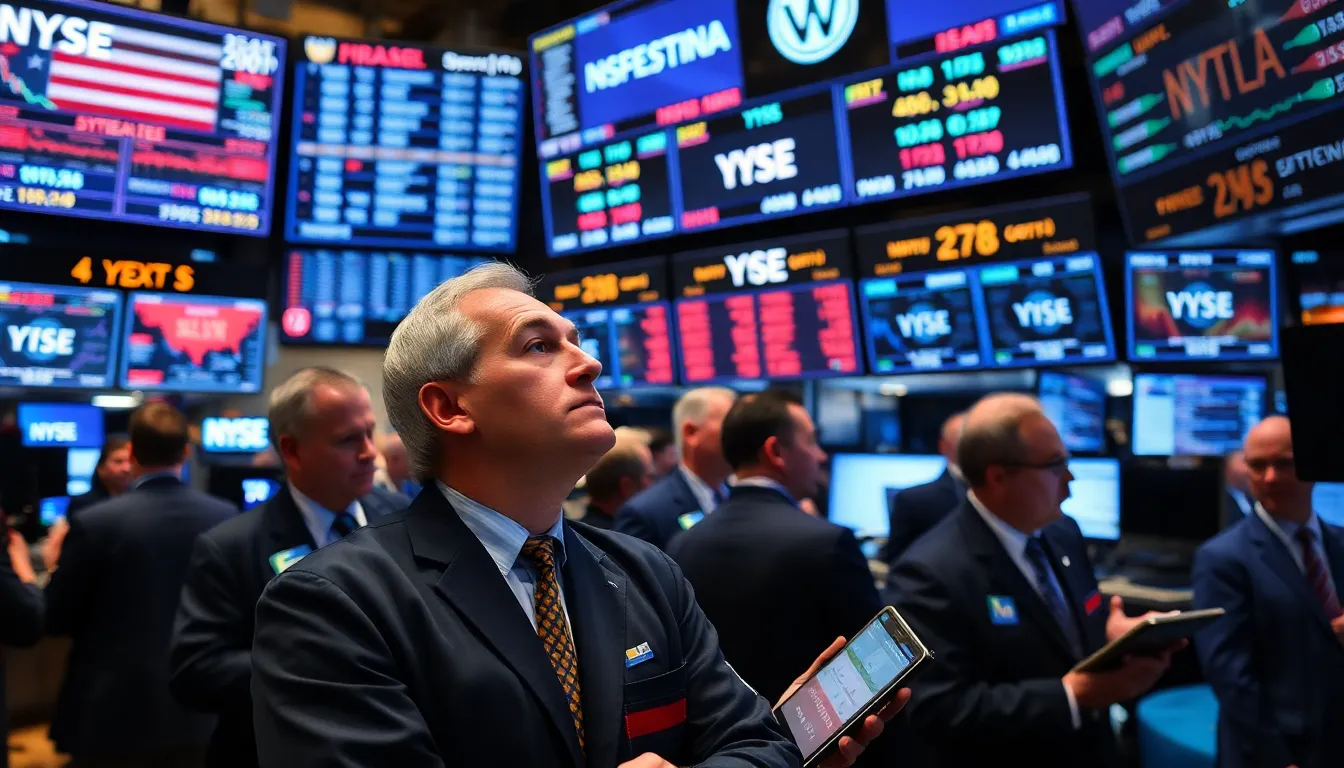
Frequently asked questions about Powell’s departure
Looking ahead: key takeaways and future outlook
As the markets navigate the implications of Jerome Powell’s prolonged tenure at the Federal Reserve, several critical factors emerge that will shape the economic landscape. Investors must remain vigilant as monetary policy adjustments and communication strategies evolve, potentially impacting market stability and growth trajectories.
Monitoring inflation trends, employment data, and geopolitical developments will be essential for anticipating the Fed’s next moves. The interplay between these factors and Powell’s cautious approach may create both challenges and opportunities for market participants in the coming months.
- Inflation Trends: Keep an eye on inflation indicators, as persistent inflation could prompt the Fed to adjust interest rates more aggressively.
- Employment Data: Watch for shifts in the labor market, which will influence the Fed’s policy decisions and overall economic health.
- Geopolitical Factors: Global events may impact U.S. economic stability, affecting the Fed’s strategy and market reactions.
- Market Sentiment: Pay attention to investor sentiment and market volatility, which can signal broader economic trends and potential shifts in policy direction.
- Communication from the Fed: Analyze Powell’s public statements for insights into future monetary policy and the Fed’s assessment of economic conditions.