
The victory marks Manchester City’s second consecutive ePremier League title, following their triumph in 2025. The team, comprised of skilled gamers representing the club, showcased exceptional teamwork and strategy throughout the tournament, ultimately clinching the championship with a decisive score of 4-2 in the final.
This achievement is significant not only for the club but also for the growing popularity of esports in the UK, as seen in articles like Northampton’s recent success. The ePremier League has attracted a wide audience, with millions tuning in to watch the matches live, highlighting the intersection of traditional sports and digital competition.
As Manchester City celebrates this victory, the implications for the club’s brand and fan engagement are substantial. The success in the ePremier League enhances their reputation as a forward-thinking organization, embracing new platforms to connect with supporters and expand their global reach.
The rise of esports and its impact on traditional football
Over the past decade, esports has transformed from a niche hobby into a global phenomenon, and events like Bilibili Gaming’s rise capture the attention of millions and generate significant revenue. This growth has paralleled the evolution of traditional sports, particularly football, as clubs and organizations begin to recognize the potential of engaging with younger audiences through digital platforms.
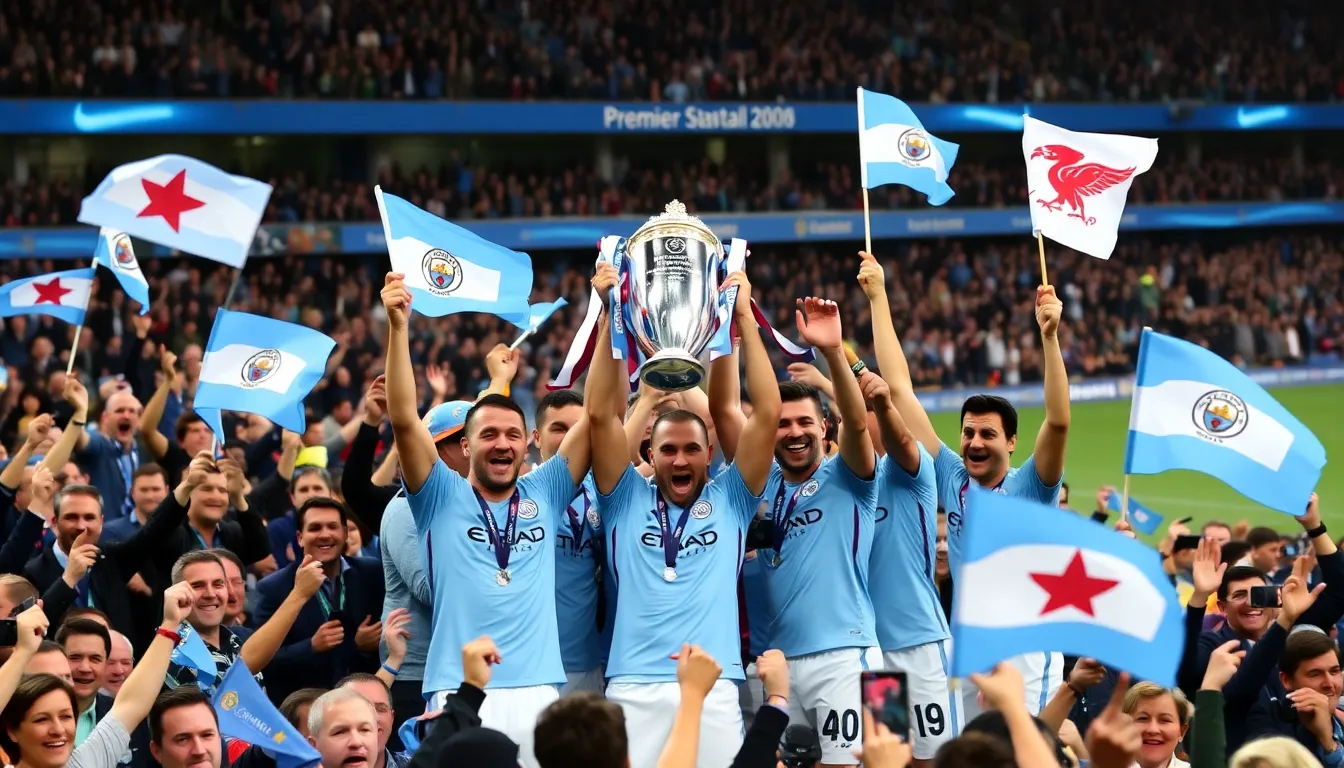
Manchester City, a club that has embraced this trend, has been at the forefront of integrating esports into its marketing strategy. The establishment of the ePremier League in 2019 marked a pivotal moment, allowing football clubs to compete in a virtual league based on the popular FIFA video game series. This initiative not only provided fans with a new way to connect with their favorite teams but also opened doors for players to showcase their skills on a global stage.
Key milestones in esports and football
The journey of esports within the realm of football has seen several significant milestones. In 2018, the FIFA eWorld Cup brought international attention to competitive gaming, with players from around the world vying for the title of world champion. This event laid the groundwork for the ePremier League, which has since grown in popularity, attracting sponsorships and viewership that rival traditional sports broadcasts.
Moreover, the COVID-19 pandemic accelerated the convergence of esports and traditional sports, as physical events were canceled and clubs sought innovative ways to engage fans. Virtual tournaments became a staple, allowing players and fans to participate in a shared experience despite physical distancing measures. Manchester City’s triumph in the 2026 ePremier League symbolizes not just their prowess in the virtual arena but also the broader acceptance of esports as a legitimate extension of football culture.
As the lines between traditional sports and esports continue to blur, the success of Manchester City in the ePremier League represents a significant milestone in this ongoing evolution. The club’s commitment to fostering talent in both realms illustrates a forward-thinking approach that could define the future of football in an increasingly digital world.
Key players and strategies that led to Manchester City’s victory
Manchester City’s triumph in the 2026 ePremier League can be attributed to a combination of strategic planning, skilled players, and supportive organizations, similar to Scotland’s recent strategic changes in their sporting ventures. Key stakeholders in this victory include the club’s management, the players, the eSports community, and the governing bodies overseeing the league.
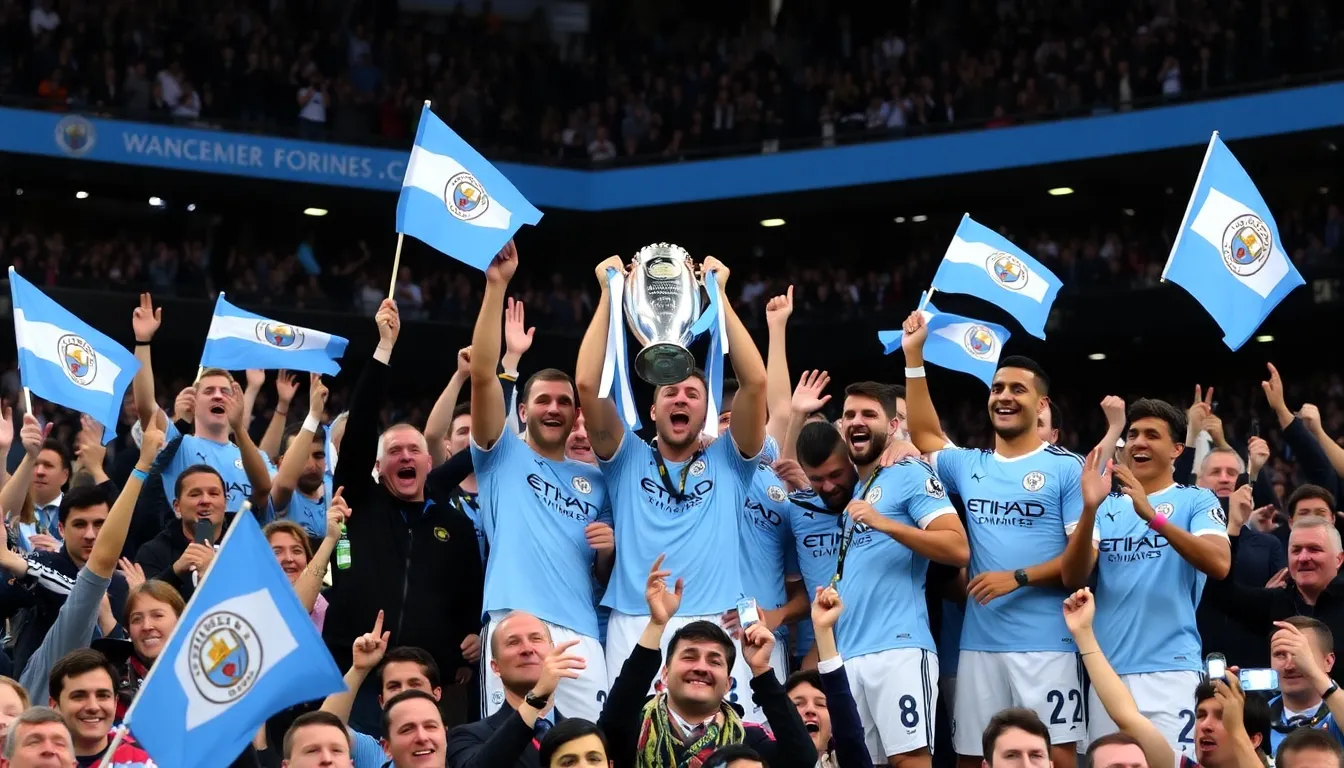
The management team at Manchester City played a crucial role in fostering a competitive environment. Their investment in top-tier talent and resources for training has significantly enhanced the team’s performance. This commitment not only reflects their ambition in traditional football but also their recognition of the growing importance of eSports.
Players such as the team’s captain and top scorer have become central figures in the ePremier League, showcasing exceptional skills and strategic gameplay. Their ability to adapt to the evolving dynamics of competitive gaming has set them apart from other teams. Moreover, the players’ engagement with fans through social media and streaming platforms has strengthened their brand and expanded their support base.
On a broader scale, the ePremier League itself is influenced by various stakeholders, including the Football Association and the Premier League. These organizations are focused on promoting eSports as a legitimate and profitable extension of traditional football. However, this growth brings challenges, such as ensuring fair play and addressing potential conflicts between traditional sports and digital platforms.
- Investment in Talent: Manchester City’s focus on recruiting skilled players has been pivotal.
- Community Engagement: The team’s efforts in connecting with fans have bolstered their popularity.
- Regulatory Challenges: The governing bodies must navigate the complexities of integrating eSports with traditional sports.
- Market Expansion: The rise of eSports presents economic opportunities and trade-offs for all stakeholders.
The implications of this win for Manchester City and the esports community
The victory of Manchester City in the 2026 ePremier League not only highlights the club’s prowess in traditional football but also underscores the growing influence of esports on various sectors. Key groups affected include fans, local businesses, and the broader esports community, all of whom stand to experience significant changes in their engagement and economic activities.
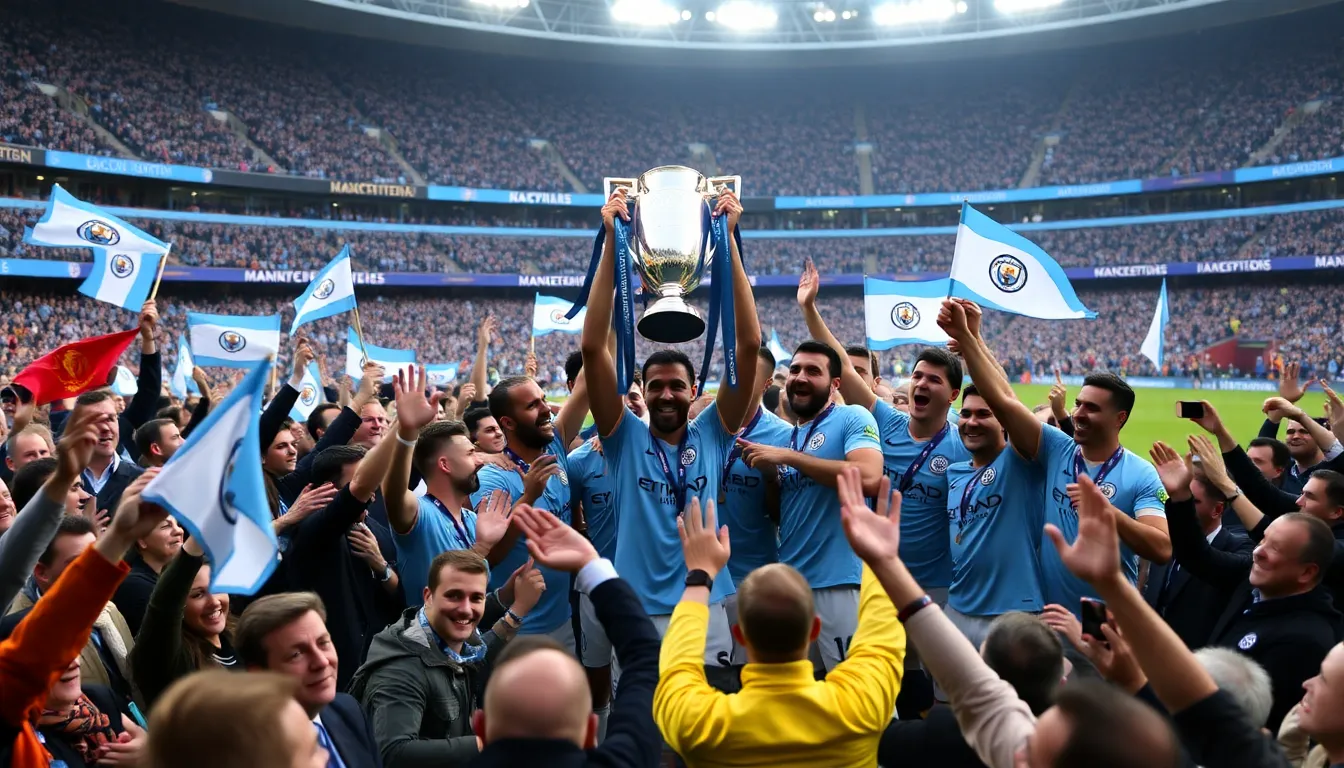
In the short term, Manchester City’s win is likely to boost local tourism and hospitality industries as fans flock to the city to celebrate and participate in related events. Local bars, restaurants, and hotels may see increased patronage, creating a ripple effect that benefits the entire region. Additionally, the club’s success can lead to heightened interest in esports, encouraging more youth participation in gaming and related activities.
In the mid-term, the implications extend to sponsorship and investment opportunities. Brands may seek to align themselves with Manchester City, leveraging the club’s success to enhance their visibility in the esports market. This could lead to an influx of sponsorship deals for both the club and individual players, fostering a more robust financial ecosystem within the esports sector.
- Increased local economic activity: Boost in tourism and hospitality.
- Youth engagement: Rise in interest and participation in esports.
- Sponsorship opportunities: Potential for new partnerships and investments.
However, there are also risks associated with this newfound prominence. The pressure to maintain success can lead to burnout among players, and the potential for increased scrutiny from regulators regarding esports practices may pose challenges. Additionally, the volatility of the esports market could result in fluctuations that impact long-term sustainability.
A: The ePremier League is an esports league that features professional football clubs competing in FIFA video games. It allows fans to engage with their favorite teams in a virtual setting. A: Teams compete in a series of matches, with points awarded based on performance. The top teams qualify for playoffs, culminating in a championship match. A: Key players included their star FIFA competitors who demonstrated exceptional skill and teamwork throughout the tournament, contributing significantly to their success. A: This championship solidifies Manchester City’s position as a leading force in esports, enhancing their brand and attracting new fans to both their football and esports divisions. A: Yes, the ePremier League is expected to continue annually, with more teams and players participating, further growing the competitive esports landscape.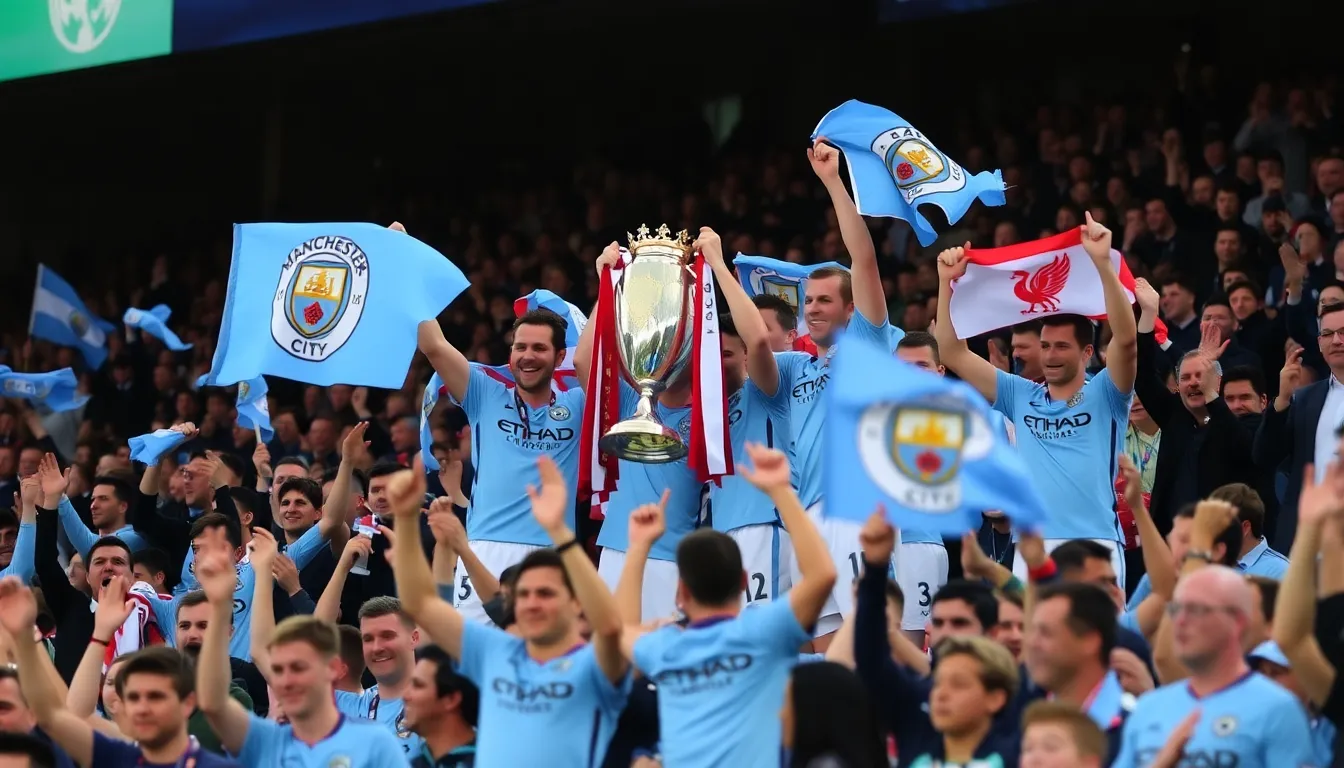
Frequently Asked Questions about the ePremier League
Looking ahead: What this championship means for the future
The crowning of Manchester City as the 2026 ePremier League Champions not only highlights their dominance in the virtual football arena but also sets a precedent for the evolving landscape of esports in the UK. This victory is likely to influence recruitment strategies, fan engagement initiatives, and the integration of technology within traditional sports frameworks.
As the ePremier League continues to gain traction, other clubs may feel the pressure to enhance their esports programs. The success of Manchester City could inspire a new wave of investment in player development, training facilities, and partnerships with tech companies to improve performance and viewer experience.
- Increased Investment: Expect more football clubs to invest in their esports divisions, recognizing the potential for revenue and brand expansion.
- Talent Development: The focus on nurturing young esports talent will likely grow, with clubs establishing dedicated academies and training programs.
- Fan Engagement: Clubs may enhance their digital platforms to engage fans through interactive experiences, live streams, and community events.
- Technology Integration: The blending of traditional sports and esports could lead to innovative uses of technology, enhancing both training and fan experiences.
- Competitive Landscape: Other teams will be motivated to elevate their game, making the ePremier League increasingly competitive and entertaining.