
The Scottish Football Association has emphasized the significance of this match, not only for team cohesion but also for testing new tactics. Coach Steve Clarke is expected to experiment with player formations, particularly in light of recent performances in the UEFA qualifiers.
In the lead-up to the game, injuries and player availability have become critical considerations. Key players such as Kieran Tierney and John McGinn are under scrutiny regarding their fitness levels, which could influence the team’s overall performance against a competitive Ivory Coast side.
Ivory Coast, known for their strong attacking play and skilled players, will pose a considerable challenge. This match will serve as a benchmark for Scotland to measure their readiness and adaptability against teams with different playing styles, making it a crucial test for the squad, which might be influenced by the political landscape.
Understanding the significance of the Ivory Coast match
The upcoming match between Scotland and the Ivory Coast carries significant weight, not only for the teams involved but also for the broader context of international football. This encounter is set against a backdrop of evolving football dynamics, where nations are increasingly leveraging international fixtures to bolster their global presence and foster diplomatic ties.
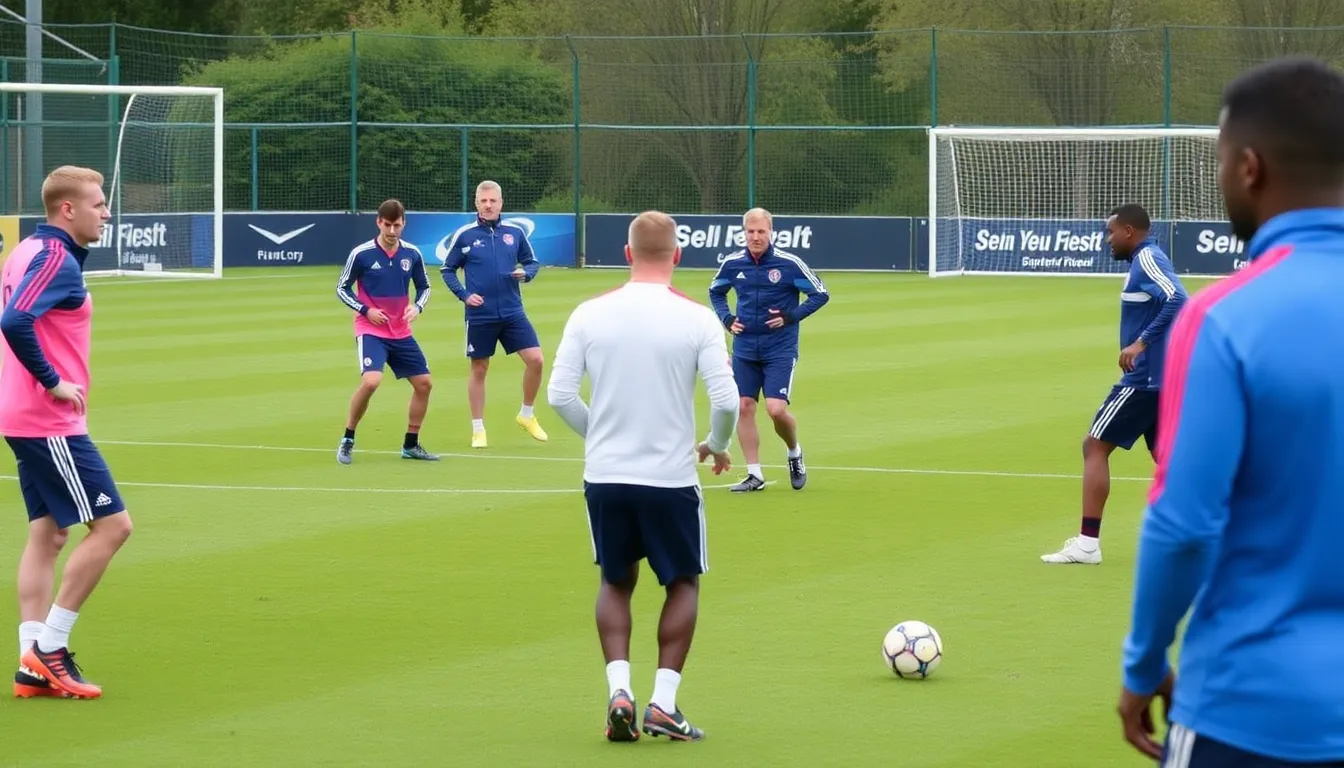
Historically, Scotland has been a prominent player in the world of football, with a rich heritage that dates back to the late 19th century. The national team has experienced varying degrees of success, including participation in several World Cups and European Championships. In contrast, the Ivory Coast has emerged as a powerhouse in African football, particularly in the 2000s, marked by their qualification for multiple World Cups and a strong showing in the Africa Cup of Nations.
Political and Economic Context
The political landscape in both countries also plays a role in the significance of this match. For Scotland, football serves as a unifying force, especially during times of political uncertainty regarding independence and identity. The Ivory Coast, on the other hand, has faced political turmoil in the past, impacting its footballing infrastructure and development. The match presents an opportunity for both nations to showcase their resilience and commitment to sport as a means of cultural expression and international dialogue.
Economically, football has become a substantial industry in both nations. For Scotland, the sport generates significant revenue through tourism, broadcasting rights, and sponsorships. Meanwhile, the Ivory Coast has seen its football sector grow as a source of national pride and economic opportunity, particularly through the export of talent to European leagues. This match could serve as a platform for both teams to attract investment and support for their respective football programs.
As both teams prepare for this encounter, the implications extend beyond the pitch. The match represents a chance for Scotland to assess its squad and tactics ahead of future competitions, while the Ivory Coast aims to reinforce its status as a leading African football nation. Ultimately, the significance of this fixture lies in its potential to influence the trajectories of both teams in the international football landscape.
Key players and strategies Scotland may adjust
As Scotland prepares for its upcoming test against Ivory Coast, several key players and organizations are poised to influence the outcome. The Scottish Rugby Union (SRU) is at the forefront, focusing on enhancing team performance and ensuring player welfare. Their strategies may include adjustments in training regimens and game tactics to better align with the strengths and weaknesses of the Ivory Coast team.

Another significant actor is the coaching staff, led by head coach Gregor Townsend. Townsend’s decisions regarding player selection and game strategy will be critical. He must balance the need for a competitive edge with the development of younger players, which could lead to potential conflicts within the squad as experienced players vie for positions.
Furthermore, the players themselves are crucial stakeholders, each with their individual interests ranging from personal performance to team success. The dynamics within the team can create trade-offs; for instance, prioritizing a strong starting lineup may come at the expense of providing opportunities for emerging talent. This balancing act is essential for both immediate results and long-term development.
- Player Selection: The choice between experienced players versus younger talent may create internal friction.
- Tactical Adjustments: Scotland may need to modify their playing style to counter Ivory Coast’s unique strengths.
- Injury Management: Ensuring key players are fit while managing injuries is a significant concern for the coaching staff.
- Fan Expectations: Balancing the hopes of fans for a strong performance with the realities of player capabilities can influence decision-making.
- Financial Implications: Success in this test may have economic ramifications, including sponsorships and future funding for the SRU.
How changes could affect Scotland’s performance
The upcoming test match against Ivory Coast presents a significant opportunity for Scotland, impacting various sectors and communities. The sports industry, local businesses, and tourism are among the primary groups that could feel the effects of this event. As Scotland prepares for the match, the ripple effects could be felt across the nation.
In the short term, local businesses, particularly those in hospitality and retail, may experience a boost in sales as fans flock to watch the game. Pubs, restaurants, and hotels in proximity to the match venue are likely to see increased foot traffic, leading to higher revenues. This surge can be particularly beneficial for small businesses that rely on events to drive customer engagement.

Additionally, the sporting community in Scotland may see a renewed interest in rugby, potentially leading to increased participation at grassroots levels. Schools and clubs may witness a rise in enrollment as young athletes are inspired by the national team’s performance, fostering a stronger sports culture.
However, there are risks associated with increased attention on the match. If Scotland performs poorly, it could dampen enthusiasm and affect local morale, potentially leading to a decline in engagement with the sport. Furthermore, the logistical challenges of hosting a high-profile event could strain local resources and infrastructure, particularly if there are unexpected issues with crowd management or security.
In the mid-term, successful performances could open doors for Scotland in the international rugby arena, attracting sponsorships and investments. This could lead to enhanced training facilities and better support for athletes, ultimately benefiting the sport’s development. The potential for hosting more international matches could also elevate Scotland’s profile as a destination for major sporting events.
- Boost in local business revenues
- Increased interest in grassroots sports
- Potential for international sponsorships
- Risks of logistical challenges
- Impact on community morale
A: Scotland is looking at potential adjustments in their lineup and tactical approach to better match Ivory Coast’s playing style. A: Several players are under consideration, including those who have shown strong performances in recent matches and could provide a tactical advantage. A: This match is crucial for Scotland as it offers a chance to test new strategies and build team cohesion ahead of future competitions. A: Scotland has shown mixed results in recent matches, prompting the need for adjustments to improve their competitiveness. A: The outcome of this match could significantly influence Scotland’s international ranking and confidence moving forward.
Frequently asked questions about Scotland’s test changes
Looking ahead: Scotland’s strategy for success
As Scotland prepares for their upcoming test against Ivory Coast, several strategic adjustments are likely to play a crucial role in determining the outcome. The team will need to leverage their strengths while addressing any weaknesses exposed in previous matches. This blend of tactical awareness and adaptability will be essential for securing a favorable result.
Key areas to monitor include player selection, formation changes, and the implementation of new strategies that could exploit the Ivory Coast’s vulnerabilities. By focusing on these elements, Scotland can enhance their performance and increase their chances of success in this pivotal encounter.
- Watch for potential changes in the starting lineup that may reflect a more aggressive or defensive approach.
- Expect tactical adjustments that aim to counteract the Ivory Coast’s key players and exploit their defensive gaps.
- Pay attention to the effectiveness of set pieces, as they could provide critical scoring opportunities.
- Monitor the impact of player fitness and recovery on overall team performance, especially in high-pressure situations.
- Consider the role of leadership on the pitch, which may influence team cohesion and resilience during the match.