
The path, known as the England Coast Path, was inaugurated on August 1, 2023, and allows walkers to explore diverse landscapes, from rugged cliffs to tranquil beaches. This initiative, backed by the National Trust and various local councils, highlights a collaborative effort to preserve natural habitats and improve recreational facilities.
With the completion of this path, visitors can now traverse the entire coastline, experiencing the rich cultural heritage and biodiversity that England has to offer. The project, which aligns with efforts to boost local economies, particularly in coastal towns that rely on tourism, is expected to attract more visitors eager to enjoy the scenic routes.
This opening comes at a crucial time, as there is a growing emphasis on outdoor activities and sustainable tourism in the wake of the COVID-19 pandemic. The path not only provides a safe space for physical exercise but also encourages a deeper connection with nature, fostering environmental stewardship among walkers.
Understanding the significance of the coastal path
The opening of the world’s longest coastal path in England marks a significant milestone in the country’s commitment to environmental conservation and public access to natural spaces. This initiative, known as the England Coast Path, is a product of decades of advocacy for improved access to the coastline, which has historically been restricted due to private land ownership and development pressures.
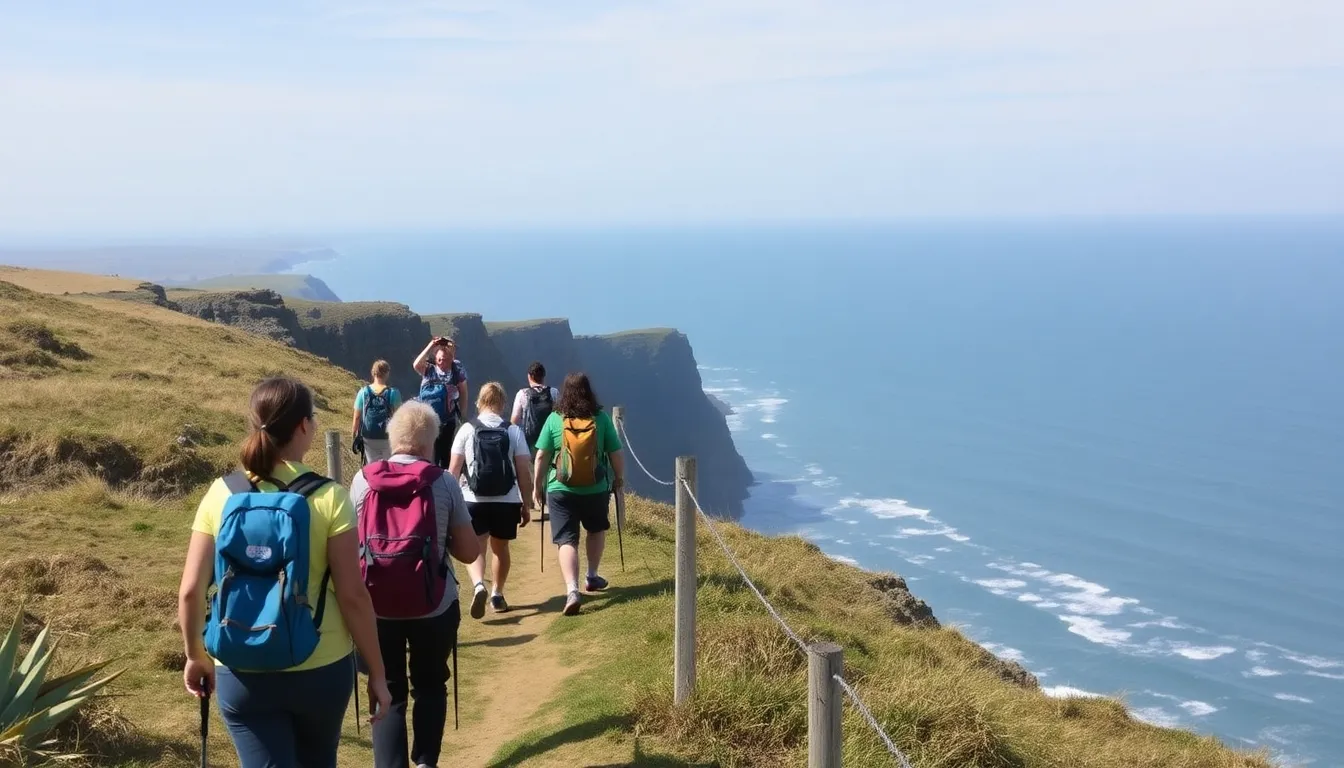
Historically, the coastal areas of England were often inaccessible to the public, with many stretches of land owned by private entities. The Countryside and Rights of Way Act 2000 was a pivotal moment in changing this narrative, as it laid the groundwork for expanding public access to rural and coastal areas. This legislation highlighted the importance of outdoor spaces for public health, recreation, and tourism, setting the stage for the development of the coastal path.
In the years that followed, various local and national organizations collaborated to survey and map the coastline, identifying paths that could be opened to the public. The project faced numerous challenges, including negotiations with landowners and environmental assessments to ensure that the path would not disrupt local wildlife or habitats. Despite these hurdles, significant progress was made, and in 2012, the path was officially recognized as a national project.
Economic and Social Impact
The economic implications of the coastal path are profound, as it is expected to boost local economies through increased tourism and outdoor activities. Communities along the route stand to benefit from the influx of visitors, who will seek accommodations, dining, and recreational services. Socially, the path promotes healthier lifestyles by encouraging walking and outdoor engagement, fostering a deeper appreciation for England’s natural beauty.
As the path opens, it serves as a testament to the collective efforts of environmentalists, local communities, and policymakers who recognized the need for greater access to the coastline. This development not only enhances recreational opportunities but also reinforces the importance of preserving natural landscapes for future generations.
Key stakeholders and issues surrounding the path
The opening of the world’s longest coastal path in England has attracted a variety of stakeholders, each with their own interests and concerns. Key actors include local governments, environmental organizations, tourism businesses, and the general public. Each of these groups plays a significant role in shaping the future of the coastal path and its impact on the surrounding areas.
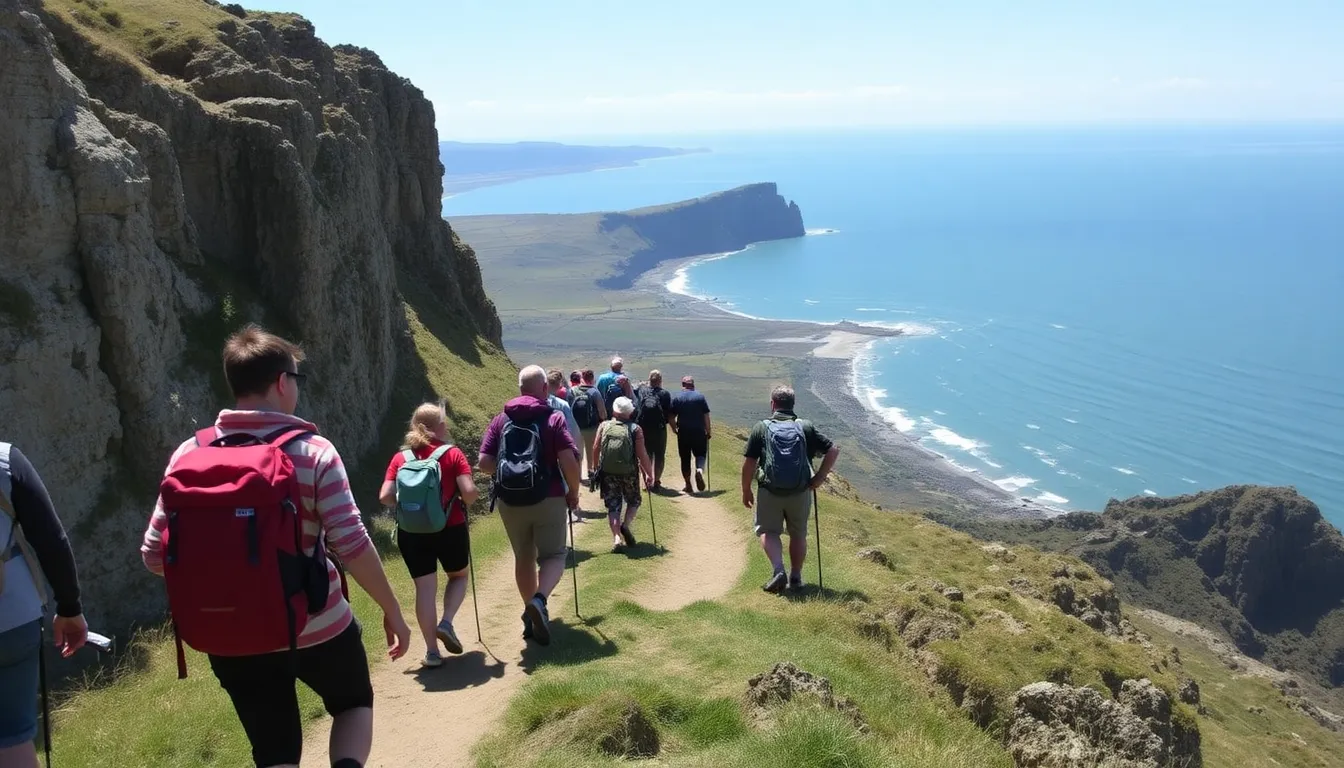
Local governments are primarily interested in the economic benefits that the path can bring to their regions. They aim to boost tourism, create jobs, and enhance local infrastructure. However, they must balance these economic interests with the need to protect natural habitats and maintain the integrity of coastal ecosystems, which can lead to conflicts with development initiatives.
Environmental organizations are focused on conservation and sustainability. Their primary concern is ensuring that the path does not harm wildlife or fragile coastal environments. They advocate for responsible management practices and may oppose certain developments that threaten these areas. This can create tension with local businesses that see potential profit in expanding tourism-related activities.
- Economic growth: Local businesses advocate for the path to increase foot traffic and revenue.
- Environmental protection: Conservation groups push for regulations to safeguard natural habitats.
- Public access: The general public seeks open access to enjoy the path while balancing the need for protection of sensitive areas.
- Legal considerations: Ongoing discussions about land rights and usage may arise as the path traverses private and public lands.
- Infrastructure development: Increased tourism may necessitate improvements in local infrastructure, raising concerns about overdevelopment.
In summary, the opening of the coastal path represents a complex interplay of interests among various stakeholders. While the potential for economic growth is significant, it must be carefully weighed against environmental sustainability and community needs. The ongoing dialogue among these actors will be crucial in determining the path’s long-term success and impact on the region.
The impact on local communities and tourism
The opening of the world’s longest coastal path in England is set to significantly affect various groups, particularly local communities, tourism operators, and environmental organizations. The path stretches over 2,700 miles, providing unprecedented access to coastal landscapes, which can enhance the quality of life for residents and attract visitors from around the globe.
In the short term, local businesses, especially those in the hospitality and retail sectors, are likely to experience a surge in demand. Cafés, restaurants, and accommodation providers in coastal towns could see increased foot traffic as hikers and tourists flock to the area. This influx can lead to a boost in sales and job creation, fostering economic growth in regions that may have previously struggled.
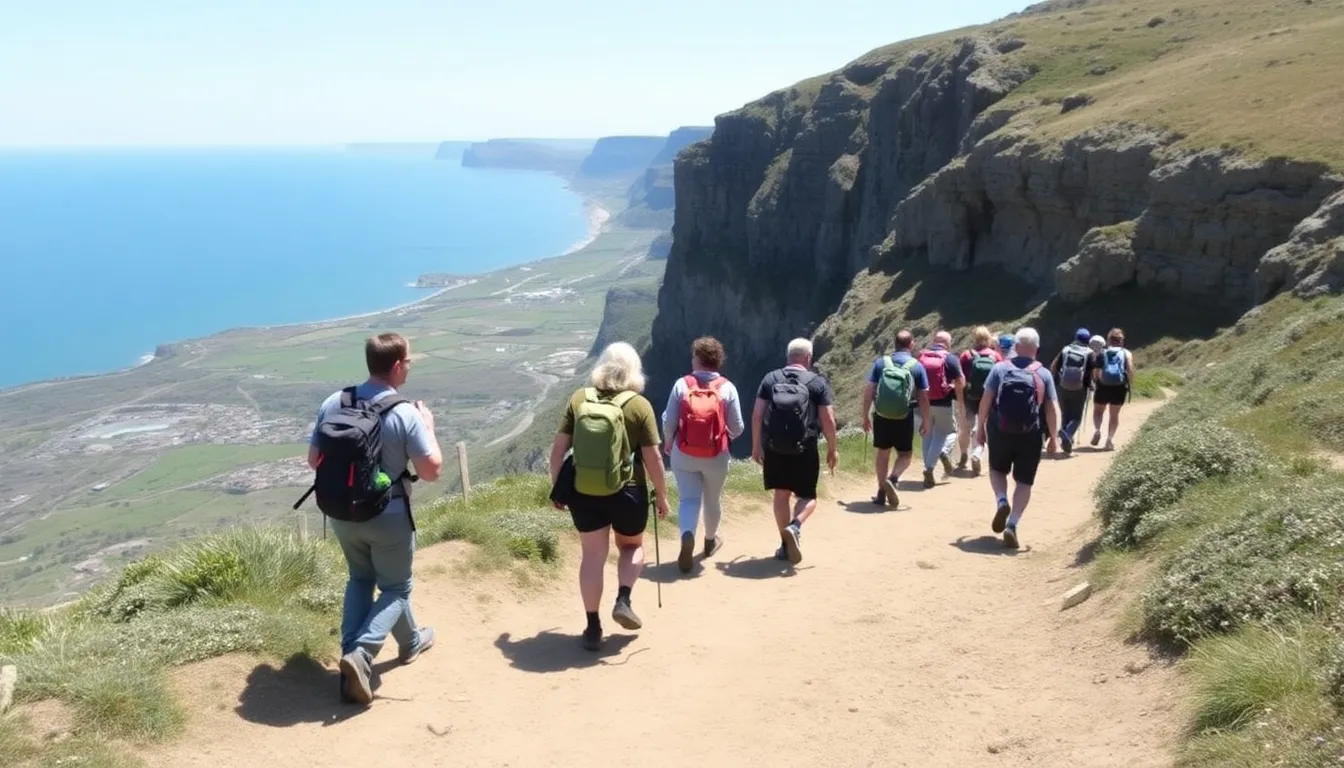
However, the increased footfall also presents challenges. Local communities may face issues related to overcrowding, particularly during peak tourist seasons. Infrastructure, such as public transport and parking facilities, may need to be upgraded to accommodate the growing number of visitors. Additionally, there are concerns about environmental degradation, as more people on the trails could lead to erosion and littering.
In the mid-term, the path could influence policy decisions related to land use and conservation. Local governments might need to implement regulations to protect natural habitats and manage tourism sustainably. This could lead to partnerships between local authorities and conservation groups, creating opportunities for collaborative projects aimed at preserving the coastal environment.
- Opportunities: Increased tourism revenue, job creation, and community engagement.
- Risks: Environmental degradation, infrastructure strain, and potential conflicts between locals and tourists.
- Policy implications: Need for sustainable tourism strategies and conservation efforts.
A: The coastal path stretches over 2,700 miles, making it the longest in the world, providing diverse landscapes and experiences. A: The path begins in Minehead, Somerset, and ends in Poole, Dorset, covering various coastal regions along the way. A: Visitors can engage in walking, cycling, birdwatching, and enjoying the scenic beauty of the coastline. A: Yes, there are numerous access points, rest areas, and local amenities to support visitors along the route. A: You can plan your visit by checking local tourism websites for maps, suggested itineraries, and accommodation options.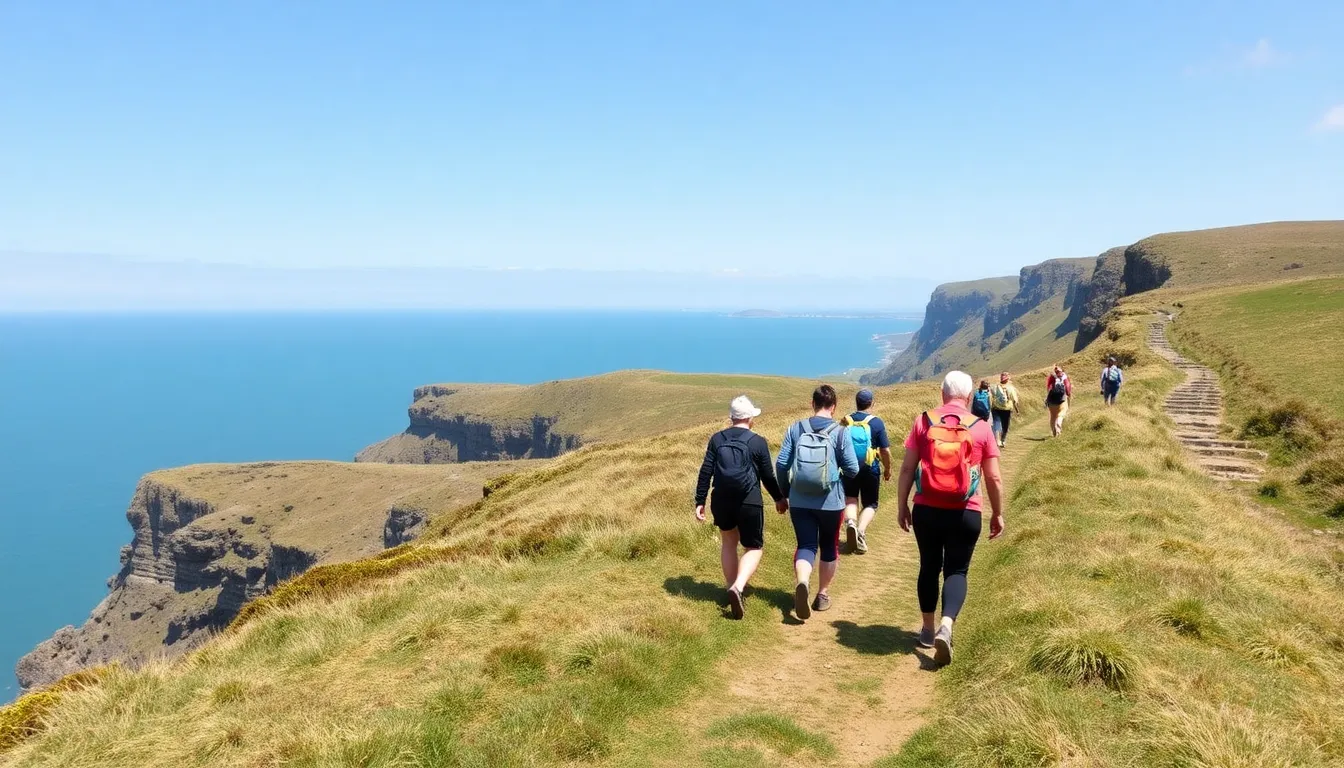
Frequently asked questions about the coastal path
Insights on the future of the coastal path
The opening of the world’s longest coastal path in England marks a significant milestone in enhancing outdoor accessibility and promoting sustainable tourism. As this path becomes a focal point for both locals and visitors, it is poised to impact local economies, conservation efforts, and community engagement in coastal regions. The path not only serves as a recreational opportunity but also as a catalyst for environmental awareness and preservation of coastal ecosystems.
Looking ahead, the interaction between increased foot traffic and the natural environment will be crucial. Stakeholders must balance tourism growth with the need to protect fragile coastal habitats. Additionally, the path presents an opportunity for local businesses to thrive by catering to the needs of hikers and nature enthusiasts, further embedding the coastal path into the cultural and economic fabric of the regions it traverses.
- Economic Growth: Local businesses may see increased revenue from tourism, requiring strategic planning to accommodate this influx.
- Environmental Stewardship: Ongoing efforts will be needed to ensure that the path’s popularity does not compromise coastal ecosystems.
- Community Involvement: Local communities can engage in stewardship programs to maintain the path and promote conservation efforts.
- Health and Wellbeing: The path provides an opportunity for enhanced public health through increased outdoor activities and access to nature.
- Future Expansion: The success of this path may inspire similar projects globally, encouraging the development of additional coastal routes.