
This new approach is designed to deter individuals from engaging in fly-tipping by making them accountable for the clean-up process. Local councils have reported a rise in illegal dumping incidents, with statistics indicating that over 1 million cases were recorded in the past year alone, prompting the need for stricter enforcement and innovative solutions.
Authorities emphasize the importance of community involvement in tackling this issue, as fly-tipping not only poses environmental hazards but also affects public health and local aesthetics. By mandating that offenders clear their waste, councils hope to foster a sense of responsibility and encourage citizens to report illegal dumping activities.
In addition to the clean-up requirement, local governments are increasing fines and enhancing surveillance measures to identify and penalize repeat offenders. These efforts reflect a broader commitment to maintaining cleaner public spaces and protecting local ecosystems from the detrimental effects of improperly disposed waste.
Understanding the rise of fly tipping incidents
Fly tipping, the illegal dumping of waste, has become a significant issue in many urban and rural areas across the globe. Historically, the roots of this problem can be traced back to the increase in consumerism and the corresponding rise in waste generation. As societies have evolved, particularly during the late 20th century, the volume of discarded materials has surged, often outpacing the capacity of waste management systems.
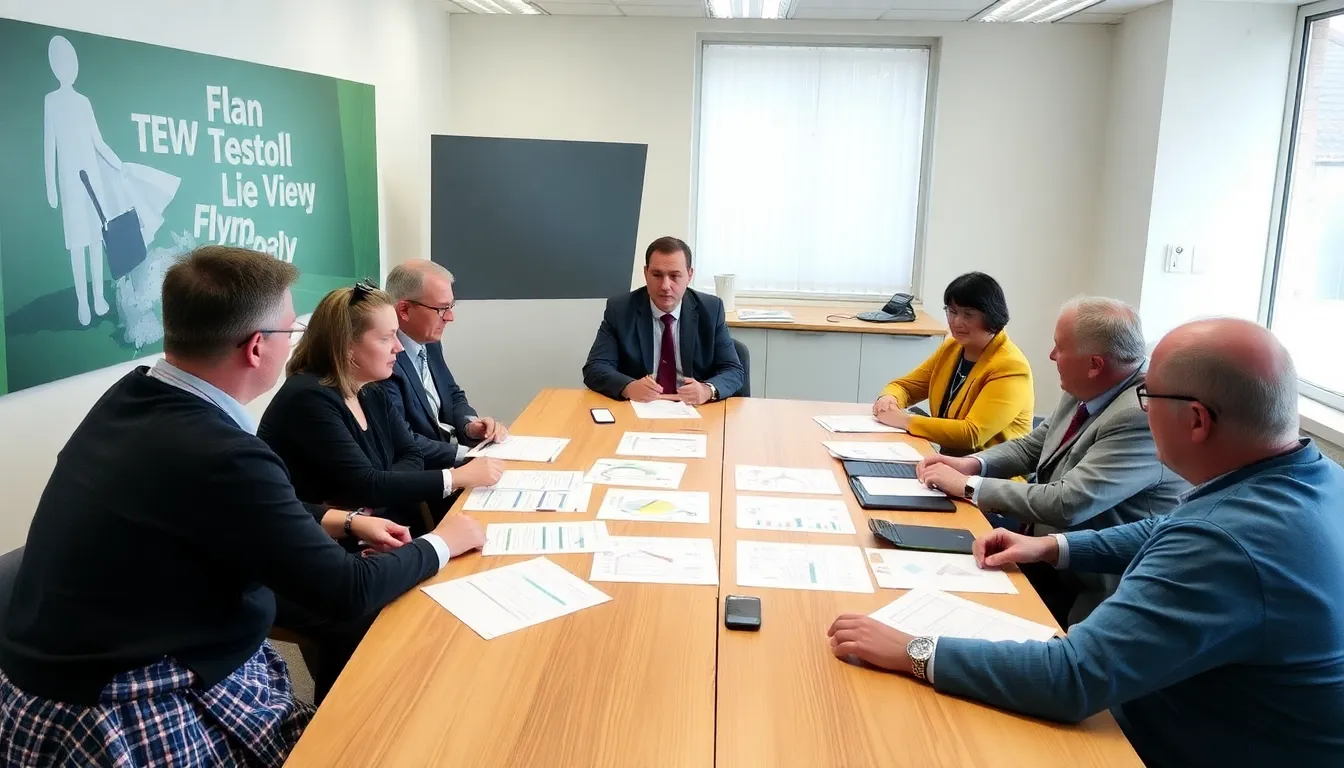
In the UK, legislative measures aimed at waste management have seen various transformations over the years. The introduction of the Environmental Protection Act in 1990 marked a pivotal moment, establishing clearer responsibilities for waste disposal. However, despite these regulations, the enforcement has often lagged, leading to a culture where fly tipping has been perceived as a low-risk crime. Economic factors, such as rising disposal fees and cuts to local council budgets, have further exacerbated the issue, making it easier for individuals to resort to illegal dumping. Social attitudes towards waste have also shifted.
Social attitudes towards waste have also shifted. In some communities, fly tipping has become normalized, with individuals viewing it as a convenient solution to avoid disposal costs. This is particularly evident in areas where public awareness campaigns about responsible waste disposal have been insufficient. The stigma associated with fly tipping has diminished, contributing to an increase in incidents.
Key Milestones in Fly Tipping Legislation
Several key milestones have shaped the legal landscape surrounding fly tipping. In 2014, the UK government introduced the Anti-Social Behaviour, Crime and Policing Act, which provided local authorities with enhanced powers to tackle fly tipping. More recently, in 2021, new measures were proposed to hold offenders accountable by requiring them to clear their own rubbish as a form of punishment. This shift aims not only to deter future offenses but also to instill a sense of responsibility among individuals regarding their waste.
As fly tipping continues to pose challenges for local councils and communities, understanding the historical and socio-economic factors that have contributed to its rise is crucial. By addressing these underlying issues, authorities hope to create more effective strategies to combat this growing problem.
Key stakeholders involved in waste management
In the ongoing battle against fly-tipping, several key stakeholders play a crucial role in shaping policies and addressing the issue. These include local governments, environmental agencies, community organizations, and the individuals who engage in illegal dumping. Each actor has distinct interests and motivations that influence their actions and responses to fly-tipping incidents.

Local governments are primarily focused on maintaining public health and safety, as well as preserving the environment. They are tasked with implementing waste management policies and ensuring that public spaces remain clean. Their interests often clash with those of fly-tippers, who disregard regulations for personal gain, leading to increased costs for local authorities in terms of cleanup and enforcement.
Environmental agencies, such as the Environment Agency in the UK, have a vested interest in protecting natural resources and enforcing environmental laws. They advocate for stricter penalties and heightened awareness about the consequences of fly-tipping. However, these efforts may face challenges due to limited funding and resources, which can hinder effective enforcement and education campaigns.
Community organizations often work on the ground to raise awareness and mobilize residents against fly-tipping. They may engage in cleanup initiatives and advocate for stronger local policies. Their involvement highlights the social impact of fly-tipping, as it can lead to community disillusionment and decreased property values. However, these groups may struggle to gain the necessary support from local governments to implement long-term solutions.
- Legal issues: The enforcement of existing laws may be inconsistent, leading to confusion about penalties and responsibilities.
- Economic factors: The costs associated with cleanup efforts can strain local budgets, prompting debates over resource allocation.
- Public perception: Fly-tipping can create a negative image of communities, affecting local businesses and property values.
- Environmental impact: Illegal dumping poses significant risks to ecosystems and public health, necessitating urgent action.
- Collaboration: Effective waste management requires cooperation between various stakeholders, which can be challenging to achieve.
Consequences for communities and the environment
The issue of fly tipping affects various groups, including local communities, environmental organizations, and waste management industries. Residents in affected areas often deal with the immediate visual and health impacts of illegal dumping, while local councils face increased pressure to maintain clean public spaces.
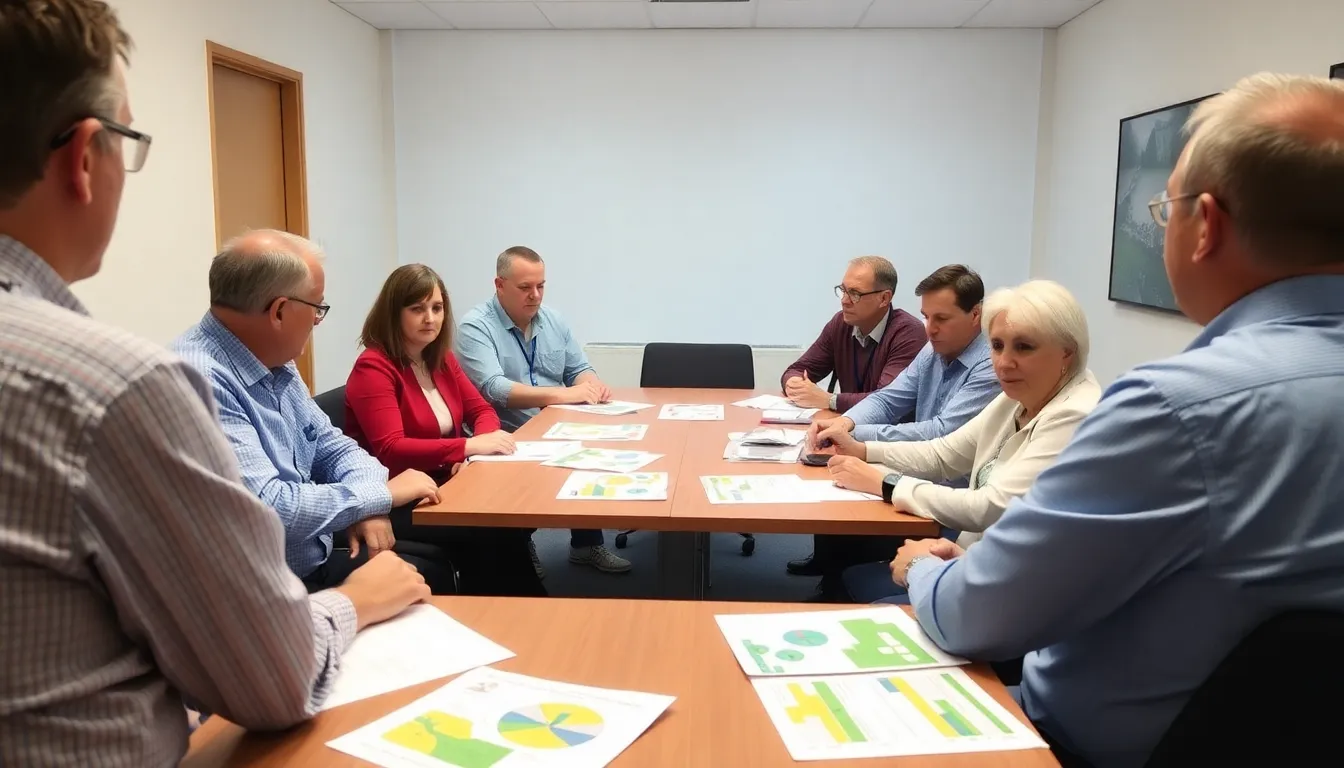
In the short term, communities may experience a decline in property values and a decrease in local tourism, as unsightly rubbish can deter visitors. Local businesses may also suffer from reduced foot traffic, impacting their revenue. The waste management sector will likely see increased operational costs as councils allocate more resources to clean-up efforts.
Mid-term impacts could include changes in local policy, as municipalities may implement stricter regulations and penalties for fly tipping. This could lead to increased community engagement in environmental stewardship, as residents become more vigilant and proactive in reporting illegal dumping.
- Risks: Increased financial burden on local governments and potential health hazards for communities.
- Opportunities: Enhanced community cohesion and potential job creation in waste management and environmental services.
As communities adapt to these changes, there may be a shift towards more sustainable waste management practices, fostering innovation in recycling and waste reduction initiatives. This could ultimately lead to a cleaner environment and a stronger sense of community responsibility.
A: Fly tipping refers to the illegal dumping of waste on land that is not licensed to accept it. This practice can lead to significant environmental damage and legal consequences. A: Local authorities will monitor areas prone to fly tipping and may employ surveillance measures to catch offenders. Fines and community service requirements are also part of the enforcement strategy. A: Offenders may face fines and will be required to clean up the waste they dumped. This aims to hold individuals accountable for their actions. A: Yes, members of the public can report fly tipping to local authorities. Providing details such as location and descriptions can help in addressing the issue. A: Fly tipping can lead to pollution, harm wildlife, and degrade natural habitats. It also poses health risks to communities if hazardous materials are involved.
Frequently asked questions about fly tipping penalties
Future outlook on waste management policies
The recent initiative to impose penalties on fly tippers by requiring them to clean up their own rubbish marks a significant shift in waste management strategies. This approach not only holds individuals accountable but also aims to deter future offenses by emphasizing personal responsibility. As municipalities consider similar measures, the effectiveness of this policy will be closely monitored, potentially leading to broader adoption across various regions.
Furthermore, this policy could encourage community engagement in waste management, as local residents may become more vigilant in reporting illegal dumping. The implications of these changes could reshape public attitudes towards waste disposal and environmental stewardship, paving the way for more sustainable practices in the long term.
- Increased accountability: Individuals may think twice before illegally dumping waste, knowing they could face personal repercussions.
- Community involvement: Enhanced local reporting and monitoring could emerge, fostering a collective responsibility for waste management.
- Policy replication: Successful outcomes in one area may lead to similar initiatives in other jurisdictions, creating a ripple effect.
- Public awareness: Heightened discussions around waste disposal methods could lead to more educational campaigns on responsible waste management.