
This accolade not only highlights London’s cultural assets but also underscores the economic benefits that a thriving cultural scene can bring, making it essential to explore how these factors interplay with local initiatives.
Key actors in this achievement include local government officials and cultural organizations that have worked collaboratively to promote and support the arts. Initiatives aimed at improving accessibility to cultural experiences have been particularly noteworthy, ensuring that a diverse audience can engage with the city’s offerings. As a result, London has seen increased participation in cultural activities, contributing to its appeal as a global destination.
This recognition also raises questions about the sustainability of cultural funding and support in the face of ongoing economic challenges. As cities navigate post-pandemic recovery, maintaining investment in the arts will be crucial for preserving the vibrancy that has earned London its esteemed status. Stakeholders are now encouraged to reflect on how to continue fostering a rich cultural landscape amidst changing circumstances.
Understanding the factors that contribute to London’s cultural prominence
Over the years, London has been a melting pot of ideas, art, and innovation, attracting people from diverse backgrounds and fostering a unique cultural identity, reminiscent of the dynamic atmosphere seen during the swinging sixties.
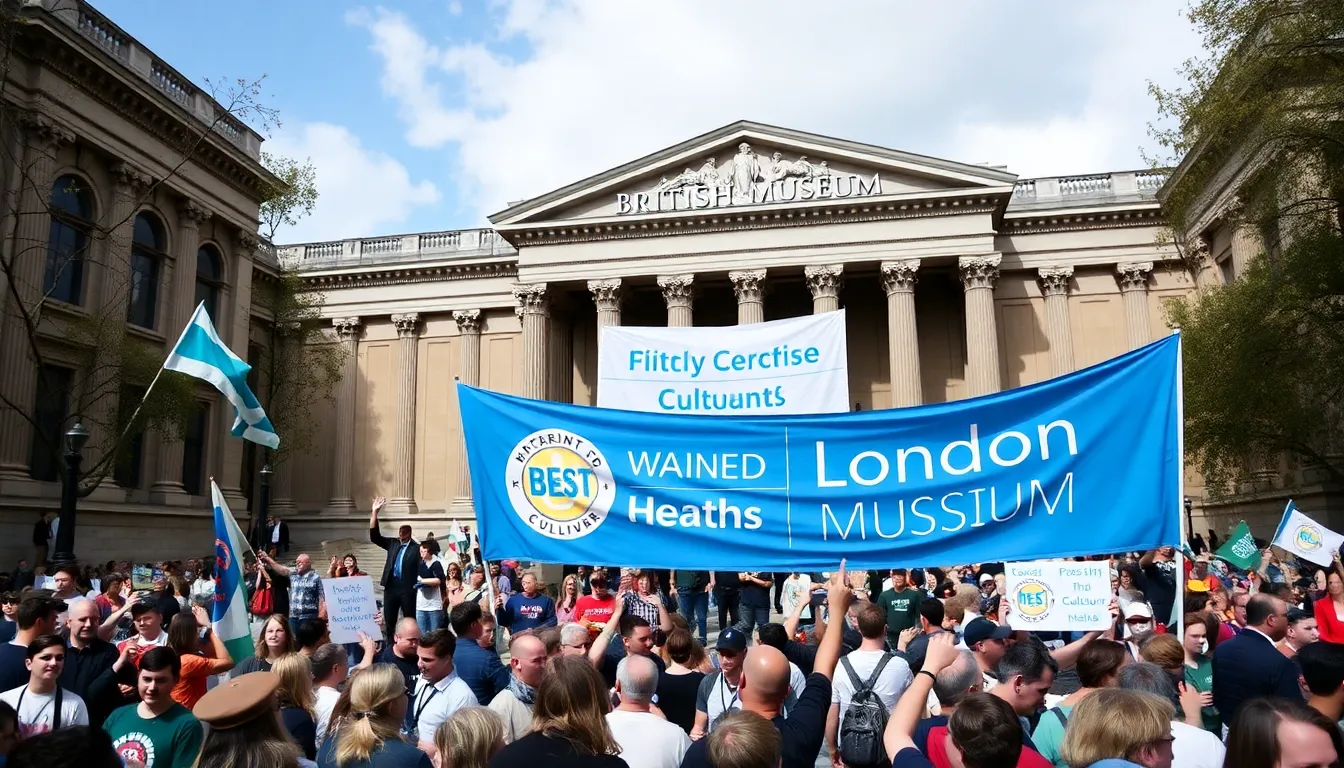
One of the key milestones in London’s cultural journey was the establishment of institutions such as the British Museum in 1753, which became a beacon of knowledge and heritage. This institution, along with others like the National Gallery and the Tate Modern, has played a crucial role in preserving and showcasing art and artifacts from around the world. The proliferation of such institutions has not only enriched the city’s cultural landscape but has also made it accessible to the public, encouraging a deeper appreciation of the arts.
Political factors have also significantly influenced London’s cultural scene. The city’s role as the capital of the United Kingdom has made it a focal point for political and social movements. The swinging sixties, for example, saw London emerge as a center for counterculture, with music, fashion, and art reflecting the changing societal norms. This period of transformation laid the groundwork for future generations of artists and creators, further solidifying London’s reputation as a cultural powerhouse.
The Economic Impact of Culture
Events like the London Film Festival and the Notting Hill Carnival not only celebrate cultural diversity but also attract tourists from around the globe, boosting local businesses and enhancing the city’s international profile, similarly to how the British Museum has enriched the cultural landscape.
In conclusion, London’s ascension to the title of the best city in the world for culture is the result of a confluence of historical significance, political evolution, and economic investment in the arts. As the city continues to evolve, it remains committed to fostering a vibrant cultural environment that honors its past while embracing the future.
Key stakeholders and issues surrounding London’s cultural landscape
London’s recognition as the best city in the world for culture involves a diverse array of stakeholders, each with distinct interests and motivations. Key actors include local government bodies, cultural institutions, artists, and the tourism sector. These stakeholders play crucial roles in shaping the cultural environment and ensuring its sustainability.
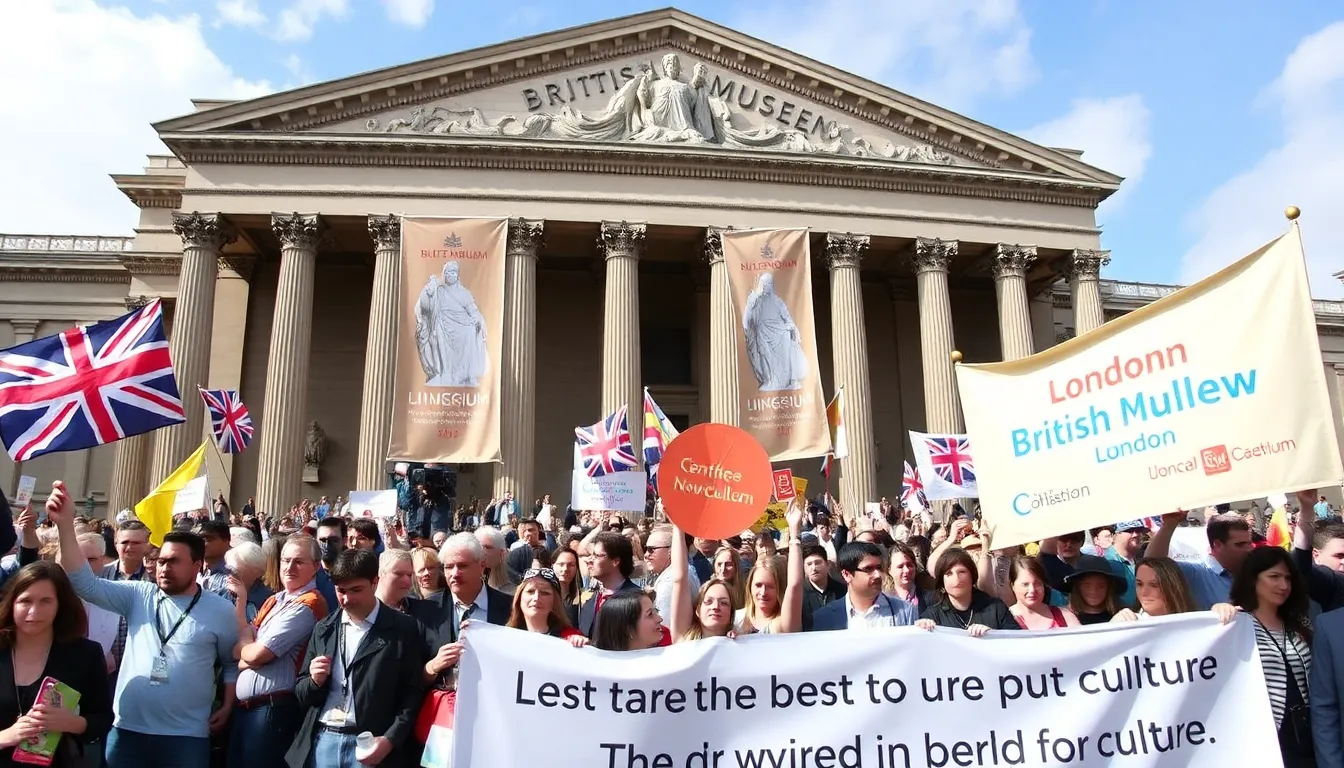
Local government agencies, such as the Greater London Authority, are primarily interested in promoting cultural initiatives that enhance the city’s global reputation and attract tourism. Their focus often lies in funding and supporting arts programs, as well as maintaining public spaces that host cultural events. However, budget constraints can lead to conflicts over resource allocation, particularly between cultural funding and other public services.
Cultural institutions, including museums, galleries, and theaters, are vital in curating and presenting London’s diverse cultural offerings. These organizations often compete for funding and audience attention, which can create trade-offs in programming. For instance, smaller, independent galleries may struggle to gain visibility against larger, more established institutions, raising concerns about cultural equity and representation.
Artists and creators are central to London’s cultural landscape, yet they face challenges related to affordability and workspace availability. The rise in property prices has led to a significant displacement of creative communities, which poses a threat to the city’s cultural diversity. This situation has sparked debates about the need for policies that protect and support artists, ensuring they can continue to contribute to the cultural fabric of the city.
- Economic impact: The cultural sector significantly contributes to London’s economy, yet it requires ongoing investment to thrive.
- Legal issues: Copyright and intellectual property rights remain contentious, particularly for emerging artists.
- Access and inclusion: Ensuring that cultural offerings are accessible to all demographics is a growing concern.
- Environmental sustainability: The cultural sector faces pressure to adopt sustainable practices amid climate change discussions.
- Global competition: Other cities are also vying for cultural prominence, necessitating continuous innovation from London.
The impact of this recognition on local communities and tourism
The designation of London as the best city in the world for culture will have significant ramifications for various groups, industries, and regions. Local communities, particularly those involved in the arts and cultural sectors, stand to benefit immensely from increased visibility and support. This accolade is likely to attract tourists, which can lead to a surge in business for local shops, restaurants, and hotels.
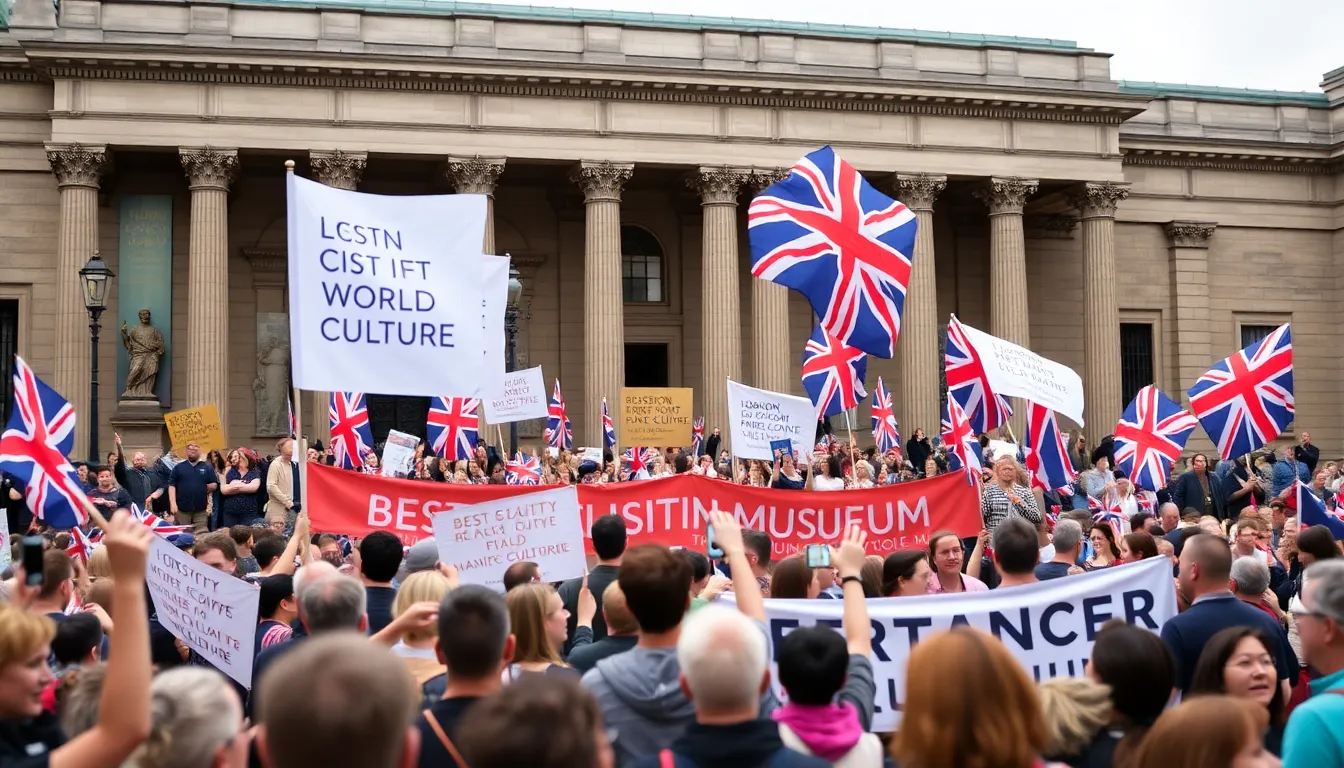
In the short term, the immediate impact will be seen in the tourism sector, with an influx of visitors eager to experience London’s rich cultural offerings. This could result in increased revenue for local businesses, creating a ripple effect throughout the economy. Additionally, cultural institutions may see a rise in attendance, prompting a need for expanded programming and events.
In the mid-term, the recognition could lead to a stronger emphasis on cultural policy within the city government. Investment in public art, cultural festivals, and community programs may become a priority, fostering a vibrant cultural landscape. However, there are risks associated with this recognition, such as potential overcrowding in popular areas and the challenge of maintaining the authenticity of local culture amidst commercialization.
- Increased tourism: More visitors leading to higher revenue for local businesses.
- Enhanced cultural funding: Potential for increased government and private investment in the arts.
- Community engagement: Opportunities for local artists and cultural organizations to showcase their work.
- Risks of commercialization: The threat of local culture being overshadowed by tourist demands.
Overall, while the recognition of London as a cultural hub presents numerous opportunities for growth and engagement, it also necessitates careful management to ensure that the city’s cultural integrity remains intact. Balancing the influx of tourism with the needs of local communities will be crucial in the coming years.
A: Various factors including artistic offerings, historical significance, and community engagement were evaluated to rank the cities. A: This recognition is likely to boost tourism as visitors are drawn to explore the rich cultural experiences London has to offer. A: London boasts numerous attractions such as museums, theaters, galleries, and historic sites that showcase its cultural diversity. A: Locals can participate in various cultural events, workshops, and community programs that promote artistic expression and cultural exchange. A: London has frequently been recognized for its cultural offerings, but this latest accolade reaffirms its status on the global stage.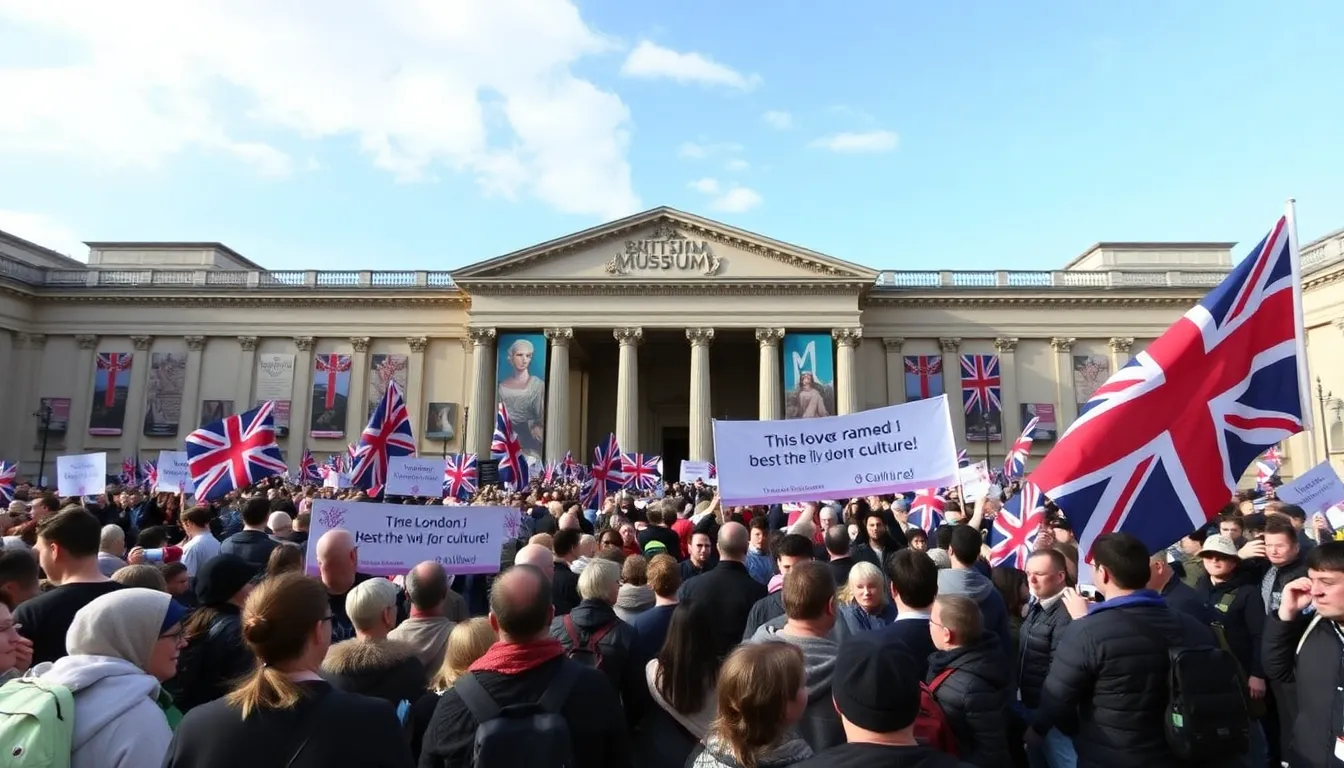
Frequently asked questions about London’s cultural status
Looking ahead: the future of culture in London
As London continues to be recognized as the best city in the world for culture, the implications for its residents, tourists, and cultural institutions are profound. This accolade not only enhances the city’s global reputation but also reinforces the importance of cultural investment and innovation. The ongoing commitment to diverse artistic expressions and cultural experiences will likely attract even more visitors, further enriching the local economy and community life.
In this evolving cultural landscape, stakeholders must remain vigilant about the challenges posed by economic fluctuations and the need for inclusivity. By fostering an environment that embraces creativity and collaboration, London can ensure that its cultural scene remains vibrant and accessible for all.
- Investment in Arts: Continued funding and support for local artists and cultural institutions will be crucial for maintaining London’s cultural edge.
- Focus on Inclusivity: Efforts to make cultural experiences accessible to all demographics will enhance community engagement and participation.
- Tourism Growth: Expect an increase in cultural tourism, which will necessitate enhanced infrastructure and visitor services.
- Innovation in Programming: Embracing new technologies and formats in cultural programming can attract younger audiences and keep the arts relevant.
- Global Collaborations: Opportunities for international partnerships may arise, allowing London to share its cultural wealth while learning from other cities.