
Einbinder, known for her role in HBO’s Hacks, and Anderson, an acclaimed actress with a diverse filmography, bring their talents to a project that seeks to redefine genre boundaries. The film’s narrative explores the intersection of sexuality and fear, inviting audiences to confront their own desires amid a backdrop of visceral horror. This approach not only entertains but also sparks conversations about representation in the horror genre.
The film’s director, alongside a talented production team, aims to create a visually stunning experience that captivates and unnerves viewers. With a blend of suspenseful storytelling and striking visuals, Camp Miasma is poised to make a significant impact at the festival and beyond. The emphasis on queer themes in horror is particularly relevant, as it reflects a growing movement within the industry to highlight diverse voices and stories.
As the film gears up for its Cannes debut, it stands as a testament to the evolving landscape of horror cinema. By embracing elements of desire and blood, Camp Miasma not only entertains but also challenges societal norms, making it a noteworthy addition to this year’s festival lineup. The collaboration between Einbinder and Anderson further emphasizes the importance of star power in bringing attention to innovative and thought-provoking narratives.
Background on the film’s creation and its premiere at Cannes
The film ‘Camp Miasma’ emerged from a growing trend in the horror genre that seeks to explore complex themes of desire and identity, particularly within the LGBTQ+ community. In recent years, filmmakers have increasingly used horror as a lens to address societal issues, allowing for a unique blend of entertainment and commentary. This shift reflects a broader cultural movement that embraces diversity in storytelling, particularly in festivals like Cannes, known for showcasing avant-garde and boundary-pushing cinema.
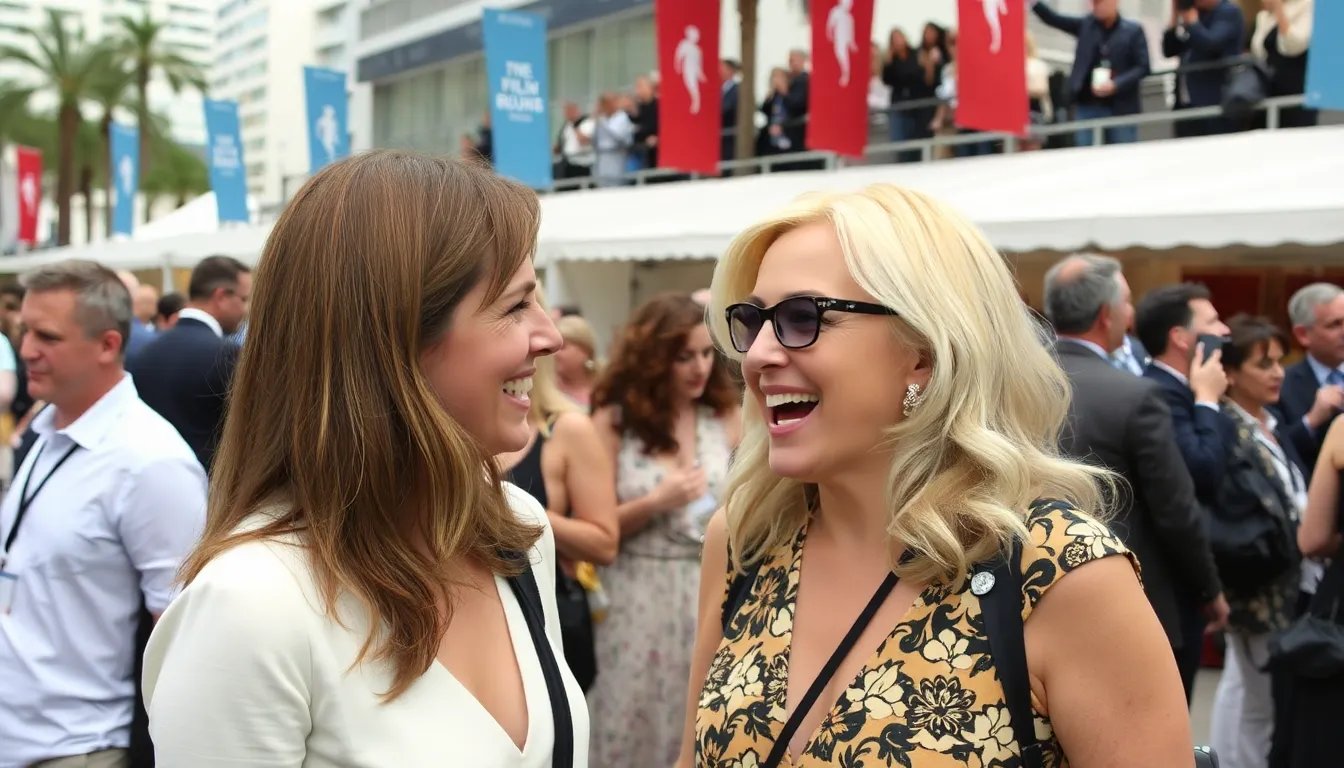
Directed by a visionary filmmaker, ‘Camp Miasma’ combines elements of slasher horror with a queer narrative, a fusion that has gained traction in both independent and mainstream cinema. The film’s development involved collaboration between prominent figures in the industry, including Hannah Einbinder and Gillian Anderson, who brought their star power and artistic sensibilities to the project. Their involvement not only elevated the film’s profile but also highlighted the importance of representation in genre storytelling.
The premiere of ‘Camp Miasma’ at the prestigious Cannes Film Festival marked a significant milestone for queer cinema. Cannes has historically been a platform for films that challenge norms and push boundaries, making it an ideal venue for a project that intertwines horror with themes of sexual exploration and societal taboos. The film’s reception at the festival underscored the evolving landscape of horror, where narratives centered on desire and the complexities of human relationships are becoming more prominent.
The Intersection of Horror and Queer Identity
Historically, horror has served as a metaphor for societal fears and anxieties, making it a compelling genre for exploring queer identity. Films like ‘A Nightmare on Elm Street’ and ‘The Babadook’ have paved the way for contemporary works that delve into the intersection of horror and sexuality. ‘Camp Miasma’ continues this tradition, offering a fresh perspective that resonates with audiences seeking authentic representations of desire. This film not only entertains but also invites viewers to confront their own perceptions of love, fear, and the human experience.
Key issues surrounding the representation of sexuality in horror
The intersection of sexuality and horror has long been a contentious topic, particularly in the context of films like ‘Camp Miasma,’ which features prominent figures such as Hannah Einbinder and Gillian Anderson. The representation of desire and sexual identity in horror narratives raises critical questions about societal norms and the boundaries of artistic expression.
One of the primary stakeholders in this discussion is the film industry itself, which must navigate the delicate balance between creative freedom and audience expectations. Directors and producers are increasingly aware of the need to represent diverse sexualities authentically, yet they often face pressure from conservative viewers and potential backlash.
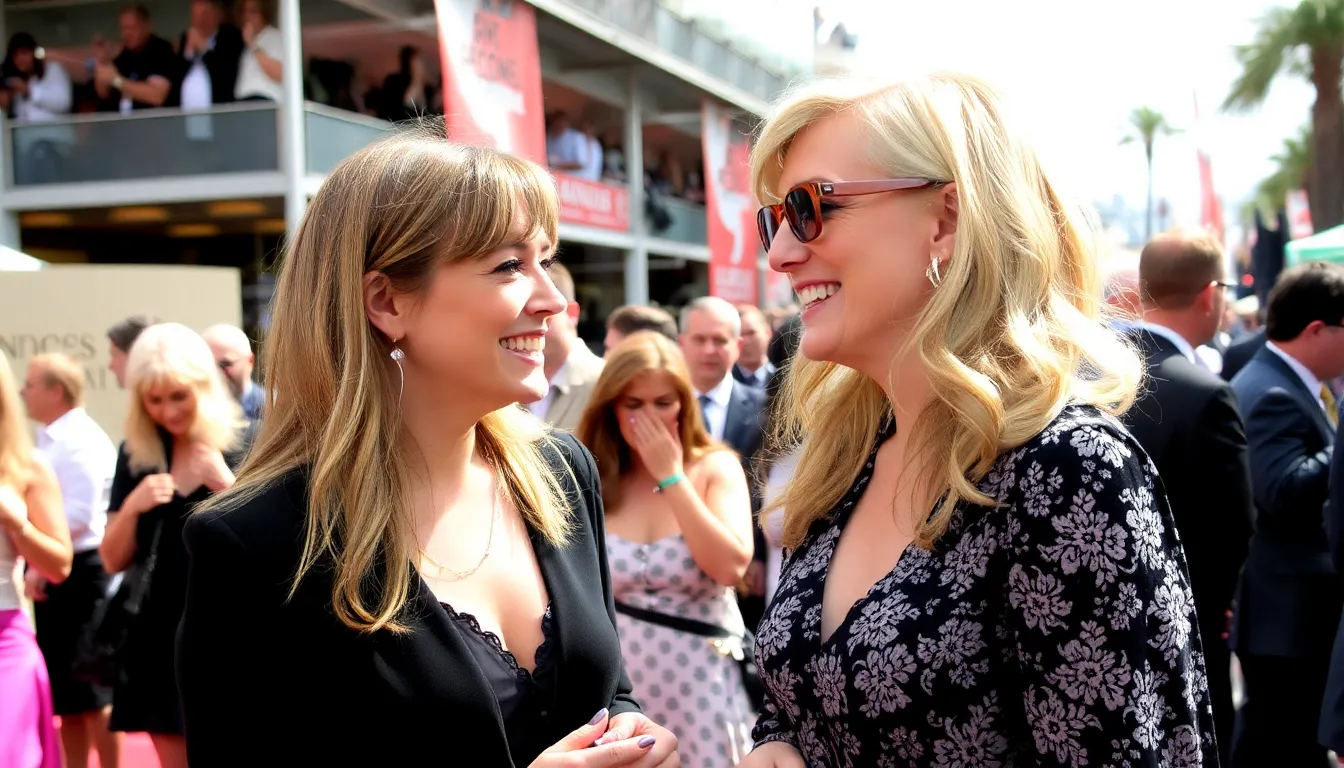
Additionally, advocacy groups and LGBTQ+ organizations play a significant role in shaping the conversation around representation. Their interests lie in promoting inclusivity and challenging stereotypes that have historically marginalized queer identities in mainstream media. However, there can be conflicts between these groups and filmmakers regarding the portrayal of sexuality, particularly when it intersects with violence, as seen in slasher films.
- Authenticity vs. Exploitation: The challenge of portraying sexual themes in a way that is respectful rather than exploitative.
- Marketability: The need to appeal to a broad audience while staying true to the film’s artistic vision.
- Censorship and Regulation: Legal issues surrounding content that may be deemed too explicit or controversial.
- Audience Reception: The potential for divisive reactions from viewers based on personal beliefs about sexuality and horror.
- Impact on LGBTQ+ Representation: The long-term effects of films like ‘Camp Miasma’ on the visibility and acceptance of queer narratives in popular culture.
As ‘Camp Miasma’ prepares for its debut at Cannes, the discussions surrounding these key issues will undoubtedly influence not only the film’s reception but also the broader dialogue about the representation of sexuality in horror cinema. The stakes are high, as both filmmakers and audiences grapple with the implications of desire, violence, and identity in this genre.
The film’s potential influence on the queer horror genre
The release of ‘Camp Miasma,’ featuring Hannah Einbinder and Gillian Anderson, is poised to resonate deeply within various communities, particularly the LGBTQ+ audience and the horror film industry. This film not only showcases queer narratives but also challenges traditional horror tropes, potentially redefining audience expectations and engagement with the genre.
In the short term, the visibility of queer representation in mainstream horror could invigorate interest in similar projects, leading to increased funding and production of queer-centric horror films. This shift may encourage filmmakers to explore more diverse narratives, thus broadening the scope of stories told within the genre.
Mid-term impacts may include the establishment of a more robust market for queer horror films, influencing streaming platforms and film festivals to prioritize such content. This could create new opportunities for queer filmmakers and actors, fostering a more inclusive environment in the entertainment industry.
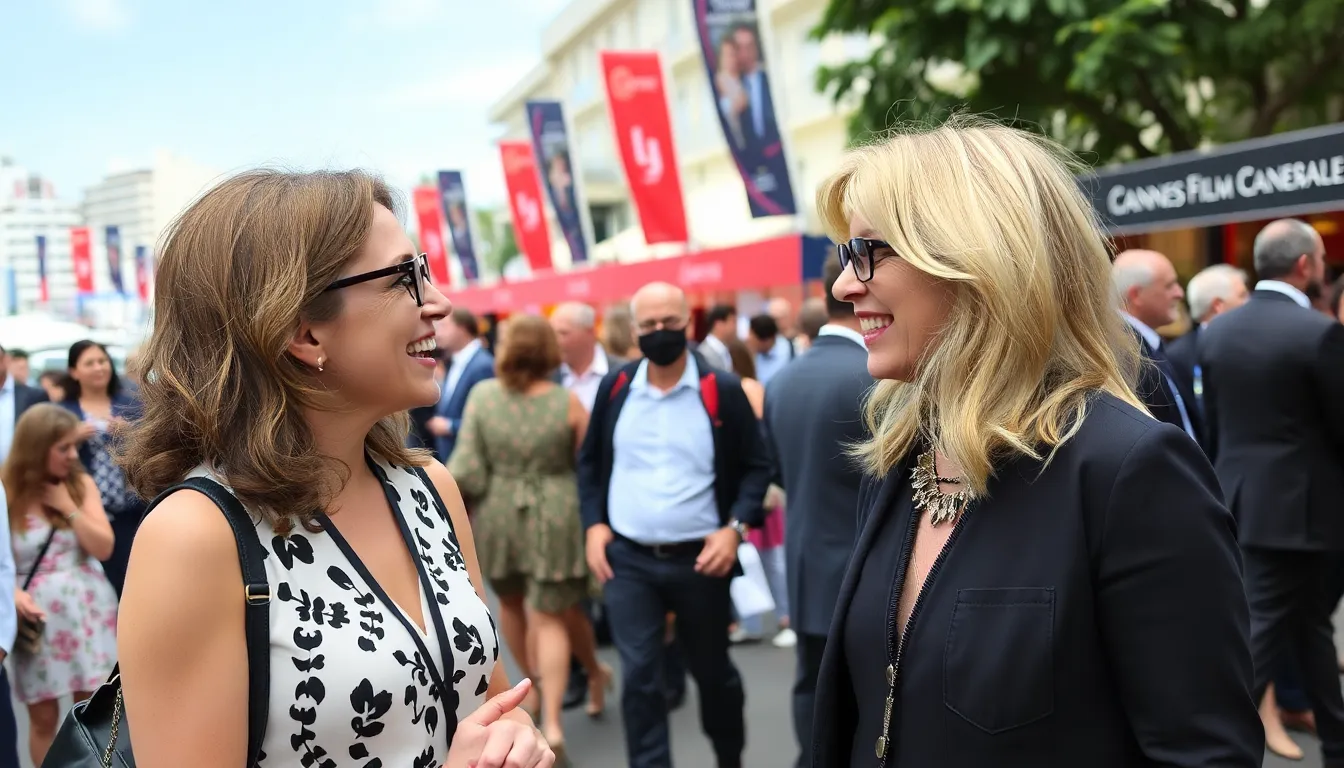
- Short-term opportunities: Increased visibility for queer narratives.
- Mid-term risks: Potential backlash from conservative audiences.
- Business impacts: Growth in niche markets for queer horror films.
- Policy implications: Possible discussions around representation and funding in film production.
However, the film may also face challenges, including potential pushback from audiences resistant to queer themes in horror. This could lead to a polarized reception, impacting box office performance and future investments in similar projects. Balancing these risks with the opportunities for innovation in storytelling will be crucial for the film’s long-term success.
A: Camp Miasma is a queer horror slasher film that intertwines themes of desire, sexuality, and survival in a bloody narrative. A: Both actresses play pivotal roles, bringing depth to their characters and exploring complex themes of attraction and fear. A: Camp Miasma stands out by incorporating queer narratives and focusing on emotional and sexual tension alongside traditional horror elements. A: The film has garnered attention for its bold storytelling and has sparked discussions about representation in horror cinema. A: The film explores themes of desire, identity, and the intersection of sexuality with horror, challenging conventional genre boundaries.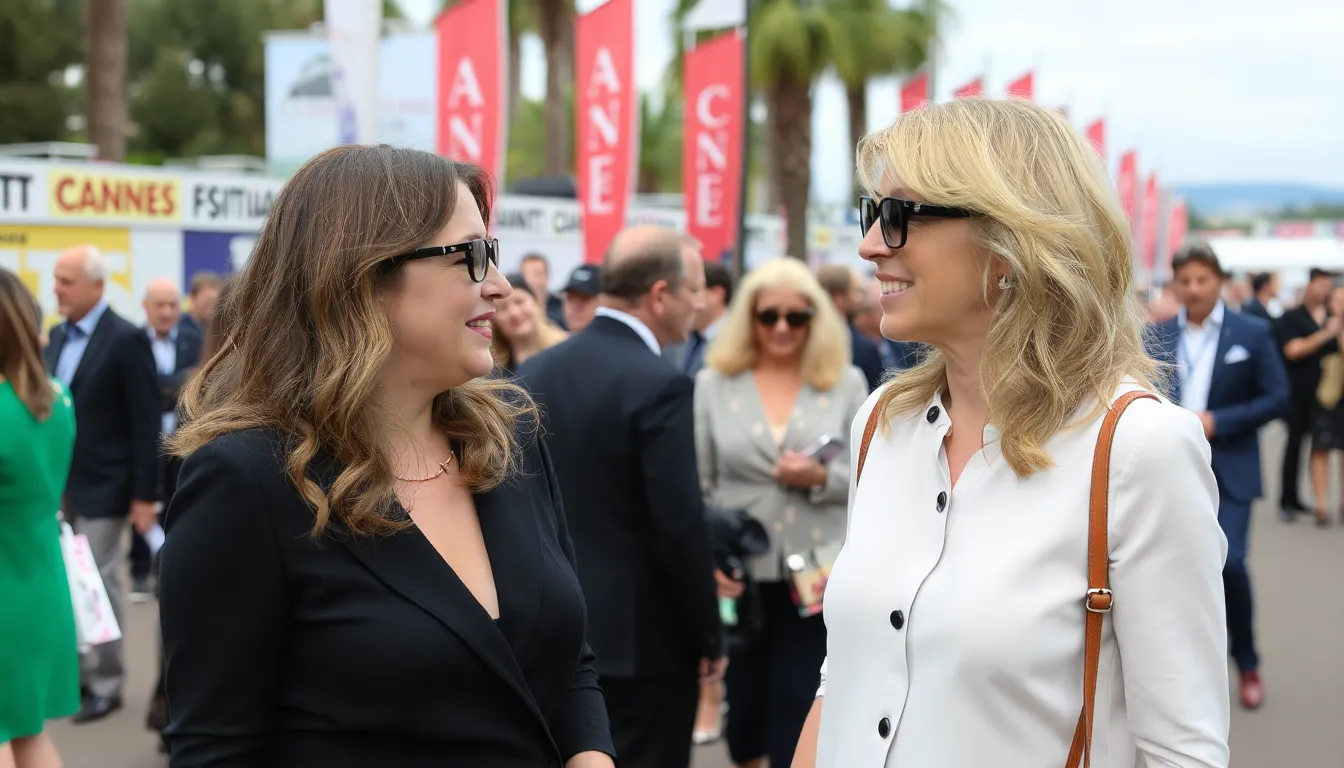
Frequently asked questions about Camp Miasma
Key takeaways and future implications for queer cinema
The collaboration between Hannah Einbinder and Gillian Anderson in ‘Camp Miasma’ marks a significant evolution in queer horror, blending visceral storytelling with themes of desire and identity. As the film navigates the complexities of sexuality and societal expectations, it opens up new avenues for representation in the genre, inviting audiences to engage with horror in a more nuanced way. This shift not only highlights the potential for queer narratives within mainstream cinema but also encourages a deeper exploration of the human experience through the lens of horror.
As ‘Camp Miasma’ gains attention at Cannes, it sets a precedent for future projects that aim to intertwine genre elements with profound emotional and social commentary. The film’s unique approach to storytelling may inspire other creators to push boundaries, ultimately enriching the landscape of queer cinema.
- The film exemplifies how horror can serve as a powerful medium for exploring queer identities and desires.
- Audiences are increasingly receptive to innovative narratives that challenge traditional genre conventions.
- Collaborations between established actors and emerging talent can lead to groundbreaking projects that resonate with diverse audiences.
- The success of ‘Camp Miasma’ could encourage more funding and support for queer-centric films in the horror genre.
- Future queer horror films may increasingly incorporate elements of humor and satire, reflecting a broader cultural shift towards embracing complexity in storytelling.