
The reboot, which is expected to bring a fresh perspective to the iconic superhero team, is still in the early stages of development. While specific release dates have not yet been confirmed, industry insiders suggest that production could begin as early as late 2024, aiming for a theatrical release in 2025.
Lee expressed his enthusiasm for the project, stating that he feels “honored” to contribute to such a significant part of pop culture. His previous work has garnered critical acclaim, and many fans are eager to see how his unique storytelling style will influence the new direction of the X-Men narrative.
In a recent interview, Lee emphasized the importance of seizing opportunities, saying, “No matter how much you got going on, you have to say yes.” This attitude reflects his commitment to pushing creative boundaries and tackling new challenges within the entertainment industry.
The announcement has sparked discussions among fans and critics alike, with many speculating about potential casting choices and storylines. As the project develops, it will be interesting to see how Lee’s vision aligns with the expectations of long-time ‘X-Men’ enthusiasts and newcomers to the franchise.
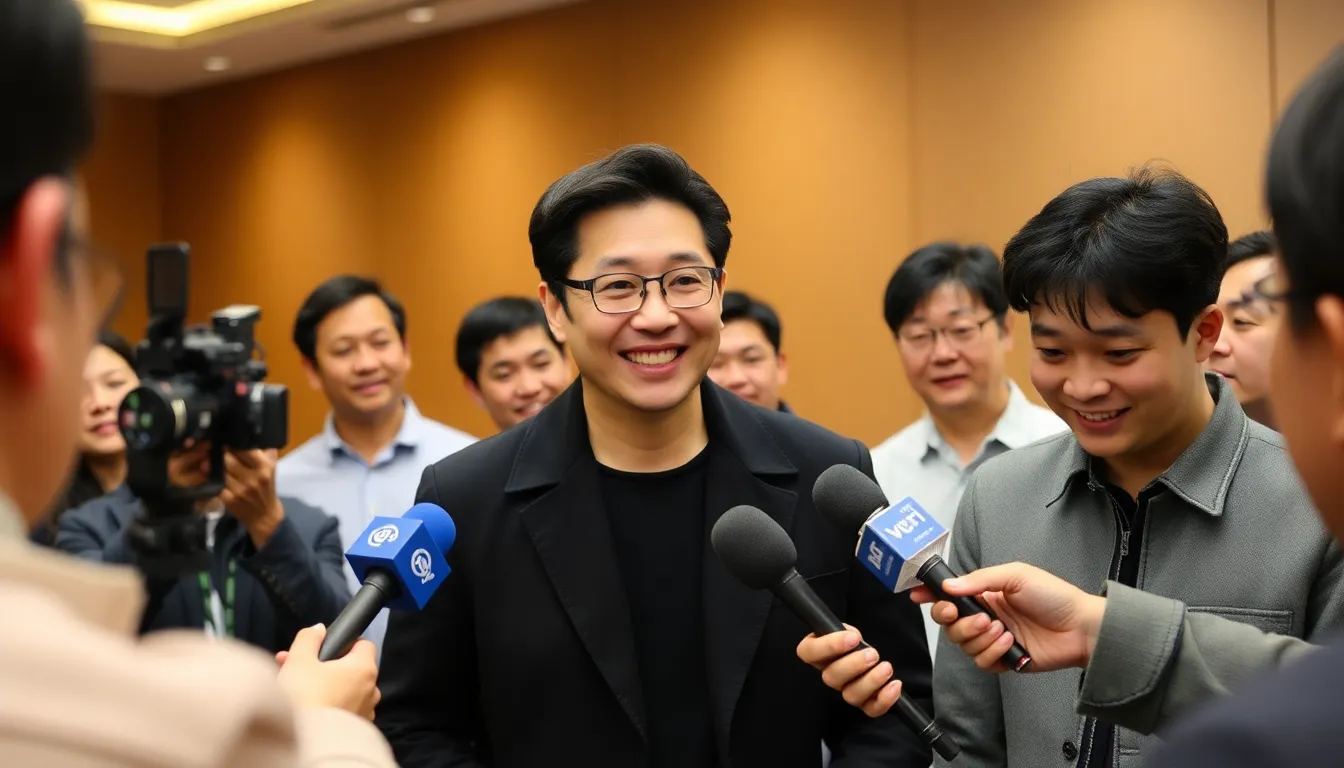
The significance of the X-Men franchise in pop culture
The X-Men franchise has been a cornerstone of comic book culture since its inception in 1963. Created by writer Stan Lee and artist Jack Kirby, the series introduced a diverse range of characters who were mutants, each possessing unique abilities. The narrative often revolves around themes of acceptance, diversity, and the struggle against prejudice, resonating with audiences on multiple levels. As societal attitudes towards marginalized groups have evolved, so too has the X-Men’s relevance, making it a powerful symbol of the fight for equality.
Over the years, the X-Men have transitioned from comic books to animated series, and eventually to blockbuster films. The first X-Men movie, released in 2000, marked a pivotal moment in the superhero genre, proving that comic book adaptations could achieve critical and commercial success. This film not only laid the groundwork for future superhero franchises but also helped to legitimize the genre within mainstream cinema, paving the way for subsequent adaptations of other comic book properties.
This transition has opened up new possibilities for storytelling and character integration, leading to excitement among fans and industry insiders alike, particularly in light of the current trends seen in comic adaptations.
Lee Sung Jin’s role in the X-Men reboot
Lee Sung Jin, known for his work on the critically acclaimed series ‘Beef,’ has been tapped to write the script for the upcoming X-Men reboot. His involvement signifies a commitment to infusing fresh perspectives into the franchise while maintaining its core themes. As the entertainment industry increasingly recognizes the importance of diverse voices in storytelling, Jin’s unique background and experiences could contribute significantly to the reboot’s narrative direction, potentially redefining how the X-Men are portrayed in a contemporary context.
With milestones such as the original comic series, the groundbreaking films, and the ongoing discussions about representation, the reboot presents an opportunity to honor the legacy of the X-Men while also pushing boundaries in storytelling and character development.

Key stakeholders and challenges in rebooting a beloved franchise
The reboot of the ‘X-Men’ franchise, helmed by ‘Beef’ creator Lee Sung Jin, involves a diverse array of stakeholders, each with distinct interests and concerns. Key players in this scenario include the production companies, the creative team, fans, and the broader entertainment industry. Understanding their motivations and the potential conflicts that arise is essential to grasp the complexities of this project.
Production companies, such as Marvel Studios and 20th Century Studios, are primarily focused on profitability and brand integrity. They aim to create a successful reboot that resonates with both long-time fans and new audiences. This interest often leads to a balancing act between innovation and respect for the original material. The creative team’s vision, led by Lee Sung Jin, seeks to bring fresh perspectives while honoring the legacy of the franchise, which can sometimes clash with corporate expectations.
Fans of the original ‘X-Men’ series are another critical stakeholder group, holding strong emotional ties to the characters and storylines. Their expectations can create pressure on the creators to remain faithful to the source material while also introducing new elements that attract a younger audience. This dynamic can lead to significant trade-offs, as differing opinions on character portrayals and narrative directions may arise.
- Conflicts of Interest: Discrepancies between corporate goals and creative aspirations may lead to tensions in decision-making.
- Fan Expectations: The challenge of satisfying a diverse fan base with varying opinions on what constitutes a successful reboot.
- Legal Issues: Navigating copyright and intellectual property rights associated with the characters and storylines.
- Economic Factors: The financial implications of production budgets and marketing strategies in a competitive landscape.
- Industry Trends: Adapting to shifting trends in the entertainment industry, including streaming services and audience consumption habits.
In addition to these factors, the involvement of government regulations regarding film production and international markets can also play a role. Different countries may have varying restrictions or incentives for film projects, which can impact where and how the film is produced. This adds another layer of complexity for stakeholders as they navigate the global entertainment landscape.
Potential impact on fans and the film industry
The announcement of Lee Sung Jin working on the ‘X-Men’ reboot script has stirred excitement among fans and industry professionals alike. This development affects various groups, including comic book enthusiasts, film buffs, and the broader entertainment community. The anticipation surrounding the reboot could lead to increased engagement across social media platforms as fans discuss their hopes and expectations.
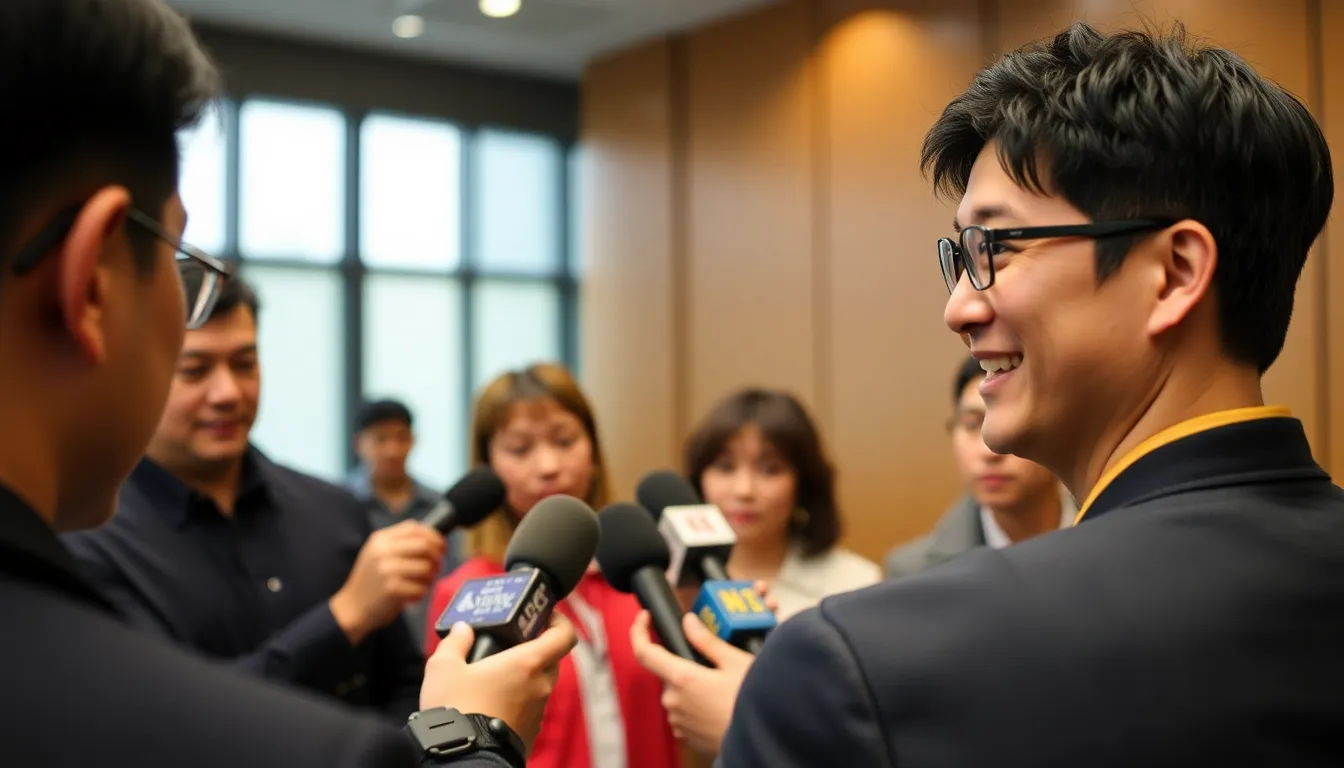
In the short term, the film industry may experience a surge in interest and investment, particularly from studios and production companies eager to capitalize on the ‘X-Men’ franchise’s legacy. This can lead to a boost in related merchandise sales, promotional events, and fan conventions. Additionally, casting announcements and production updates are likely to dominate entertainment news, keeping audiences engaged.
Mid-term impacts could include shifts in audience demographics as new fans are drawn to the franchise through the reboot. This may encourage studios to explore more diverse storytelling and character development, potentially leading to a broader representation in superhero narratives. However, there is also the risk of alienating long-time fans if the reboot diverges too significantly from established storylines.
- Increased merchandise sales and promotional events.
- Potential shifts in audience demographics and interests.
- Opportunities for diverse storytelling and character development.
- Risks of alienating long-time fans.
Overall, while there are risks associated with rebooting a beloved franchise, the potential for revitalizing interest in the ‘X-Men’ series presents significant opportunities for innovation and growth within the film industry. As Lee Sung Jin takes on this project, the ripple effects will likely be felt across various sectors, from production to marketing.
A: The X-Men reboot aims to reintroduce the iconic characters and stories to a new generation, focusing on fresh narratives while honoring the original themes. A: Lee Sung Jin feels honored to work on such a significant franchise, believing that every opportunity should be embraced regardless of existing commitments. A: While no official release date has been announced, the project is currently in the scripting phase, and updates are anticipated in the coming months. A: The reboot is expected to take a different approach by integrating contemporary themes and character developments that resonate with today’s audience. A: In addition to Lee Sung Jin, various industry veterans and new talent are expected to contribute, although specific names have yet to be confirmed.
Frequently asked questions about the X-Men reboot
Looking ahead at the future of the X-Men reboot
As Lee Sung Jin takes on the challenge of scripting the much-anticipated X-Men reboot, his enthusiasm and commitment signal a promising direction for the franchise. The blend of his unique storytelling style, as showcased in ‘Beef,’ with the rich legacy of the X-Men universe could lead to innovative narratives that resonate with both long-time fans and new audiences. His approach emphasizes the importance of embracing opportunities, suggesting that creative risks may redefine established characters and story arcs.
In the coming months, the industry will closely monitor how Jin’s vision unfolds, particularly in terms of character development and thematic depth. The reboot presents a chance to explore contemporary issues through the lens of the beloved mutants, potentially reinvigorating the franchise and expanding its relevance in today’s cultural landscape.
- Character Reimagining: Expect fresh interpretations of iconic characters, which could attract diverse audience demographics.
- Thematic Exploration: The reboot may delve into social issues, paralleling the original X-Men themes of acceptance and diversity.
- Creative Collaboration: Jin’s willingness to engage with various creative influences could lead to a more dynamic storytelling approach.
- Franchise Evolution: This reboot may set a new standard for future adaptations in the superhero genre.
- Audience Engagement: The response from fans will be crucial in shaping the direction of the script and overall production.