
Stewart’s comments come in the context of her latest project, “Full Phil,” which premiered at the Cannes Film Festival in May 2023.
The actress’s remarks resonate with a growing sentiment among filmmakers and actors who advocate for a more equitable industry, particularly highlighted in recent discussions regarding the sustainability of production models.
Stewart’s critique is particularly timely as discussions surrounding the future of cinema continue, especially in the wake of the pandemic’s impact on film distribution and viewership. Her call for change reflects a broader desire for a shift in how films are financed and produced, emphasizing the need for creativity over commercialism.
The significance of Cannes and its impact on filmmakers
The Cannes Film Festival, established in 1946, has long been regarded as one of the most prestigious film festivals in the world. It serves as a platform for filmmakers to showcase their work to a global audience, often leading to significant opportunities for distribution and critical acclaim. Over the decades, Cannes has become synonymous with cinematic excellence, attracting not only established directors but also emerging talents eager to make their mark.
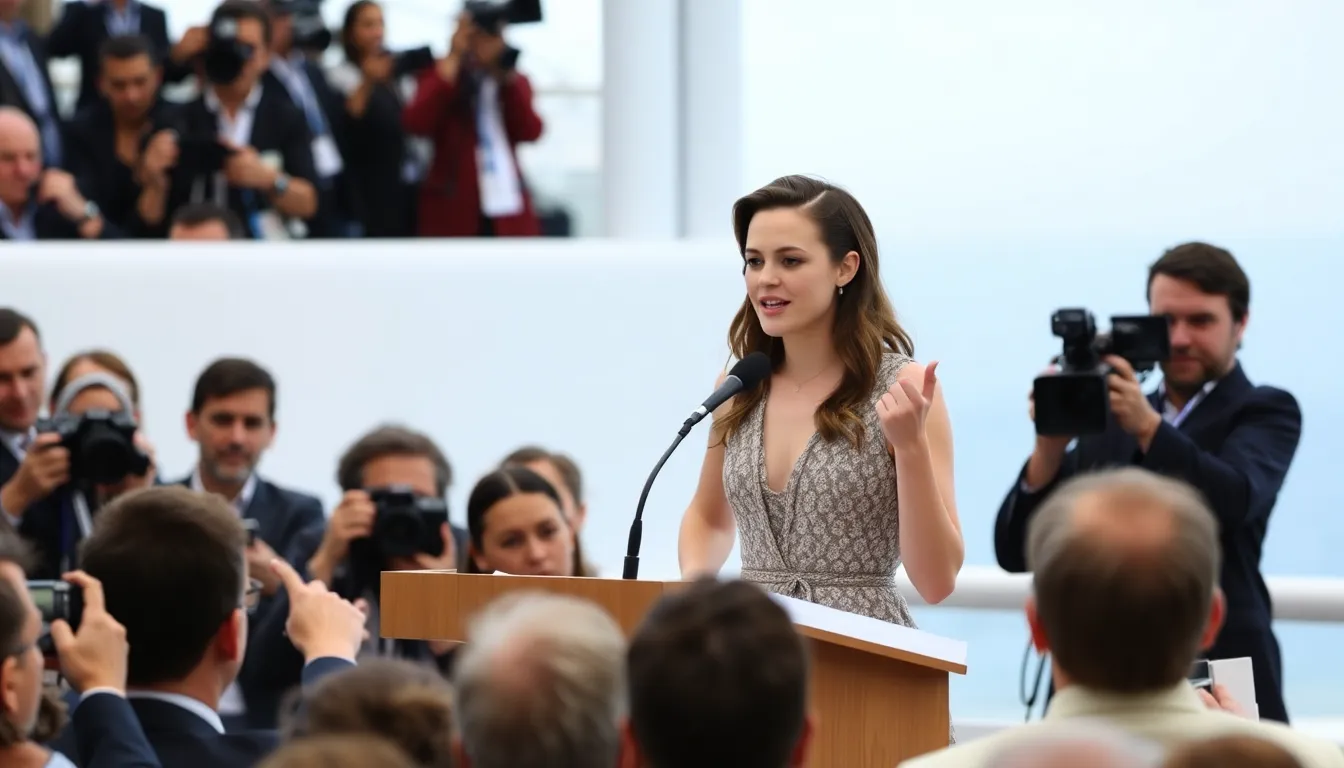
Historically, Cannes has been a barometer of artistic innovation and industry trends. The festival has launched the careers of numerous filmmakers, including Quentin Tarantino and the Coen Brothers, who gained international recognition through their premieres at Cannes. The event also reflects broader socio-political contexts, often highlighting issues such as gender equality, representation, and the impact of commercialism in cinema.
In recent years, the festival has faced criticism for its alignment with the traditional studio system, which many filmmakers, including Kristen Stewart, have expressed frustration with. The studio system has been characterized by a focus on blockbuster films and profit-driven motives, often at the expense of artistic integrity and diverse storytelling. This tension has prompted a call for change within the industry, as filmmakers advocate for a more equitable and inclusive environment that prioritizes creativity over commercial gain.
The rise of independent cinema
As a response to the constraints of the studio system, independent cinema has gained traction, allowing filmmakers to explore unconventional narratives and experimental styles, similar to the themes discussed in recent award showcases.
As the landscape of filmmaking continues to evolve, the dialogue surrounding the role of festivals like Cannes and the impact of the studio system remains crucial. The ongoing discourse highlights the necessity for a balance between artistic expression and commercial viability, ensuring that diverse voices are heard and represented in the film industry.
Exploring the challenges faced by artists in the studio system
Kristen Stewart’s recent comments regarding her film ‘Full Phil’ at Cannes highlight significant tensions within the entertainment industry, particularly relating to the studio system. As an actress who has navigated both independent and blockbuster films, Stewart’s perspective sheds light on the struggles artists face in balancing creative expression with commercial pressures.
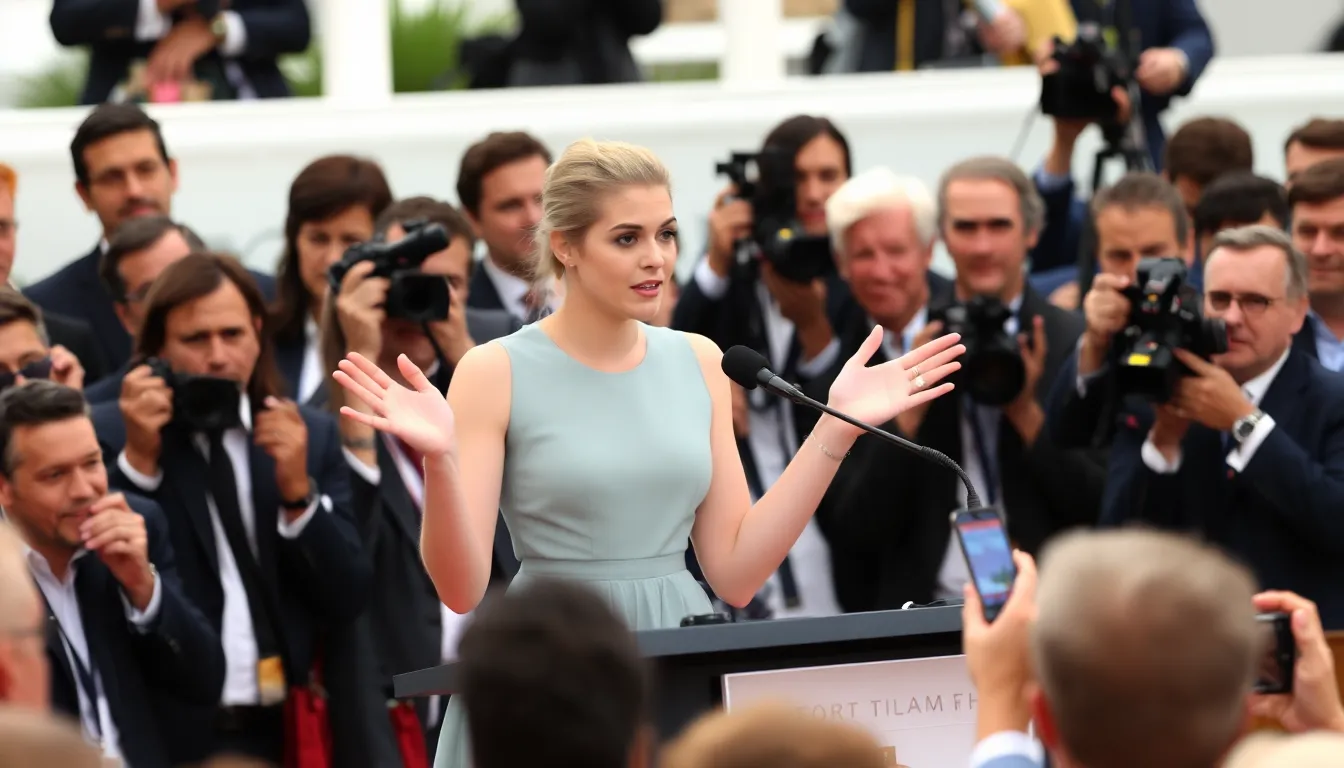
At the heart of this discussion are key stakeholders: the artists themselves, film studios, and audiences. Artists like Stewart seek creative freedom and the ability to tell authentic stories, while studios often prioritize profitability, leading to a conflict of interests. This dynamic raises questions about the sustainability of the traditional studio model, especially as audiences increasingly demand diverse and innovative content.
- Financial Incentives: Studios are driven by profit margins, often resulting in decisions that prioritize marketability over artistic integrity.
- Creative Constraints: Artists may feel restricted by studio mandates that dictate the direction of a film, limiting their ability to explore unconventional narratives.
- Audience Expectations: The pressure to cater to audience preferences can lead to formulaic storytelling, undermining the originality of creative works.
- Economic Disparities: Stewart’s critique of the studio system also touches on the widening gap between the wealth of studio executives and the financial compensation for artists, raising ethical concerns about fairness in the industry.
These issues are further complicated by the evolving landscape of film distribution, where streaming platforms are reshaping the way content is produced and consumed. As the industry adapts, the balance of power between studios and artists may shift, potentially offering more equitable opportunities for creative expression.
In summary, the dialogue initiated by Stewart at Cannes serves as a critical reminder of the ongoing struggles within the studio system. It underscores the need for a re-evaluation of industry practices to foster an environment where artistic vision can thrive alongside commercial success.
The potential effects of Stewart’s comments on the industry
Kristen Stewart’s candid remarks about the studio system resonate deeply within the film industry, affecting a wide range of stakeholders including filmmakers, actors, production companies, and audiences. Her critique highlights the growing discontent among creative professionals who feel marginalized by corporate interests that prioritize profit over artistic integrity.
In the short term, Stewart’s statements may encourage a wave of discussions within Hollywood about the need for reform. This could lead to increased solidarity among independent filmmakers and actors who seek to challenge the status quo. Additionally, audiences may become more supportive of films that prioritize storytelling and creativity over commercial viability, potentially shifting box office trends.
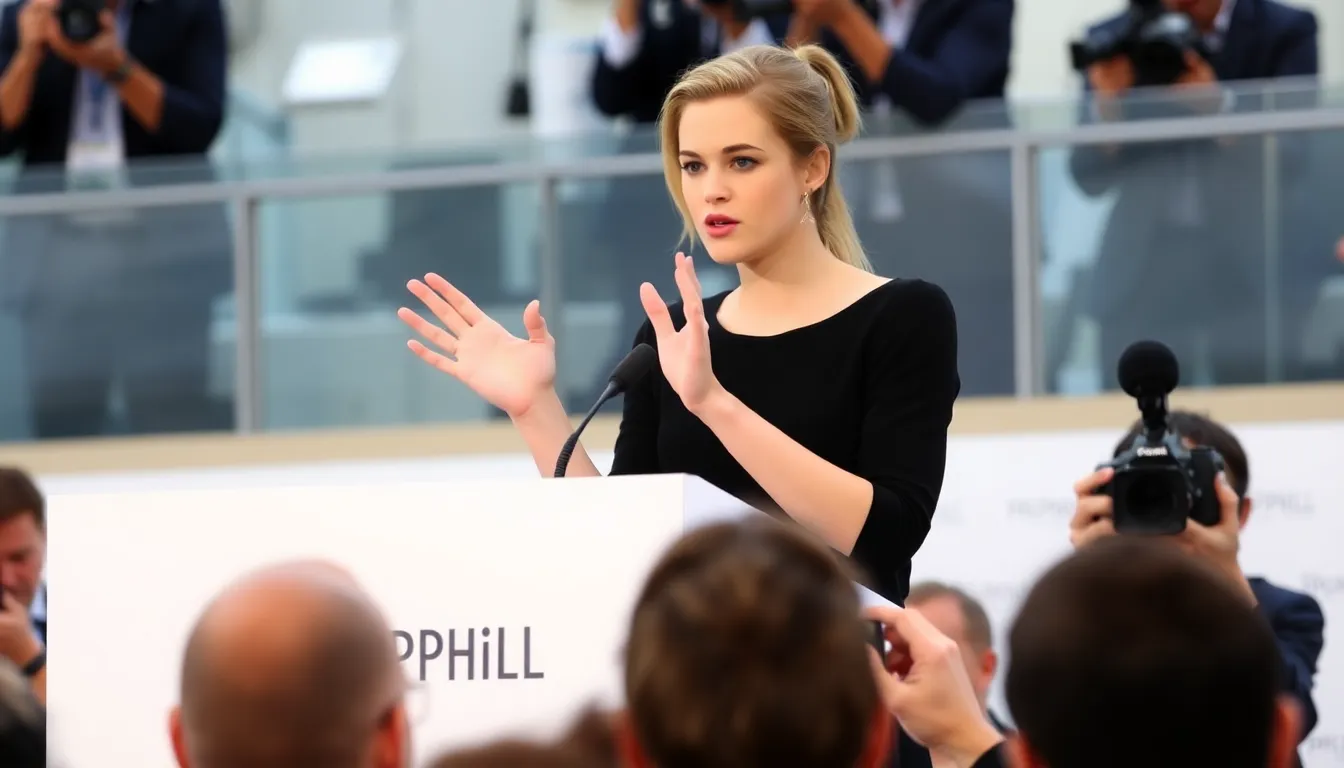
In the mid-term, the impact could extend to policy changes within studios and production companies, prompting them to reassess their funding models and distribution strategies. This might create opportunities for smaller, independent films to gain visibility and funding, as studios may feel pressured to diversify their portfolios and invest in unique narratives that resonate with viewers.
- Increased support for independent filmmakers.
- Potential policy shifts in studio funding and production practices.
- Greater audience demand for creative storytelling.
- Heightened awareness of the financial disparities within the industry.
However, there are risks involved as well. If studios react defensively, they may further entrench existing practices, leading to a backlash against independent projects. Additionally, the potential for increased scrutiny on financial practices could deter investors from entering the film industry, fearing backlash or instability.
A: Full Phil is a unique film presented by Kristen Stewart at Cannes, showcasing her artistic vision and creativity. A: Stewart expresses her dissatisfaction with how the studio system prioritizes profits over artistic integrity, stating that it often leads to the enrichment of a select few. A: Cannes is a prestigious film festival that provides filmmakers with a platform to showcase their work, gain recognition, and connect with industry professionals. A: Stewart calls for a shift in focus from making billionaires richer to supporting diverse voices and innovative storytelling in cinema. A: Her comments have sparked discussions among industry professionals and audiences about the need for reform in the film industry.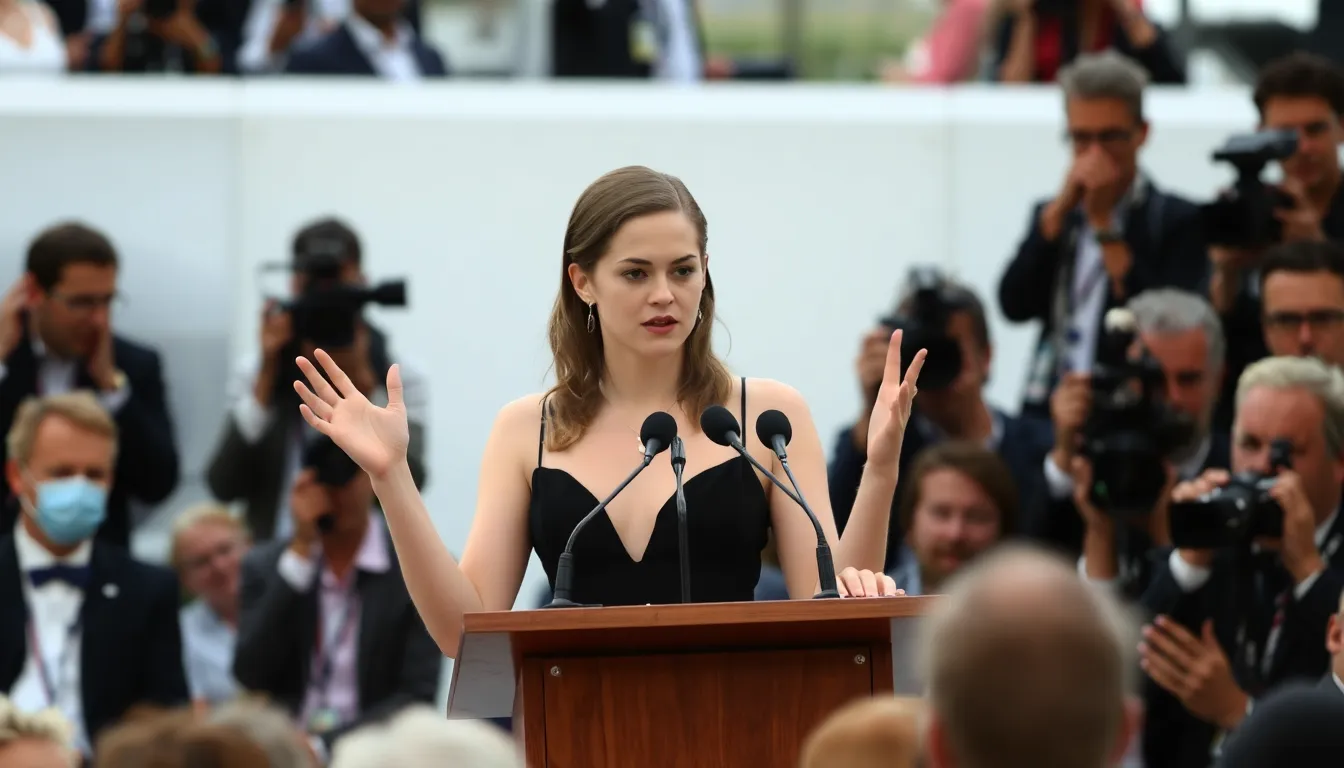
Frequently asked questions about Kristen Stewart and Full Phil
Key takeaways and future outlook for the film industry
Kristen Stewart’s candid reflections on her experience with the film industry, particularly in relation to her latest project, ‘Full Phil’, highlight a growing discontent with the traditional studio system. Her comments emphasize the need for a shift in how films are financed and produced, advocating for a more equitable approach that prioritizes creativity over profit margins. This sentiment resonates with many artists and creators who feel stifled by the demands of commercial success.
As the industry evolves, it is crucial to observe how these discussions influence future projects and the overall landscape of filmmaking. The push for more authentic narratives and the desire to break free from the constraints of conventional financing models may lead to innovative storytelling approaches and greater creative freedom for filmmakers.
- The demand for independent films may rise, as creators seek alternatives to the studio system that prioritize artistic integrity.
- Audiences might gravitate towards films that challenge the status quo and reflect diverse, authentic experiences.
- Future projects may increasingly explore themes of economic disparity and the impact of capitalism on creativity.
- Filmmakers may advocate for new funding models that support innovative storytelling without the pressure of generating massive profits.
- The conversation around equity in the film industry could lead to more initiatives aimed at supporting underrepresented voices in cinema.