
Understanding the Background and Its Necessity
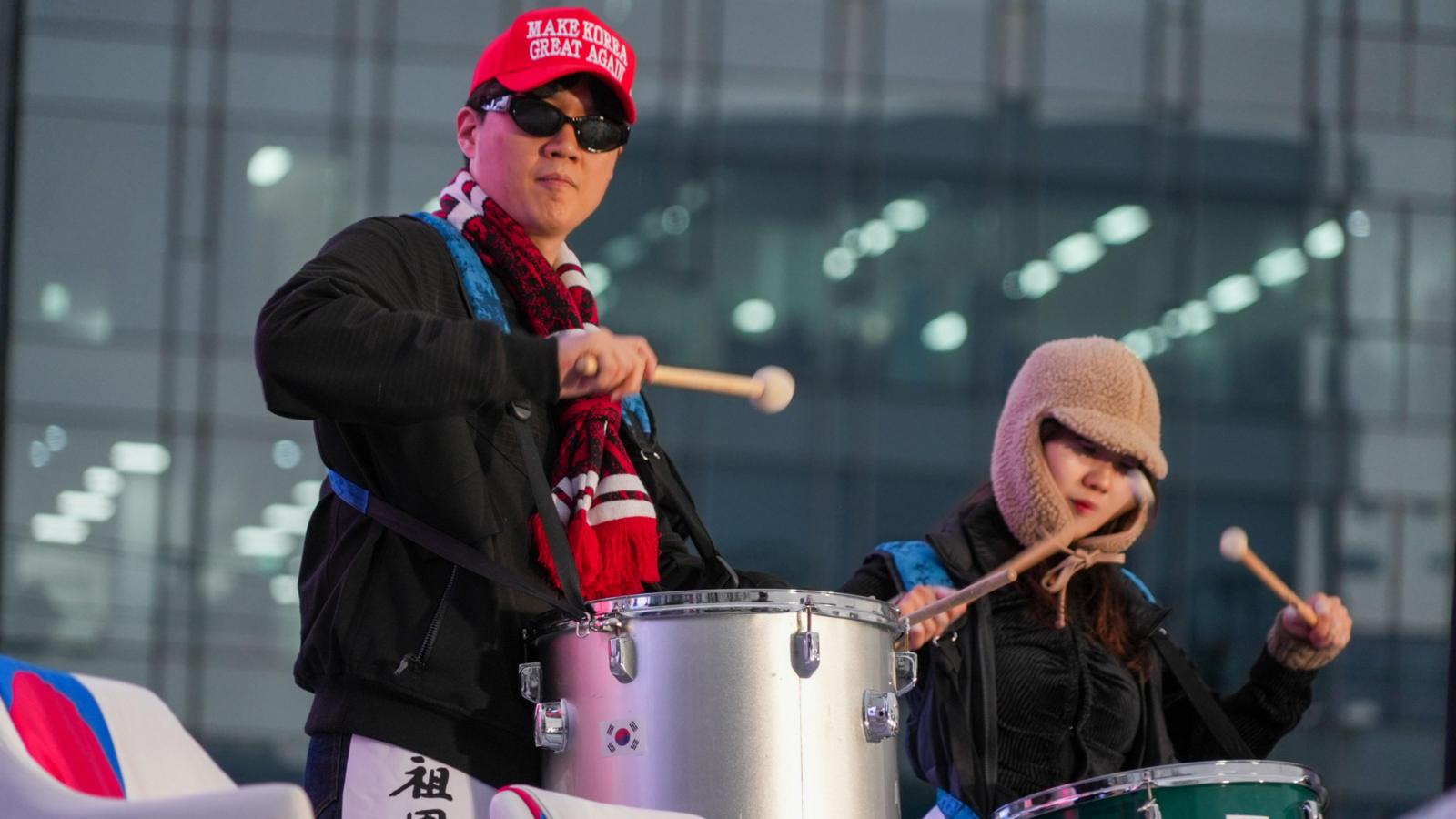
Many young South Koreans are feeling disenchanted with the current political climate. Unemployment rates high among graduates, economic instability, and dissatisfaction with progressive policies have contributed to a burgeoning search for alternative political affiliations. As a result, a right-wing group advocating to “Make Korea great again” is gaining traction among the youth. For more insights into how political dynamics are evolving, check out related articles on current events.
Causes of Discontent Among Youth
The economic struggles faced by young people have made the right-wing’s promises of job creation and national pride appealing. Many feel that the mainstream political parties have failed them, creating a void that these new movements seek to fill. This phenomenon is also reflected in various events organized by groups like the Korea Youth Alliance.
Comparing Ideologies and Selection Criteria
The rise of right-wing movements cannot be overlooked when considering how youth preferences shift. While previously dominated by progressive ideals, the current agenda of these groups resonates with a broader audience through their focus on nationalism and traditional values.
Key Attributes of Right-Wing Groups
Factors such as strong leadership, national security, and economic revival plans are among the criteria that attract these youthful followers. These attributes align closely with their desire for stability in a rapidly changing world. Education and open discussions about nationalism and right-wing politics are necessary to ensure informed decision-making.
Examples of Successful Movements
Several organizations have emerged in the past few years that exemplify this right-wing shift. Groups such as the Korea Youth Alliance have capitalized on the dissatisfaction of the youth, organizing rallies and events that promote their message.

Effective Strategies Employed
Utilizing social media platforms has proven effective for these groups in reaching and engaging young audiences. Creative content and relatable messaging are used to convert skepticism into support, fostering a community around shared beliefs.
Considerations for the Future
However, as these movements gain momentum, they also face challenges. Resistance from established political entities and societal pushback against extreme nationalism present hurdles that will determine their longevity.
The Role of Education and Awareness
It is vital for young individuals to critique and understand the ideologies they are adopting. Education and open discussions about nationalism and right-wing politics are necessary to ensure informed decision-making.
A: Many young individuals are drawn to right-wing movements due to their promises of economic stability, job creation, and national pride, especially in the face of dissatisfaction with existing political structures. A: Yes, joining these groups can expose individuals to extreme ideologies, which may lead to polarization and social division. Critical examination and discussions are encouraged. A: Right-wing movements utilize social media to spread their message rapidly, engaging with youth through relatable content and vibrant community interaction that traditional media cannot offer. A: The rise of right-wing movements can deepen societal divisions and impact political discourse, potentially leading to the polarization of issues rather than fostering collaborative solutions.
Frequently Asked Questions about Right-Wing Movements Among Youth
Insights on Future Directions
As right-wing groups continue to gain a following among South Korean youth, monitoring their impact on the political landscape will be crucial. Understanding the motivations behind these movements may reveal deeper societal issues, necessitating thoughtful engagement from all political spheres. The future of political dynamics in Korea could depend significantly on how these movements evolve and interact with traditional political structures, shaping the nation’s youth for years to come.