
These efforts aim to enhance the country’s appeal as a filming location, encouraging more productions to consider Jordan for their projects, similar to how significant foreign developers impact local environments, as discussed in this article.
The skilled local workforce is another key factor contributing to Jordan’s rise in the film industry. With a growing pool of talented professionals, including cinematographers, production designers, and crew members, the country is well-equipped to handle large-scale productions. Recent workshops and training programs have further developed these skills, ensuring that local talent meets international standards.
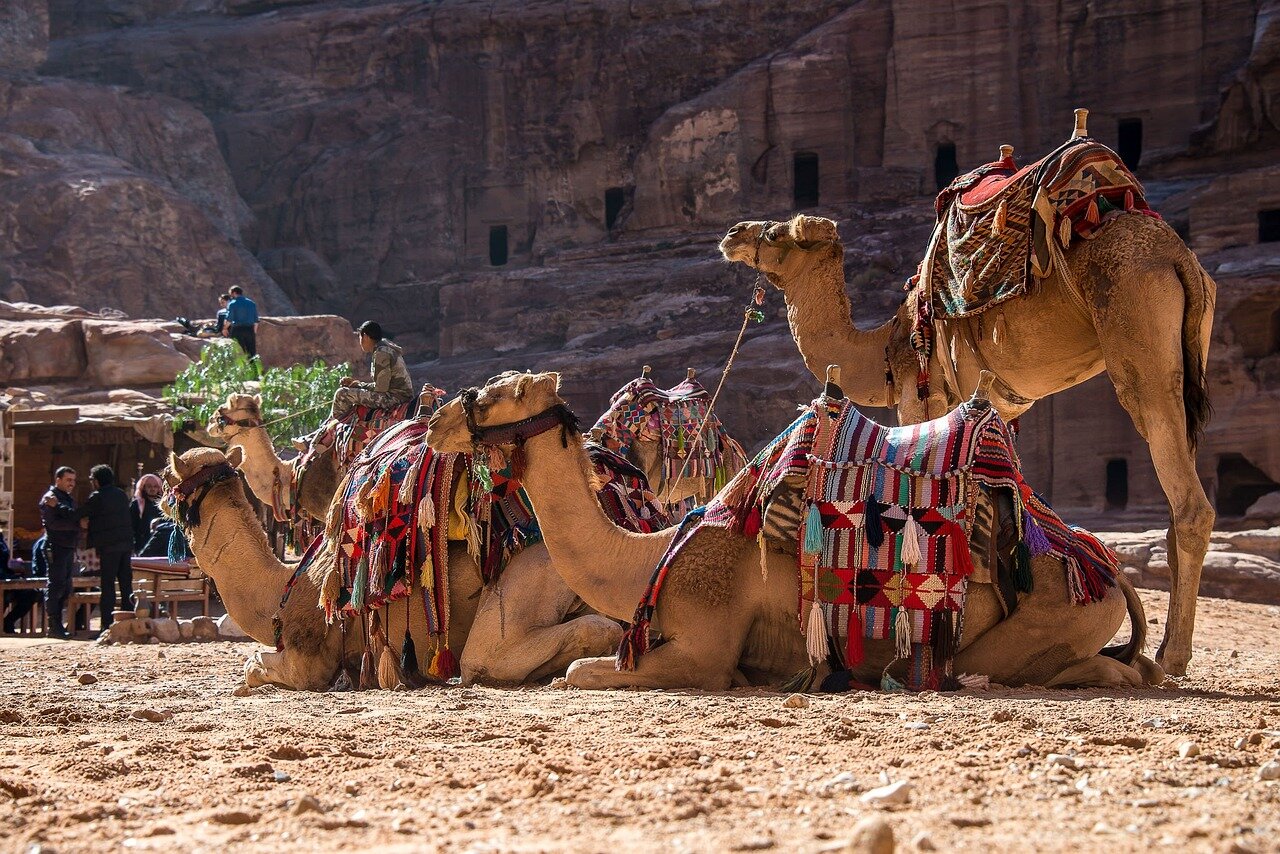
As the global film industry continues to evolve, Jordan’s strategic location and rich cultural heritage position it as an ideal site for storytelling. The combination of extraordinary sites and highly skilled local crews not only enhances the filmmaking experience but also promotes cultural exchange and economic growth in the region. With ongoing investments and interest from major studios, Jordan’s status as a filmmaking hub is likely to expand in the coming years.
The Unique Landscape and Cultural Heritage of Jordan
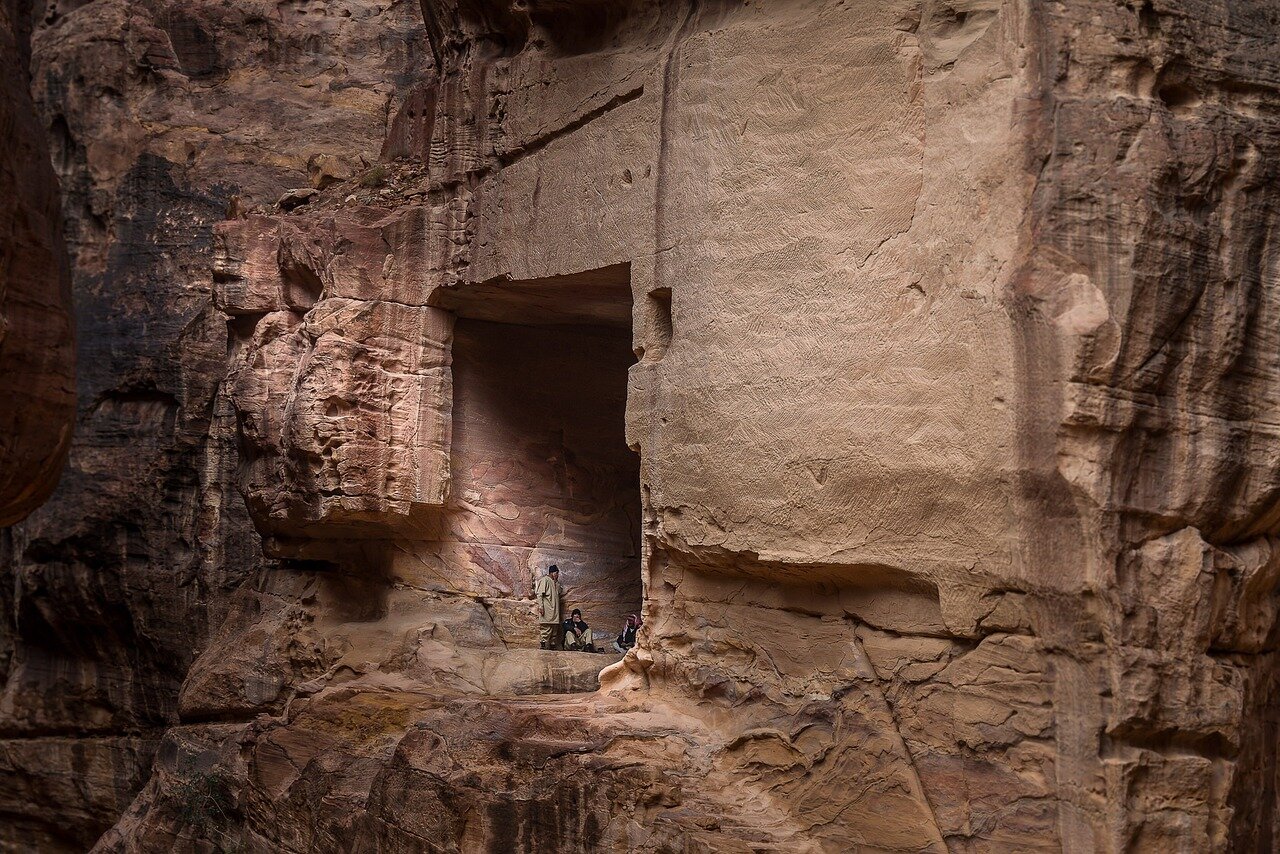
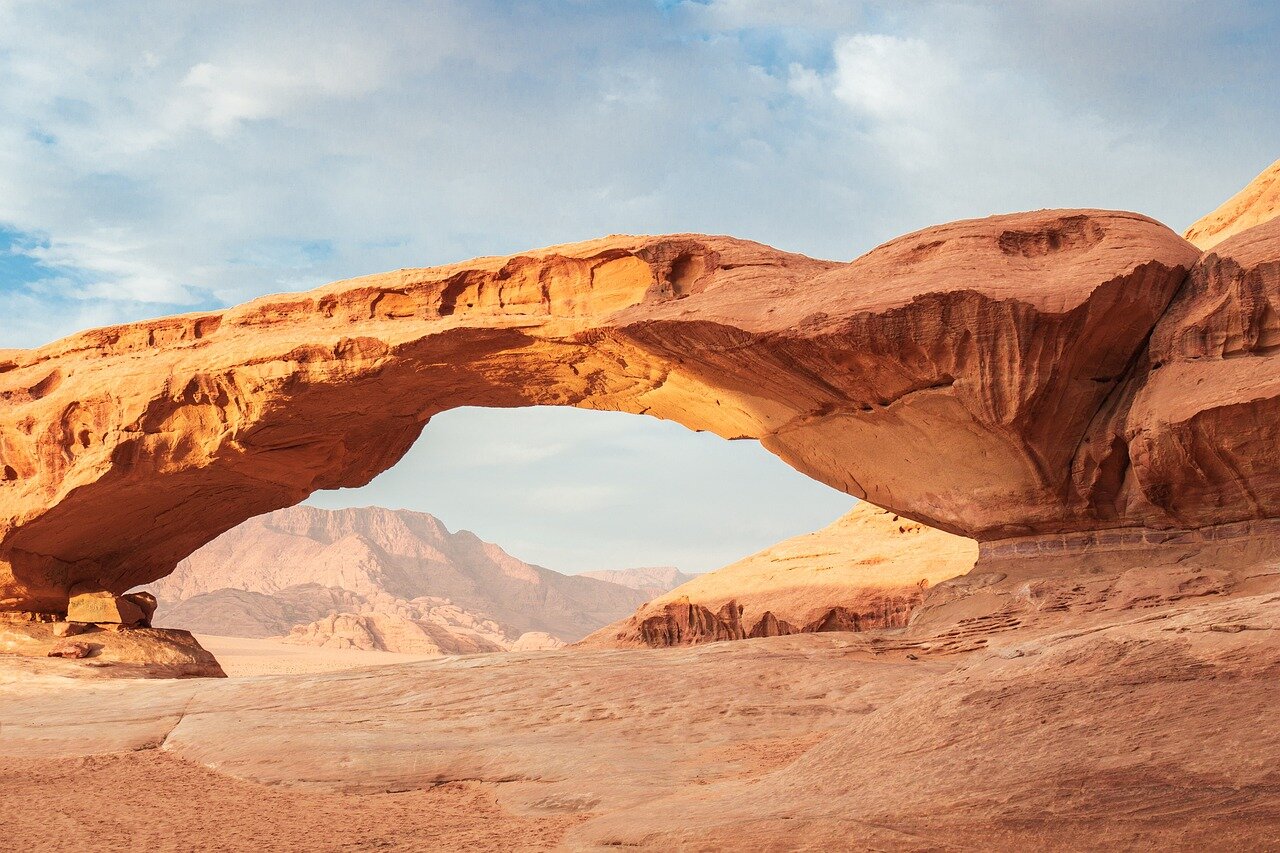
Jordan, a nation steeped in history and cultural diversity, offers an extraordinary backdrop for filmmakers. With its stunning landscapes ranging from the arid deserts of Wadi Rum to the lush hills of Ajloun, the country presents a variety of settings that can mimic different parts of the world. This geographical diversity, combined with a rich tapestry of historical sites such as Petra and Jerash, makes Jordan an attractive location for international film productions.
Initiatives such as the establishment of the Royal Film Commission in 2003 have been pivotal in promoting Jordan as a filming destination, as highlighted in the broader context of regional developments.
A Thriving Local Filmmaking Community
Jordan’s local filmmaking community has grown significantly, with many skilled professionals emerging from various backgrounds. From directors and cinematographers to production designers and crew members, the talent pool is both diverse and highly skilled. This growth has been bolstered by collaborations with international filmmakers, who have not only brought investment but also shared expertise and techniques that have enriched the local industry.
Films like ‘The Martian’ and ‘Transformers: Revenge of the Fallen’ have showcased Jordan’s breathtaking landscapes, further cementing its reputation on the global stage, much like the diverse perspectives explored in soccer turf management.
As the film industry in Jordan continues to evolve, it stands at the intersection of tradition and modernity, drawing on its rich cultural heritage while embracing new technologies and storytelling methods. This unique blend not only enhances the filmmaking process but also contributes to the global narrative of Jordan as a premier filming location.
Key Factors Contributing to Jordan’s Filmmaking Appeal
Jordan has emerged as a prominent destination for filmmakers due to its extraordinary landscapes, skilled local crews, and a supportive filmmaking community. The interests of various stakeholders, including government entities, local businesses, and international production companies, converge to create an environment conducive to film production.
The Jordanian government plays a pivotal role by offering incentives such as tax breaks and streamlined permitting processes to attract foreign filmmakers. This initiative aligns with their broader economic goals of enhancing tourism and creating job opportunities within the local economy.
Local crews, comprised of highly skilled professionals, are essential to the success of film projects in Jordan. Their expertise not only meets the technical demands of filmmaking but also fosters a collaborative spirit within the industry. However, there can be tensions between local workers and foreign crews regarding wage disparities and job security.

- Economic Interests: The influx of international productions boosts local economies through job creation and increased demand for services.
- Legal Challenges: Navigating copyright laws and international agreements can complicate film projects, necessitating clear communication and legal support.
- Environmental Concerns: Filming in sensitive areas raises questions about sustainability and the impact on local ecosystems.
- Cultural Sensitivity: Filmmakers must balance creative expression with respect for local customs and traditions, which can lead to conflicts.
In conclusion, the interplay of these factors highlights the complexity of Jordan’s filmmaking landscape, where opportunities and challenges coexist. Understanding the interests of various stakeholders is crucial for fostering a thriving film industry that benefits all parties involved.
The Economic and Cultural Impact of Filmmaking in Jordan
The burgeoning filmmaking industry in Jordan significantly affects various groups, including local communities, skilled laborers, and businesses within the hospitality and tourism sectors. As international filmmakers flock to the country, the demand for local expertise and resources increases, creating job opportunities for skilled crews and artisans. This influx not only elevates the local economy but also enhances the cultural exchange between international and Jordanian filmmakers.
In the short term, the immediate impact on daily life can be observed through increased employment opportunities in the film industry. Local technicians, actors, and crew members benefit from the demand for their skills, leading to a boost in household incomes. Additionally, businesses such as hotels, restaurants, and transportation services experience heightened activity as film crews and tourists converge in the region, stimulating the local economy.
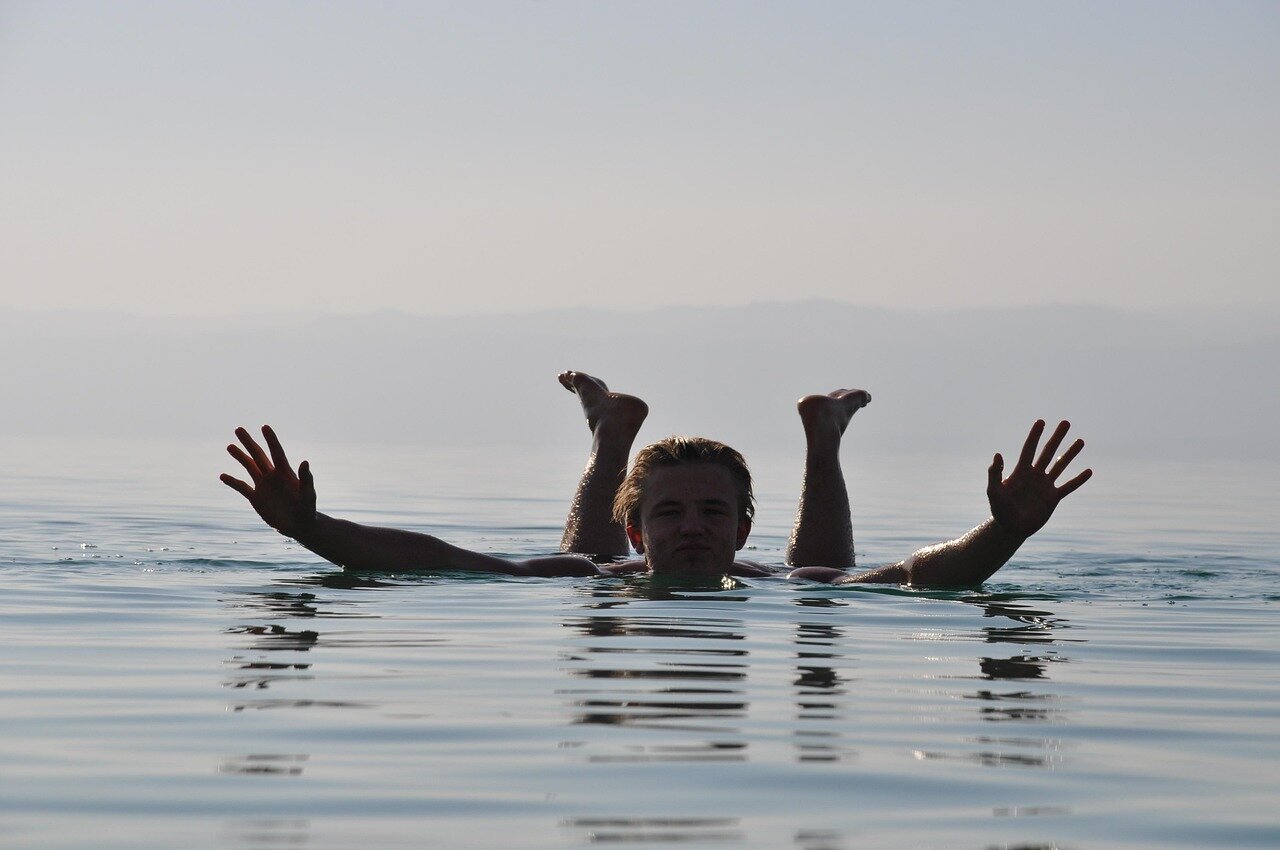
Mid-term impacts extend beyond immediate economic benefits. The presence of international film productions can lead to improved infrastructure, as roads and facilities are upgraded to accommodate filming needs. This development can enhance the overall quality of life for residents, making Jordan a more attractive destination for both tourists and future investors. However, there are risks associated with this rapid growth, including potential cultural dilution and environmental concerns.
- Job Creation: Increased demand for skilled labor in filmmaking.
- Economic Growth: Boost in local businesses, particularly in hospitality and tourism.
- Cultural Exchange: Opportunities for collaboration between local and international filmmakers.
- Infrastructure Development: Improvements in roads and facilities benefiting residents.
- Environmental Risks: Potential negative impacts on local ecosystems due to increased activity.
As the filmmaking community continues to thrive in Jordan, the balance between harnessing opportunities and mitigating risks will be crucial for sustainable growth. The ongoing partnership between local and international stakeholders can pave the way for a vibrant cultural landscape that benefits all involved.
A: Jordan offers extraordinary landscapes, historical sites, and a supportive local filmmaking community, making it a versatile choice for various film genres. A: Yes, Jordan has highly skilled local crews experienced in various aspects of filmmaking, from cinematography to production management. A: Notable films shot in Jordan include ‘Lawrence of Arabia’, ‘The Martian’, and ‘Indiana Jones and the Last Crusade’, showcasing its diverse locations. A: Filmmaking generates jobs, boosts tourism, and promotes local businesses, contributing significantly to Jordan’s economy. A: The Jordanian government offers incentives, including tax breaks and logistical support, to attract international filmmakers to the country.
Frequently Asked Questions about Filmmaking in Jordan
Future Outlook for Jordan’s Film Industry
Jordan’s unique landscapes and rich cultural heritage position it as a prime destination for filmmakers seeking diverse and extraordinary backdrops. The growing collaboration between local crews and international production companies not only enhances the quality of the projects but also contributes to the local economy and skill development within the community. As the global film industry continues to evolve, Jordan’s strategic focus on leveraging its natural and cultural assets will likely attract more significant investments and projects.
Furthermore, the establishment of supportive policies and infrastructure can further bolster the filmmaking ecosystem in Jordan. By nurturing local talent and promoting Jordan as a filming hub, the country can solidify its place in the competitive global film market, ensuring sustainable growth and innovation in this vibrant sector.
- Increased Investment: Expect to see more international productions choosing Jordan, leading to heightened investment in local infrastructure and talent development.
- Skill Enhancement: The collaboration between local crews and foreign filmmakers will continue to enhance skills and expertise in the Jordanian film industry.
- Policy Support: Continued government support and favorable policies will be crucial in maintaining Jordan’s attractiveness as a filming location.
- Community Engagement: The local community’s involvement in film projects will foster cultural exchange and promote tourism, further benefiting the economy.
- Technological Advancements: As technology in filmmaking evolves, Jordan’s industry may adopt new techniques and tools, making it more competitive on the global stage.