
Notably, in 2023, the government of Antigua and Barbuda announced a moratorium on new beachfront developments after local protests highlighted the adverse effects of foreign ownership on local economies and ecosystems. Activists argue that these developments often cater to wealthy tourists, leaving local residents with limited access to their own natural resources and recreational spaces. For more insights on similar local governance issues, check out this article.
Internationally, organizations like the Caribbean Tourism Organization (CTO) have begun to advocate for sustainable development practices that prioritize local interests. In response to growing public outcry, some regional governments are considering stricter regulations on foreign investments in beachfront properties. This shift aims to balance economic growth with the preservation of local culture and the environment.
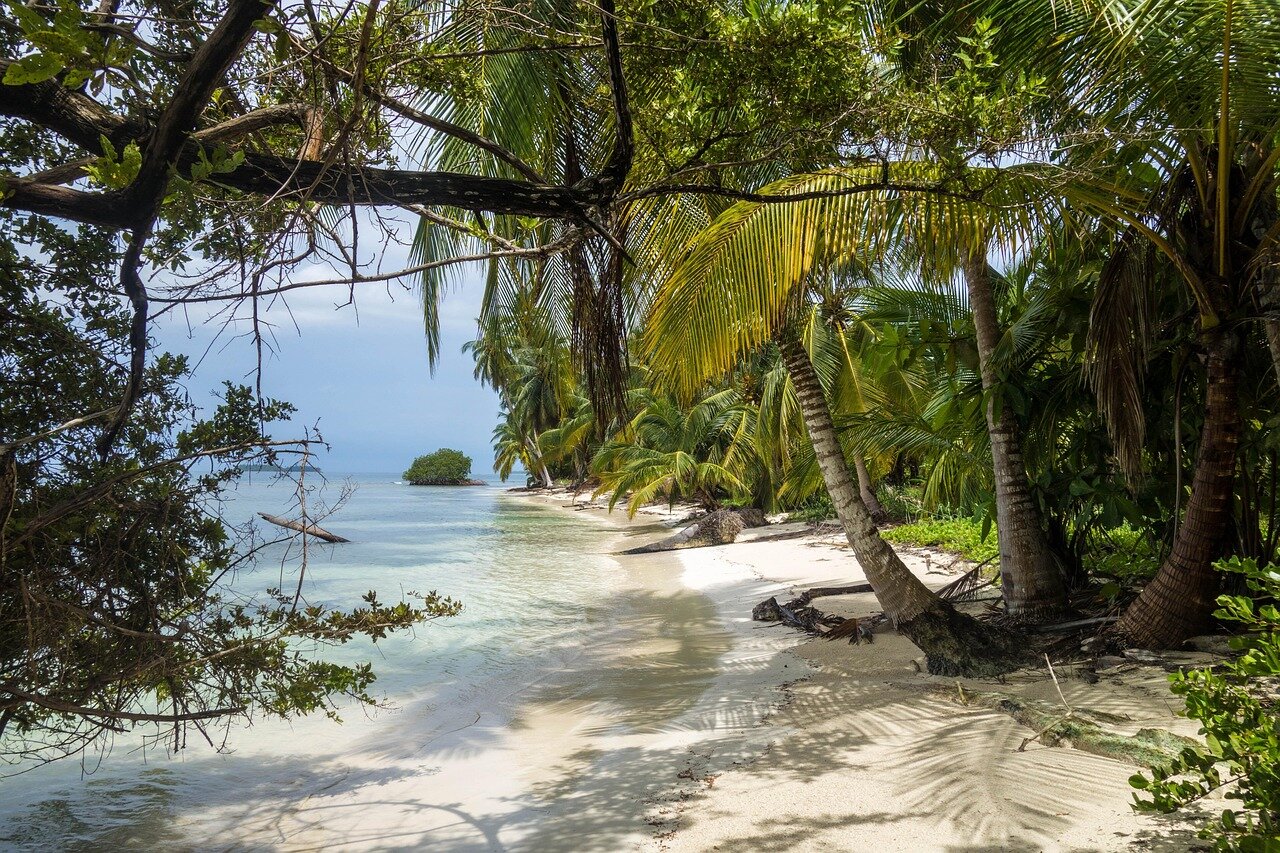
The ongoing debate has sparked discussions about the future of tourism in the Caribbean, with many calling for a model that ensures equitable benefits for local populations. As the situation develops, stakeholders from various sectors are urged to engage in dialogue to address the complex implications of foreign investment in this vital region.
Historical context of land ownership in the Caribbean
The Caribbean has a complex history of land ownership that dates back to the colonial era. European powers, primarily Spain, France, and Britain, colonized the islands from the 15th century onward, leading to the displacement of indigenous populations and the establishment of plantations. These plantations relied heavily on enslaved African labor, which created a socio-economic structure that favored European landowners and marginalized local communities.
After the abolition of slavery in the 19th century, many Caribbean nations struggled with land reform. The land was often concentrated in the hands of a few wealthy families or foreign investors, perpetuating economic inequalities. This historical context laid the groundwork for contemporary issues surrounding land ownership, as local populations often found themselves without access to their ancestral lands or the economic benefits derived from them.
Recent Developments in Foreign Investment
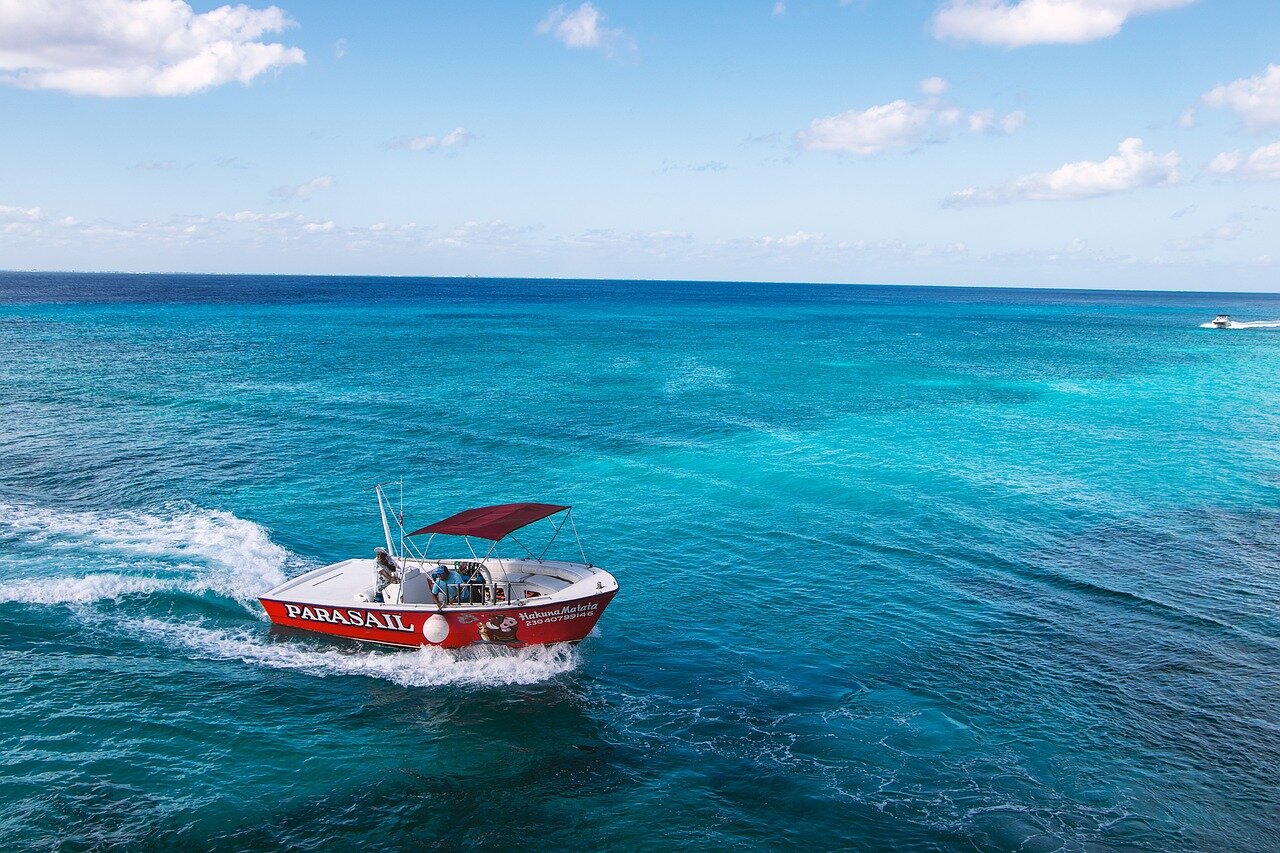
In recent decades, the Caribbean has seen an influx of foreign investment, particularly in the tourism sector. While this has brought economic opportunities, it has also led to significant concerns about the loss of local land to foreign developers. High-profile cases of foreign entities acquiring prime beachfront properties have sparked public outcry and prompted calls for legislation to protect local interests, similar to the ongoing discussions around the entertainment industry.
These developments have led to a growing movement advocating for the rights of local communities to retain control over their land and resources. Activists argue that foreign ownership not only threatens local culture and heritage but also exacerbates issues of economic disparity and environmental degradation. As a result, various Caribbean governments are now grappling with how to balance foreign investment with the rights of their citizens, making land ownership a contentious and politically charged issue.
Key stakeholders and their interests in beach development
The issue of foreign developers purchasing Caribbean beaches involves a complex interplay of various stakeholders, each with distinct interests and concerns. The primary actors include local governments, foreign investors, local communities, environmental organizations, and tourists.

Local governments often see foreign investment as a means to boost economic growth and create jobs. However, they also face pressure from constituents who may oppose the loss of public access to beaches and the potential environmental degradation that can accompany large-scale developments. Balancing economic benefits with the preservation of local culture and natural resources is a significant challenge.
Foreign developers are primarily motivated by profit and may argue that their investments bring modernization and infrastructure improvements. However, their interests can conflict with those of local residents, who may feel that their land and resources are being exploited. This tension can lead to protests and calls for stricter regulations on foreign ownership.
- Local Communities: Often advocate for the preservation of beaches for public use and cultural significance.
- Environmental Organizations: Raise concerns about the ecological impact of developments, including habitat destruction and pollution.
- Tourists: Seek access to pristine beaches, which can be compromised by private development.
- Legal Issues: Disputes over land ownership and rights can lead to protracted legal battles, complicating development projects.
- Economic Trade-offs: Investments can lead to short-term gains but may threaten long-term sustainability and local livelihoods.
Ultimately, the fight against foreign developers buying Caribbean beaches is emblematic of broader issues related to globalization, local governance, and environmental stewardship. The resolution of these conflicts requires careful negotiation and a commitment to equitable solutions that respect both economic needs and community values, much like the negotiations seen in recent technological advancements.
Impact on local communities and the environment
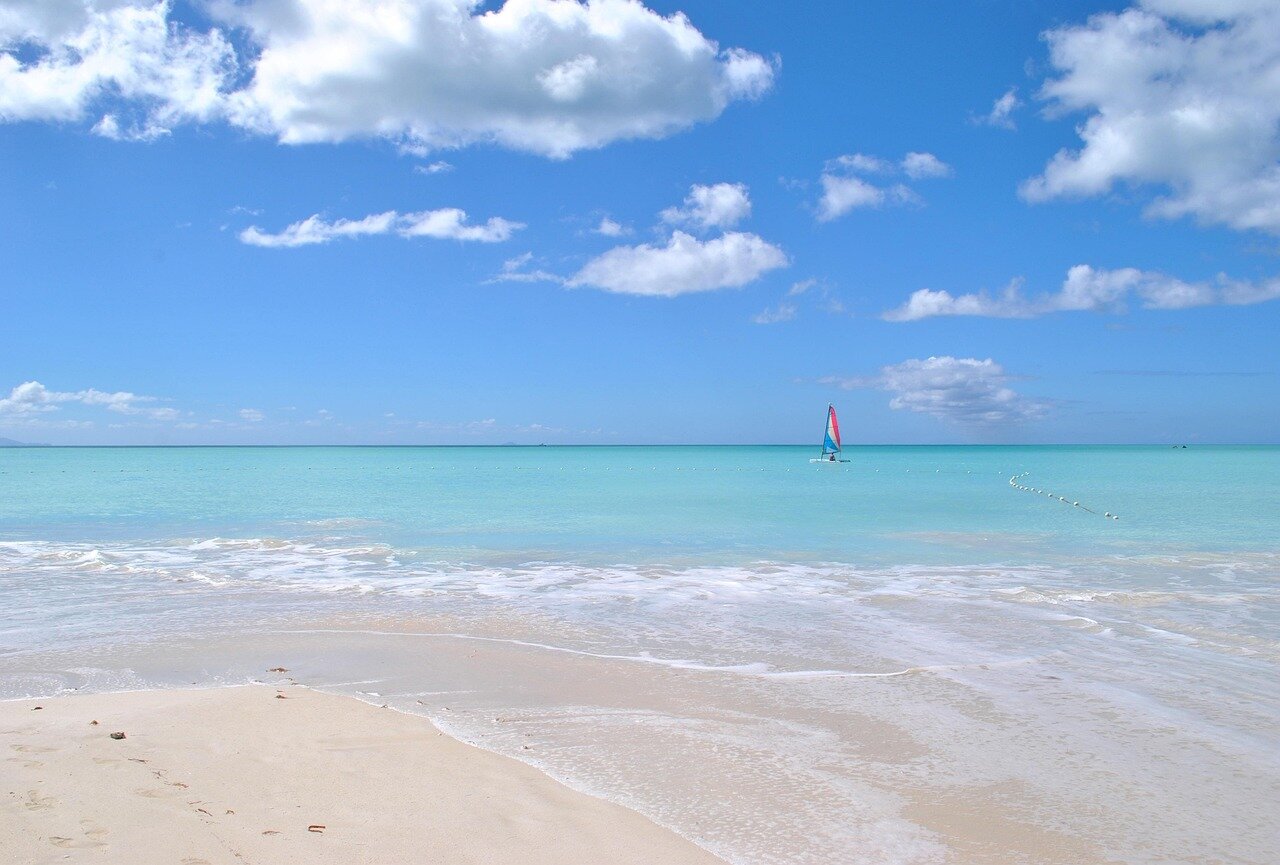
The ongoing battle against foreign developers acquiring Caribbean beaches significantly affects various groups, particularly local communities, environmental advocates, and tourism-dependent businesses. As these developers seek to transform pristine coastlines into luxury resorts, the immediate consequences ripple through the social fabric and economic landscape of the region.
Local residents often find themselves at the forefront of this conflict, facing potential displacement and loss of access to their traditional recreational spaces. The cultural significance of these beaches cannot be understated, as they are integral to local identity and heritage. Additionally, the environmental impact of such developments poses a threat to fragile ecosystems, which are vital for biodiversity and local fisheries.
In the short term, the influx of foreign investment may bring increased job opportunities in construction and hospitality. However, these positions are often temporary and may not translate into sustainable employment for locals. Furthermore, the rise in property values and living costs can lead to economic strain on long-standing residents, exacerbating social inequalities.
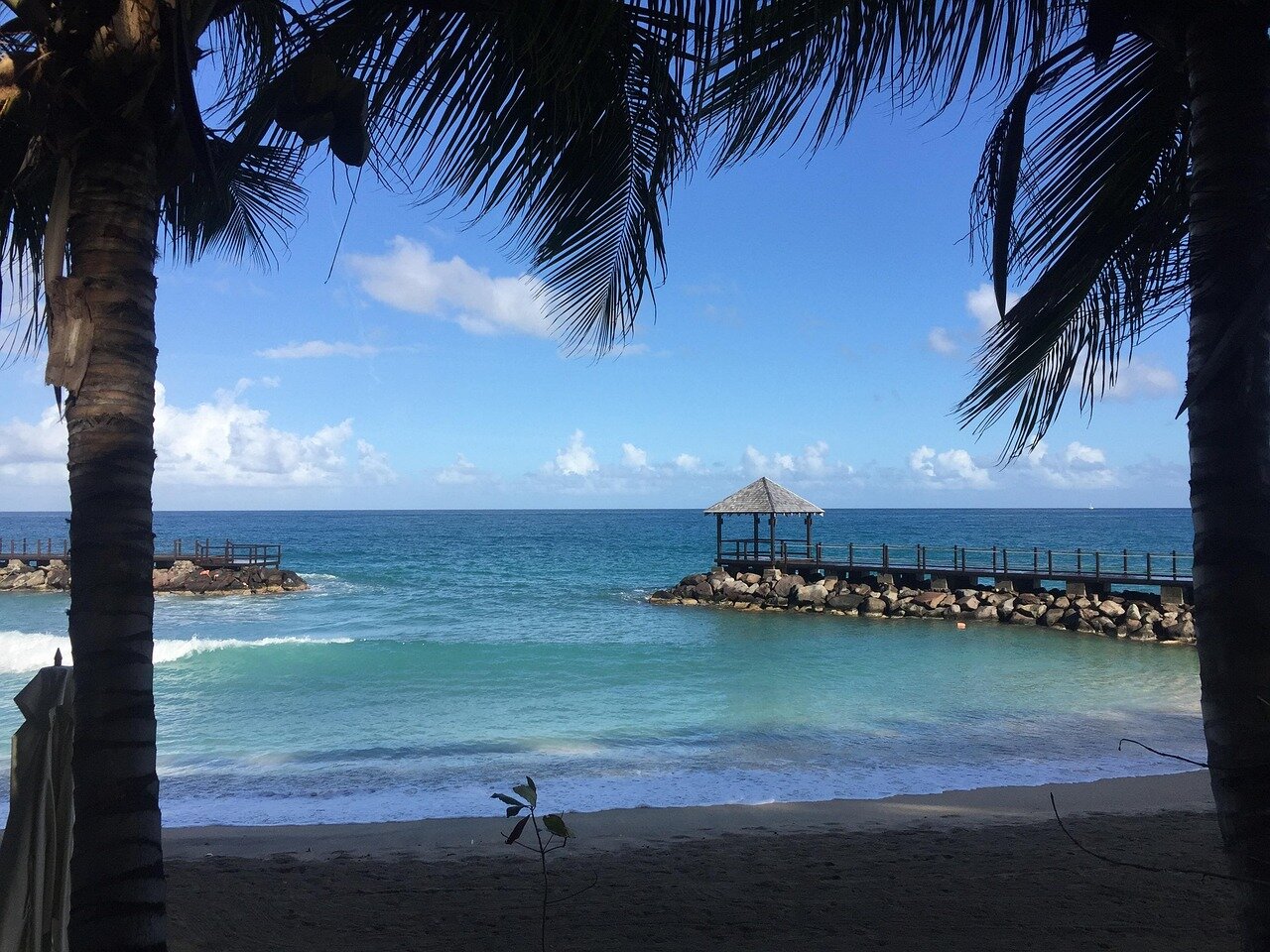
Mid-term impacts could see a shift in local policies as governments may prioritize foreign investment over community needs. This could result in stricter regulations on local businesses that cannot compete with large-scale developments. On the flip side, there is potential for increased awareness and activism, prompting communities to unite and advocate for sustainable tourism practices that prioritize local interests.
- Local communities: Displacement and loss of access to beaches.
- Environment: Threats to biodiversity and ecosystems.
- Employment: Temporary jobs versus sustainable opportunities.
- Policy changes: Potential shifts favoring foreign investments.
- Activism: Increased community engagement and advocacy for sustainability.
A: Foreign developers are attracted to Caribbean beaches due to their natural beauty and potential for tourism development, which can lead to significant profits. A: Local communities are concerned about loss of access to beaches, environmental degradation, and the displacement of residents due to large-scale developments. A: Governments are implementing regulations and policies aimed at protecting local interests and ensuring sustainable development practices. A: Environmental organizations advocate for the protection of natural resources and work to raise awareness about the potential negative impacts of foreign developments. A: Yes, there have been instances where local communities successfully campaigned against foreign developments, leading to the preservation of certain beach areas.
Frequently asked questions about beach development
Key takeaways and future outlook on beach ownership
The ongoing struggle against foreign developers acquiring Caribbean beaches highlights a critical intersection of local rights, environmental sustainability, and economic development. As communities strive to protect their natural resources and cultural heritage, the implications of these battles extend beyond immediate real estate concerns, affecting tourism, local economies, and the preservation of ecosystems.
Looking ahead, it is essential for stakeholderslocal governments, residents, and environmental advocatesto collaborate and create frameworks that prioritize community interests while balancing the need for investment and development. The evolving landscape of beach ownership will require vigilance and proactive measures to ensure that these cherished spaces remain accessible and protected for future generations.
- Monitor legislative changes that may impact foreign investment in coastal properties.
- Watch for community-led initiatives aimed at reclaiming or protecting beach access rights.
- Consider the role of sustainable tourism as a potential counterbalance to foreign development pressures.
- Evaluate the effectiveness of public awareness campaigns in galvanizing local resistance against unwanted developments.
- Assess potential partnerships between local governments and environmental organizations to safeguard coastal ecosystems.