
The Israeli military stated that the air strikes targeted sites associated with militant groups, claiming that these operations are necessary for national security. However, the high civilian toll has raised concerns among international observers and humanitarian organizations regarding the proportionality of the military response.
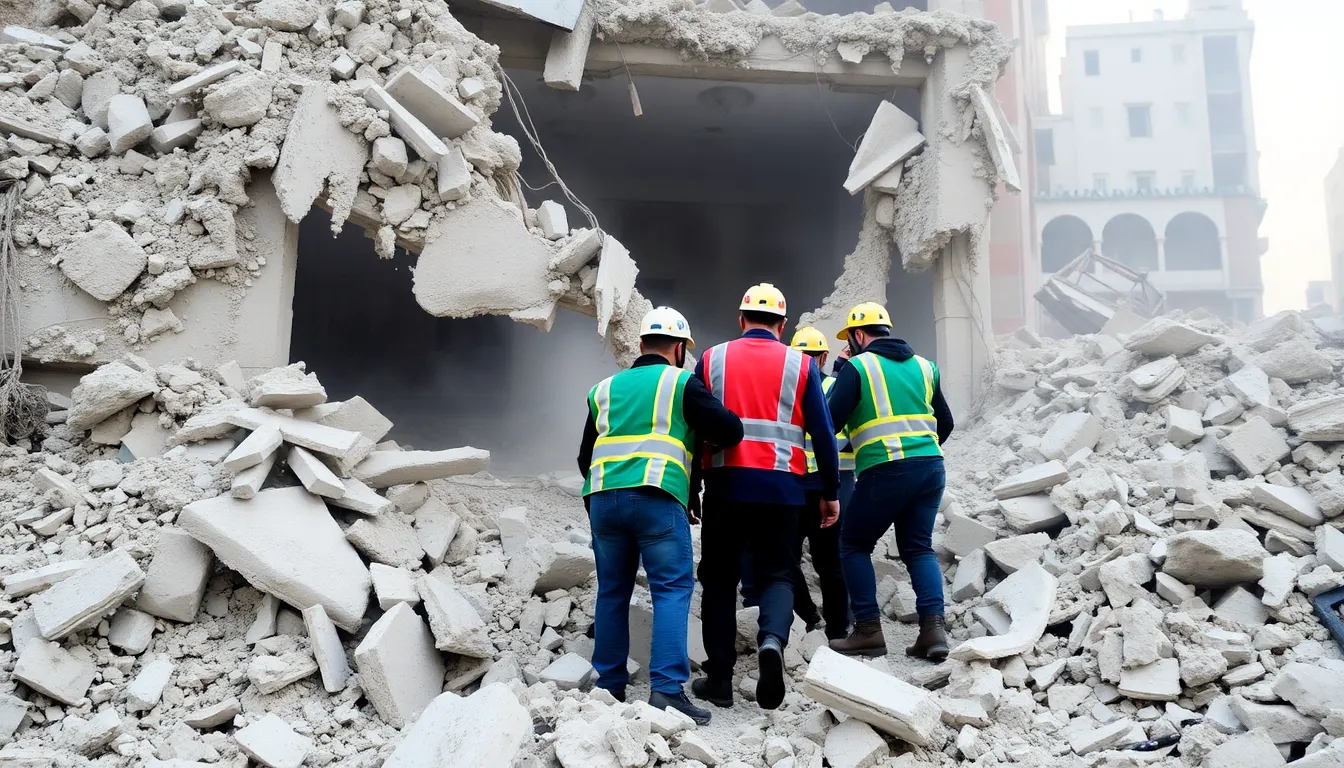
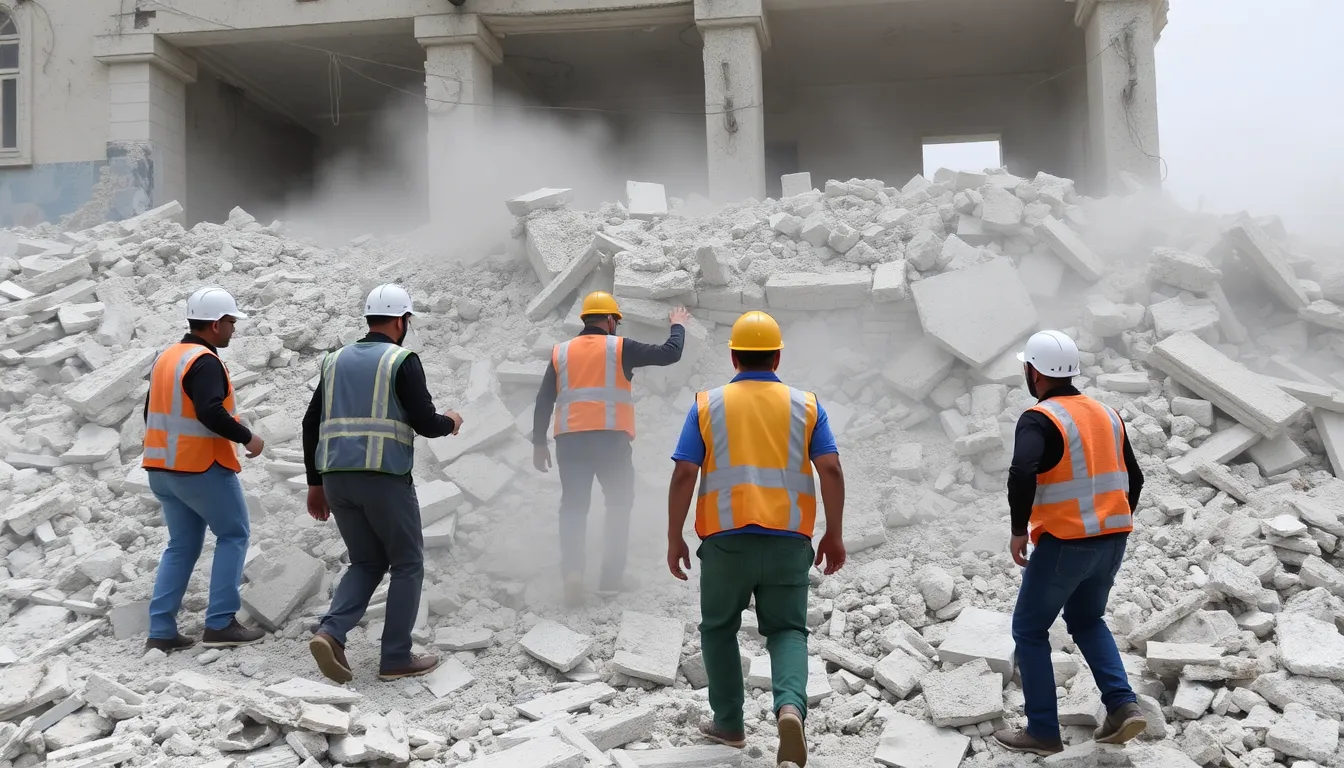
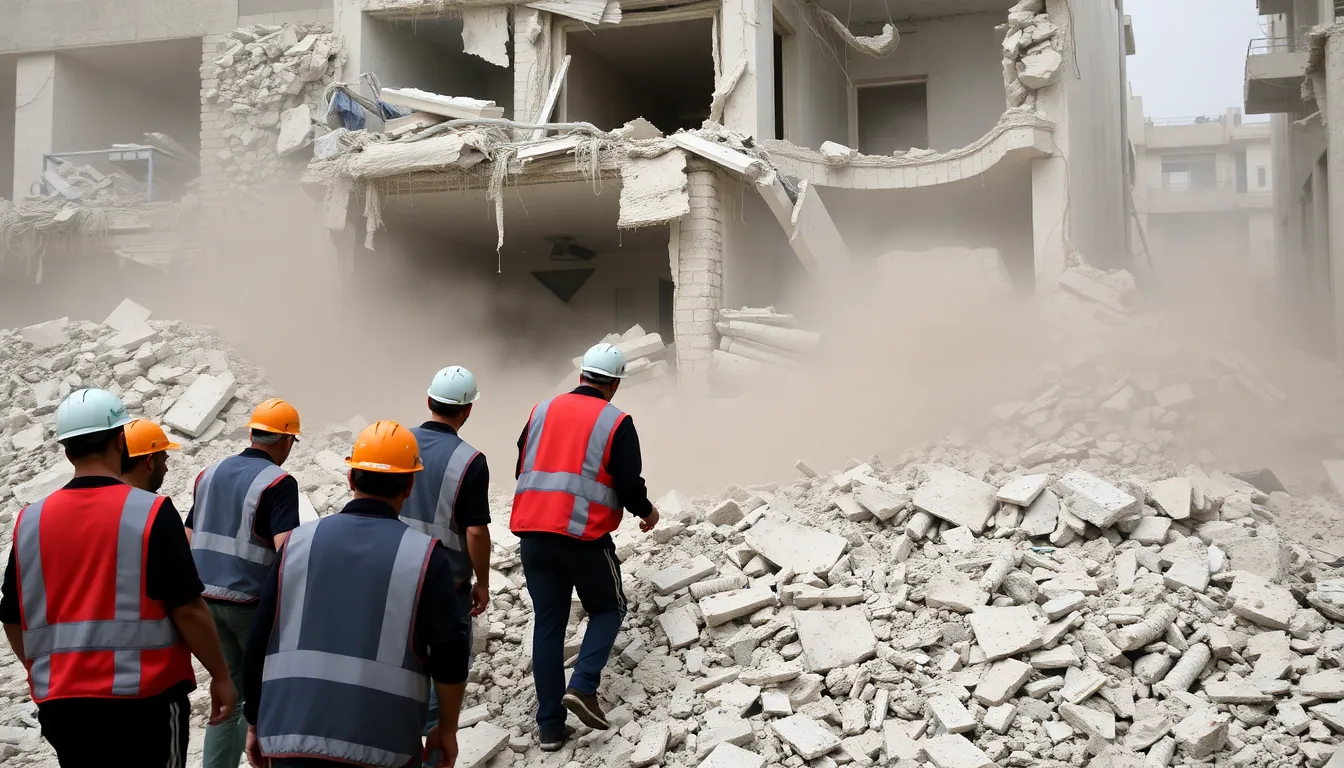
Local rescue teams have been working tirelessly to recover victims from the rubble, highlighting the dire humanitarian situation in Gaza. Hospitals are reportedly overwhelmed with casualties, and the infrastructure is severely damaged, complicating rescue and medical efforts.
This latest escalation marks a troubling chapter in the long-standing Israeli-Palestinian conflict. As tensions continue to rise, the international community is calling for de-escalation and renewed dialogue to prevent further loss of life and to address the underlying issues fueling the violence.
Understanding the background of the ongoing conflict
This initial conflict set the stage for decades of tension, violence, and failed peace efforts, which can be further explored in articles like Israeli Strikes in Gaza Kill 11 Including Three Journalists.
Over the years, key events have further exacerbated the situation. The Six-Day War in 1967 resulted in Israel’s occupation of the West Bank, Gaza Strip, and East Jerusalem, territories that are still at the heart of the conflict today. The Oslo Accords in the 1990s offered a glimmer of hope for peace, establishing the Palestinian Authority and outlining a framework for a two-state solution. However, subsequent violence, including the Second Intifada and ongoing settlement expansion, have undermined these efforts.
Recent Escalations
In recent years, periodic escalations have occurred, often ignited by specific incidents or broader political developments. The 2014 Gaza War, which resulted in significant casualties and destruction, highlighted the humanitarian crisis in Gaza, exacerbated by a blockade imposed by Israel and Egypt. The situation has continued to deteriorate, with repeated flare-ups of violence and airstrikes, leading to a cycle of retaliation that has claimed countless lives on both sides.
Current events are further complicated by internal Palestinian divisions, primarily between Fatah and Hamas, which have affected governance and the ability to present a unified front in negotiations. The ongoing humanitarian crisis in Gaza, characterized by high unemployment, limited access to resources, and restricted movement, fuels resentment and desperation among the population, contributing to the cycle of violence.
The recent airstrikes that have resulted in significant Palestinian casualties underscore the urgent need for a renewed dialogue and a comprehensive approach to peace, as discussed in Israel challenges Trump’s selections for Gaza Board of Peace executives.
Key stakeholders and issues surrounding the air strikes
The recent Israeli air strikes that resulted in the deaths of at least 32 Palestinians in Gaza have reignited discussions about the complex web of stakeholders involved in the ongoing conflict. The main actors include the Israeli government, Palestinian authorities, humanitarian organizations, and various international actors, each with their own interests and perspectives on the situation.
This perspective emphasizes the Israeli government’s commitment to national security and the protection of its population, which is a crucial part of understanding the conflict’s dynamics.
On the Palestinian side, the Palestinian Authority (PA) and Hamas represent key stakeholders. The PA seeks to maintain its political legitimacy and governance over the West Bank, while Hamas, which controls Gaza, aims to position itself as a defender of Palestinian rights and sovereignty. The air strikes exacerbate existing tensions between these two factions, complicating the political landscape and influencing public sentiment among Palestinians.
- Humanitarian Impact: The air strikes have resulted in significant civilian casualties, raising concerns about humanitarian law and the protection of non-combatants.
- International Response: Various countries and international organizations, including the United Nations, have condemned the violence and called for de-escalation, highlighting the global implications of the conflict.
- Legal Ramifications: The actions of both Israel and Palestinian groups raise complex legal questions regarding the legitimacy of military actions and the adherence to international law.
- Economic Factors: The ongoing conflict has severe economic repercussions for both Israelis and Palestinians, affecting trade, access to resources, and overall stability in the region.
Understanding these dynamics is essential for grasping the broader implications of the air strikes and the ongoing conflict in the region. The interplay between the interests of these stakeholders not only shapes immediate responses but also influences long-term prospects for peace and stability in the area.
Impact on the local population and international response
The recent Israeli air strikes in Gaza, resulting in the deaths of at least 32 Palestinians, have profoundly affected various groups within the region. The immediate impact is felt most acutely by families who have lost loved ones, as well as those who are injured or displaced. Humanitarian organizations are also facing increased pressure to provide aid and support in an already strained environment.
In the short term, daily life in Gaza has become increasingly precarious. Access to essential services such as healthcare, food, and clean water is further compromised, exacerbating the humanitarian crisis. Businesses, particularly those in the retail and service industries, are experiencing disruptions due to the ongoing violence, leading to potential losses in revenue and employment.
In the mid-term, the situation may lead to shifts in policy both locally and internationally. Governments and organizations may reassess their diplomatic stances and aid strategies, potentially increasing funding for humanitarian efforts or altering military support frameworks. This could also spark renewed discussions around peace negotiations and conflict resolution strategies.
- Humanitarian Aid: Increased demand for food, medical supplies, and shelter.
- Business Disruptions: Retail and service industries may face significant losses.
- Policy Shifts: Potential changes in international diplomatic efforts and aid allocation.
- Public Sentiment: Rising global awareness and activism around the conflict may influence public opinion and policy.
While the immediate risks are stark, there may also be opportunities for humanitarian organizations to strengthen their presence and support systems in the region. Increased international attention could lead to greater funding and resources for those affected, highlighting the need for long-term solutions and stability in the area.
A: The air strikes were reportedly in response to ongoing rocket fire from Gaza into Israeli territory, escalating tensions between the two sides. A: The international community has expressed concern over the rising civilian casualties and called for restraint from both sides to prevent further escalation. A: The situation remains tense, with rescue officials working to recover victims and provide aid to those affected by the strikes. A: As of now, there are no active peace talks, and the cycle of violence continues to hinder diplomatic efforts. A: Humanitarian organizations are attempting to provide aid and support, but the ongoing conflict complicates these efforts significantly.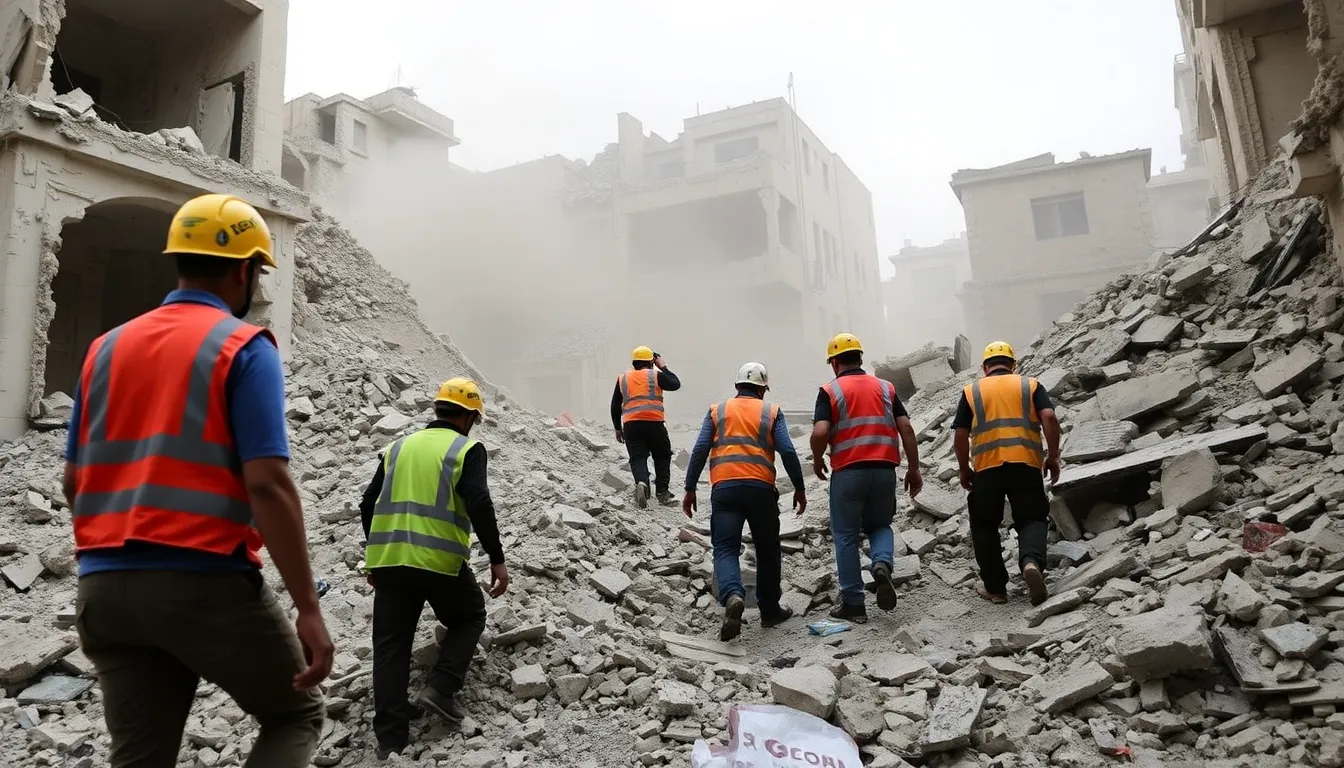
Frequently asked questions about the air strikes
Key takeaways and future outlook on the situation
The recent Israeli air strikes that resulted in the deaths of at least 32 Palestinians in Gaza underscore the ongoing volatility in the region. This escalation highlights the complex interplay of military actions and humanitarian concerns, as civilian casualties continue to rise amidst the conflict. The international community is likely to react strongly, potentially influencing diplomatic efforts aimed at de-escalation and long-term resolution.
As the situation develops, several factors will be critical to monitor. The reactions from both local and global stakeholders will shape the immediate future, while underlying tensions may lead to further confrontations if not addressed effectively.
- Watch for potential international diplomatic interventions aimed at reducing hostilities and addressing humanitarian needs.
- Monitor the responses from Palestinian authorities and factions, which may influence the trajectory of the conflict.
- Keep an eye on public sentiment within Israel and Palestine, as civilian perspectives could impact political decisions.
- Consider the implications for regional stability, particularly in relation to neighboring countries and their roles in the conflict.
- Observe how humanitarian organizations respond to the crisis, as their efforts will be crucial in providing aid and support to affected populations.