
However, Iranian diplomats reported feeling sidelined by U.S. demands that seemed to prioritize American interests over mutual cooperation, as discussed in the high-stakes diplomacy leading to Pakistan hosting US-Iran peace talks.
The lack of a collaborative atmosphere has prompted analysts to question the viability of future talks, as highlighted in the high-stakes diplomacy leading to Pakistan hosting US-Iran peace talks.
As the situation evolves, the international community is closely monitoring the developments in Pakistan. The perceived U.S. approach may not only affect Iran’s diplomatic relations but could also impact broader alliances in the Middle East. Understanding these dynamics is crucial for assessing the future of U.S.-Iran relations and their influence on regional geopolitics.
Background on U.S.-Iran Relations and Recent Developments
The relationship between the United States and Iran has been fraught with tension and conflict for decades, rooted in a complex history of political and ideological differences. The 1979 Iranian Revolution marked a significant turning point, as Iran transitioned from a pro-Western monarchy to an Islamic Republic, fundamentally altering its foreign policy and positioning itself against U.S. influence in the region. This shift was further exacerbated by the U.S. Embassy hostage crisis, which solidified mutual distrust and animosity.
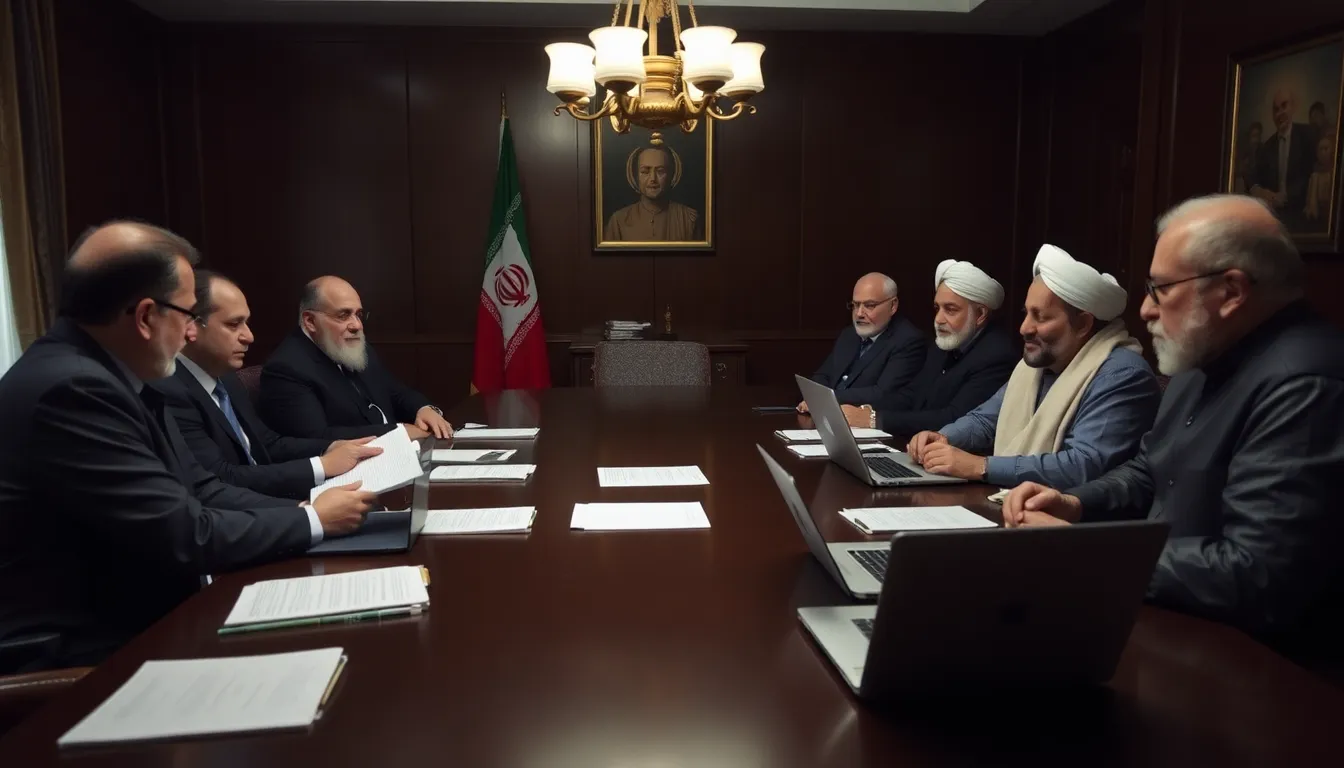
The imposition of economic sanctions by the U.S. and its allies, particularly in response to Iran’s nuclear program, further strained relations and mirrors tensions seen in earlier conflicts like the Iran-Iraq War.
Recent developments, particularly the U.S. withdrawal from the Joint Comprehensive Plan of Action (JCPOA) in 2018 under the Trump administration, have intensified these tensions. The reinstatement of sanctions aimed at crippling Iran’s economy has fueled resentment and led Iran to adopt a more aggressive stance in its foreign policy, including its involvement in regional conflicts and support for militant groups.
The Role of Regional Dynamics
In addition to the historical context, regional dynamics play a crucial role in shaping U.S.-Iran relations. Iran’s relationships with neighboring countries, particularly its alliances with groups such as Hezbollah in Lebanon and the Houthis in Yemen, have raised alarm in Washington. The U.S. perceives these alliances as threats to its interests and those of its allies, particularly Israel and Saudi Arabia, leading to a more confrontational approach from the U.S. side.
As negotiations continue, the perception of the U.S. as attempting to dictate terms rather than engage in genuine dialogue complicates the prospect for a peaceful resolution. The historical context of distrust, combined with current geopolitical realities, sets the stage for a challenging diplomatic landscape.
Key Stakeholders and Issues at Play in the Negotiations
The recent talks between Iran and the United States have highlighted a complex web of stakeholders, each with distinct interests and motivations. The primary actors include the Iranian government, the U.S. administration, and various regional powers such as Saudi Arabia and Israel, each playing a crucial role in shaping the dynamics of the negotiations.
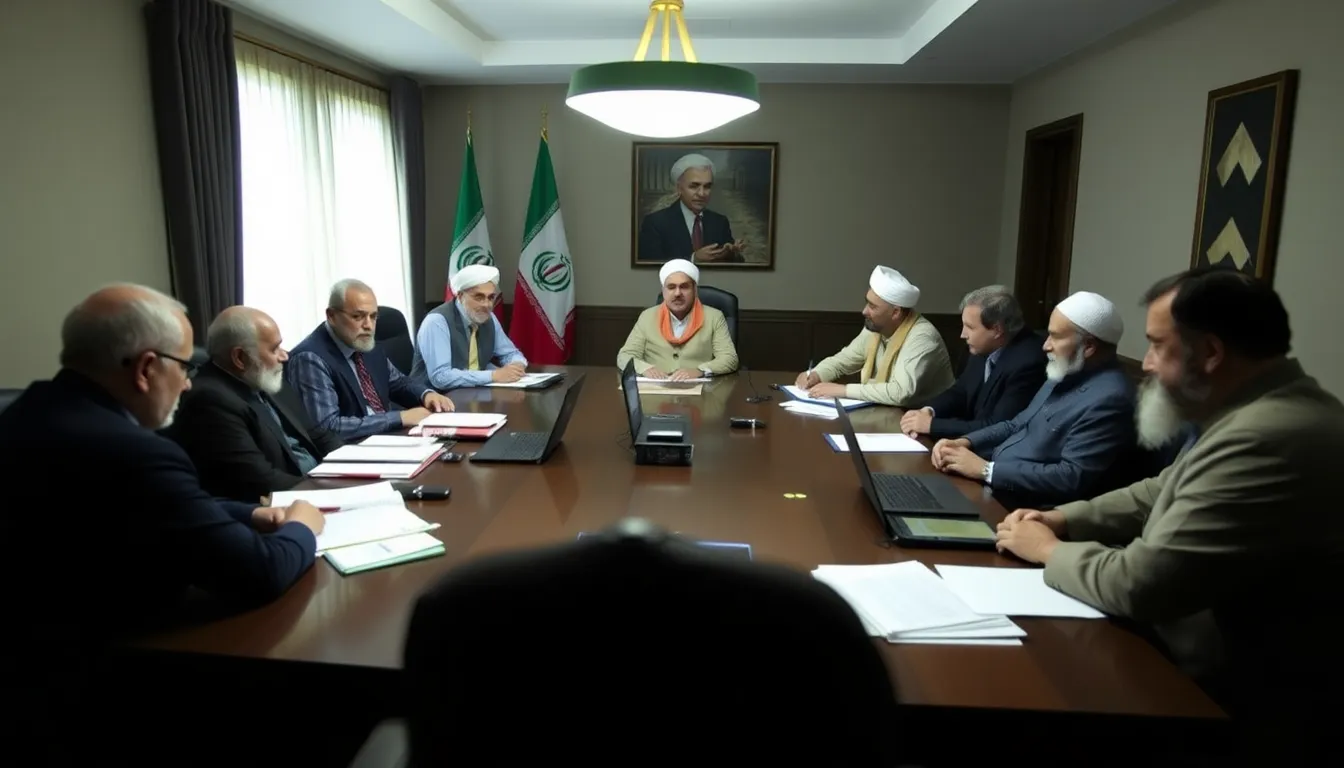
Iran, led by its government officials, seeks to lift economic sanctions that have severely impacted its economy. The Iranian leadership aims to secure recognition of its regional influence and autonomy, particularly in light of its nuclear program. Conversely, the U.S. administration under President Biden is focused on curbing Iran’s nuclear ambitions and ensuring that Tehran adheres to international agreements, reflecting a broader strategy of maintaining stability in the Middle East.
In this context, a few key issues emerge that highlight the trade-offs and conflicts present in the negotiations:
- Economic Sanctions: The lifting of sanctions is a primary concern for Iran, while the U.S. seeks to maintain pressure to ensure compliance with nuclear agreements.
- Regional Security: The U.S. and its allies, particularly Israel and Saudi Arabia, are wary of Iran’s influence in the region, complicating the negotiation landscape.
- Nuclear Proliferation: Ensuring that Iran does not develop nuclear weapons remains a top priority for the U.S., impacting its negotiating stance.
- Domestic Politics: Both the U.S. and Iran face internal pressures that influence their negotiation strategies, with hardliners on both sides advocating for more aggressive stances.
These issues create a challenging environment for negotiations, as both sides must navigate their respective domestic and international pressures while striving to reach a mutually acceptable agreement. The potential for miscommunication and misunderstanding further complicates the dialogue, with each party interpreting actions and statements through the lens of their own interests and experiences.
Potential Impact on Regional Stability and International Relations
The recent talks between Pakistan and Iran, framed by U.S. involvement, have significant implications for various groups and industries across the region. The diplomatic dynamics could affect not only governmental relations but also the everyday lives of citizens, particularly in border areas that rely heavily on trade and cross-border interactions.
In the short term, local businesses in regions bordering Iran may experience disruptions due to uncertainties surrounding trade policies and border security. Economic sectors such as agriculture, textiles, and small-scale manufacturing could face challenges as tariffs and trade agreements come into question. Additionally, communities dependent on remittances from family members working in Iran may see fluctuations in income, impacting their daily living conditions.
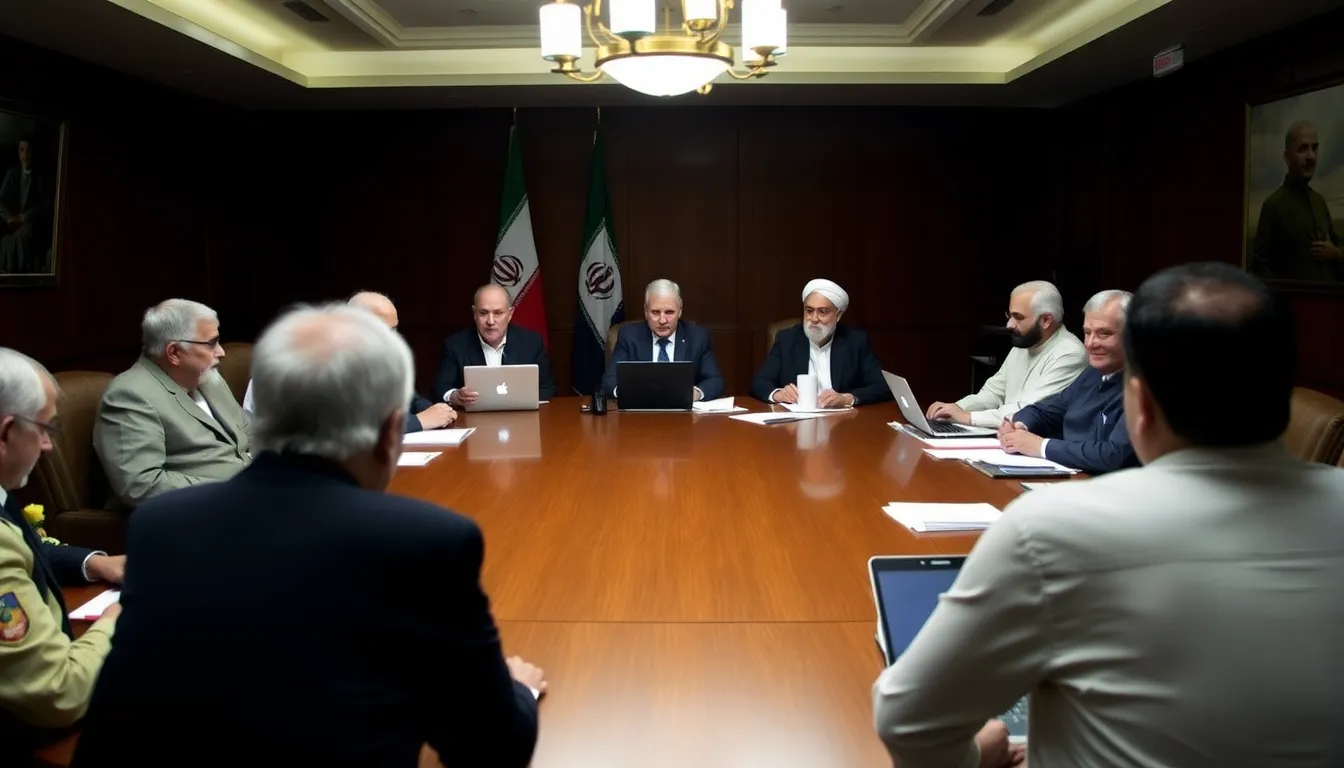
Mid-term effects may include shifts in regional alliances and economic partnerships. Countries in the vicinity, including Afghanistan and India, may reassess their strategies in response to perceived U.S. attempts to dictate terms rather than negotiate. This could lead to a reconfiguration of trade routes and partnerships, opening up opportunities for alternative alliances that could benefit local economies.
- Increased tensions: Heightened diplomatic strains may lead to increased military presence in border areas, affecting local populations.
- Economic volatility: Businesses reliant on cross-border trade could face significant risks, impacting jobs and livelihoods.
- Opportunities for new alliances: Countries may seek to forge new economic partnerships, potentially leading to growth in alternative markets.
Overall, while the immediate implications of the talks may present risks for local economies and stability, there are also potential opportunities for redefined relationships that could foster long-term benefits for the region.
A: The talks were initiated to address ongoing tensions and seek a diplomatic resolution to various regional issues. Both countries aim to stabilize their relations amidst complex geopolitical dynamics. A: Iran views the U.S. approach as more dictatorial than negotiative, believing that the U.S. is imposing conditions rather than engaging in constructive dialogue. A: Iran’s primary concerns include sovereignty, regional influence, and the lifting of sanctions. They seek assurances that their interests will be respected. A: The outcome of the talks could significantly impact regional stability, influencing alliances and conflicts in the Middle East, particularly involving neighboring countries. A: While it’s uncertain, potential outcomes could range from agreements on economic cooperation to frameworks for addressing security concerns, depending on the negotiation dynamics.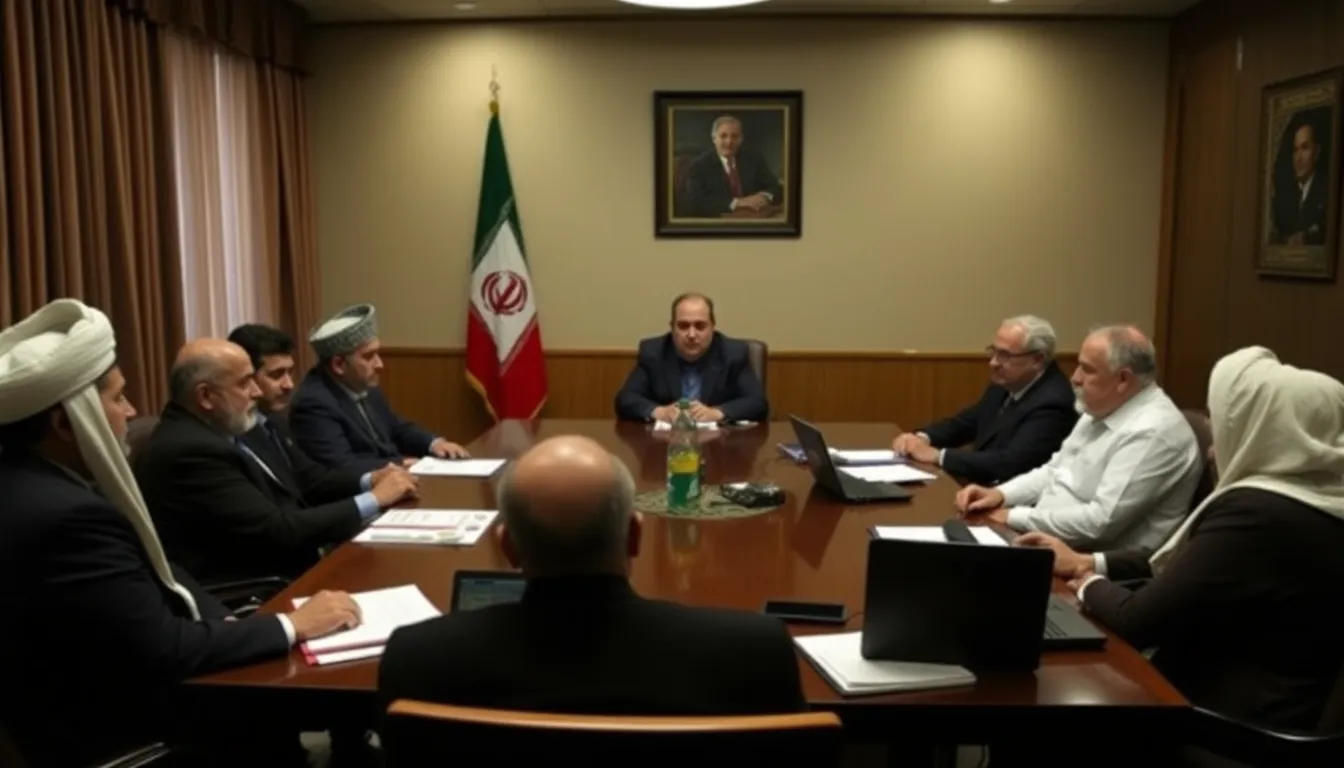
Frequently Asked Questions about the Talks
Insights and Future Outlook on U.S.-Iran Negotiations
The recent discussions between Iran and the United States have highlighted a growing tension in diplomatic approaches, with Iran perceiving U.S. actions as attempts to dictate terms rather than engage in genuine negotiation. This shift in dynamics raises critical questions about the future of U.S.-Iran relations and the broader implications for regional stability. As both nations navigate this complex landscape, understanding the evolving strategies and motivations will be essential for predicting future developments.
<pObservers should remain vigilant as these negotiations unfold, particularly in how they may influence not only U.S.-Iran relations but also the geopolitical landscape in the Middle East. The potential for escalation or reconciliation will depend on the willingness of both parties to adapt their approaches and find common ground.
- Monitor changes in U.S. diplomatic strategies and their potential impact on Iran’s regional alliances.
- Watch for Iran’s responses to perceived U.S. pressure, which could lead to shifts in its foreign policy or military posture.
- Consider the role of third-party nations in facilitating or hindering negotiations between the U.S. and Iran.
- Evaluate the implications of any agreements or breakdowns in talks on global oil markets and security dynamics.
- Stay informed about domestic political reactions within both the U.S. and Iran, as these could significantly influence future negotiations.