
The Iranian government has framed these military maneuvers as necessary defensive measures in response to perceived threats from the United States and its allies in the region. This rhetoric aligns with Iran’s long-standing policy of asserting its influence over Gulf nations, which it views as vital to its national security. The implications of these actions extend beyond immediate military concerns, as they threaten to destabilize an already volatile region, much like the situation described in Turkey’s recent actions.
In Kuwait, officials have noted increased Iranian naval activity in the Persian Gulf, with Iranian vessels reportedly conducting maneuvers close to Kuwaiti territorial waters. The Kuwaiti government has expressed its commitment to safeguarding its sovereignty while also seeking diplomatic channels to address the rising tensions. This situation underscores the delicate balance that Gulf states must maintain in the face of Iranian assertiveness.
As the situation develops, both Bahrain and Kuwait are likely to enhance their military readiness and seek closer cooperation with allies, particularly the United States. The potential for miscalculations or unintended escalations looms large, raising concerns about the broader implications for regional stability and security. International observers are closely monitoring these developments, as they could have significant repercussions for diplomatic relations in the Middle East.

Understanding the historical tensions in the Gulf region
The Gulf region has been a focal point of geopolitical tension for decades, primarily due to its strategic location and vast oil reserves. The rivalry between Iran and its Arab neighbors, particularly Bahrain and Kuwait, stems from a complex interplay of historical grievances, sectarian divides, and competing national interests, much like the dynamics observed in the recent world events. The Islamic Revolution in Iran in 1979 marked a significant turning point, as it not only transformed Iran into a theocratic state but also incited fears among Gulf monarchies about the potential spread of revolutionary ideas.
Bahrain, which has a majority Shia population ruled by a Sunni monarchy, has been particularly sensitive to Iranian influence. The 2011 Arab Spring protests in Bahrain saw a surge in anti-government demonstrations, which were perceived by the ruling regime as being supported by Iran. This has led to a heightened sense of vulnerability among Bahrain’s leadership, fostering a narrative that positions Iran as a direct threat to national security.
Kuwait, while historically more stable, has also experienced its share of tensions with Iran. The 1980s Iran-Iraq War, which saw Kuwait supporting Iraq, further strained relations. In recent years, Kuwait has had to navigate its foreign policy carefully, balancing its economic ties with Iran against the backdrop of Saudi Arabia’s influence in the region, which is essential to understand, especially in light of the geopolitical shifts occurring elsewhere.
Key Milestones in Gulf-Iran Relations
Several key events have shaped the current landscape of Gulf-Iran relations. The Iran-Iraq War (1980-1988) not only devastated both countries but also entrenched animosities that have persisted. The U.S. invasion of Iraq in 2003 created a power vacuum that Iran sought to fill, further alarming its Gulf neighbors. More recently, the 2015 nuclear deal between Iran and world powers, while aimed at curbing Iran’s nuclear ambitions, has also been viewed by Gulf states as a means for Iran to expand its regional influence. These historical contexts set the stage for the current tensions, as Iran’s actions in the region continue to provoke responses from its Gulf neighbors.

Key stakeholders and their interests in the conflict
The recent targeting of sites in Bahrain and Kuwait by Iran has escalated tensions in the Gulf region, highlighting a complex web of stakeholders with varying interests. The primary actors include the Iranian government, the governments of Bahrain and Kuwait, regional powers like Saudi Arabia, and international entities such as the United States and the United Nations.
The Iranian government, under the leadership of President Ebrahim Raisi, aims to assert its influence in the region and demonstrate military capability. This action may be seen as a response to perceived threats from neighboring countries and a way to rally domestic support amid economic challenges. Iran’s interests are rooted in expanding its geopolitical reach and countering what it views as hostile actions from Gulf monarchies.
Bahrain and Kuwait, on the other hand, are concerned about their national security and the potential for destabilization. Both nations have significant Shiite populations and are wary of Iranian influence, which they fear could exacerbate sectarian tensions. Their interests lie in maintaining stability, securing their borders, and fostering strong alliances with regional powers and the West to deter Iranian aggression.
- The Iranian government seeks to project strength and deter external intervention.
- Bahrain and Kuwait prioritize national security and regional stability.
- Saudi Arabia views Iranian actions as a direct threat to its influence and security.
- The United States is focused on preventing the proliferation of Iranian military capabilities.
- The United Nations aims to mediate tensions and promote diplomatic solutions.
In this context, the conflict raises significant legal and economic issues. The targeting of sites could violate international norms regarding sovereignty and non-aggression, prompting potential responses from the international community. Economically, the Gulf states are heavily reliant on oil exports, and any escalation in conflict could disrupt trade routes and impact global oil prices, further complicating the interests of stakeholders involved.

Potential repercussions for regional stability and security
The recent targeting of sites in Bahrain and Kuwait by Iran has significant implications for various groups and industries in the region. The immediate impact is felt by the local populations, government entities, and businesses that rely on stability for their operations. Heightened tensions could disrupt daily life, leading to increased security measures and a potential decline in tourism and foreign investments.
In the short term, residents in affected areas may experience heightened anxiety and uncertainty, influencing their daily routines and economic activities. Businesses, particularly in the hospitality and retail sectors, may see a decline in customer footfall as people prioritize safety over leisure. Additionally, the governments of Bahrain and Kuwait may face pressure to enhance security protocols, diverting resources from other essential services.
In the mid-term, the geopolitical landscape could shift as regional powers reassess their alliances and security strategies. This may lead to increased military spending and the establishment of new defense agreements, impacting public budgets and potentially leading to tax increases or reallocations of funds. Industries such as defense and security technology may see growth opportunities, while sectors reliant on regional stability could suffer.
- Local populations: Increased anxiety and potential disruptions in daily life.
- Businesses: Decline in tourism and consumer spending.
- Government entities: Pressure to enhance security measures and potential budget reallocations.
- Defense industry: Growth opportunities as military spending increases.
- Regional alliances: Possible shifts in geopolitical relationships and security agreements.
The unfolding situation also presents potential opportunities for diplomatic engagement and conflict resolution initiatives. As tensions rise, there may be a renewed focus on dialogue among regional powers, potentially leading to collaborative security frameworks that could stabilize the area in the long run. However, the risks associated with escalation remain significant, and the balance between opportunity and threat will be crucial for the future of the region.
A: Iran’s actions are believed to be a response to perceived threats from these countries, particularly in the context of regional alliances and conflicts. A: Both countries are likely enhancing their security measures and collaborating with allies to address the heightened risks posed by Iran’s military actions. A: The situation may strain relations between Iran and its neighbors, as well as impact the broader geopolitical landscape involving global powers. A: Diplomatic channels are being explored, but the effectiveness of these efforts remains uncertain given the escalating tensions. A: Civilians could face increased risks due to military actions, along with potential disruptions to daily life and economic activities.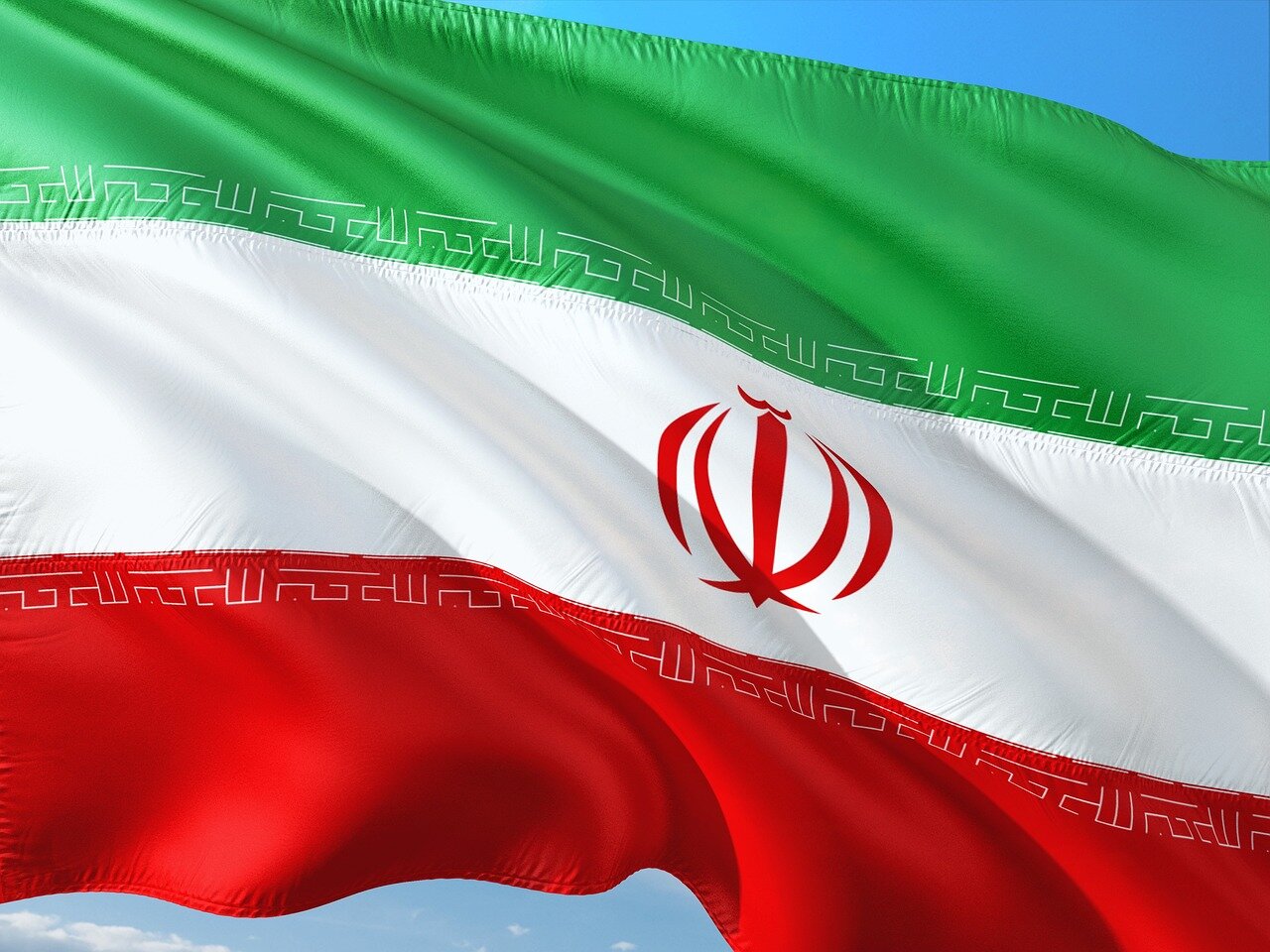
Frequently asked questions about the situation
Looking ahead: implications and future developments
The recent targeting of sites in Bahrain and Kuwait by Iran signals a significant escalation in regional tensions. This development not only highlights Iran’s assertive posture but also raises concerns about the stability of the Gulf Cooperation Council (GCC) states. As these nations navigate the complexities of their security environments, the potential for further conflict or diplomatic fallout looms large.
Observers should remain vigilant regarding the responses from both Bahrain and Kuwait, as well as the broader international community. The implications of these actions could reshape alliances and provoke shifts in military strategies across the region, making it essential to monitor the evolving geopolitical landscape.
- Watch for potential military responses from Bahrain and Kuwait, which may alter regional security dynamics.
- Monitor the reactions of GCC allies, particularly Saudi Arabia and the United States, as they may influence Iran’s future actions.
- Consider the impact on economic ties and energy markets, particularly if tensions escalate further.
- Follow developments in Iran’s domestic politics, as internal pressures may affect its foreign policy decisions.
- Be alert to any diplomatic efforts aimed at de-escalation, which could provide a pathway to stability in the region.