
Telemundo, which is the Spanish-language broadcaster for the event, has also seen remarkable numbers, with its matches drawing in over 3 million viewers on average. This surge in viewership underscores the growing popularity of soccer in the United States, particularly among Hispanic audiences, who are engaging with the tournament more than ever before. For more insights, check out our piece on Exploring the Murky Beauty of 2K88 and Collaborators.
Peacock, NBCUniversal’s streaming service, has capitalized on this trend by offering exclusive content and live coverage of the matches. The platform has reported a 200% increase in subscriber engagement since the tournament began, indicating a shift towards digital consumption of sports content among younger audiences. The growing influence of streaming can also be seen in various sectors, such as in the recent efforts against the black market for fake luxury goods in Vietnam.
This surge in viewership is not only a reflection of the World Cup’s global appeal but also highlights the strategic investments made by broadcasters to enhance the viewing experience. With high-stakes matches and compelling storylines, the tournament has become a cultural phenomenon, drawing in diverse audiences and generating significant advertising revenue for these networks.

The significance of the World Cup in global sports culture
The FIFA World Cup, held every four years, stands as one of the most prestigious and widely viewed sporting events in the world. Its significance transcends mere competition; it embodies national pride, cultural exchange, and global unity. The tournament not only showcases the best football talent but also serves as a platform for countries to display their identity and values on a global stage.
The inaugural World Cup took place in 1930 in Uruguay, setting the foundation for a tournament that would grow exponentially in popularity. Over the decades, the event has evolved, reflecting changes in technology, media, and society. The introduction of television in the mid-20th century transformed viewership, allowing millions to experience the excitement of the matches in real-time, thus expanding the tournament’s reach beyond its physical venues.
In recent years, the World Cup has become a pivotal moment for broadcasters, with networks like Fox, Telemundo, and Peacock vying for broadcasting rights. The 2022 World Cup in Qatar highlighted this trend, as it attracted record-breaking viewership figures across various platforms, showcasing the event’s ability to captivate audiences in the digital age. This surge in viewership is not only a testament to the tournament’s enduring appeal but also underscores the growing importance of sports in the global media landscape, similarly to how the recent missile tests in the Pacific have captured global attention.
The economic impact of the World Cup
The economic ramifications of the World Cup extend far beyond the pitch. Host nations often invest heavily in infrastructure, tourism, and marketing, hoping to leverage the global spotlight to boost their economies. For broadcasters, the event represents a lucrative opportunity for advertising revenue and sponsorship deals, as brands seek to connect with the vast audience that the World Cup attracts. This economic interplay highlights the World Cup’s role as a catalyst for growth, making it a key player in both sports and business.

Key stakeholders and their roles in the World Cup broadcast
The World Cup, a global sporting event, attracts a diverse array of stakeholders, each with distinct interests and objectives. Key players in this ecosystem include broadcasting networks such as Fox, Telemundo, and Peacock, as well as FIFA, the governing body of football. Additionally, advertisers, sponsors, and viewers play crucial roles in shaping the dynamics of the event.
Fox and Telemundo hold exclusive broadcasting rights in the United States, which positions them as primary stakeholders. Their interests lie in maximizing viewership and advertising revenue during the tournament. The high viewership numbers not only enhance their market share but also enable them to secure lucrative advertising deals. Peacock, as a streaming platform, aims to attract subscribers and boost its profile by offering live sports content, thus competing with traditional broadcasters.
FIFA, on the other hand, has a vested interest in maintaining the integrity and global appeal of the World Cup. The organization seeks to ensure that the event is accessible to a wide audience while also generating substantial revenue from broadcasting rights and sponsorships. This creates a complex relationship with broadcasters, who are tasked with delivering content that meets both FIFA’s standards and viewer expectations.
- Conflicts may arise over broadcasting rights, particularly as digital platforms like Peacock challenge traditional networks.
- Legal issues surrounding advertising regulations and content rights can create tension between stakeholders.
- Economic trade-offs exist as networks balance the costs of acquiring rights against potential advertising revenue.
- Viewers’ preferences for content delivery methods (streaming vs. traditional TV) influence how networks strategize their offerings.
Overall, the interplay between these stakeholders highlights the complexities of the World Cup’s broadcasting landscape, where competing interests must be navigated to achieve success. The event not only serves as a platform for sports but also as a significant cultural phenomenon that impacts various sectors, including media, advertising, and technology.
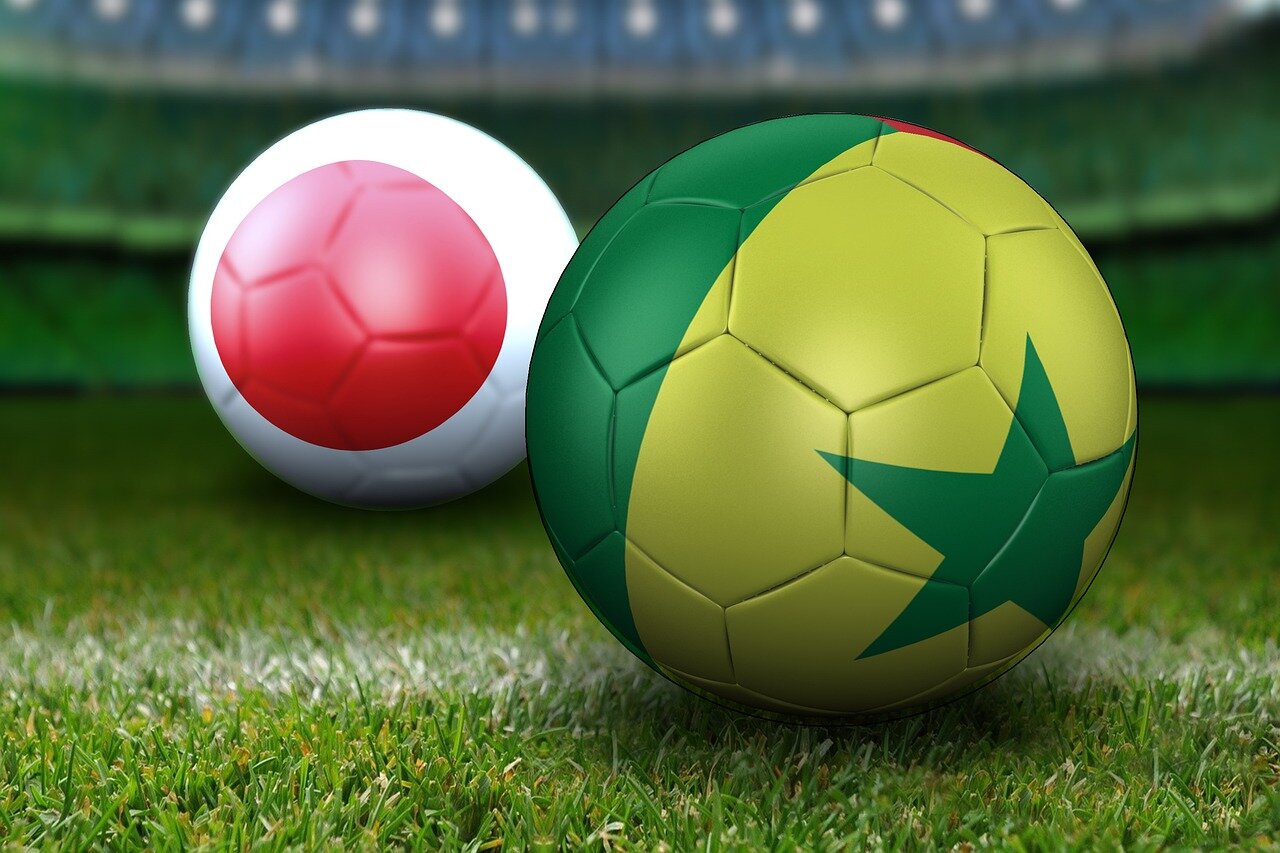
How the World Cup affects advertising and viewership trends
The World Cup has a profound impact on various groups, industries, and regions, primarily affecting advertisers, broadcasters, and local businesses. Major networks like Fox, Telemundo, and streaming platforms such as Peacock experience significant spikes in viewership, which in turn influences advertising strategies and revenue generation. The event attracts a diverse audience, including sports fans, casual viewers, and families, creating a unique opportunity for brands to engage with a broad demographic.
In the short term, businesses in the hospitality and retail sectors see increased foot traffic as fans gather to watch matches in bars, restaurants, and public viewing areas. This surge not only boosts sales but also enhances community engagement. Additionally, advertisers ramp up spending during this period, aiming to capture the attention of millions of viewers. This creates a ripple effect, benefiting production companies and content creators who develop engaging advertisements tailored for the event.
Mid-term impacts may include shifts in consumer behavior, as brands that successfully leverage World Cup viewership can build long-lasting relationships with new customers. Furthermore, the heightened visibility of certain products or services can lead to sustained sales growth well after the tournament concludes. However, there are risks involved; companies that fail to resonate with the audience or misjudge the cultural significance of the event may face backlash, leading to reputational damage.
- Increased advertising revenue: Networks and platforms experience a surge in ad spending, leading to higher profits.
- Boost for local businesses: Restaurants and bars benefit from increased patronage during matches.
- Shifts in consumer behavior: Brands can establish long-term connections with new customers.
- Potential backlash: Misaligned marketing efforts may harm brand reputation.
Regions with strong soccer followings, particularly in Latin America and Europe, experience heightened cultural engagement and pride, while also seeing economic benefits from tourism and local events. Overall, the World Cup serves as a catalyst for both immediate and lasting changes across various sectors, highlighting the intersection of sports, culture, and commerce.

A: The World Cup achieved record viewership, with millions tuning in across various platforms, significantly surpassing previous tournaments. A: Each network reported substantial increases in viewership, with unique strategies that catered to diverse audiences, enhancing their market presence. A: The World Cup creates a unique advertising environment, with brands investing heavily to reach the massive audience, leading to higher ad rates and innovative campaigns. A: The World Cup transcends sports, becoming a global cultural phenomenon that unites fans and influences trends in music, fashion, and social media. A: Streaming platforms like Peacock have become essential for reaching younger audiences, offering flexible viewing options that cater to modern viewing habits.
Frequently asked questions about World Cup viewership
Future implications of World Cup viewership trends
The recent World Cup has not only set records for viewership across platforms like Fox, Telemundo, and Peacock, but it has also underscored the growing intersection of sports and pop culture. As these networks capitalize on the event’s popularity, the implications for future broadcasting strategies and content creation are significant. The surge in engagement indicates a ripe opportunity for advertisers and sponsors to connect with a diverse audience that transcends traditional demographics.
Moreover, the high viewership numbers suggest that streaming services will continue to play a pivotal role in sports broadcasting. As audiences increasingly turn to digital platforms for their viewing needs, networks must adapt their strategies to enhance user experience and engagement, potentially leading to innovative content offerings that blend entertainment with live sports.
- Increased investment in sports programming: Expect networks to allocate more resources to sports content, seeking to capture and retain the engaged audiences seen during the World Cup.
- Integration of pop culture elements: Future broadcasts may increasingly incorporate elements of pop culture, such as celebrity appearances and music performances, to attract wider audiences.
- Growth of streaming services: As viewership shifts to digital platforms, streaming services will likely expand their sports offerings, enhancing accessibility for fans.
- Innovative advertising strategies: Brands will explore more creative advertising methods tailored to the sports audience, leveraging the heightened engagement seen during major events.
- Focus on diverse audience engagement: Networks will need to consider diverse demographics and preferences, ensuring content resonates with varied viewer segments.