
In September 2023, the International Atomic Energy Agency (IAEA) reported that Iran had significantly increased its uranium enrichment levels, moving closer to weapons-grade material. This development has alarmed global powers, with the United States and its allies reiterating the importance of diplomatic measures to curb Iran’s nuclear ambitions. For more insights on the impact of these developments on global security, see our article on global energy markets.
Diplomatic efforts to revive the 2015 nuclear deal have stalled, with both sides blaming each other for the lack of progress. Iran’s insistence on lifting all sanctions before making concessions contrasts sharply with the West’s demand for verifiable commitments to nuclear non-proliferation. This stalemate leaves the door open for potential military confrontations, as regional actors prepare for various scenarios.
The geopolitical implications of this standoff are profound, affecting not only the Middle East but also global energy markets and international security frameworks. As the situation evolves, the risk of miscalculation or escalation remains high, prompting calls for renewed dialogue and engagement from both sides. The coming months are critical in determining whether Iran will move towards greater isolation or seek a path to reconciliation with the international community.
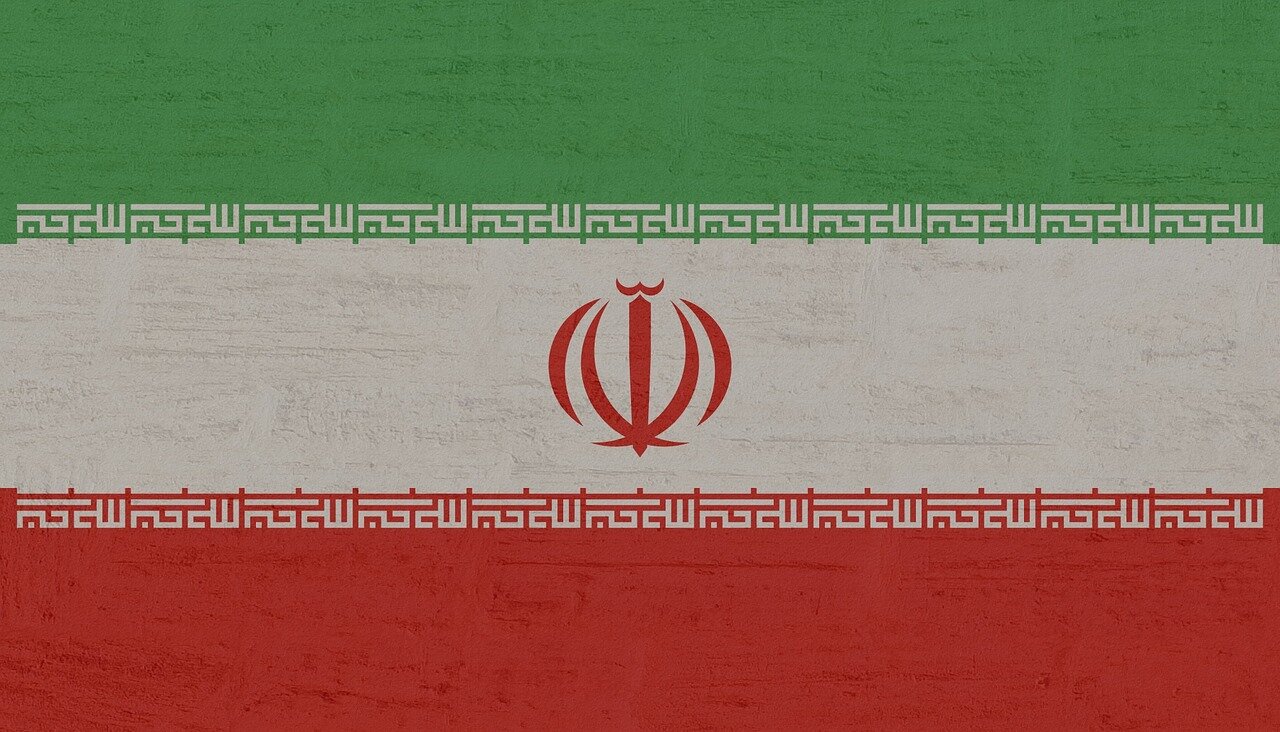
Historical background of Iran’s geopolitical struggles
Iran’s geopolitical landscape has been shaped by a complex interplay of historical events, political upheavals, and foreign interventions. The roots of the current tensions can be traced back to the early 20th century, particularly the 1953 coup d’état that overthrew the democratically elected Prime Minister Mohammad Mossadegh. This event, orchestrated by the CIA and British intelligence, reinstated the Shah, Mohammad Reza Pahlavi, who ruled with an iron fist and fostered widespread resentment among the populace, a sentiment that resonates with other regions as detailed in our coverage of international relations.
The 1979 Islamic Revolution marked a significant turning point, as it transformed Iran from a monarchy into an Islamic Republic under Ayatollah Khomeini. This shift not only altered Iran’s internal dynamics but also its international relations, particularly with the United States, which had been a key ally of the Shah. The hostage crisis that ensued, where American diplomats were held for 444 days, solidified a deep-seated animosity between the two nations that persists today, a point that parallels other dramatic shifts in governance as discussed in our piece on changing political landscapes.
In the ensuing decades, Iran has faced a series of conflicts and sanctions that have further complicated its geopolitical standing. The Iran-Iraq War (1980-1988) devastated the nation and led to significant loss of life, while the post-war era saw Iran’s pursuit of nuclear technology, which has been a contentious issue in international relations. The fear of a nuclear-armed Iran has led to a myriad of sanctions imposed by Western nations, further isolating the country economically and politically.
The Role of Regional Conflicts
Iran’s involvement in regional conflicts has also played a crucial role in shaping its current geopolitical struggles. The country has supported various militant groups across the Middle East, including Hezbollah in Lebanon and various factions in Iraq and Syria. These actions have heightened tensions with neighboring countries, particularly Saudi Arabia and Israel, who view Iran’s influence as a direct threat to their own national security. The ongoing civil war in Syria and the conflict in Yemen have further entrenched Iran’s position as a key player in regional power dynamics, leaving the world in a precarious balance between peace and war.

Key stakeholders and their interests in the conflict
The ongoing tensions surrounding Iran’s geopolitical stance involve a complex web of stakeholders, each with distinct interests and motivations. At the forefront are the Iranian government and its leadership, which seeks to maintain its sovereignty and regional influence while navigating international sanctions. The Iranian leadership is particularly focused on bolstering its economy and military capabilities, often at odds with Western nations that advocate for nuclear non-proliferation.
On the other hand, the United States and its allies, including European nations and Israel, prioritize regional stability and the prevention of nuclear proliferation. The U.S. has implemented a series of sanctions aimed at curtailing Iran’s nuclear program, which they view as a direct threat to both regional and global security. This has led to a standoff where diplomatic negotiations are often overshadowed by military posturing.
Additionally, regional players such as Saudi Arabia and other Gulf states have vested interests in the outcome of Iran’s policies. These nations perceive Iran’s actions as a challenge to their own security and influence, leading them to support U.S. initiatives while also seeking to strengthen their military capabilities. The potential for a nuclear-armed Iran raises alarm bells in these countries, prompting them to consider their own nuclear ambitions.
- Iran’s Nuclear Program: Central to the conflict, with Iran seeking to develop its capabilities while facing international opposition.
- Economic Sanctions: The U.S. and allies impose sanctions, impacting Iran’s economy and fueling domestic discontent.
- Regional Security Dynamics: Tensions with neighboring countries, particularly Saudi Arabia, complicate the geopolitical landscape.
- Global Energy Markets: Iran’s oil exports are crucial for the global economy, influencing international responses to the conflict.
- International Alliances: The role of organizations such as the United Nations and the International Atomic Energy Agency in mediating tensions.
Potential impacts on regional stability and global markets
The ongoing tensions in Iran present a complex web of challenges that affect various groups, industries, and regions. The primary stakeholders include local Iranian citizens, neighboring countries, global oil markets, and international businesses engaged with Iran. Each of these groups faces unique risks and opportunities as the situation evolves.
In the short term, daily life for Iranian citizens may be marked by increased uncertainty and instability. Economic sanctions could tighten, leading to inflation and shortages of essential goods. This turmoil can also exacerbate social unrest, as people struggle to cope with rising costs and limited access to basic services.
For neighboring countries, particularly those in the Gulf region, the potential for conflict poses significant risks to security and economic stability. Nations like Saudi Arabia and Iraq may need to bolster their military readiness, while also preparing for potential refugee influxes. Conversely, these countries could find opportunities in increased defense spending and military contracts.
Global markets, especially the oil industry, are likely to experience volatility as investors react to the changing dynamics in Iran. A sudden escalation in conflict could lead to spikes in oil prices, impacting economies worldwide. However, if diplomatic efforts succeed, there may be opportunities for investment and trade in the region, particularly in energy and infrastructure projects.
- Short-term risks: Increased sanctions, social unrest, and economic instability in Iran.
- Mid-term risks: Potential military conflict affecting regional security and global oil supply.
- Opportunities: Defense contracts for neighboring countries and potential for investment in post-conflict reconstruction.
Ultimately, the interplay between peace and war in Iran will have far-reaching consequences, shaping the geopolitical landscape and influencing global economic trends for years to come.
A: Negotiations have been stalled, with both sides showing reluctance to compromise on key issues. The situation remains tense as diplomatic efforts continue. A: Any escalation in conflict could lead to disruptions in oil supply, causing prices to rise. Conversely, a peaceful resolution may stabilize the market. A: Countries like the United States, Russia, and members of the EU have significant influence, each pursuing their own strategic interests in the region. A: Recent discussions have indicated a potential for renewed dialogue, but no concrete agreements have been reached as of now. A: The ongoing uncertainty affects daily life in Iran, with economic sanctions impacting citizens’ livelihoods and access to essential goods.
Frequently asked questions about the Iran situation
Future outlook on peace and conflict in the region
The current geopolitical landscape surrounding Iran remains precarious, with a delicate balance between potential diplomatic breakthroughs and escalating tensions. As the international community navigates this complex situation, the implications for regional stability and global security are profound. The actions taken by both Iran and external powers will significantly influence whether the trajectory shifts towards a more peaceful coexistence or further conflict.
Monitoring the evolving dynamics will be crucial. Key players must remain vigilant to the signs of escalation or de-escalation, as well as the impact of domestic pressures within Iran that could affect its foreign policy. The interplay of internal and external factors will ultimately shape the future of peace and conflict in this pivotal region.
- Watch for shifts in Iran’s domestic politics that could alter its approach to international negotiations.
- Keep an eye on the responses of regional powers, as their strategies will influence the overall stability of the Middle East.
- Pay attention to the role of global powers, particularly the U.S. and European nations, in facilitating or hindering diplomatic efforts.
- Monitor developments in Iran’s nuclear program, as advancements may trigger renewed tensions and conflict.
- Consider the humanitarian implications of ongoing sanctions and their impact on the Iranian populace, which could affect public sentiment and policy direction.