
The company’s co-founder, who played a crucial role in its early development, recently shared insights about the upcoming public offering. For those interested, Understanding SpaceX IPO and How to Invest emphasizes the importance of this event not only for SpaceX but also for the broader commercial space sector, which has seen increased investment and interest in recent years.
The market debut is expected to attract substantial attention from investors, given SpaceX’s track record of innovation and success, including the development of the Starship rocket and the Starlink satellite constellation. Analysts predict that the IPO could raise billions of dollars, further fueling the company’s ambitious goals in space exploration and satellite technology, as discussed in this guide.
As the date of the IPO approaches, industry experts are closely monitoring the implications of this move. A successful market entry could pave the way for other private aerospace companies to follow suit, potentially reshaping the competitive landscape of the industry.
Background on SpaceX’s founding and growth trajectory
Founded in 2002 by Elon Musk, SpaceX was established with the goal of reducing space transportation costs to enable the colonization of Mars. Musk’s vision was driven by a belief that humanity must become a multi-planetary species to ensure its long-term survival. The company began its journey with a modest budget and a small team, including a handful of early employees who shared Musk’s ambitious vision.
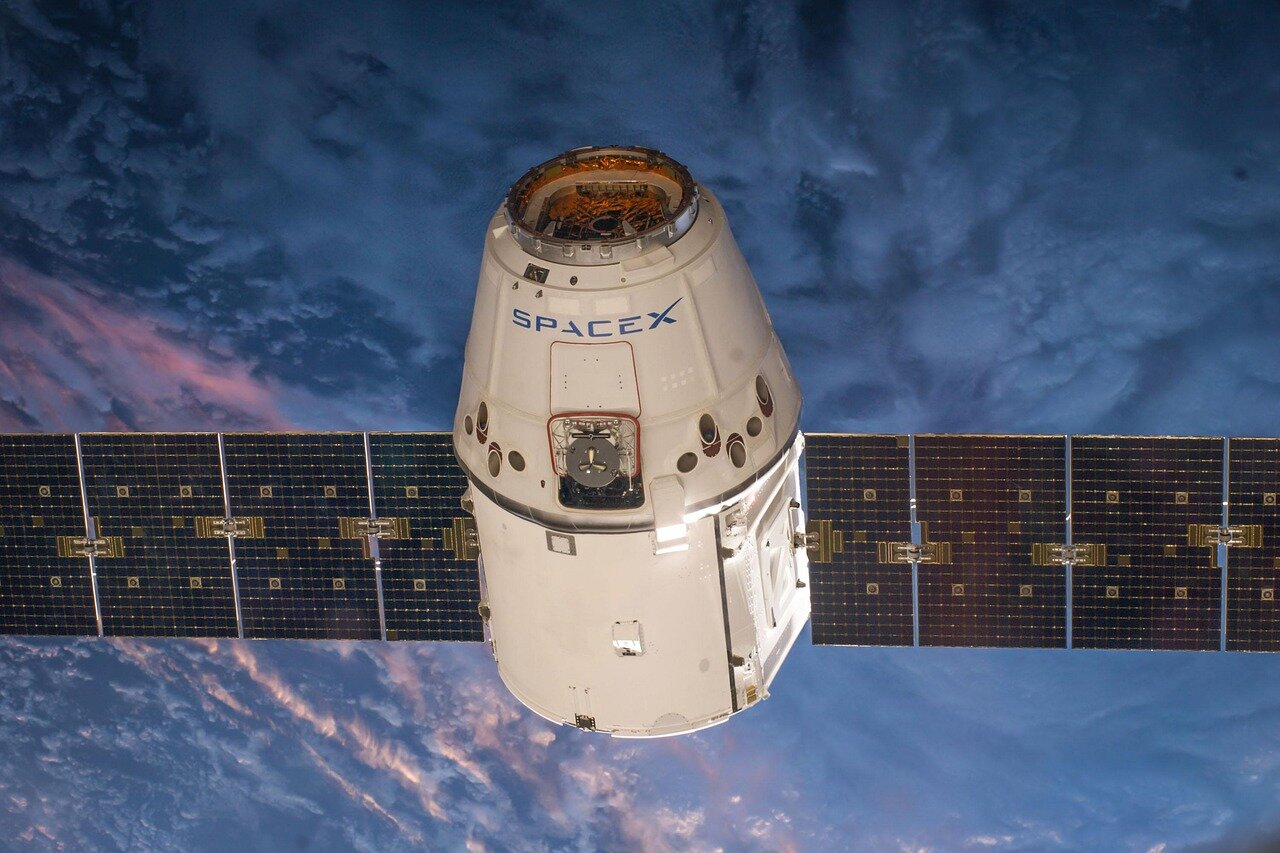
In its early years, SpaceX faced numerous challenges, including technical failures and skepticism from industry experts. The first three launches of its Falcon 1 rocket ended in failure, which raised doubts about the company’s viability. However, perseverance paid off when the fourth launch in 2008 successfully reached orbit, marking a significant milestone for the company and the private space industry as a whole.
SpaceX’s success continued with the development of the Falcon 9 rocket and the Dragon spacecraft, which became the first privately developed vehicle to deliver cargo to the International Space Station (ISS) in 2012. This achievement not only solidified SpaceX’s reputation but also demonstrated the potential for private companies to play a crucial role in space exploration, previously dominated by government agencies.
Key milestones in SpaceX’s journey
Over the years, SpaceX has achieved several key milestones that have reshaped the aerospace industry. In 2015, the company successfully landed the first stage of its Falcon 9 rocket back on Earth, a groundbreaking feat that significantly reduced the cost of space travel. Following this, SpaceX became the first private company to send astronauts to the ISS in 2020 with its Crew Dragon spacecraft, further establishing its leadership in the commercial space sector, which many are eager to learn more about through Understanding SpaceX IPO and How to Invest.
As SpaceX prepares for its market debut, the company’s rapid growth and innovative achievements have positioned it as a major player in the aerospace industry, attracting substantial investment and interest from both public and private sectors. The journey from a small startup to a multi-billion-dollar enterprise serves as a testament to the potential of entrepreneurial spirit in advancing space exploration.
Key issues and perspectives from stakeholders in the aerospace industry
The recent market debut of SpaceX has drawn attention from various stakeholders in the aerospace sector, each with their own interests and concerns. Employees, investors, regulatory bodies, and competitors are all closely monitoring the implications of this significant event. The reactions to the market entry highlight a complex interplay of ambitions, fears, and strategic considerations.
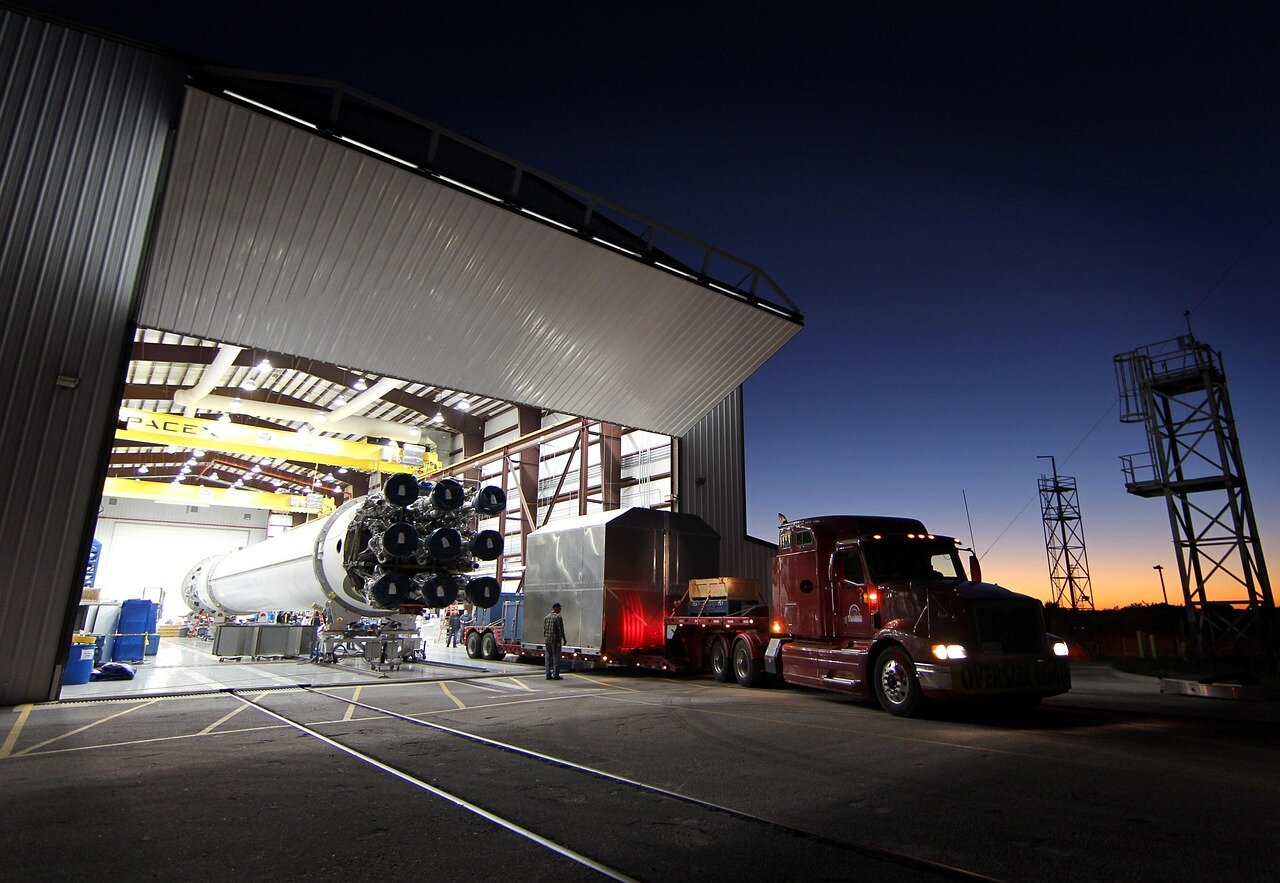
One of the primary stakeholders is SpaceX itself, which aims to capitalize on its market debut to secure additional funding for future projects, including the Starship program and its satellite internet service, Starlink. The firm’s co-founder, who was employee number one, has expressed both pride and concern about how the company’s growth may impact its original mission of making space travel more accessible.
Investors are another crucial group, with varying perspectives on the potential profitability of SpaceX. While many are optimistic about the company’s innovative technologies and ambitious plans, others are wary of the high risks associated with the aerospace industry, particularly in light of recent delays and regulatory hurdles. This creates a scenario where investors must weigh potential high returns against the inherent uncertainties of space ventures.
- Regulatory Challenges: SpaceX must navigate complex regulations imposed by government agencies, which could affect its operational timelines and market strategies.
- Competitive Landscape: Other aerospace companies are closely watching SpaceX’s moves, leading to increased competition for contracts and market share.
- Public Perception: The company’s environmental impact and safety record are under scrutiny, influencing public support and potential future contracts.
- Technological Innovation: Continuous advancements are necessary to maintain a competitive edge, requiring significant investment and talent acquisition.
Moreover, the government’s role as a regulator and potential partner cannot be overlooked. With national security implications tied to space exploration, government agencies may impose stricter regulations or offer incentives that could either hinder or facilitate SpaceX’s growth. This dynamic adds another layer of complexity to the market landscape.
In summary, the market debut of SpaceX presents a multifaceted scenario involving various stakeholders, each with distinct interests and concerns. The interplay of these interests will shape the future trajectory of the company and the broader aerospace industry.
Impact of SpaceX’s debut on the market and its employees
The market debut of SpaceX is poised to have a significant impact on various groups, including employees, investors, and the broader aerospace industry. As one of the leading companies in space exploration and satellite technology, SpaceX’s entry into the public market could reshape investor sentiment and attract new capital into the sector.

In the short term, employees, particularly those who have been with the company since its inception, may experience a sense of pride and financial gain as their shares become liquid. This could lead to increased morale and retention among staff. However, there are risks associated with heightened scrutiny from public investors and potential shifts in company culture as SpaceX adapts to being a publicly traded entity.
In the mid-term, the aerospace industry could see a ripple effect as SpaceX’s success may inspire other private companies to consider going public. This could lead to increased competition and innovation but might also result in a market saturated with new entrants, making it challenging for smaller firms to thrive.
- Employees: Potential financial benefits and changes in company culture.
- Investors: Opportunities for investment in the growing aerospace sector.
- Industry: Increased competition and innovation among private space companies.
- Policy: Possible shifts in government regulation and support for the aerospace industry.
Regions with a strong aerospace presence, such as California and Texas, may see economic boosts as SpaceX’s success could lead to increased job creation and investment in local infrastructure. However, the volatility of the stock market may pose risks for investors and stakeholders, emphasizing the need for a cautious approach to new investments in the sector.
A: SpaceX’s market debut signifies a major milestone, showcasing its growth and attracting potential investors. It highlights the company’s achievements and ambitions in the aerospace sector. A: The co-founder played a crucial role in establishing the company’s vision and technological advancements, which have been pivotal in its journey to becoming a leader in space exploration. A: After going public, SpaceX may face increased scrutiny from investors and regulators, as well as the pressure to maintain profitability while continuing its ambitious projects. A: The market generally views SpaceX’s future positively, given its innovative approach and successful track record in launching missions. However, competition and regulatory challenges remain concerns.
Frequently asked questions about SpaceX’s market debut
Key takeaways and future outlook for SpaceX
The market debut of SpaceX marks a significant milestone not only for the company but also for the broader aerospace industry. As the firm transitions from a private entity to a publicly traded company, it opens new avenues for growth and innovation, while also setting a precedent for other private space ventures. The insights from co-founder Gwynne Shotwell, who reflects on her journey as employee number one, highlight the foundational culture and vision that have driven SpaceX’s success and will continue to influence its trajectory.
Investors and industry observers should closely monitor how SpaceX navigates the challenges and opportunities of being publicly traded, particularly in terms of maintaining its competitive edge and fostering innovation. The implications of this transition could reshape not only SpaceX’s operations but also the landscape of commercial space exploration.
- Watch for SpaceX’s strategic partnerships and collaborations as it seeks to expand its market presence.
- Observe how the company balances shareholder expectations with its long-term vision for space exploration.
- Consider the potential impact of SpaceX’s IPO on funding and investment in the wider aerospace sector.
- Monitor advancements in technology and innovation that may arise from increased capital and public scrutiny.
- Keep an eye on regulatory developments that could affect SpaceX’s operations and expansion plans.