
The protests were initially ignited by the death of Mahsa Amini, a young woman who died in police custody after being detained for allegedly violating Iran’s strict dress code. Since then, the demonstrations have evolved into a broader movement against the Iranian regime, calling for political reforms and greater freedoms. The government’s heavy-handed tactics have resulted in a significant increase in casualties, with reports indicating that over 500 individuals have been killed since the protests began. This situation is reminiscent of previous crackdowns in other countries.
Human rights organizations have documented instances of excessive force used by security personnel, including live ammunition and tear gas against unarmed protesters. The Iranian authorities have not only intensified their crackdown but have also sought to suppress information by restricting internet access and censoring media coverage. This has made it difficult to ascertain the full extent of the violence and the number of lives lost.
As the situation continues to develop, the international community is calling for accountability and an end to the violence. The release of these mortuary videos serves as a stark reminder of the human cost of the government’s actions and highlights the urgent need for intervention to protect the rights of Iranian citizens. The world watches closely as the crisis unfolds, with many advocating for support of the Iranian people’s quest for justice and freedom.
Understanding the backdrop of the Iranian crackdown
The ongoing unrest in Iran can be traced back to a complex interplay of historical grievances, political repression, and social upheaval. The 1979 Islamic Revolution marked a significant turning point, overthrowing the Western-backed monarchy and establishing a theocratic regime. This shift created a political landscape characterized by authoritarian governance, where dissent was met with severe repression. Over the decades, various protests have erupted, often fueled by economic hardships and demands for political reform, but these movements have frequently been met with violent crackdowns.
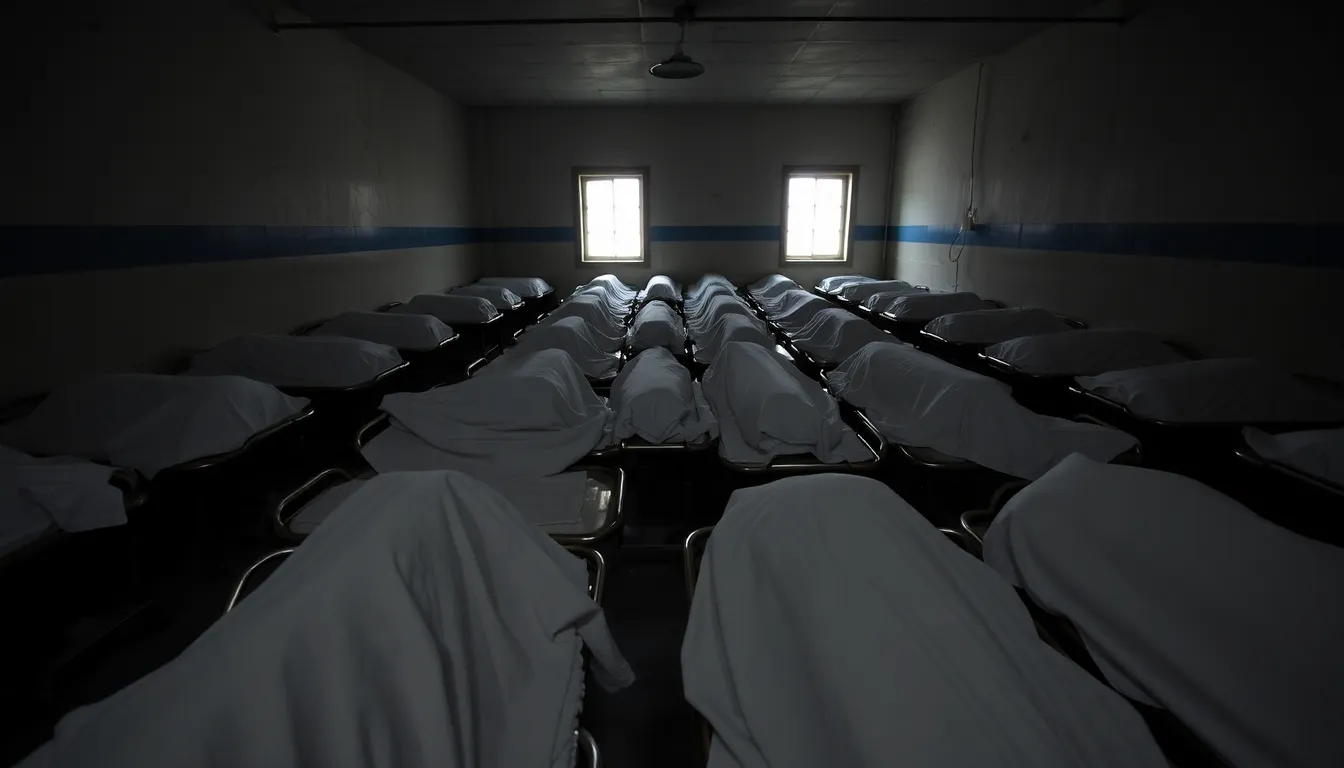
In recent years, the Iranian economy has faced significant challenges, exacerbated by international sanctions, mismanagement, and corruption. The economic downturn has led to widespread discontent among the populace, particularly among the youth who face high unemployment rates and limited opportunities. This economic strife has been a catalyst for protests, with citizens demanding not only economic relief but also greater political freedoms and human rights. The government’s response has often been to employ heavy-handed tactics to quell dissent, leading to increased violence and fatalities.
The Role of Social Media
Social media has played a pivotal role in the recent Iranian protests, providing a platform for citizens to share information, organize demonstrations, and document government abuses. The proliferation of smartphones and access to the internet has allowed for real-time reporting of incidents, including the chilling footage of violence against protesters. These videos have garnered international attention, highlighting the severity of the government’s crackdown and drawing condemnation from human rights organizations and foreign governments. Similar situations have been observed in other regions, such as in the investigation into the murder of a young Chechen woman.
Key milestones in this ongoing struggle include the 2009 Green Movement, which was sparked by allegations of electoral fraud and saw mass protests against the regime. Although that movement was ultimately suppressed, it set a precedent for future dissent. The assassination of Mahsa Amini in September 2022, while in police custody, reignited protests across the nation, leading to a significant escalation in the government’s use of force. These events illustrate the cyclical nature of unrest in Iran, where calls for reform are often met with brutal repression, further entrenching the divide between the state and its citizens.
Key stakeholders and the implications of the crackdown
The recent crackdown in Iran has drawn attention to various stakeholders, each with distinct interests and motivations. The primary actors include the Iranian government, civil society groups, international human rights organizations, and the general populace affected by the unrest. Understanding their roles and interests is crucial to grasping the broader implications of the situation.
The Iranian government, led by the ruling clerics and security forces, aims to maintain control and suppress dissent. Their primary interest lies in preserving the regime’s stability and authority, especially in the face of growing public unrest. This often leads to violent measures against protestors, as evidenced by the mortuary videos that have surfaced, showcasing the brutal consequences of the crackdown. Understanding these dynamics is critical when examining the broader implications of state violence.
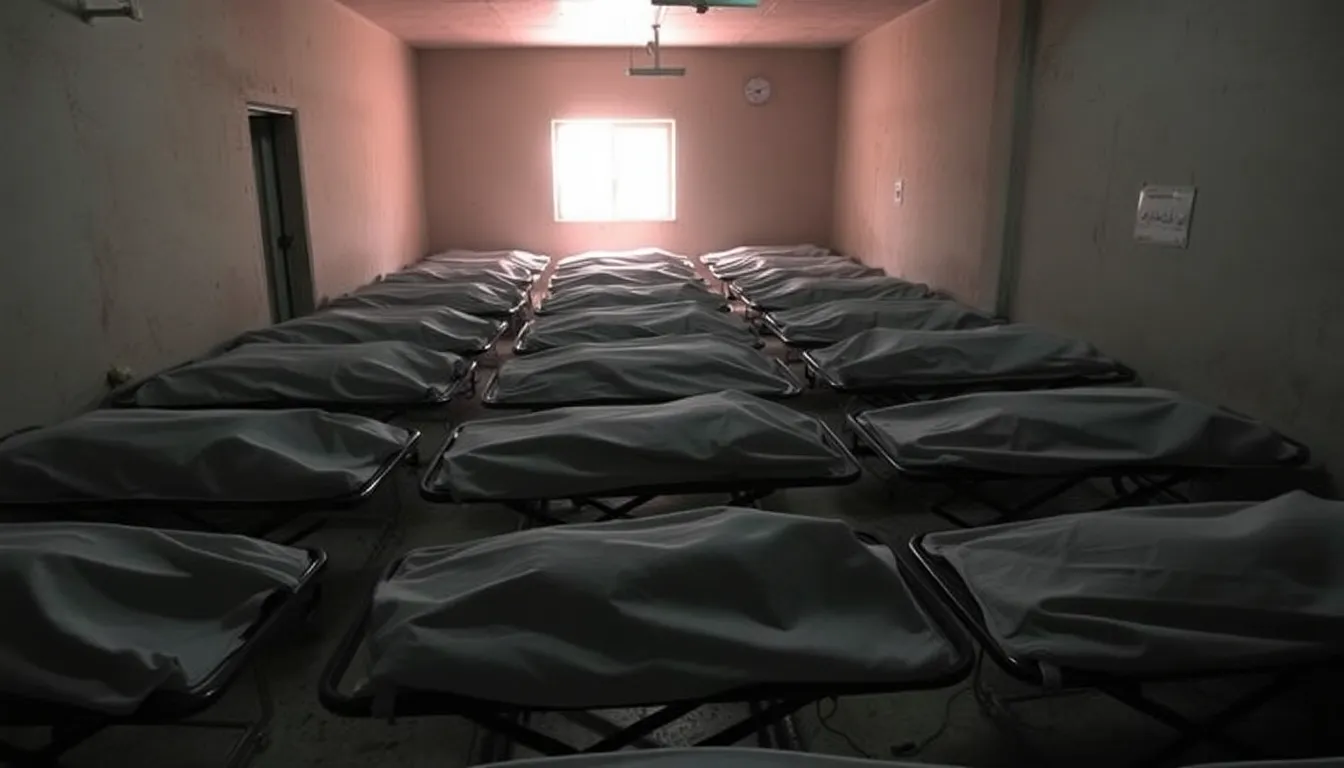
On the other hand, civil society groups and human rights organizations are advocating for accountability and justice for victims of state violence. These groups seek to document abuses and raise awareness both domestically and internationally. Their efforts often conflict with the government’s narrative, which portrays dissent as a threat to national security. This tension highlights a significant trade-off between governmental authority and individual rights.
The international community, including foreign governments and non-governmental organizations, is also a key player in this scenario. Many nations have condemned the Iranian authorities’ actions, calling for sanctions and other measures to pressure the regime. However, this raises complex legal and economic issues, as sanctions can have unintended consequences on the general populace, potentially exacerbating the very conditions that lead to unrest.
- Government interests: Maintaining control and suppressing dissent.
- Civil society goals: Advocating for human rights and justice for victims.
- International response: Balancing condemnation with potential economic impacts of sanctions.
- Public safety: The struggle between state security measures and the safety of civilians.
- Media portrayal: The role of footage and reporting in shaping public perception and international response.
The impact on families and communities in Iran
The ongoing crackdown in Iran has profound implications for various groups within the society, particularly families of the victims and communities witnessing the violence. Families are left to mourn loved ones lost to state violence, creating an atmosphere of fear and grief. This personal loss extends beyond individual households, affecting the broader community as collective trauma sets in.
In the short term, the immediate impact on daily life is palpable. Families may face economic hardships due to the loss of income earners, while the emotional toll can lead to mental health crises. Communities may become more fragmented as trust erodes, leading to increased isolation and a reluctance to engage in social or political activities.
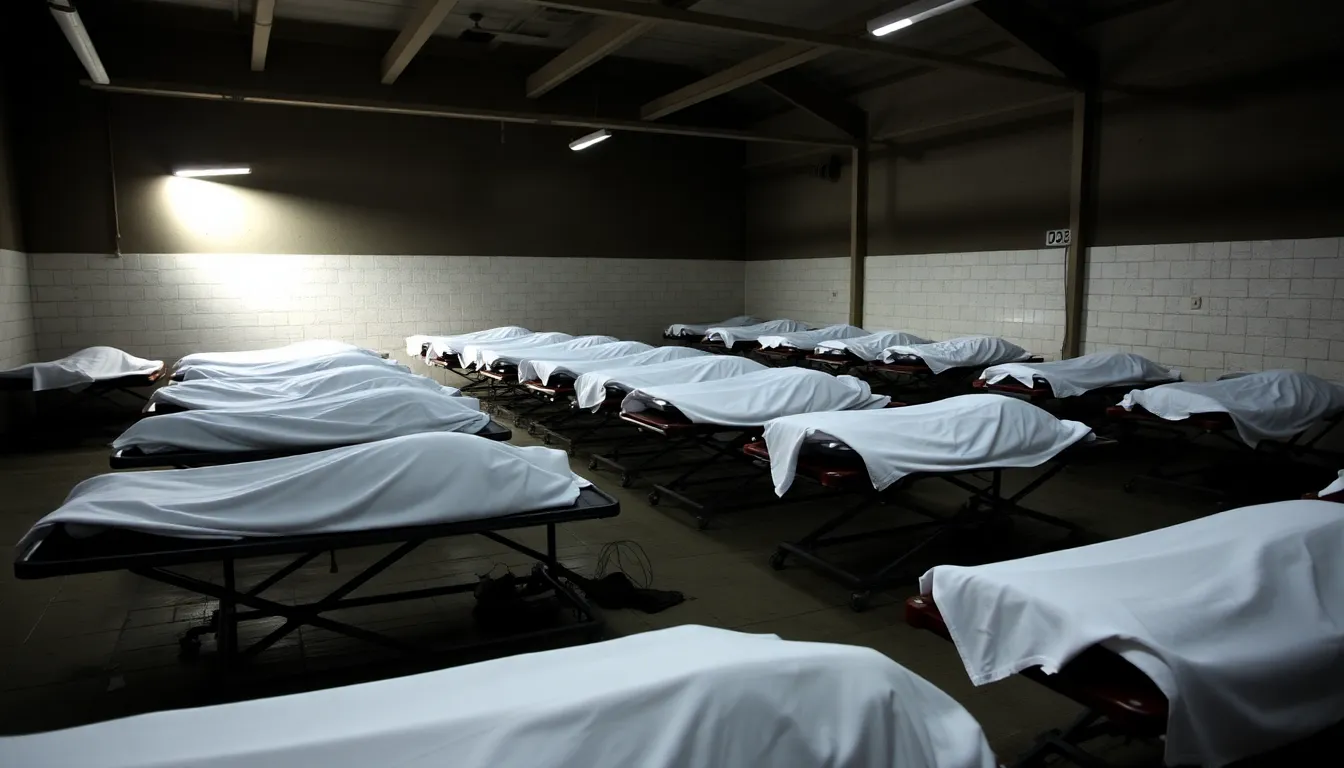
In the mid-term, businesses may experience disruptions as protests and unrest hinder normal operations. Industries such as tourism and retail could see significant declines as safety concerns deter both local and foreign consumers. Additionally, policy shifts may occur as the government responds to unrest, potentially leading to stricter regulations or crackdowns on dissent.
- Increased fear and trauma among families and communities.
- Economic instability due to loss of income and disrupted businesses.
- Potential opportunities for grassroots organizations to provide support and advocacy.
- Policy changes that could either suppress or promote reform efforts.
Despite the overwhelming risks, there are potential opportunities for solidarity and advocacy. Grassroots movements may gain momentum as communities unite to support one another. This could lead to increased awareness of human rights issues and pressure on the government for reforms, fostering a sense of resilience among the populace.
A: The crackdown was initiated in response to widespread protests against government policies and human rights abuses, leading to increased state violence. A: Mortuary videos have shocked the public and drawn international attention, highlighting the severity of the situation and increasing calls for accountability. A: Many international organizations and governments have condemned the violence and called for investigations into human rights violations. A: Various human rights groups are working to provide support and resources to families affected by the crackdown, including legal assistance. A: Continued violence may lead to increased isolation and sanctions from the international community, as well as potential internal unrest.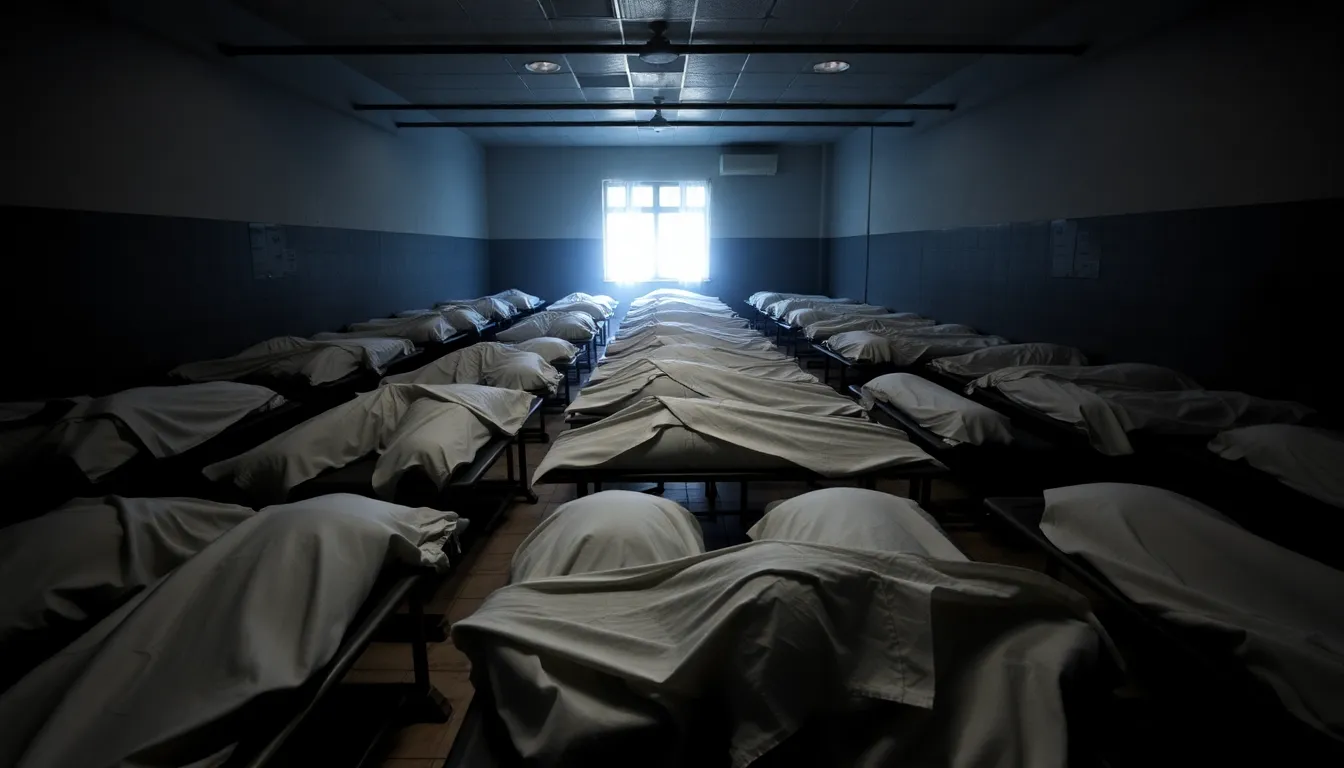
Frequently asked questions about the Iran crackdown
Insights on the future of Iran’s political landscape
The recent surge in violence and the chilling documentation of mortality in Iran highlight a critical juncture in the nation’s socio-political environment. As the government intensifies its crackdown on dissent, the implications for civil liberties and political stability are profound. The stark reality depicted in mortuary videos serves as a grim reminder of the lengths to which the regime will go to maintain control, raising questions about the resilience of public opposition and the potential for international response.
As the situation evolves, it is essential to monitor how these developments will shape both domestic and foreign policy in Iran. The balance between repression and reform will be pivotal in determining the future trajectory of the nation, influencing not only the Iranian populace but also regional dynamics and global diplomatic relations.
- Increased repression may lead to greater public dissent: The more the government resorts to violence, the more likely it is to galvanize opposition movements.
- International scrutiny and potential sanctions: Global reactions to human rights violations could escalate, affecting Iran’s economic and diplomatic standing.
- Impact on regional stability: Iran’s internal turmoil could have spillover effects, influencing neighboring countries and their own governance challenges.
- Shifts in public sentiment: The graphic nature of state violence may alter perceptions among the populace, potentially fostering a stronger desire for change.
- Role of technology and social media: The dissemination of mortuary videos and similar content may serve as a catalyst for activism and international awareness.