
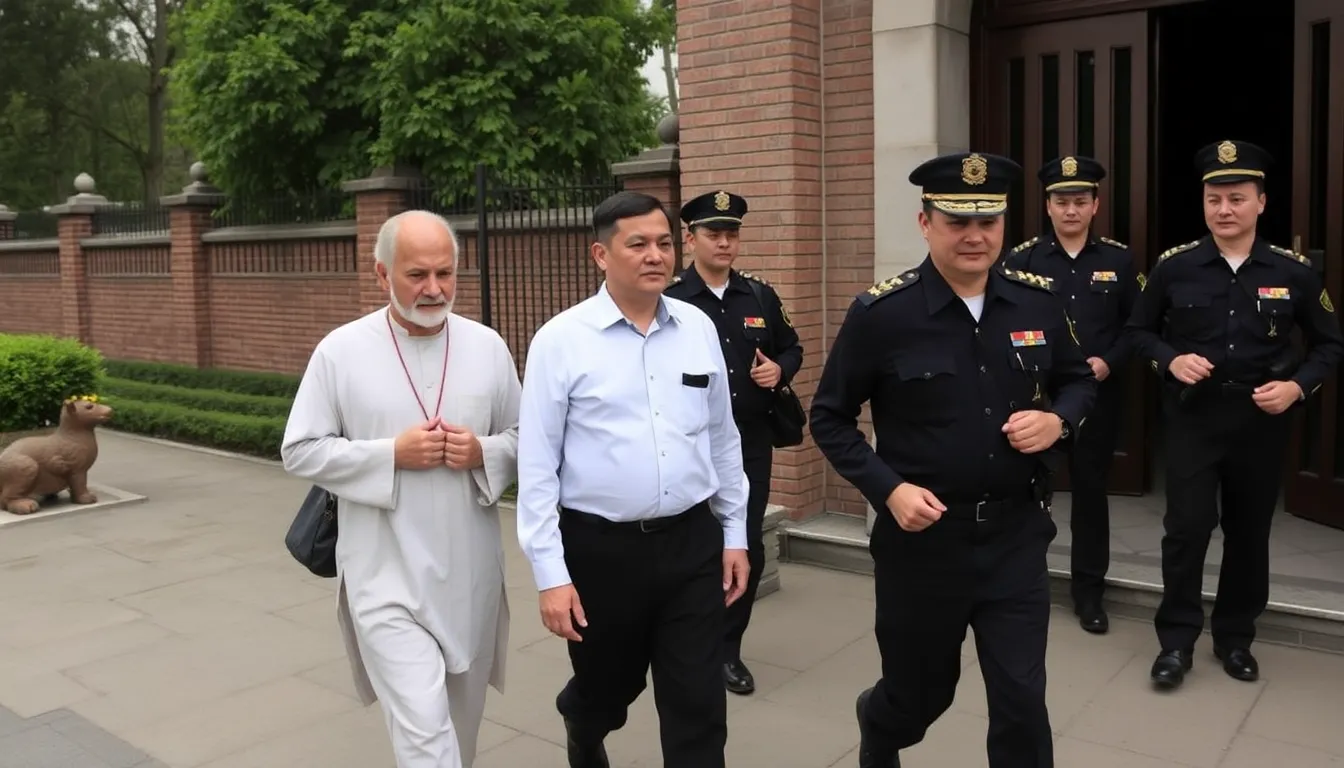
According to sources within the underground church, at least 20 leaders have been detained since the beginning of October. These arrests are said to target individuals who have been vocal about their beliefs or who have organized gatherings without government approval. The Chinese Communist Party has long viewed unregistered churches as a threat to its authority, prompting increased surveillance and enforcement actions against them. For more information on similar incidents, see the article on China church reports increasing arrests amid Christian crackdown.
The situation is particularly concerning for the underground church, as many of its members rely on these leaders for spiritual guidance and community support. The detentions have created an atmosphere of fear and uncertainty among congregants, who are now hesitant to participate in religious activities. Observers note that this crackdown could further isolate these communities and push them underground, making it difficult for them to maintain their practices.
This latest wave of detentions comes amid a broader context of tightening religious regulations in China. In recent years, the government has implemented stricter laws governing religious gatherings and has increased its efforts to monitor and control religious expressions. As the situation evolves, the implications for religious freedom in China remain a critical concern for human rights advocates worldwide.
Understanding the rise of religious persecution in China
In recent years, China has witnessed a significant increase in the crackdown on religious practices, particularly among underground churches and unregistered religious groups. This trend can be traced back to the Chinese Communist Party’s (CCP) historical emphasis on maintaining strict control over all aspects of society, including religion. The government views organized religion as a potential threat to its authority, leading to heightened surveillance and repression of religious activities that fall outside state-sanctioned institutions.
The roots of religious persecution in China can be found in the CCP’s founding ideology, which promotes atheism and discourages any form of belief that may challenge the party’s supremacy. The Cultural Revolution (1966-1976) marked a particularly dark chapter, as religious practices were violently suppressed and places of worship were destroyed. Although there was a brief period of relative openness in the 1980s, the Tiananmen Square protests in 1989 reignited the party’s fears of dissent, leading to a renewed crackdown on religious groups.
Recent Developments
In 2018, the Chinese government implemented new regulations that further restricted religious practices, mandating that all religious organizations register with the state and adhere to CCP ideologies. This has resulted in increased detentions of church leaders and members of underground congregations, who refuse to comply with government oversight. Reports indicate that thousands of Christians have been detained in recent months, as authorities intensify their efforts to eliminate what they perceive as a challenge to their control.
Economically, the government’s approach to religious persecution is also influenced by its desire to project a unified national identity, which is seen as essential for stability and growth. The CCP’s push for a “Chinese Dream” emphasizes national rejuvenation, often at the expense of minority rights, including religious freedoms. This has created a climate where underground churches operate in constant fear of raids and arrests, leading to a precarious existence for many believers. For a broader perspective on political oppression, consider reading about how the Venezuelan government begins releasing political prisoners.
As the international community increasingly scrutinizes China’s human rights record, the situation for underground churches may continue to deteriorate. The recent detentions serve as a stark reminder of the ongoing struggles faced by religious groups in China, as they navigate a landscape fraught with political repression and social hostility.
Key stakeholders and issues surrounding the crackdown
The recent escalation of crackdowns on underground churches in China has brought various stakeholders into the spotlight. The primary actors include the Chinese government, underground church leaders, religious congregations, and international human rights organizations. Each of these entities has distinct interests and motivations that contribute to the complexity of the situation.
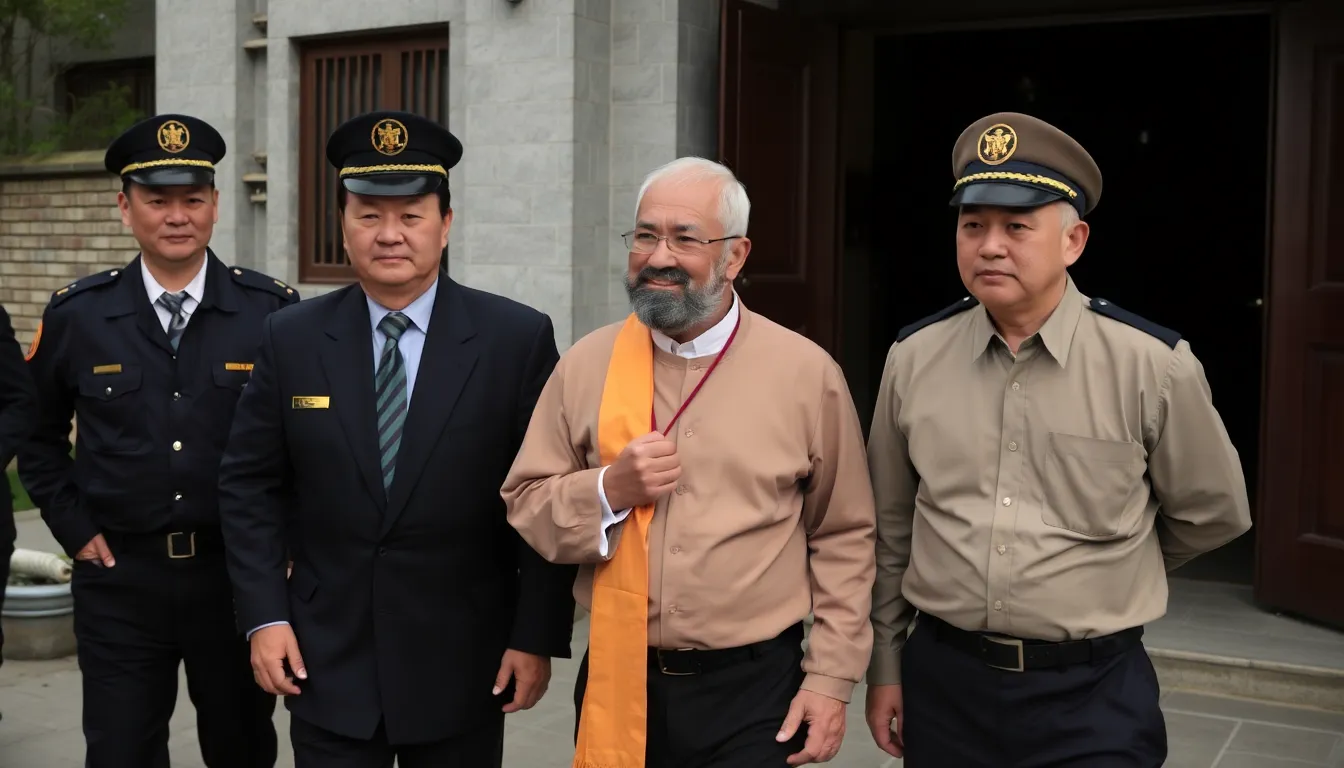
The Chinese government aims to maintain social stability and control over religious practices within its borders. By enforcing regulations and detaining church leaders, the government seeks to curb what it perceives as a threat to its authority and ideological conformity. This approach aligns with the Communist Party’s broader strategy of promoting state-sanctioned religions while suppressing unregistered or independent religious movements.
On the other hand, underground church leaders and their congregations are motivated by a desire for religious freedom and the right to practice their beliefs without government interference. Their detention not only disrupts their spiritual activities but also raises concerns about human rights violations. Many leaders are viewed as key figures in their communities, and their absence can lead to a breakdown in organizational structure and support for followers. The role of international human rights organizations is pivotal, as discussed in the context of displaced Palestinians in Egypt awaiting reopening of Gaza border.
- Human Rights Concerns: The detentions raise significant human rights issues, including freedom of religion and expression.
- International Relations: The crackdown may affect China’s diplomatic relations, particularly with countries that prioritize human rights in their foreign policy.
- Legal Framework: The government’s actions may conflict with international laws regarding religious freedom, leading to potential legal challenges.
- Economic Implications: Sustained international criticism could lead to economic repercussions, including sanctions or reduced foreign investment.
The situation is further complicated by the role of international human rights organizations, which advocate for the rights of persecuted individuals and groups. These organizations often document abuses and pressure governments to adhere to international human rights standards. However, their influence is limited by the Chinese government’s strict control over information and its reluctance to engage with external criticisms.
Effects on communities and religious freedoms in China
The recent crackdown on underground churches in China has far-reaching implications for various communities and religious groups. Primarily, this affects Christian congregations that operate outside the state-sanctioned church system. These groups often serve as vital support networks, providing spiritual guidance, community services, and social support to their members. With leaders detained, the continuity of these services is jeopardized, leaving many individuals without essential resources.
In terms of geographical impact, regions with significant underground church activity, such as rural areas and urban centers, are likely to experience heightened surveillance and repression. This can lead to an atmosphere of fear and uncertainty, affecting not only religious practices but also the daily lives of individuals involved in these communities. The immediate consequences may include disrupted worship services, increased arrests, and the forced relocation of congregations.
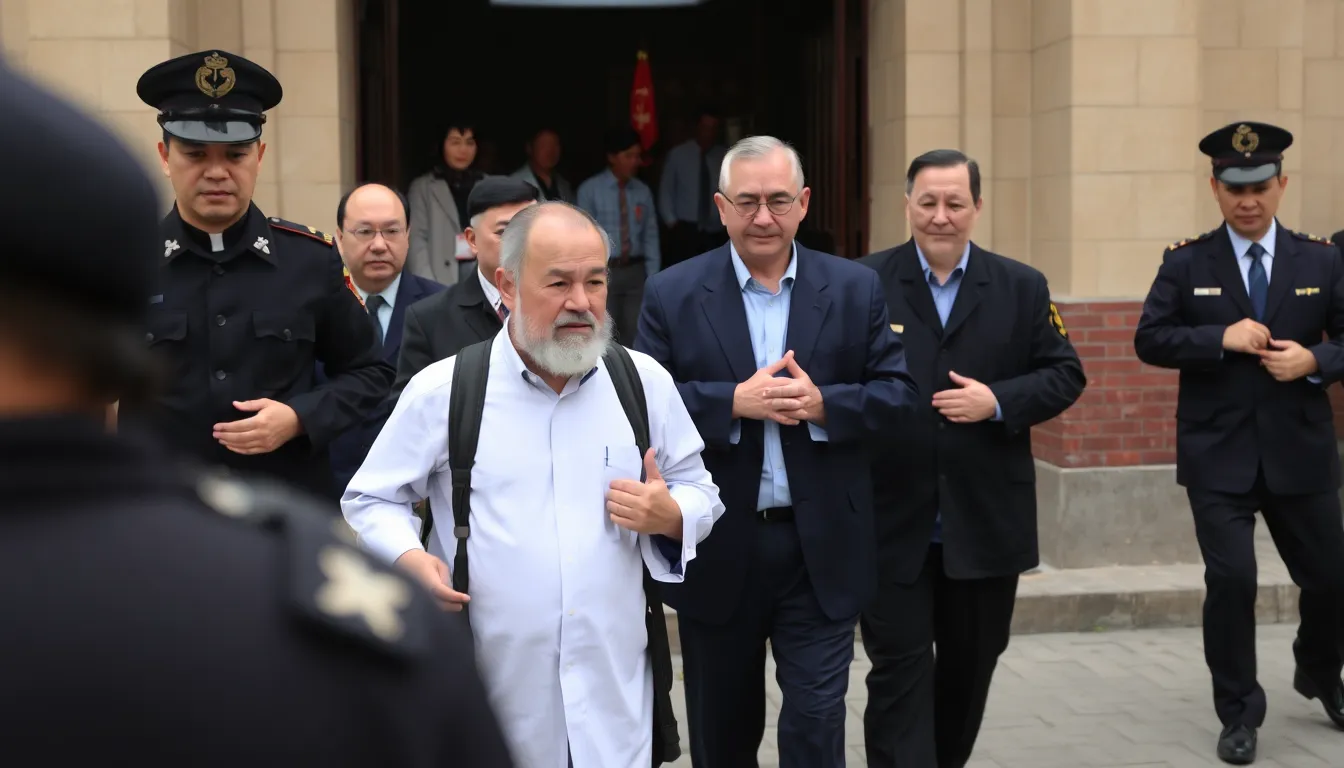
From a broader societal perspective, the crackdown may incite a backlash among religious communities, potentially fostering greater solidarity among different faith groups. This could lead to increased advocacy for religious freedoms and human rights, both within China and internationally. However, the risks are substantial, as any organized resistance may provoke even harsher government reprisals.
- Short-term impacts: Increased arrests, disrupted religious services, and heightened fear among communities.
- Mid-term impacts: Potential for greater advocacy for religious freedoms, but risks of severe government retaliation.
- Opportunities: Strengthening of interfaith solidarity and support networks.
Industries tied to religious communities, such as publishing, education, and social services, may also feel the repercussions. The restriction of religious literature and educational materials can stifle the growth of these sectors, limiting access to information and resources. Conversely, this situation may lead to a rise in underground publishing and alternative educational initiatives, as communities seek ways to sustain their beliefs and practices despite governmental constraints.
A: The underground church is facing significant challenges as several leaders have been detained by authorities. This crackdown is part of a broader effort by the Chinese government to control religious practices. A: The Chinese government views independent religious organizations as a threat to its authority and seeks to ensure that all religious practices align with state policies. A: Key stakeholders include the underground church leaders, government authorities, and the local communities that support these religious practices. A: The crackdown creates fear and uncertainty within local communities, leading to a decline in religious gatherings and a chilling effect on the practice of faith. A: Advocacy for religious freedom and awareness campaigns can help support the underground church and highlight their plight to the international community.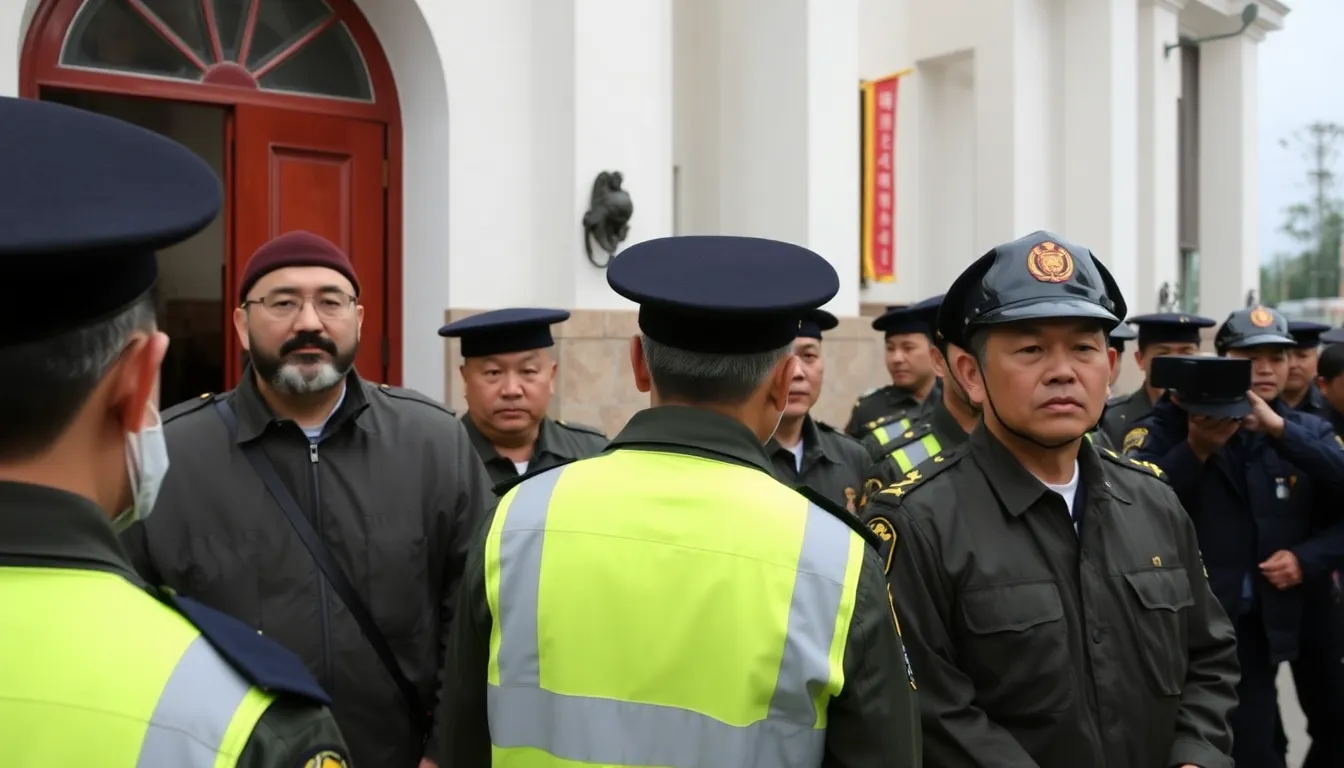
Frequently asked questions about the situation
Outlook on the future of religious practices in China
The recent detentions of leaders from the underground church signal an intensified crackdown on religious practices in China, reflecting the government’s ongoing efforts to regulate and control religious expression. This tightening of restrictions may lead to a significant shift in how religious communities operate, pushing many underground groups further into secrecy and potentially increasing the risks they face.
As the situation evolves, it is essential to monitor the implications for both domestic and international religious freedoms. The response of the international community, particularly in terms of diplomatic relations and advocacy for religious rights, will play a crucial role in shaping the future landscape of religious practices in China.
- Increased Secrecy: Underground religious groups may adopt more covert methods of operation to avoid detection, impacting their ability to gather and worship openly.
- International Response: Watch for potential diplomatic actions from foreign governments and organizations advocating for religious freedom in China.
- Impact on Followers: The psychological and social effects on believers could deepen, leading to a more isolated community that may struggle with faith under pressure.
- Potential for Resilience: Historically, periods of repression have sometimes resulted in strengthened resolve among underground movements, which could lead to new forms of community support and solidarity.
- Legal Developments: Keep an eye on any changes in Chinese laws regarding religious practices, as these may signal future government strategies and enforcement levels.