
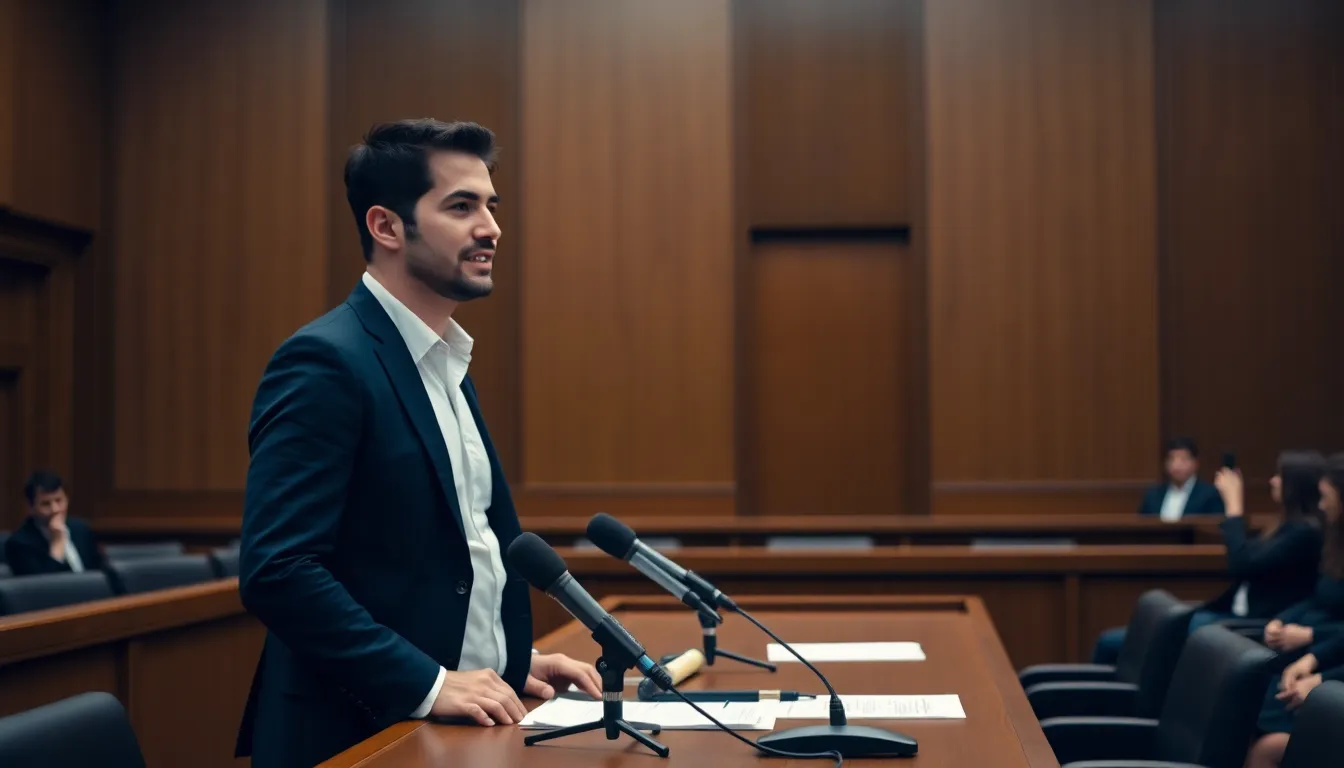
Mosseri’s testimony focused on the argument that users are not compelled to engage with the platform in a way that constitutes addiction. He emphasized that Instagram is designed to foster connections and creativity rather than dependency, a perspective that has sparked significant debate among mental health professionals and lawmakers.
The trial is particularly significant as it coincides with growing scrutiny of social media companies regarding their impact on youth mental health. Various studies and reports have highlighted potential links between excessive social media use and anxiety, depression, and other psychological issues, raising questions about the responsibility of these platforms.
As the case unfolds, it is poised to set a precedent for how social media companies address claims of addiction and user safety. The outcome could influence future regulations and policies surrounding social media usage, impacting millions of users worldwide.
Understanding the background of the trial and its implications
The discussion surrounding social media addiction has gained significant traction over the past decade, particularly as platforms like Instagram have grown in popularity. Concerns about the impact of social media on mental health, particularly among adolescents, have prompted various studies and public debates. Critics argue that platforms are designed to be addictive, leading users to spend excessive amounts of time online, which can result in negative psychological effects, similar to those discussed in recent reports.

Historically, the rise of social media coincided with the increasing use of smartphones, which provided unprecedented access to these platforms. The launch of Instagram in 2010 marked a pivotal moment in social media evolution, as it quickly became a hub for sharing images and connecting with others. As its user base exploded, so did scrutiny regarding its influence on users’ well-being. Prominent figures in psychology and public health began to voice concerns about the potential for addiction, likening it to traditional forms of substance abuse.
Key Milestones in the Social Media Debate
Several key events have shaped the ongoing conversation about social media addiction. In 2018, a study published in the journal “Psychological Science” suggested a correlation between social media use and increased feelings of loneliness and depression. This was followed by a wave of documentaries, such as “The Social Dilemma,” which highlighted the manipulative design strategies used by tech companies to keep users engaged. These developments contributed to a growing public consciousness about the potential dangers of excessive social media use.
As legal challenges have emerged, including this landmark trial involving Instagram’s CEO, the stakes have become higher. The trial represents a crucial moment in which the tech industry is being held accountable for its role in shaping user behavior, much like the issues explored in various narratives surrounding technology and public engagement.
In the context of this trial, Instagram’s CEO has dismissed claims of social media addiction, arguing that users are in control of their engagement with the platform. This defense highlights a broader debate regarding personal responsibility versus corporate accountability in the digital age. As the trial unfolds, it will likely influence not only public perception but also regulatory approaches to social media and its impact on society.
Key stakeholders and issues surrounding social media usage
The ongoing trial involving Instagram’s CEO has spotlighted various stakeholders in the debate over social media’s impact on society. The primary actors include the executives of social media companies, users, mental health advocates, and regulatory bodies. Each of these groups has distinct interests that shape their perspectives on the issue of social media addiction.

Social media companies, represented by executives like Instagram’s CEO, often argue that their platforms are designed for positive engagement and community building. They emphasize user agency, suggesting that individuals have the power to control their usage. However, critics argue that these platforms employ algorithms that can lead to compulsive behavior, raising concerns about user well-being and mental health.
Users, particularly younger demographics, are at the center of this discussion. Many rely on social media for connection and self-expression, but there is a growing awareness of potential negative effects, such as anxiety and depression. The conflict arises from the desire for social interaction versus the risk of addiction and its associated harms.
- Legal Implications: The trial could set precedents for how social media companies are held accountable for user well-being.
- Economic Interests: Companies may prioritize revenue generation through advertising over user health, leading to ethical dilemmas.
- Public Health Concerns: Mental health advocates push for more awareness and regulation to protect vulnerable users.
- Government Regulations: Policymakers are increasingly considering regulations that could impact how social media platforms operate.
As the trial unfolds, the balance between innovation in social media and the responsibility of these platforms to safeguard their users will be a critical focal point. The outcomes could influence not only company policies but also broader societal norms regarding technology use and mental health.
Potential effects on users and the social media landscape
The dismissal of social media addiction by Instagram’s CEO in a landmark trial could have significant implications for various groups, including users, mental health advocates, policymakers, and social media companies. Users, particularly younger demographics who are heavy social media consumers, may find their experiences and concerns about addiction downplayed, impacting their perception of the platform’s influence on their mental health.
Industries related to mental health and wellness may also feel the effects, as the ongoing debate around social media’s role in addiction could influence funding and support for research. If social media addiction is not recognized as a serious issue, there may be less urgency to develop interventions or support systems, potentially leaving vulnerable users without resources.
In terms of short-term impacts, users may continue to engage with social media without considering the potential risks associated with excessive use. This could lead to increased screen time and diminished real-life interactions. Mid-term, however, the narrative around social media addiction could shift, leading to greater scrutiny from regulators and advocacy groups, which might push for policy changes aimed at protecting users.
- Risks: Increased mental health issues among users, particularly adolescents.
- Opportunities: Potential for social media companies to innovate in user engagement strategies that promote healthier usage patterns.
- Risks: Regulatory backlash if public sentiment shifts against social media platforms.
- Opportunities: Development of new wellness-focused features within social media applications.
Overall, the implications of this trial extend beyond Instagram, potentially influencing the entire social media landscape and how society views the relationship between technology and mental health.
A: The Instagram CEO argued that the concept of social media addiction is exaggerated and lacks scientific backing, emphasizing user agency. A: The trial may influence Instagram’s approach to user engagement and content moderation, potentially leading to changes in how they address user behavior. A: This trial could set a precedent for how social media platforms are held accountable for user well-being and may lead to stricter regulations. A: Yes, various studies have explored the effects of social media on mental health, with mixed results regarding addiction and user behavior. A: Public and expert reactions have varied, with some supporting the CEO’s stance while others express concern about the potential risks of social media use.
Frequently asked questions about the trial and its outcomes
Insights and future outlook on social media regulation
The recent trial involving Instagram’s CEO has sparked significant debate regarding the responsibility of social media platforms in addressing user engagement and mental health concerns. By dismissing the notion of social media addiction, the CEO has opened the door for a re-evaluation of how platforms are perceived and regulated. This landmark case may set a precedent for future discussions on user safety and corporate accountability in the digital space.
As social media continues to evolve, stakeholders must remain vigilant about the implications of this trial. The discourse surrounding user well-being and platform responsibility will likely influence regulatory frameworks and public perception, potentially shaping the future of social media interactions.
- Regulatory scrutiny may increase: Expect more discussions around potential regulations targeting social media platforms to ensure user safety and well-being.
- Corporate accountability will be key: Companies may need to adopt more transparent practices regarding user engagement metrics and their impact on mental health.
- Public perception could shift: Users may become more critical of platforms that do not prioritize mental health, leading to changes in user behavior and platform policies.
- Innovation in user support features: Platforms might invest in developing tools that promote healthier usage patterns and provide support for users experiencing negative effects.