
The election results come at a time when Honduras is grappling with economic challenges and social unrest, exacerbated by the COVID-19 pandemic. Asfura’s campaign focused on promises to revitalize the economy and tackle corruption, which resonated with many voters seeking stability and change.
This election marks a pivotal moment in Honduran politics, as it could potentially influence the country’s relationship with the United States. Asfura’s alignment with Trump and his policies may shape future diplomatic and economic ties, especially in areas such as immigration and trade.
Opposition parties have raised concerns about the integrity of the election process, citing irregularities and demanding transparency. However, the electoral authority has affirmed the legitimacy of the results, paving the way for Asfura to assume office and implement his proposed reforms.
Understanding the political landscape leading to this election
The political landscape of Honduras has been shaped by decades of instability, corruption, and social unrest. The country has experienced multiple coups, most notably the 2009 coup that ousted President Manuel Zelaya, which led to a significant decline in democratic governance and an increase in authoritarian practices. This backdrop has fostered a political environment where alliances with powerful figures, both domestically and internationally, have become crucial for electoral success.
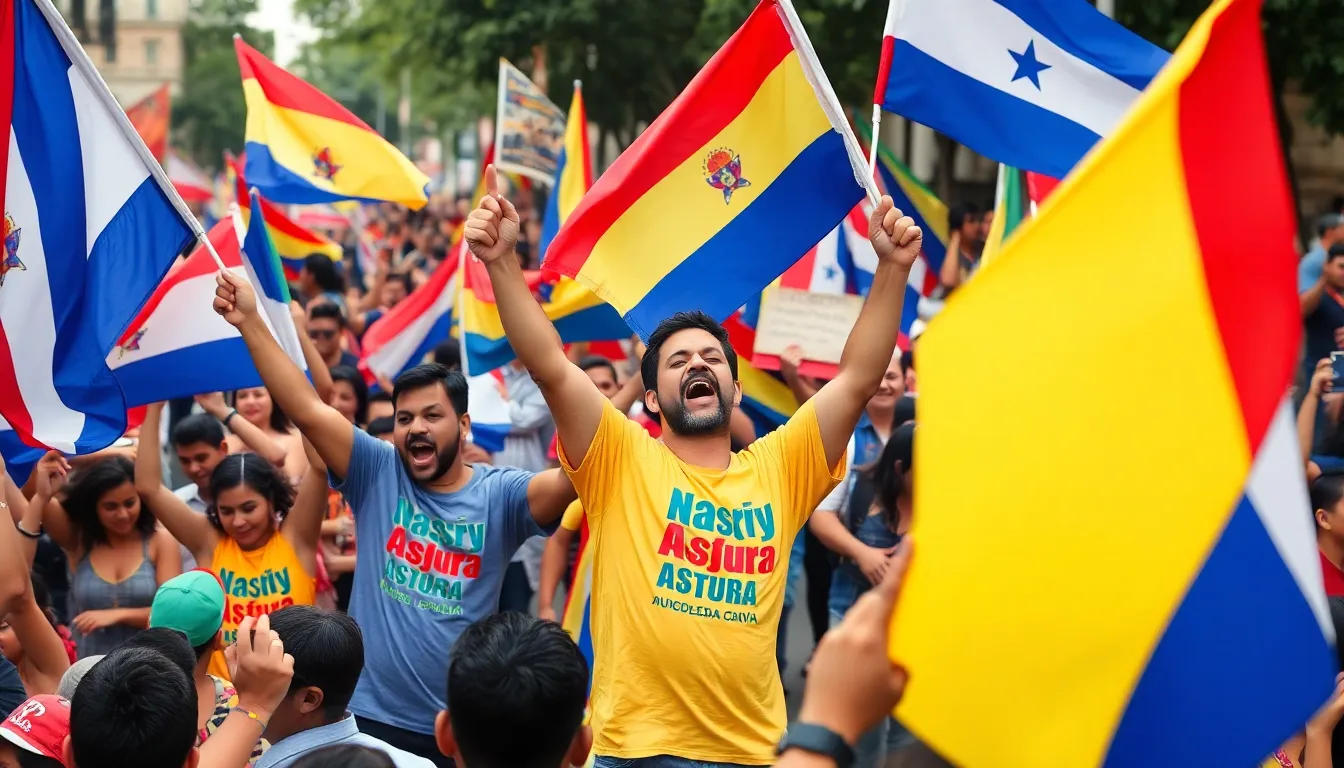
In recent years, the rise of populist leaders and the influence of foreign politicians have further complicated the political dynamics in Honduras. Nasry Asfura, the candidate from the National Party, emerged as a prominent figure during this tumultuous period, aligning himself with former U.S. President Donald Trump. This connection not only bolstered Asfura’s profile but also resonated with voters seeking stability amid economic challenges and rampant crime.
The economic context
Honduras has faced significant economic challenges, including high levels of poverty and unemployment. The economic situation has been exacerbated by the COVID-19 pandemic, which led to increased social discontent and calls for change. Asfura’s campaign capitalized on the desire for economic recovery, promising to attract foreign investment and create jobs. His ties to Trump were seen as advantageous, given Trump’s focus on Central America during his presidency, which included discussions on economic aid and immigration policies.
The political and economic challenges have also been intertwined with social issues, particularly regarding human rights and governance. The Honduran electorate has become increasingly aware of the need for accountability and transparency in government, making the election a pivotal moment for the future direction of the country. Asfura’s victory signals a continuation of the National Party’s influence, which has been marked by allegations of corruption and human rights violations, raising concerns about the future of democratic governance in Honduras.
Key stakeholders and issues surrounding Asfura’s victory
The recent presidential election in Honduras has brought to the forefront a complex web of stakeholders, each with vested interests in the outcome. At the center of this political landscape is Nasry Asfura, a close ally of former U.S. President Donald Trump, whose victory has significant implications for both domestic and international relations.
Among the key actors are the Honduran government, represented by Asfura and his party, the National Party, which seeks to maintain power and continue its policies. The opposition, primarily the Liberty and Refoundation party, is also critical, as it represents a substantial portion of the electorate that is dissatisfied with the current administration’s handling of corruption and economic issues.
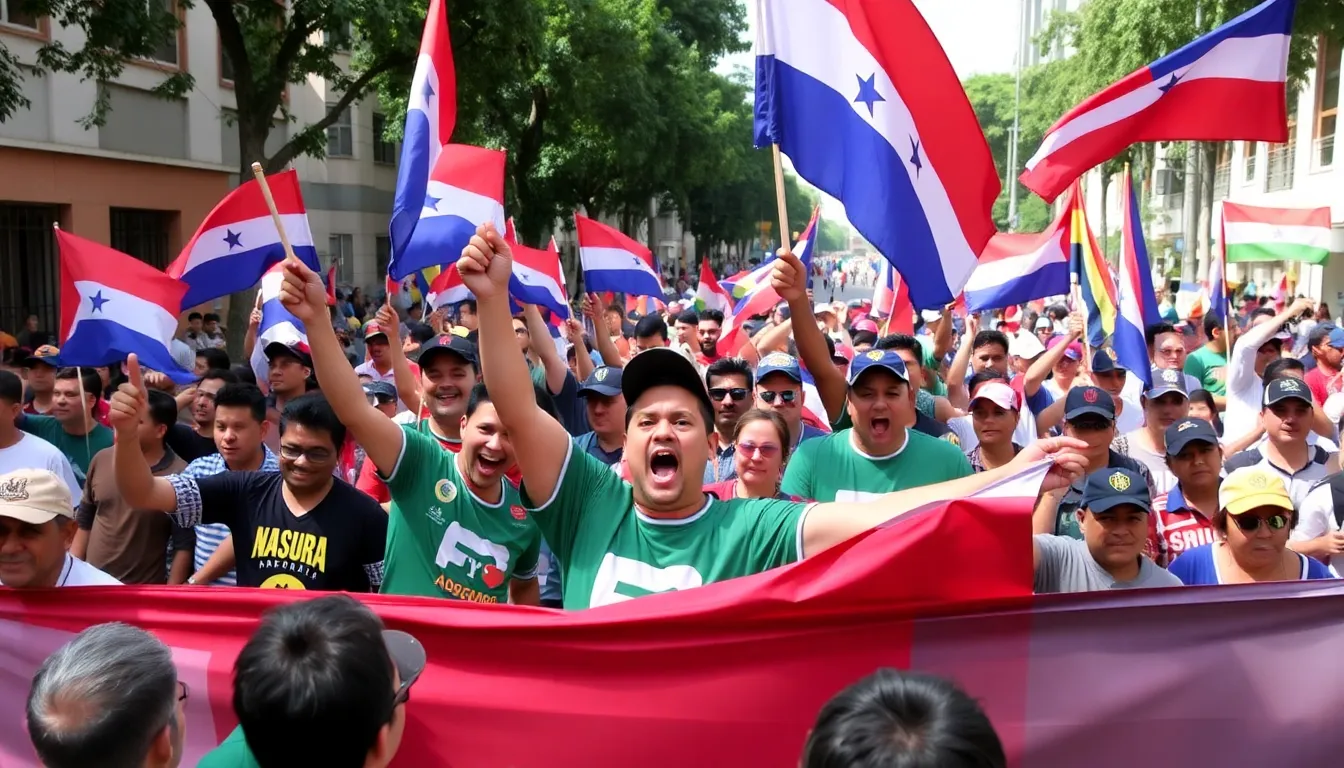
International stakeholders include the United States government, which has historically had a strong influence on Honduran politics, particularly through aid and diplomatic relations. The interests of the U.S. may align with Asfura’s administration, given his ties to Trump, but this relationship can also lead to tensions, especially regarding human rights and corruption concerns.
- Corruption allegations: Asfura’s administration may face scrutiny over previous corruption scandals involving the National Party, which could affect international relations and aid.
- Economic challenges: Honduras is grappling with high poverty rates and unemployment, making economic policy a critical issue for the new administration.
- U.S. influence: Asfura’s close ties to Trump may lead to a shift in U.S. foreign policy towards Honduras, impacting immigration and trade agreements.
- Social unrest: The opposition’s response to Asfura’s victory could provoke protests and political instability, affecting governance and public order.
These dynamics illustrate the intricate balance of power and the potential for conflict as stakeholders navigate their interests in the wake of Asfura’s victory. The outcome of this election not only shapes Honduras’s future but also has broader implications for regional stability and U.S. foreign policy in Central America.
How Asfura’s presidency will affect the people of Honduras
The election of Nasry Asfura, a close ally of former U.S. President Donald Trump, marks a significant shift in Honduras’ political landscape. Various groups within the country, including business sectors, rural communities, and marginalized populations, will feel the effects of his presidency. The implications could reshape daily life and economic opportunities for many Hondurans.
In the short term, Asfura’s administration is expected to focus on strengthening ties with the United States, potentially leading to increased foreign investment in sectors such as agriculture, tourism, and infrastructure. However, this could also lead to a concentration of power among established businesses, sidelining small enterprises and local entrepreneurs.
Moreover, Asfura’s policies may impact social programs aimed at vulnerable populations. Cuts to public spending could exacerbate existing inequalities, particularly affecting rural communities that rely on government support for education and healthcare. The mid-term consequences could see a rise in social unrest as citizens react to perceived injustices.
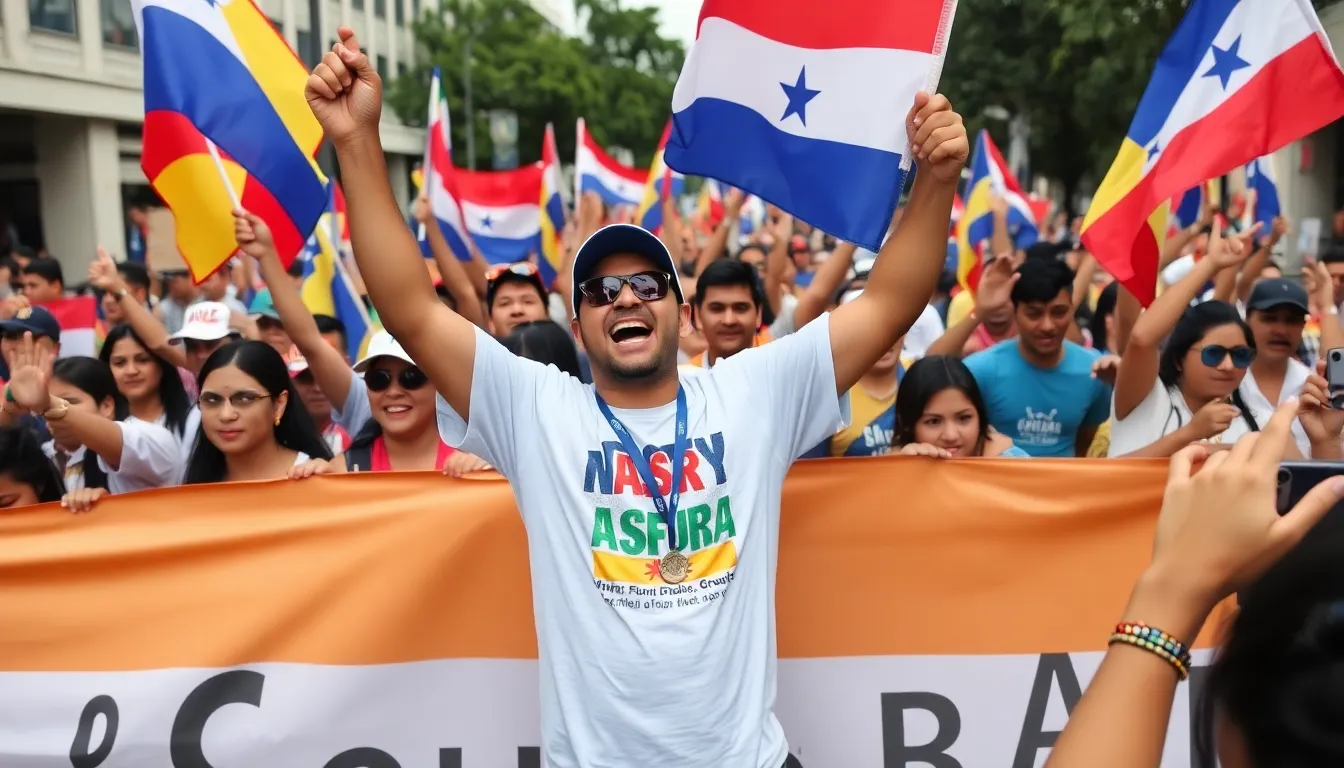
On the other hand, there are opportunities for economic growth and development. If Asfura successfully implements policies that attract foreign investment, it could create jobs and stimulate local economies. The construction and service industries may benefit significantly, providing employment for many Hondurans.
- Short-term impacts: Strengthened U.S. relations, potential foreign investment surge.
- Mid-term impacts: Increased social unrest, possible cuts to social programs.
- Opportunities: Job creation in construction and services, economic stimulation.
- Risks: Concentration of power, marginalization of small businesses and rural communities.
A: Nasry Asfura is a Honduran politician and businessman who has served as the mayor of Tegucigalpa. He is known for his close ties to former U.S. President Donald Trump. A: Many critics are concerned about potential corruption and human rights issues under Asfura’s administration, given his political background. A: The election was marked by allegations of irregularities and protests from opposition parties, questioning the legitimacy of the results. A: Asfura’s close relationship with Trump may lead to a strengthening of ties with the U.S., but it could also complicate relations with other nations. A: Analysts expect Asfura to focus on economic development and security, although the effectiveness of his policies remains to be seen.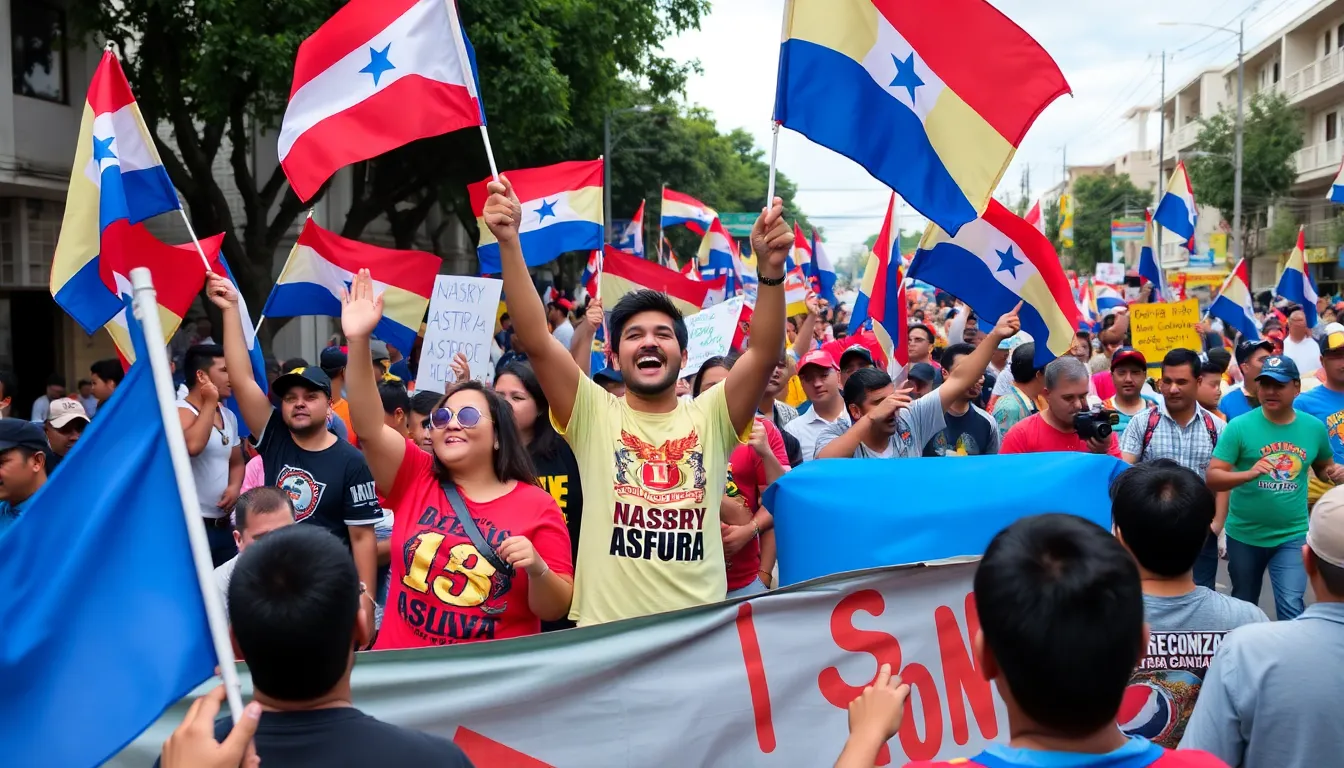
Frequently Asked Questions about the election results
Looking ahead: Implications of Asfura’s presidency
The election of Nasry Asfura as president of Honduras marks a significant shift in the political landscape of the country, particularly given his close ties to former U.S. President Donald Trump. Asfura’s administration is expected to prioritize economic development and foreign investment, potentially reshaping Honduras’s relationships both regionally and internationally. Observers will be keen to see how his policies align with the expectations of the electorate, especially regarding issues such as corruption and social inequality.
Moreover, Asfura’s presidency could influence the dynamics of U.S.-Honduras relations, particularly in the context of immigration and trade. His approach to governance and collaboration with the U.S. may set the tone for future diplomatic engagements, impacting both countries significantly.
- Monitor the implementation of economic policies aimed at attracting foreign investment and their effects on local industries.
- Watch for developments in anti-corruption measures and how they might affect public trust in the government.
- Observe the response from the U.S. administration regarding immigration policies and bilateral trade agreements.
- Consider the potential for increased political polarization within Honduras as Asfura navigates his relationship with opposition parties.
- Evaluate the impact of Asfura’s presidency on regional stability and cooperation with neighboring countries.