
The university’s claim drew immediate scrutiny from attendees and social media users alike, who pointed out the robodog’s distinct branding and design features that clearly identified it as a product from a Chinese robotics company. This misrepresentation has sparked discussions about intellectual property rights and ethical standards in academic presentations.
In response to the growing criticism, university officials issued a statement claiming that the robodog was intended as a collaborative example of robotics research. However, many critics argue that this justification fails to address the core issue of transparency and accountability in showcasing technology at academic events.
The controversy has raised broader questions about the integrity of research institutions in India and their responsibility to accurately represent their work. As universities increasingly engage with global technology, the need for ethical guidelines in presenting collaborative and proprietary projects has become more pressing.
Recommended Articles
- Netflix leader advocates for Warner deal amid legislative skepticism
- ByteDance takes action to limit AI video tool following Disney's concerns
- Instagram Chief Claims Social Media Is Not Clinically Addictive in Landmark Trial
- Strictly star Robin Windsor takes own life after mental health struggles
- Kalshi and Polymarket Introduce Competition for Economists
- Netflix leader advocates for Warner deal amid legislative skepticism
- ByteDance takes action to limit AI video tool following Disney's concerns
- Instagram Chief Claims Social Media Is Not Clinically Addictive in Landmark Trial
- Strictly star Robin Windsor takes own life after mental health struggles
- Kalshi and Polymarket Introduce Competition for Economists
Understanding the origins of the robodog and its significance
The recent controversy surrounding an Indian university’s claim to a Chinese robodog at an AI summit highlights a complex interplay of technological innovation, national pride, and the competitive landscape of artificial intelligence. As nations race to establish themselves as leaders in AI, the implications of intellectual property and innovation have become increasingly pronounced.
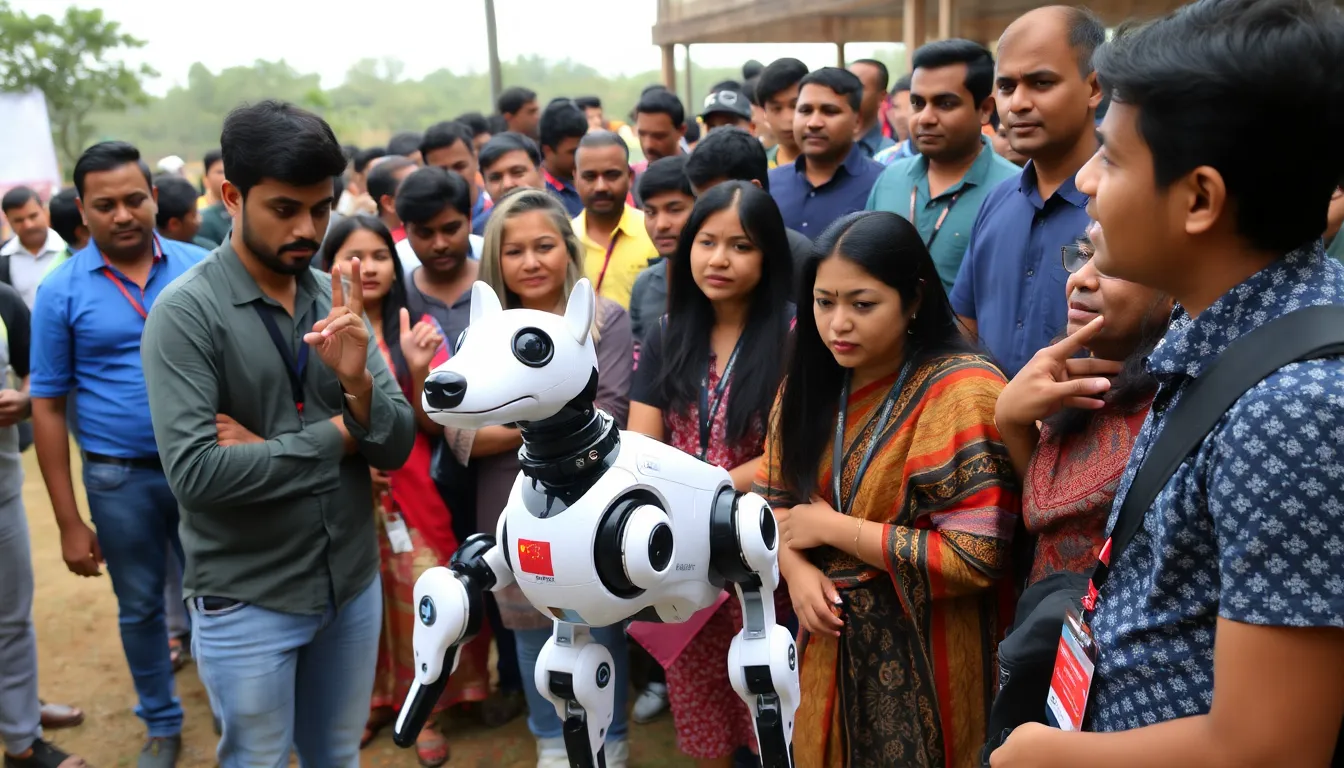
Historically, the development of robotic technologies has been a focal point for both China and India, with each country investing heavily in research and development. China’s advancements in robotics, particularly in the realm of artificial intelligence, have garnered international attention, leading to a surge in interest and competition from other nations, including India. The robodog in question, originally developed by a Chinese company, symbolizes the cutting-edge innovations that have emerged from this competitive environment.
The Rise of AI in Asia
In recent years, Asia has become a hub for AI development, with both China and India vying for dominance. The Chinese government’s significant funding and support for AI initiatives have enabled rapid advancements, while India has positioned itself as a burgeoning tech powerhouse, leveraging its vast pool of engineering talent. This rivalry has led to a series of milestones, including collaborative projects, international conferences, and heightened scrutiny over claims of ownership and innovation.
The backlash faced by the Indian university stems from a broader context of nationalism and pride in technological achievements. As countries strive to assert their capabilities on the global stage, incidents like this can trigger public outrage, particularly when perceived as a misappropriation of another nation’s achievements. The incident serves as a reminder of the delicate balance between fostering innovation and respecting the contributions of others in the global tech ecosystem.
Ultimately, this episode raises important questions about the ethics of innovation and the responsibilities of institutions in accurately representing their work. As the landscape of AI continues to evolve, the need for transparency and collaboration will be crucial in navigating the complexities of international technological advancements.
Key stakeholders react to the university’s actions and their implications
The recent incident involving an Indian university claiming a Chinese robodog as its own at an AI summit has sparked significant controversy among various stakeholders. Key actors in this scenario include the university itself, the Chinese company that developed the robodog, the Indian government, and the broader academic and tech communities. Each of these stakeholders has distinct interests that shape their responses to the situation.
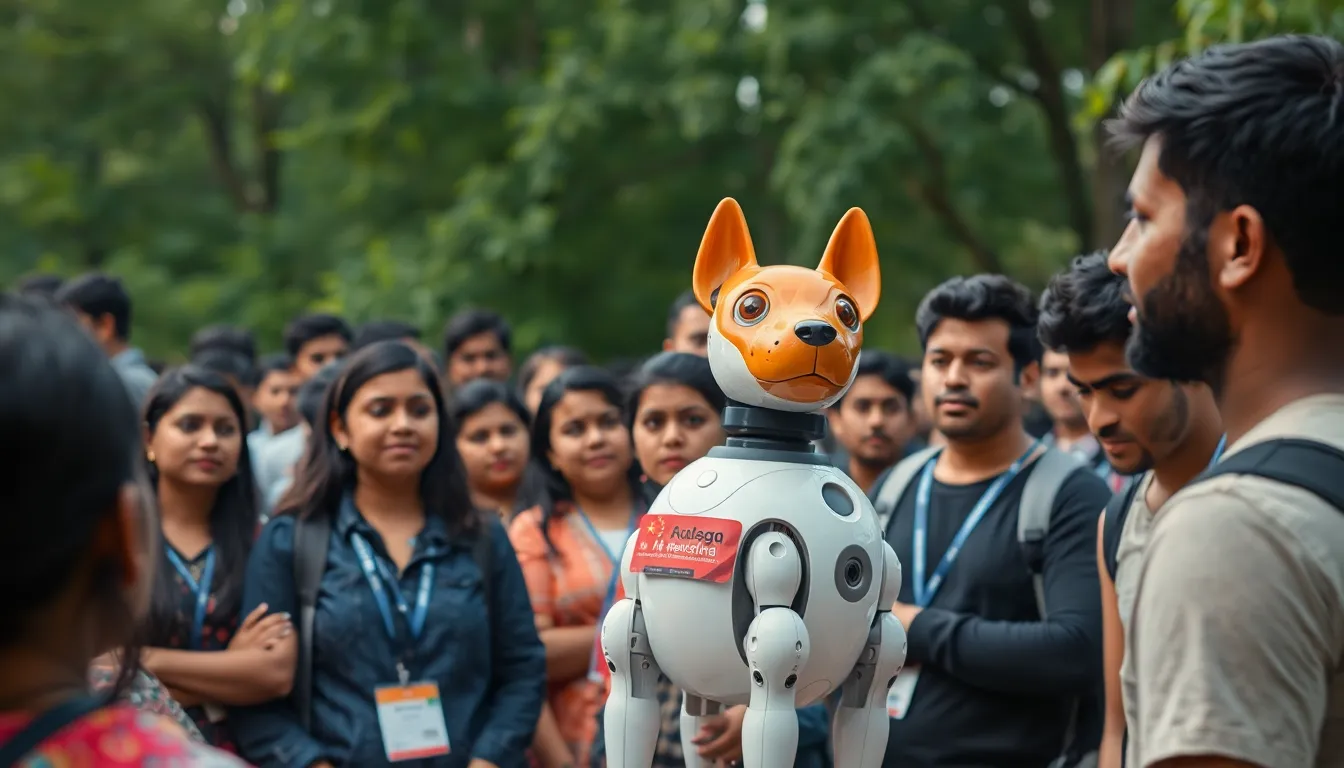
The university’s claim raises questions about intellectual property rights and ethical conduct in academia. By asserting ownership over a technology developed by another entity, the university risks damaging its reputation and credibility. This situation also poses a challenge for the Indian government, which is keen to promote innovation and collaboration in the tech sector, but must also address issues of integrity and trust in research.
The Chinese company, on the other hand, has a vested interest in protecting its intellectual property and brand reputation. The backlash against the university could lead to diplomatic tensions, especially in the context of ongoing geopolitical frictions between India and China. This could further complicate collaborations in technology and research between the two nations.
- Intellectual Property Rights: The incident highlights the complexities surrounding ownership and patents in the rapidly evolving field of AI and robotics.
- Reputation Management: Stakeholders must navigate the potential damage to their reputations resulting from the incident, which can have long-term implications for partnerships and funding.
- Geopolitical Implications: The situation may exacerbate existing tensions between India and China, influencing future collaborations and trade in technology.
- Public Perception: The university’s actions could lead to public backlash, affecting student recruitment and funding opportunities.
- Ethical Standards: This incident raises broader questions about ethical standards in research and the responsibilities of academic institutions.
These conflicting interests and potential repercussions illustrate the need for clear policies and guidelines regarding the use and attribution of technology in academic settings. As stakeholders navigate this complex landscape, the outcomes of this incident may set important precedents for future interactions in the global tech community.
Repercussions for the university and the broader AI community
The recent incident involving an Indian university claiming a Chinese robodog as its own at an AI summit has sparked significant backlash, affecting various stakeholders. The university itself faces immediate reputational damage, which could influence its enrollment numbers and funding opportunities. Additionally, this situation resonates within the broader AI community, prompting discussions around intellectual property and ethical practices in technology development.
Industries such as education, technology, and international relations are particularly impacted. Educational institutions may reassess their policies on collaboration and transparency, while tech companies could face scrutiny regarding the authenticity of their innovations. Furthermore, international relations may be strained as countries navigate the implications of such claims in the context of ongoing geopolitical tensions.
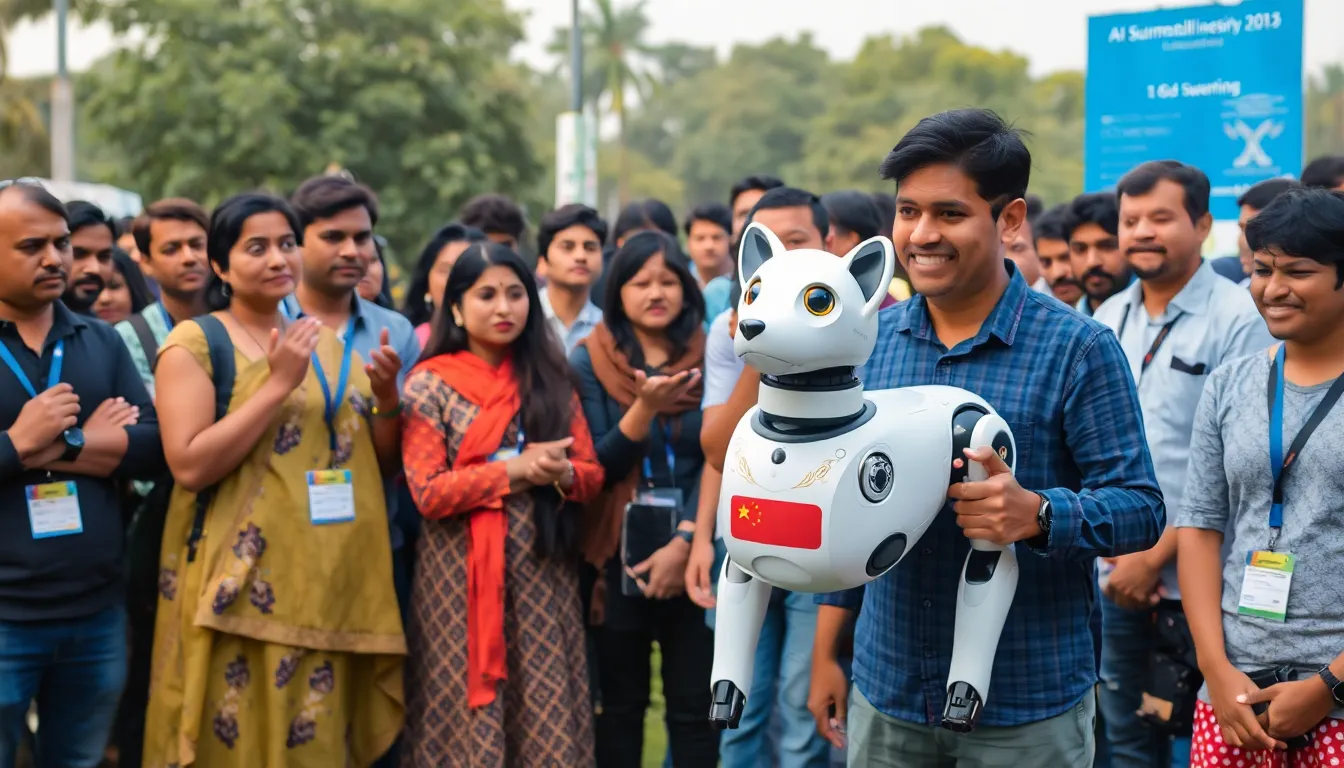
In the short term, daily life for students and faculty at the university may be disrupted, as protests and calls for accountability arise. Businesses that partner with the university could also experience uncertainty, potentially leading to a reevaluation of collaborations. In the mid-term, policy changes regarding research funding and ethical guidelines in AI development may emerge, influencing how institutions operate.
- Reputational damage to the university and its stakeholders.
- Increased scrutiny on ethical practices in AI.
- Potential policy changes in research and funding.
- Impact on international collaborations in technology.
While risks abound, there are potential opportunities for the university to rebuild trust by enhancing transparency and fostering ethical research practices. Additionally, this incident could catalyze a broader dialogue about innovation integrity, encouraging collaboration among institutions to establish clearer guidelines and standards in the AI field.
A: The university claimed that a Chinese robodog, originally developed by a Chinese company, was their own creation during the AI summit. A: The claim is controversial because it raises issues of intellectual property theft and misrepresentation in the academic community. A: The Chinese company has expressed outrage and is considering legal action against the university for the misappropriation of their technology. A: The university may face reputational damage, loss of funding, and scrutiny from academic regulatory bodies. A: This incident could undermine trust in Indian AI research and innovation, highlighting the need for ethical standards in academia.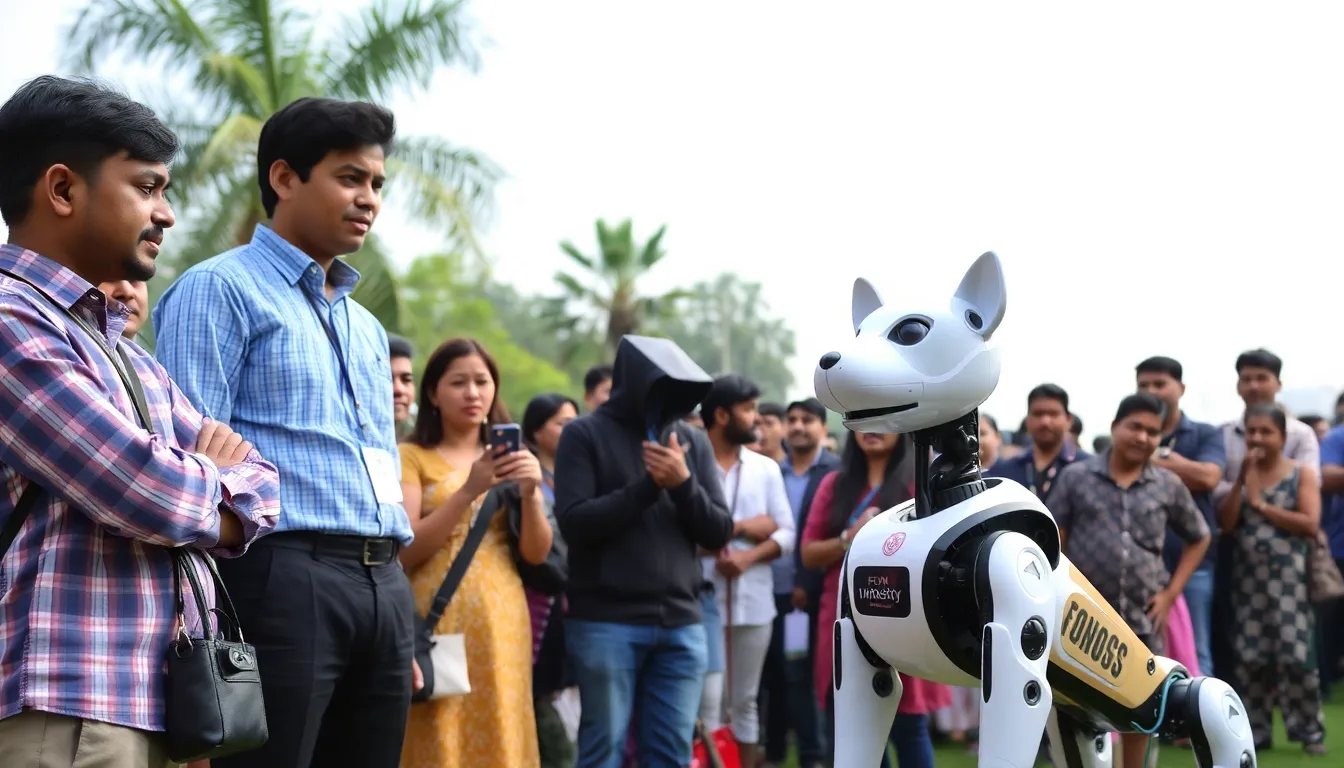
Frequently asked questions about the incident
Looking ahead: implications for academic integrity and innovation
The incident involving the Indian university’s claim over a Chinese robodog at the AI summit raises significant questions about academic integrity and the ethical standards within the realm of innovation. As institutions navigate the competitive landscape of technological advancement, the pressure to showcase groundbreaking work can lead to misrepresentation and potentially damage reputations. This event serves as a reminder of the importance of transparency and accountability in research and development.
Moving forward, universities and research institutions must prioritize ethical practices to foster genuine innovation. The backlash from this incident may prompt a wider discussion on intellectual property rights and the need for clearer guidelines in collaborative projects. Stakeholders should be vigilant in ensuring that proper credit is given and that the integrity of academic work is upheld.
- Increased scrutiny: Expect heightened examination of claims made by universities regarding research and technological advancements.
- Policy development: Institutions may implement stricter policies and guidelines to prevent misrepresentation of work.
- Collaboration ethics: A renewed focus on ethical collaboration practices could emerge, emphasizing the importance of transparency.
- Reputation management: Universities may invest more in reputation management strategies to mitigate the impact of such incidents.
- Public trust: The need to rebuild public trust in academic institutions will become increasingly critical in the wake of controversies.