
The proposed legislation seeks to define hate speech more clearly and establish stricter penalties for those found guilty of inciting violence or spreading false information. Advocates argue that such measures are crucial for maintaining social harmony, especially in a diverse nation where various religious and ethnic communities coexist. For more insights on this law, read our article on An Indian state aims to address hate speech through legislation.
Critics, however, warn that the law could be misused to stifle free speech and target dissenting voices. The debate surrounding the balance between protecting citizens from hate speech and preserving freedom of expression is intensifying, with various stakeholders weighing in on the implications of the proposed law.
As discussions continue, the Maharashtra government aims to finalize the legislation by early next year, with hopes that it will serve as a model for other states grappling with similar issues. The effectiveness of this approach remains to be seen, as the state navigates the complex landscape of public opinion and legal challenges.
Exploring the historical background of hate speech laws in India
The issue of hate speech in India has deep historical roots, intertwined with the country’s colonial past and its struggle for independence. During British rule, laws were enacted to suppress dissent and control public discourse. The legacy of these laws has influenced contemporary regulations on speech, often leading to a complex relationship between freedom of expression and the need to maintain public order.
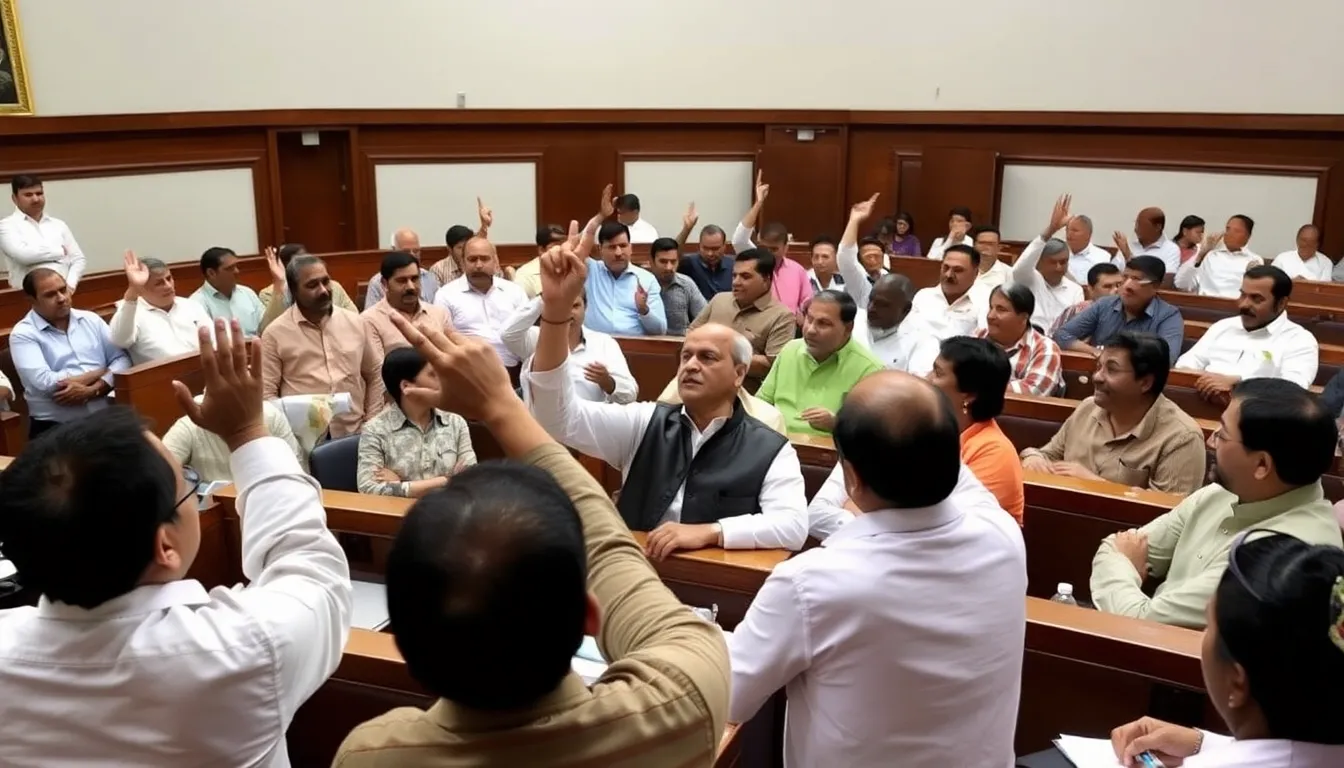
Post-independence, the Indian Constitution, adopted in 1950, enshrined freedom of speech as a fundamental right under Article 19. However, this right is not absolute; it is subject to reasonable restrictions, including the prevention of hate speech. The framers of the Constitution recognized the potential for speech to incite violence and communal discord, which has been a persistent issue in India’s diverse society. To explore how these principles interact with current legislation, see our coverage on An Indian state seeks to address hate speech through new legislation.
Key Milestones in Hate Speech Legislation
Over the years, several landmark cases have shaped the legal framework surrounding hate speech in India. Notably, the 1962 case of Ram Manohar Lohia v. State of Bihar established that speech could be restricted if it poses a clear and present danger to public order. Additionally, the 2012 case of Shreya Singhal v. Union of India highlighted the delicate balance between free speech and the need to curb hate speech, leading to the striking down of Section 66A of the IT Act, which was deemed overly broad and unconstitutional.
In recent years, rising communal tensions and incidents of violence have reignited the debate over hate speech laws. Various states have attempted to introduce or amend legislation to address the issue, reflecting a growing concern about the impact of social media and online platforms in spreading inflammatory content. The current push by one Indian state to implement a specific law targeting hate speech is part of a broader effort to create a legal framework that can effectively respond to these challenges while safeguarding democratic values. For a related discussion on public health challenges, refer to our article about hospital flu cases declining.
The political landscape surrounding hate speech laws is also significant. Political parties often leverage issues of communal identity and nationalism, which complicates the discourse on regulation. The challenge lies in crafting laws that not only deter hate speech but also do not infringe upon the fundamental rights guaranteed by the Constitution, a balancing act that has proven difficult in practice.
Key stakeholders and the main issues surrounding the proposed law
The proposed law aimed at tackling hate speech in the Indian state has garnered attention from various stakeholders, each with distinct interests and concerns. The primary actors involved include the state government, civil society organizations, media outlets, and the general public. Understanding their perspectives is crucial for analyzing the potential effectiveness and implications of the legislation.
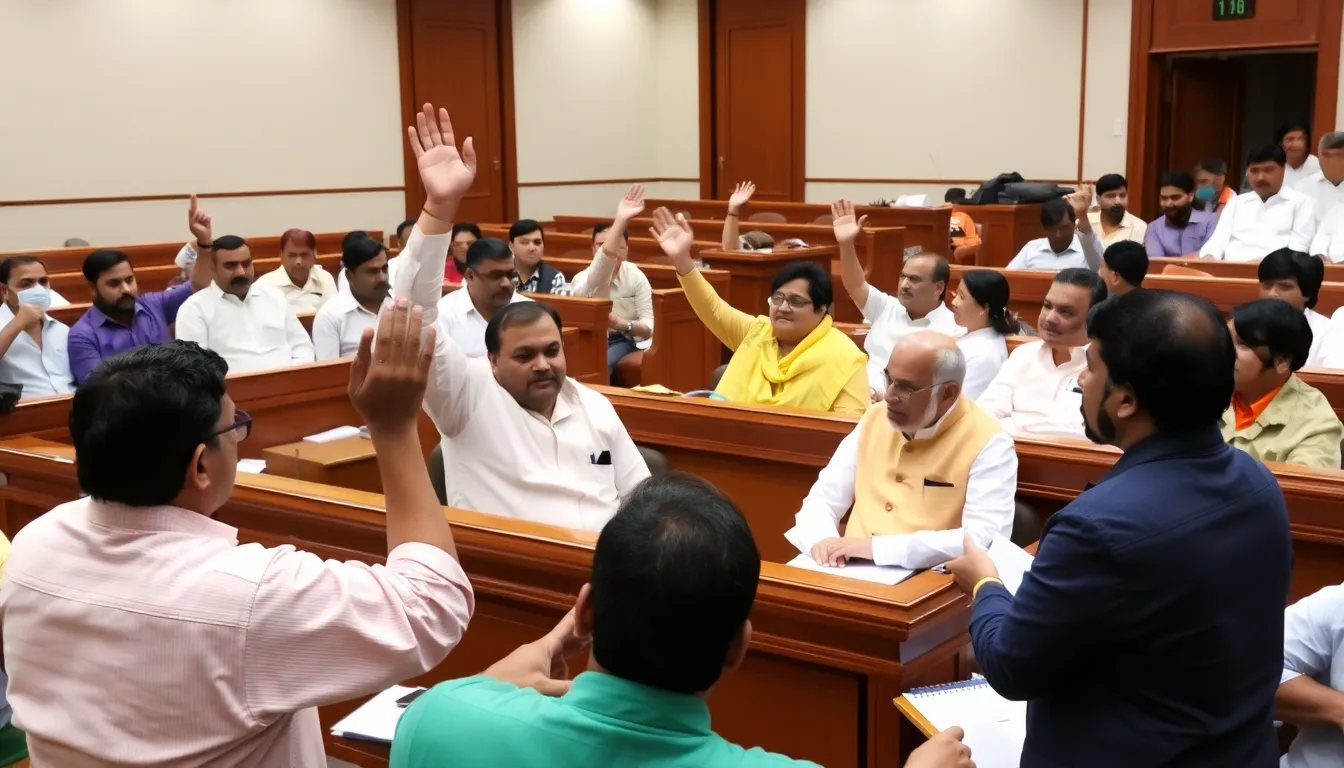
The state government is motivated by the need to maintain social harmony and prevent communal violence, which has been a recurring issue in the region. They argue that the law will provide a legal framework to address hate speech and protect vulnerable communities. However, the government also faces criticism regarding the potential misuse of the law for political gain or to suppress dissenting voices.
Civil society organizations play a pivotal role in advocating for human rights and freedom of expression. While many support measures to combat hate speech, they express concerns about the law’s vagueness and the risk of overreach. They fear that the legislation could lead to censorship and undermine democratic values if not carefully implemented.
- Conflicting interests: The government aims to ensure public safety, while civil liberties groups prioritize freedom of expression.
- Potential misuse: There are apprehensions that the law could be exploited to target political opponents or dissenters.
- Legal challenges: The law may face scrutiny in courts regarding its constitutionality and alignment with existing free speech protections.
- Economic implications: Media outlets may alter their content strategies, impacting advertising revenue and public discourse.
- Public perception: The general public remains divided on the issue, with some supporting the law as a necessary measure and others viewing it as an infringement on free speech.
As the debate unfolds, it is essential to consider these diverse viewpoints and the broader implications of the proposed law. The interplay between safeguarding communities and preserving fundamental rights will be a critical factor in determining the law’s success and legitimacy.
Potential effects of the law on society and free speech
The proposed law aimed at tackling hate speech in an Indian state is set to affect various groups across the socio-economic spectrum. Primarily, marginalized communities who often bear the brunt of hate speech may find some relief, as the legal framework could provide them with a means to seek justice. However, the law could also impact free speech advocates and media organizations, who may view the legislation as a potential threat to open discourse.
In the short term, businesses, particularly those in the media and technology sectors, may need to adapt their content moderation policies to comply with the new regulations. This could lead to increased operational costs as companies invest in monitoring tools and legal consultations. Additionally, public sentiment may shift, leading to a more cautious approach in how individuals express their opinions online and offline.
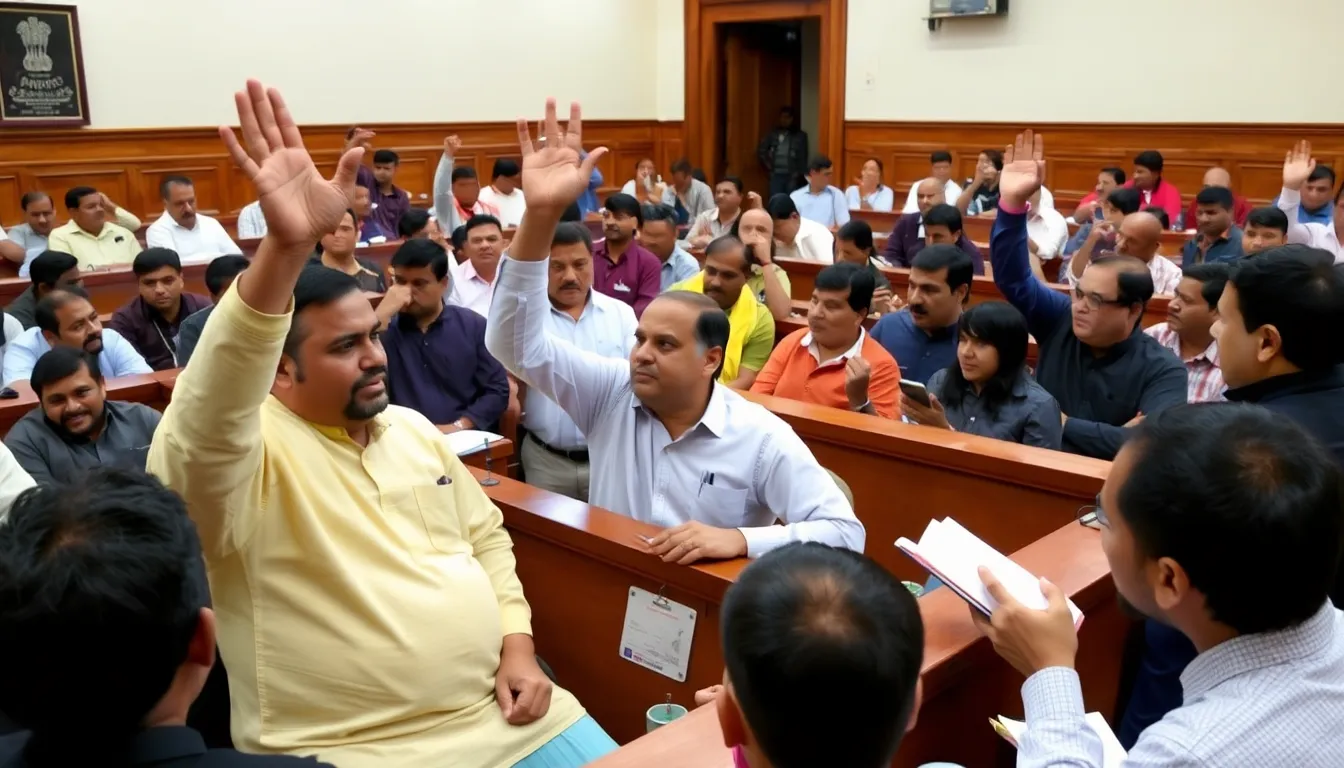
Mid-term impacts could manifest in changes to public policy and community relations. Local governments may need to allocate resources for training law enforcement and judiciary personnel on the new law, potentially leading to a more informed approach to handling hate speech cases. Conversely, there is a risk that the law could be misused to suppress dissent or target political opponents, creating an atmosphere of fear among activists and journalists.
- Short-term impacts: Increased costs for businesses, cautious public expression.
- Mid-term impacts: Changes in public policy, potential misuse of the law.
- Opportunities: Enhanced protections for marginalized communities, potential for improved community relations.
Ultimately, while the law aims to create a safer environment for vulnerable groups, it also raises significant concerns regarding the balance between protecting free speech and curbing hate speech. The effectiveness of the law will largely depend on its implementation and the societal response it elicits.
A: The primary aim of the proposed law is to curb hate speech and promote social harmony by penalizing individuals who spread hate through their words. A: Critics argue that the law could infringe on freedom of speech, as it may lead to the suppression of legitimate expressions and discussions. A: Enforcing the law may face challenges such as defining hate speech clearly and ensuring that it is not misused for political purposes. A: Yes, many countries have laws against hate speech, but the definitions and enforcement mechanisms vary widely, reflecting different cultural and legal contexts. A: Experts are divided; some believe that legal measures can reduce hate speech, while others argue that education and dialogue are more effective solutions.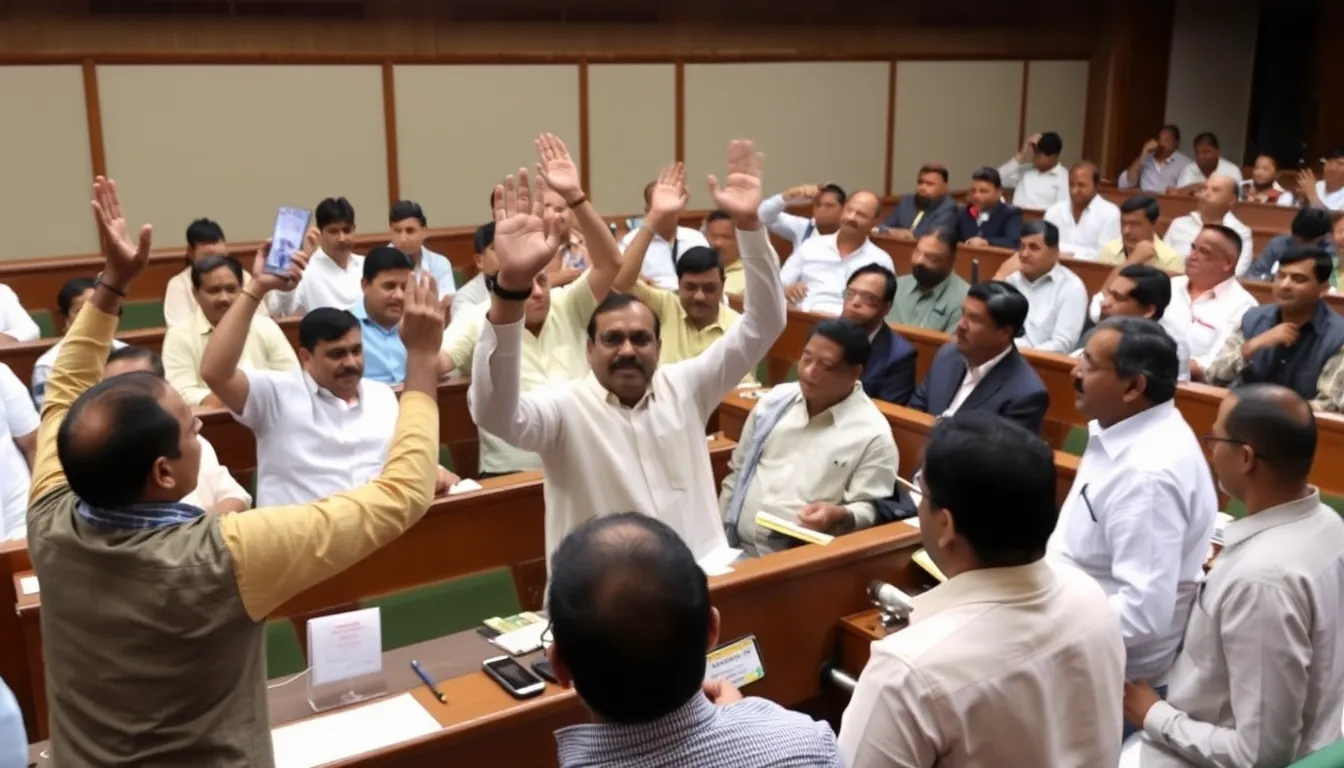
Frequently asked questions about the hate speech law
Insights on the future of hate speech legislation in India
The introduction of a new law aimed at addressing hate speech in an Indian state marks a significant step in the ongoing dialogue about freedom of expression and public safety. As the government seeks to balance these often conflicting interests, the effectiveness of such legislation will depend on its implementation, public perception, and the judiciary’s interpretation. Observing the unfolding of this law will provide valuable insights into how similar measures might be adopted or resisted in other regions.
In navigating the complexities of hate speech, the law could set precedents that influence not only local governance but also national discourse. Stakeholders, including civil society, political entities, and the media, will play crucial roles in shaping the law’s impact and effectiveness.
- Watch for public response and engagement with the law, as community sentiment will significantly influence its effectiveness.
- Monitor the judiciary’s interpretation of the law, as court rulings can either reinforce or challenge its provisions.
- Consider the potential for this legislation to inspire similar initiatives in other states or regions, reflecting broader national trends.
- Evaluate the law’s impact on social media platforms and their responsibilities in moderating hate speech.
- Assess the balance between protecting free speech and curbing hate speech, as this law could redefine the limits of expression in India.