
This ruling is pivotal as it affects a range of products, including electronics and agricultural goods, which are key components of the trade relationship between the two nations. The US had been pushing for a more favorable tariff regime as part of broader trade discussions aimed at enhancing economic ties. For a closer look at similar tariff challenges, check out the article on Trump and Indonesia’s Trade Deal.
The delay in talks, originally scheduled for mid-October, underscores the complexities of international trade negotiations, particularly when domestic legal issues come into play. Both countries have expressed the need to address these concerns before proceeding with discussions that could lead to a more comprehensive trade agreement.
Trade representatives from both sides have indicated that they remain committed to finding a resolution but acknowledge that the Supreme Court’s ruling must be taken into account. The outcome of this situation could have significant implications for future trade dynamics between India and the US, which are already navigating a series of economic challenges.
Understanding the background of the Supreme Court’s tariff ruling
The recent deferral of trade talks between India and the United States can be traced back to a pivotal Supreme Court ruling regarding tariffs that has significant implications for international trade relations. Historically, both nations have maintained a complex trade relationship characterized by periods of cooperation and contention. The Supreme Court’s decision has reignited debates around trade policies, impacting diplomatic negotiations and economic strategies. For more insights into other international trade agreements, refer to the article on US and Indonesia’s tariff deal.
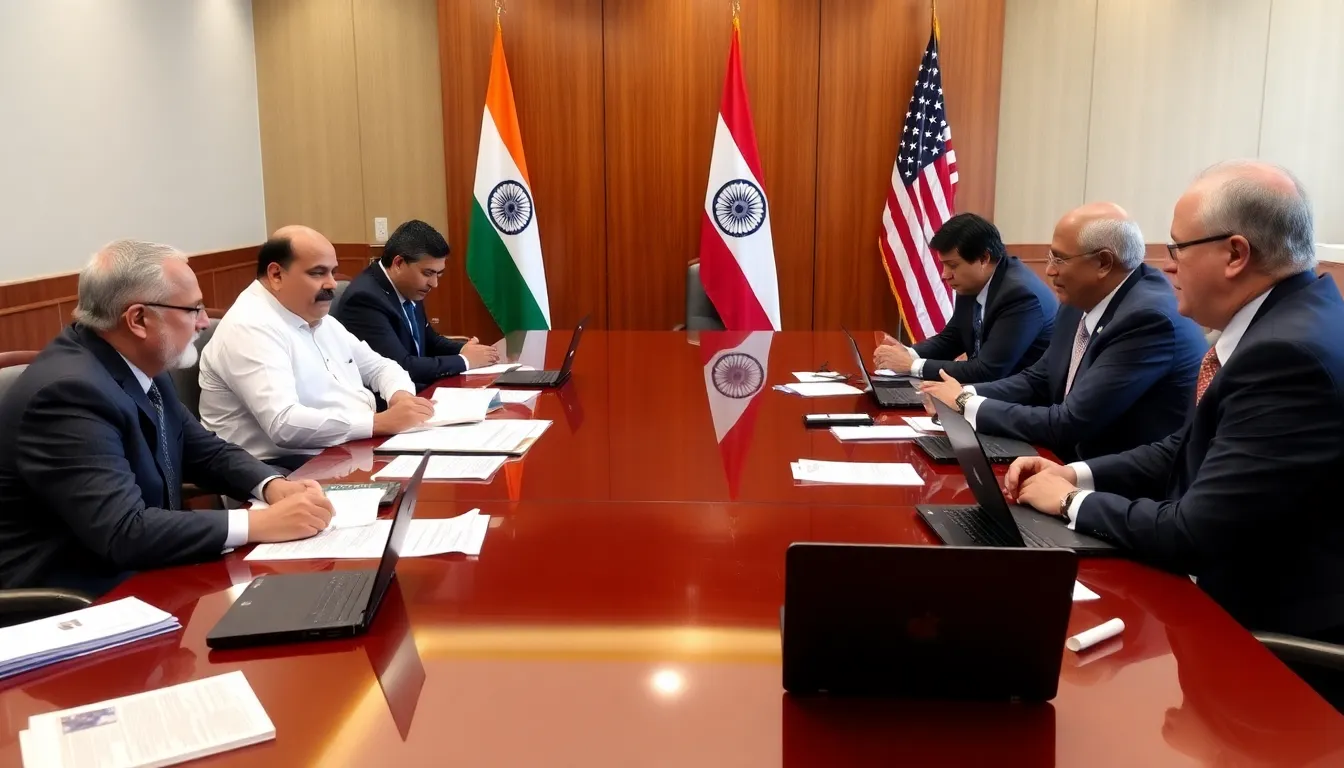
In the past, the U.S. and India have engaged in various trade agreements aimed at reducing tariffs and enhancing bilateral trade. However, tensions have often arisen due to differing economic priorities and domestic pressures. The Supreme Court ruling, which upheld certain tariffs imposed by the U.S. on Indian goods, is seen as a setback for India’s export sector, prompting concerns over retaliatory measures and further complications in trade discussions.
Key milestones in this relationship include the 2016 U.S.-India Strategic and Commercial Dialogue, which aimed to strengthen economic ties, and the 2020 trade negotiations that faced hurdles over issues such as intellectual property rights and agricultural tariffs. The recent ruling serves as a reminder of the fragility of these agreements and the potential for legal decisions to influence broader economic policies.
The Economic Impact of Tariff Policies
Tariff policies have long been a tool for governments to protect domestic industries, but they can also lead to increased costs for consumers and strained international relations. The Supreme Court’s ruling reflects broader trends in global trade, where countries are increasingly adopting protectionist measures. This ruling not only affects India and the U.S. but also sets a precedent that may influence other nations’ trade practices and negotiations.
Key stakeholders and issues surrounding the trade talks
The recent deferral of trade talks between India and the United States following the Supreme Court’s ruling on tariffs has highlighted a complex web of stakeholders and issues. Key actors include the governments of India and the United States, various industry groups, and the legal entities involved in the tariff dispute. Each has distinct interests that shape the ongoing dialogue and negotiations.
The Indian government seeks to protect its domestic industries from what it perceives as unfair trade practices, particularly regarding tariffs that may impact its economy. Conversely, the United States aims to enhance its trade balance and secure favorable terms for its exporters. This fundamental difference in objectives creates a challenging environment for negotiations.

Legal and economic issues are at the forefront of this trade impasse. The Supreme Court’s ruling has raised questions about the legality of certain tariffs imposed by the U.S., which may be viewed as protectionist measures. This situation complicates the trade landscape, as both nations must navigate domestic laws and international trade agreements. For additional context on related regulatory changes, see our coverage on CBD product bans.
- Tariff Disputes: Ongoing disagreements over tariffs can lead to increased tensions and retaliatory measures.
- Domestic Industry Protection: Both countries prioritize the protection of their local industries, which can hinder compromise.
- Legal Framework: The interpretation of trade laws and agreements plays a crucial role in shaping negotiations.
- Global Economic Impact: The outcome of these talks could have broader implications for international trade dynamics.
- Stakeholder Influence: Industry groups and lobbyists in both countries exert significant pressure on their respective governments.
As discussions remain on hold, the implications of the Supreme Court’s ruling will likely reverberate through both economies, influencing future trade policies and the overall relationship between India and the U.S. The path forward will require careful consideration of each stakeholder’s interests and the legal frameworks governing international trade.
The implications of the trade talk delay on markets and economies
The recent decision by the Supreme Court regarding tariffs has led to a postponement of trade talks between India and the United States, affecting various sectors and stakeholders. Key groups impacted include manufacturers, exporters, and consumers in both nations, particularly those reliant on cross-border trade. The delay may lead to uncertainty in trade policies, affecting businesses that export goods between the two countries.
In the short term, businesses may face increased costs due to tariffs, which could lead to higher prices for consumers. Industries such as textiles, agriculture, and technology, which depend heavily on trade with the U.S., may experience disruptions in supply chains. This uncertainty can hinder investment decisions, affecting job creation and economic growth in both countries.
Mid-term, the delay could result in a reevaluation of trade strategies by companies. Businesses may seek to diversify their supply chains to mitigate risks associated with tariff fluctuations. Additionally, some sectors could find opportunities in domestic markets, as consumers may turn to local products due to higher imported goods prices. However, industries that thrive on exports may struggle to maintain competitiveness without favorable trade agreements.

- Increased costs: Higher tariffs could lead to elevated prices for consumers.
- Supply chain disruptions: Key industries may face challenges in sourcing materials.
- Investment hesitancy: Businesses might delay expansion plans due to uncertainty.
- Shift to domestic markets: Opportunities for local businesses may arise as imports become pricier.
Ultimately, while the delay in trade talks poses risks for certain sectors, it may also open doors for innovation and adaptation within the marketplace. Companies that can pivot and respond to changing conditions may find new avenues for growth despite the challenges presented by the current trade climate.
A: The postponement is primarily due to the recent Supreme Court ruling on tariffs, which has created uncertainty in trade policies. A: The delay could affect bilateral trade relations, economic growth, and investment opportunities between the two countries. A: While no specific date has been set, both countries are likely to reassess their positions once the implications of the ruling are clearer. A: The ruling may set a precedent that could influence other ongoing trade negotiations and agreements involving India and the US. A: Key issues include tariffs, market access, and intellectual property rights, which are critical for both nations’ economies.
Frequently asked questions about the trade talks delay
Outlook on future trade relations between India and the US
The recent deferral of trade talks between India and the United States following the Supreme Court’s ruling on tariffs highlights the complexities in their bilateral relationship. This development underscores the need for both nations to navigate their economic ties with caution, particularly in light of ongoing geopolitical tensions and domestic pressures. As both countries seek to bolster their economies, the path forward will likely require careful negotiation and strategic alignment on key issues.
<p Stakeholders should monitor how this ruling influences not only the trade discussions but also broader economic policies in both countries. The evolving landscape may present new opportunities as well as challenges, necessitating adaptive strategies from businesses and policymakers alike.
- Watch for potential shifts in tariff policies that could impact specific sectors, particularly agriculture and technology.
- Observe how domestic political pressures in both countries may affect future negotiations and trade agreements.
- Consider the implications for foreign investment as companies reassess their strategies in light of this uncertainty.
- Monitor the role of international organizations and other nations in mediating or influencing US-India trade relations.