
Anderson, a British artist of Jamaican descent, is known for his vivid and evocative paintings that often reflect his own experiences and cultural heritage. The current exhibition presents a series of pieces that invite viewers to navigate a landscape of personal and collective memories, often evoking a sense of nostalgia and introspection. This thematic exploration is particularly relevant in today’s context, where discussions around identity and representation are increasingly prominent, much like in the Female Pharaoh Redefined in Modern Narrative.
The exhibition has been praised for its haunting and dreamlike quality, with critics noting how Anderson’s use of color and composition creates an immersive experience. Art enthusiasts and casual visitors alike have expressed their admiration for the way the works resonate with their own memories, making the exhibition a deeply personal encounter. As a result, it has sparked conversations about the role of art in reflecting and shaping our understanding of the past.
In conjunction with the exhibition, the New Art Gallery is hosting a series of talks and workshops aimed at deepening the audience’s engagement with Anderson’s work. These events are designed to foster dialogue about the themes presented in the exhibition and to encourage visitors to reflect on their own experiences and memories. This initiative highlights the gallery’s commitment to making contemporary art accessible and relevant to the community, similar to initiatives discussed in Exploring the Experience of Returning to Print After Two Decades.
Understanding the background of Hurvin Anderson’s artistic journey
Hurvin Anderson, a British artist of Jamaican descent, has gained recognition for his evocative paintings that explore themes of memory, identity, and the complexities of cultural heritage. His work often reflects the experiences of the Caribbean diaspora in the UK, a community shaped by historical migrations, colonial legacies, and ongoing social dynamics. Anderson’s artistic journey is deeply rooted in these contexts, providing a lens through which audiences can engage with the nuanced interplay of personal and collective memory.
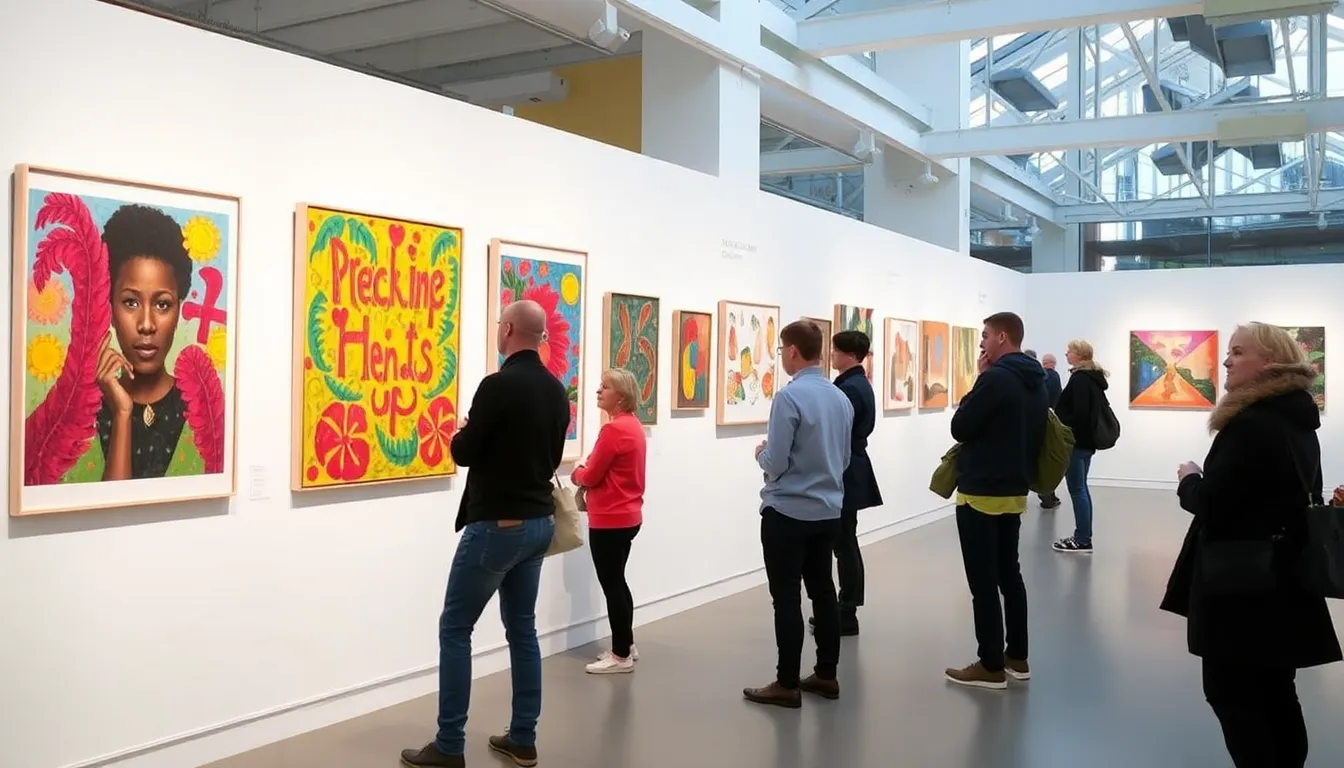
Born in Birmingham in 1965, Anderson grew up in a multicultural environment that informed his perspective on identity. The post-war period in Britain saw significant migration from the Caribbean, as individuals sought better opportunities and a new life. This migration was not merely a quest for economic stability; it was also a response to the political and social upheavals that characterized the Caribbean during the latter half of the 20th century. Anderson’s upbringing amidst these diverse narratives has profoundly influenced his artistic voice, allowing him to weave together personal and shared histories in his work.
One of the key milestones in Anderson’s career was his participation in the 2003 exhibition “The British Art Show 6,” which showcased the work of contemporary British artists. This platform not only elevated his profile but also highlighted the importance of cultural diversity in the art world. As discussions around representation and inclusivity gained momentum, Anderson’s work became increasingly relevant, resonating with audiences who sought to understand the complexities of identity in a multicultural society.
The Role of Memory in Anderson’s Work
Memory plays a pivotal role in Anderson’s artistic practice. His paintings often evoke a sense of nostalgia, capturing fleeting moments and spaces that resonate with the viewer’s own experiences. By utilizing a hazy, dreamlike aesthetic, he invites audiences to navigate the blurred lines between past and present, reality and recollection. This exploration of memory is not just a personal endeavor; it reflects broader societal themes, such as the impact of colonialism and the ongoing quest for belonging in a rapidly changing world, reminiscent of the themes explored in Exploring the Soul of Rugby in Fiji and the Beautiful South.
Analyzing the key themes and issues in Anderson’s work
Hurvin Anderson’s exhibition invites viewers into a realm that feels both intimate and elusive, resembling a journey through the artist’s memories. This exhibition not only showcases Anderson’s artistic prowess but also highlights the complex interplay between personal narrative and broader cultural themes. Key stakeholders in this context include the artist himself, art institutions, critics, and the audience, each with distinct interests and perspectives.
Anderson, as the primary actor, seeks to convey his experiences and reflections through his art. His work often grapples with themes of identity, memory, and the nuances of cultural heritage, particularly in relation to the Black British experience. Art institutions, such as galleries and museums, are interested in promoting diverse voices and attracting audiences, which can sometimes lead to conflicts over representation and authenticity in the art world.
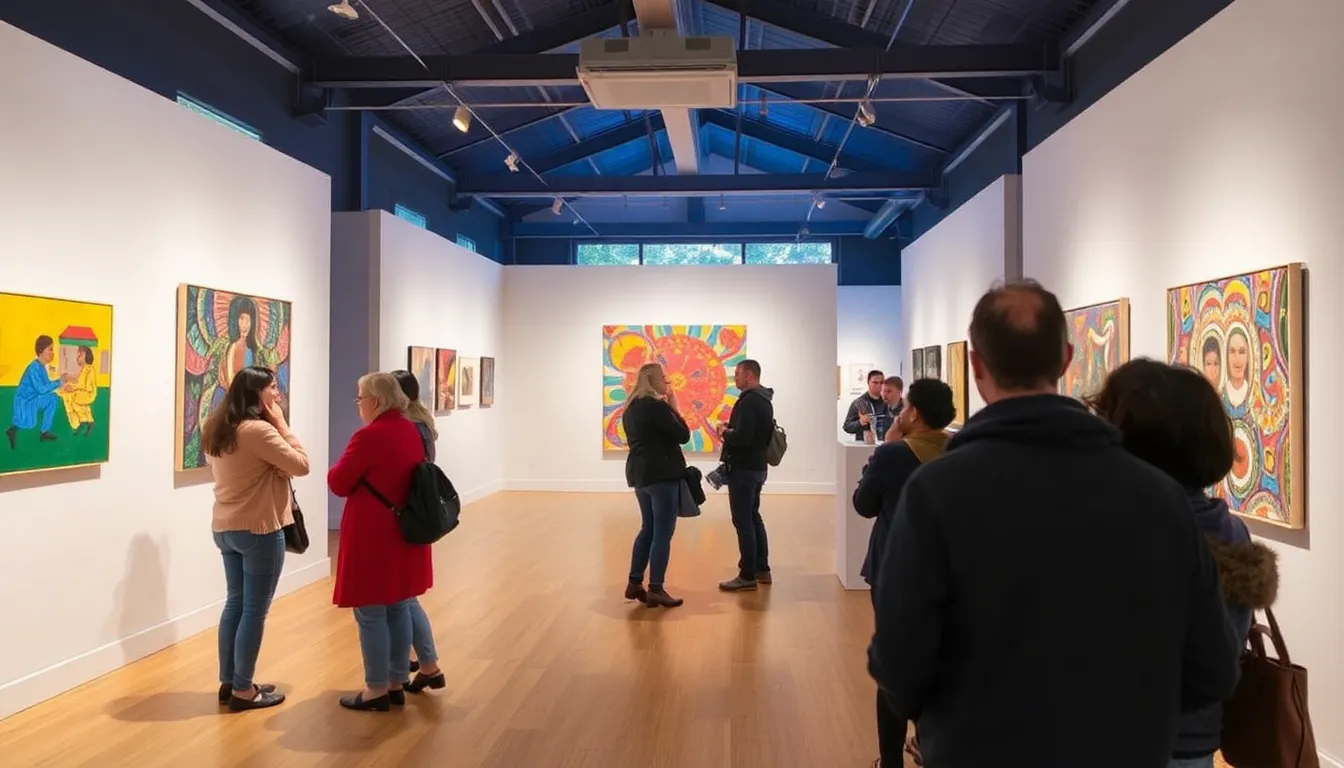
Critics and art historians play a significant role in shaping public perception of Anderson’s work. Their interpretations can influence the narrative surrounding the exhibition, potentially creating trade-offs between artistic intent and critical reception. For instance, while some may celebrate the emotional depth of Anderson’s pieces, others might critique them for lacking in technical execution or clarity.
- Identity Exploration: Anderson’s work often reflects on the complexities of identity, which can resonate differently across various demographics.
- Cultural Heritage: The representation of Black British experiences raises discussions about visibility and inclusivity in the art scene.
- Art Market Dynamics: The commercial aspect of art can conflict with artistic integrity, as market demands may influence exhibition choices.
- Audience Engagement: The way audiences interact with the work can vary, leading to differing interpretations and emotional responses.
Legal and economic issues also emerge in the context of Anderson’s exhibition. Copyright concerns, particularly regarding the reproduction of his work, and the economic viability of exhibiting contemporary art are significant considerations. Additionally, funding and sponsorship can impact the scope and accessibility of exhibitions, raising questions about who gets to tell which stories in the art world.
Impact of the exhibition on audiences and the art community
The Hurvin Anderson review offers a profound exploration of memory and identity, impacting various groups including art enthusiasts, local communities, and the broader cultural sector. Audiences from diverse backgrounds are drawn to the exhibition, as it resonates with personal experiences and collective histories, fostering a deeper connection to the themes presented.
In the short term, visitors to the exhibition may experience a heightened sense of introspection and emotional engagement, which can lead to increased attendance at galleries and museums. This surge in interest can benefit local businesses, particularly those in the hospitality and retail sectors, as art lovers seek to explore the surrounding areas. The exhibition also encourages dialogue among artists, curators, and critics, potentially leading to collaborative projects and discussions that enrich the art community.
In the mid-term, the exhibition could influence art policies and funding as local governments and institutions recognize the value of supporting culturally significant projects. This may lead to increased investment in public art initiatives and community programs aimed at promoting artistic expression. Additionally, educational institutions might incorporate themes from the exhibition into their curricula, enhancing the cultural literacy of students.
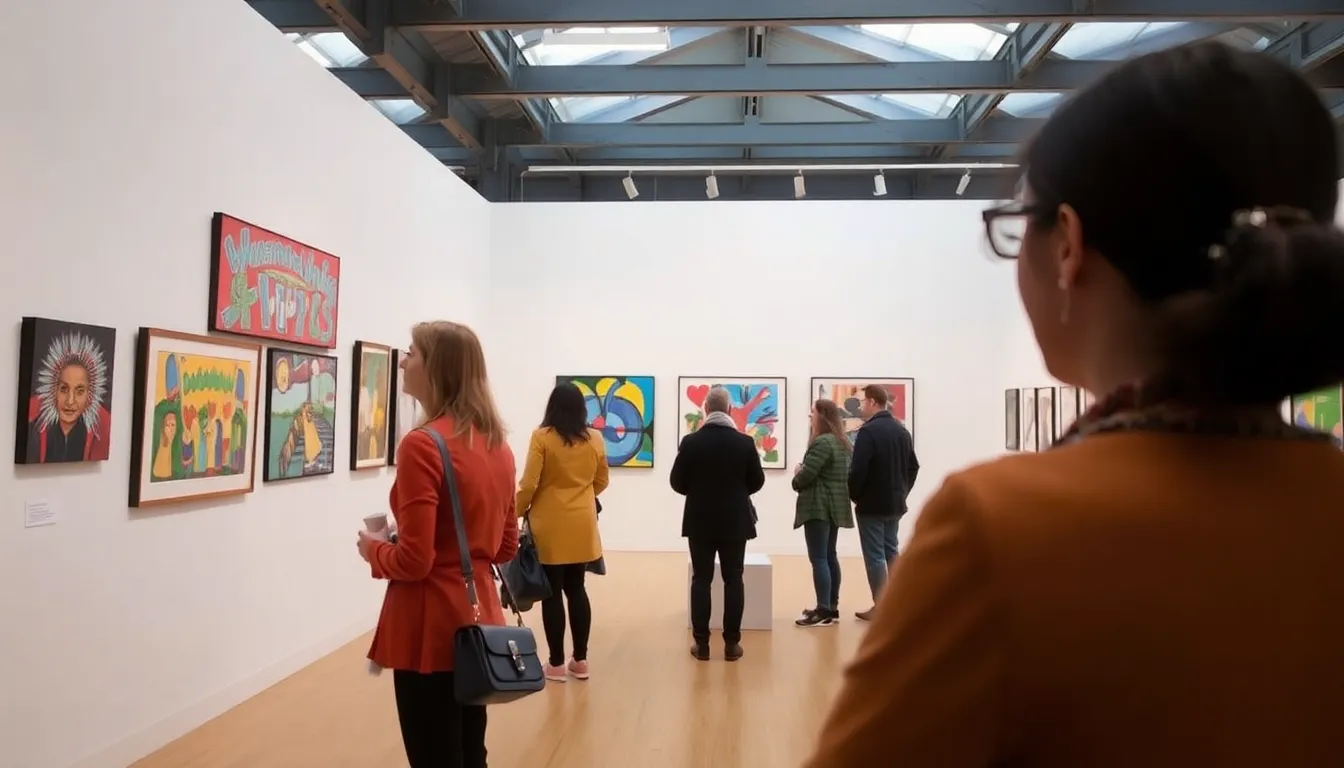
- Short-term impacts: Increased foot traffic to local businesses, heightened emotional engagement among audiences.
- Mid-term impacts: Potential policy changes in arts funding, enhanced collaboration within the art community.
- Risks: Potential over-commercialization of art experiences, cultural appropriation concerns.
- Opportunities: Strengthening community ties through art, fostering new artistic collaborations.
Overall, the exhibition serves as a catalyst for reflection and action, prompting both audiences and stakeholders in the art community to consider their roles in shaping cultural narratives and experiences.
A: The main theme revolves around memory and identity, exploring how personal experiences shape our understanding of the world. A: The exhibition is currently being showcased at a prominent gallery, attracting visitors from various backgrounds. A: Anderson’s work often incorporates elements from his Jamaican heritage, blending them with contemporary themes to create a unique narrative. A: He employs a mix of painting and collage techniques, utilizing vibrant colors and textures to evoke emotions. A: Anderson’s work resonates with a diverse audience, particularly those interested in themes of memory, identity, and cultural heritage.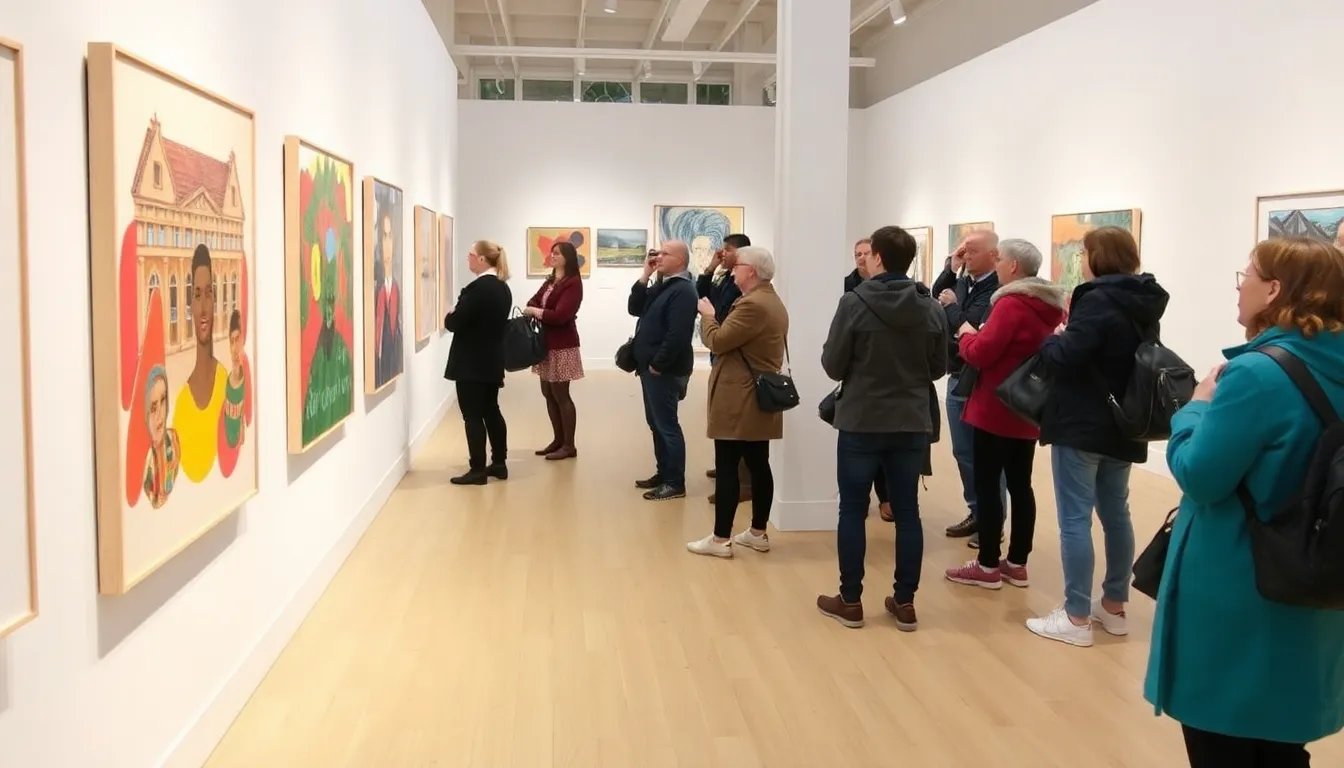
Frequently asked questions about Hurvin Anderson’s exhibition
Key takeaways and future outlook on Anderson’s work
Hurvin Anderson’s latest exhibition invites viewers to navigate through a tapestry of memories, evoking a sense of nostalgia and reflection. The haunting visuals and layered compositions serve as a reminder of the complexities of identity and place, encouraging a deeper engagement with the themes of belonging and memory. As audiences continue to explore the nuances of Anderson’s work, it becomes clear that the artist’s ability to blend personal and collective histories will resonate well beyond the confines of the gallery.
Looking ahead, Anderson’s exploration of memory and its manifestations in art suggests a growing interest in how personal narratives can shape broader cultural conversations. This trend may inspire other artists to delve into their own histories, fostering a richer dialogue around identity and experience in contemporary art.
- The interplay of memory and identity in Anderson’s work highlights the importance of personal narratives in art.
- Future exhibitions may increasingly focus on the relationship between individual experiences and collective histories.
- Anderson’s unique aesthetic could inspire a new wave of artists to experiment with memory as a central theme.
- Viewers are encouraged to engage with their own memories as they experience art, creating a more personal connection to the work.
- The exhibition’s emotional depth may lead to discussions about the role of art in processing trauma and nostalgia.