
Born in China in 1938, Lee immigrated to the United States in 1965, where he eventually became the chief criminalist for the Connecticut State Police. His expertise was sought after in numerous cases, and he became known for his ability to analyze evidence meticulously. His testimony during the O.J. Simpson trial, where he advocated for the integrity of forensic evidence, showcased his commitment to justice and the scientific process.
Lee’s death comes at a time when forensic science is increasingly scrutinized in the wake of wrongful convictions and debates over the reliability of evidence. His passing raises questions about the future of forensic education and the importance of maintaining high standards in forensic practice. As a mentor to many in the field, Lee’s influence will continue to be felt as new generations of forensic scientists build upon his work.
In recognition of his contributions, many institutions and organizations have expressed their condolences and highlighted the impact of Lee’s work on criminal justice. His legacy serves as a reminder of the vital role that forensic science plays in solving crimes and ensuring fair trials, emphasizing the need for continued innovation and ethical practices in the field.
A look back at Henry C. Lee’s influential career in forensic science
Henry C. Lee, who passed away at the age of 87, was a pioneering figure in forensic science, known for his groundbreaking work in criminal investigations. His career spanned several decades during which he contributed significantly to the development of forensic techniques that are now standard in the field. Lee’s expertise was not only instrumental in solving high-profile cases but also in educating law enforcement and the public about the importance of scientific evidence in the judicial process.
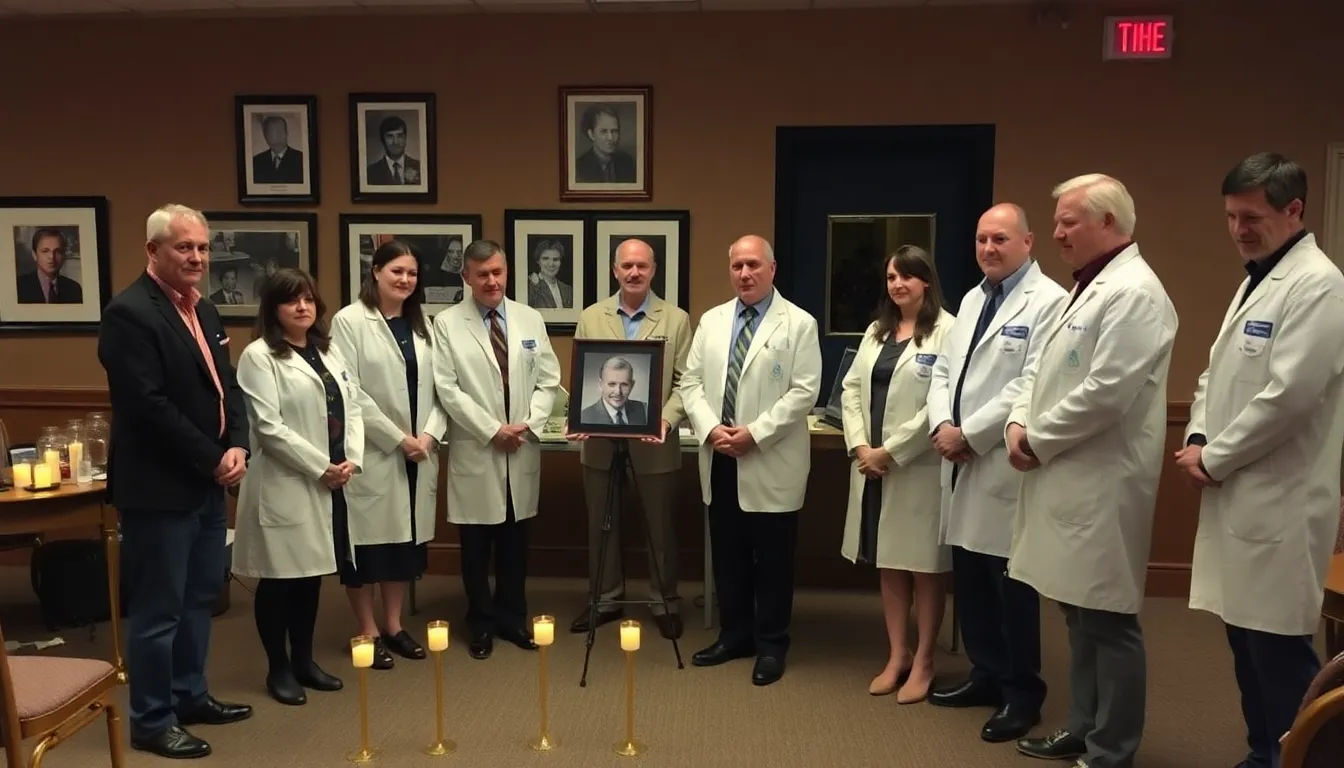
Born in China and later immigrating to the United States, Lee faced numerous challenges in his early life. However, his determination and passion for science led him to earn a Ph.D. in biochemistry and establish himself as a leading forensic scientist. His work gained national attention during the 1995 trial of O.J. Simpson, where he testified as a defense expert. This case was one of the most publicized criminal trials in American history, highlighting the intersection of race, celebrity, and the legal system.
The O.J. Simpson trial not only showcased Lee’s forensic acumen but also brought broader attention to the role of forensic evidence in legal proceedings. It sparked discussions about the reliability of forensic science and the potential for bias in its application. Lee advocated for the use of scientific methods to ensure justice, emphasizing that forensic science should be free from prejudice and should serve the truth above all.
Milestones in Forensic Science
Throughout his career, Lee was involved in numerous landmark cases that shaped the field of forensic science. He was a key figure in the investigation of the 1975 murder of 16-year-old Mary Ann Pryor, where his application of forensic techniques helped to establish a new standard for crime scene analysis. Additionally, his work on the JonBenét Ramsey case further solidified his reputation as an expert in the field. Lee’s contributions extended beyond individual cases; he also authored several influential texts and trained countless forensic professionals, leaving a lasting legacy in the realm of criminal justice.
The significance of Lee’s contributions to the legal system and forensic practices
Henry C. Lee, a prominent forensic scientist, played a pivotal role in shaping modern forensic science and its application within the legal system. His expertise was not only instrumental in high-profile cases, such as the O.J. Simpson trial, but also in establishing forensic science as a credible and essential component of criminal investigations.
Key stakeholders in this context include forensic scientists, law enforcement agencies, legal professionals, and the broader public. Each group has distinct interests that intersect with the advancements and controversies surrounding forensic science. Forensic scientists advocate for the integrity and reliability of their work, while law enforcement agencies seek to leverage scientific evidence to secure convictions. Legal professionals, including defense attorneys and prosecutors, navigate the complexities of forensic evidence to build their cases.
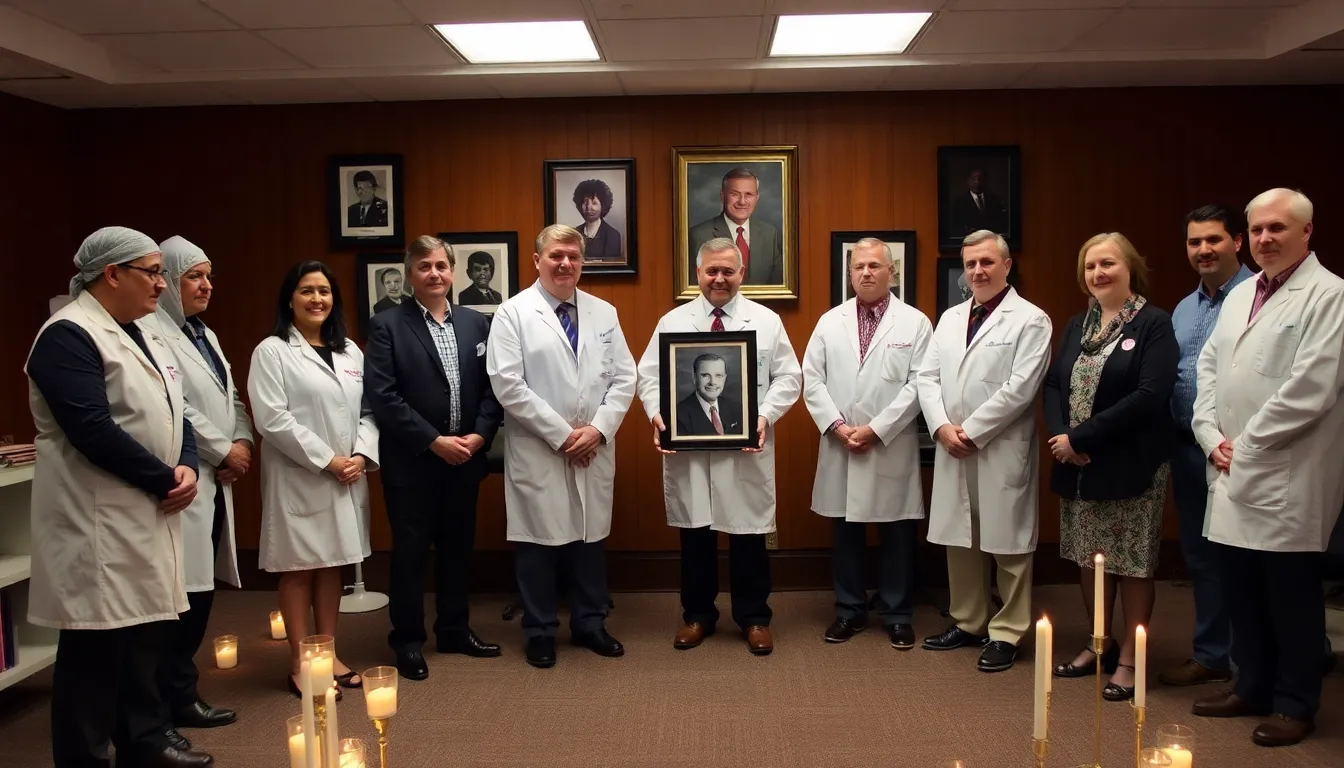
The O.J. Simpson trial exemplifies the conflicts that can arise within this landscape. Lee’s testimony in defense of Simpson raised questions about the reliability of forensic evidence and highlighted the potential for bias in its interpretation. This case not only impacted public perception of forensic science but also underscored the need for rigorous standards and protocols in the field.
- Conflicting interests: The interests of prosecution and defense can clash sharply, particularly when forensic evidence is pivotal to the outcome of a case.
- Legal implications: The admissibility and interpretation of forensic evidence can lead to significant legal debates, influencing trial outcomes and appeals.
- Public trust: High-profile cases involving forensic science can erode public confidence if evidence is perceived as flawed or mishandled.
- Economic considerations: The costs associated with advanced forensic techniques can strain resources for law enforcement agencies, impacting their ability to utilize such evidence effectively.
As forensic science continues to evolve, the legacy of Henry C. Lee serves as a reminder of the intricate balance between scientific advancement and its implications for justice. The ongoing dialogue among stakeholders will be crucial in addressing the challenges and opportunities that lie ahead in this critical field.
How Henry C. Lee’s passing affects the field of forensic science
The death of Henry C. Lee, a renowned forensic scientist, resonates deeply within various sectors, particularly the legal and law enforcement communities. His groundbreaking work and methodologies have shaped modern forensic science, impacting not only criminal investigations but also the broader judicial system. As a result, his absence may create a temporary void in expertise, leaving many professionals and institutions to navigate the complexities of forensic evidence without his guidance.
In the short term, forensic laboratories and law enforcement agencies may experience challenges in maintaining high standards of forensic analysis. With Lee’s passing, there is a risk of losing valuable insights and mentorship for younger forensic scientists who looked up to him. This could lead to slower case resolutions and potential backlogs in criminal investigations, affecting the overall efficiency of the justice system.
Mid-term impacts may include a reevaluation of forensic science curricula in academic institutions, as educators and students reflect on Lee’s contributions and seek to fill the gaps left by his departure. This could lead to an increased emphasis on new technologies and methodologies, presenting opportunities for innovation in the field. Additionally, organizations may seek to honor Lee’s legacy by establishing scholarships or research grants, fostering the next generation of forensic scientists.

- Legal Community: Potential delays in case processing and reliance on established forensic practices.
- Forensic Science Education: Increased focus on modern techniques and innovations in curricula.
- Research Opportunities: New grants and scholarships aimed at supporting emerging forensic scientists.
- Public Perception: Heightened awareness of the importance of forensic science in the legal system.
While the immediate aftermath of Lee’s passing presents certain risks, it also opens doors for growth and development within the forensic science community. As professionals reflect on his legacy, there is potential for advancements that could ultimately enhance the field and improve the justice system as a whole.
A: Henry C. Lee is best known for his work in crime scene investigation and evidence analysis. He played a crucial role in several high-profile cases, including the O.J. Simpson trial, where his testimony helped shape forensic methodologies. A: Lee’s innovative techniques and emphasis on scientific rigor have transformed forensic investigations. His work has set standards that are still followed in crime labs today. A: In the O.J. Simpson trial, Henry C. Lee provided expert testimony regarding the collection and analysis of evidence, which was pivotal in the defense’s strategy. His insights into forensic evidence were instrumental in the trial’s proceedings. A: Henry C. Lee’s legacy lies in his pioneering work in forensic science, his commitment to education, and his influence on future generations of forensic scientists. He has left an indelible mark on the field. A: Yes, Henry C. Lee authored and co-authored numerous books and articles on forensic science, contributing significantly to academic literature and professional training in the field.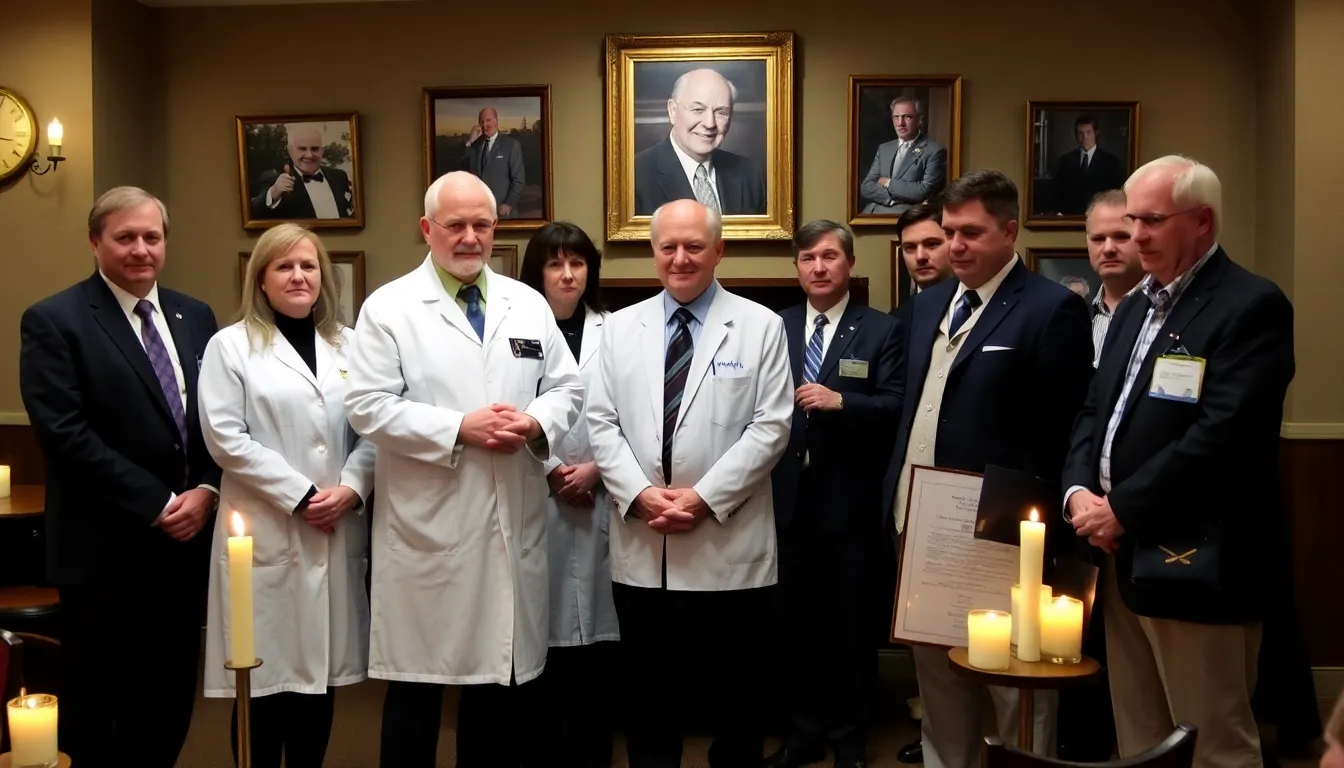
Frequently asked questions about Henry C. Lee
Reflecting on the legacy of Henry C. Lee in forensic science
The passing of Henry C. Lee marks a significant moment in the field of forensic science. Renowned for his groundbreaking contributions, Lee’s work not only advanced criminal investigations but also shaped the legal landscape surrounding forensic evidence. His involvement in high-profile cases, including the O.J. Simpson trial, highlighted the critical role that forensic science plays in the judicial system and the ongoing debates about its reliability and interpretation.
As the field continues to evolve, the principles and techniques championed by Lee will remain influential. His legacy serves as a reminder of the importance of scientific rigor and ethical considerations in forensic practices. Moving forward, the integration of new technologies and methodologies will be crucial in addressing the challenges faced by forensic scientists today.
- The importance of continuing education and training in forensic science to keep pace with technological advancements.
- Increased scrutiny of forensic evidence in the legal system, emphasizing the need for transparency and peer-reviewed practices.
- The potential for interdisciplinary collaboration between forensic scientists and legal professionals to enhance the integrity of investigations.
- Ongoing discussions about the ethical implications of forensic science, particularly in high-stakes cases.
- Future generations of forensic scientists may draw inspiration from Lee’s commitment to truth and justice, shaping the next era of the field.