
In addition to his work with Sonic, Smith has been the voice behind numerous characters in various media. Notably, he has narrated the reality series Say Yes to the Dress for 14 seasons, showcasing his versatility as a voice actor. This long-running role has allowed him to connect with audiences in a different format, demonstrating his range beyond video games.
Smith’s involvement in these projects highlights the evolving landscape of voice acting, where actors often bridge multiple genres and platforms. As the video game industry continues to grow, the significance of voice talent has become more pronounced, with actors like Smith playing a crucial role in bringing characters to life. His dual achievements this year not only celebrate his individual career but also reflect the broader trends within the entertainment industry.
The celebration of Sonic’s anniversary is particularly poignant, as it emphasizes the lasting impact of video game characters on popular culture. With Smith at the helm, Sonic has remained a beloved figure, embodying the spirit of adventure and nostalgia that resonates with fans across generations. As these milestones unfold, they underscore the importance of voice acting in shaping narratives and enhancing the overall gaming experience, similar to how voice actors in the entertainment industry contribute to various formats.
The legacy of Sonic the Hedgehog and its cultural impact
Sonic the Hedgehog, created by Sega in 1991, quickly became a cultural icon and a symbol of the video game industry. With his blue quills and lightning-fast speed, Sonic captured the hearts of gamers around the world, marking a significant shift in the gaming landscape. The character not only defined a franchise but also set the standard for platform games, competing directly with Nintendo’s Mario during the console wars of the 1990s.
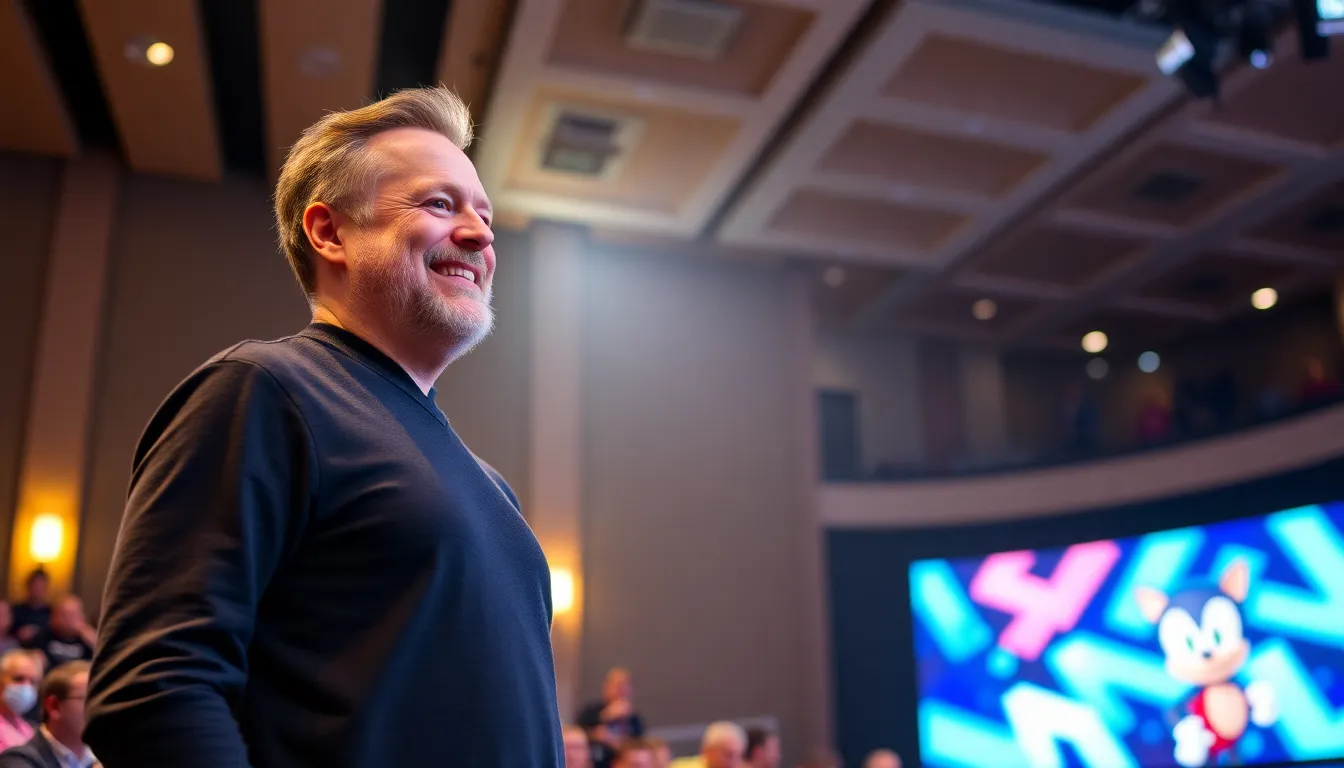
Over the years, Sonic has evolved through various game iterations, animated series, and merchandise, solidifying his place in popular culture. The release of Sonic the Hedgehog 2 in 1992, which introduced the character Tails, was a pivotal moment that expanded the franchise’s reach. This success paved the way for numerous sequels, spin-offs, and adaptations, including a feature film that premiered in 2020, showcasing Sonic’s enduring appeal to both new and nostalgic audiences.
Roger Craig Smith’s Role in Sonic’s Evolution
Roger Craig Smith has been the voice of Sonic since 2010, bringing a fresh energy to the character that has resonated with fans. His portrayal has contributed significantly to the franchise’s revival in the 2010s, as he voiced Sonic in major titles such as Sonic Generations and Sonic Forces. Smith’s voice acting has not only helped to modernize Sonic but has also connected with a new generation of players, reinforcing the character’s relevance in an ever-changing gaming industry.
In addition to his work as Sonic, Smith has also gained recognition for narrating the reality television series ‘Say Yes to the Dress’ for 14 seasons. This dual career highlights the versatility of voice actors in the entertainment industry, allowing them to bridge the gap between different forms of media. As Sonic celebrates its 35th anniversary, the combination of Smith’s contributions and the franchise’s rich history exemplifies the lasting impact of video game culture on society.
The celebration of Sonic’s milestone birthday is not just a reflection of the character’s longevity but also a testament to the evolving landscape of gaming and its intersection with broader cultural narratives. As fans look back on Sonic’s journey, they also anticipate the future adventures that await, ensuring that the blue blur remains a beloved figure for years to come.
The role of voice acting in video games and reality television
Voice acting plays a crucial role in both video games and reality television, serving as a bridge between the narrative and the audience. In the realm of video games, voice actors like Roger Craig Smith bring characters to life, enhancing the emotional depth and engagement of the gameplay experience. In contrast, reality television relies on voiceovers to provide context, commentary, and continuity, which can significantly influence viewer perception and engagement.
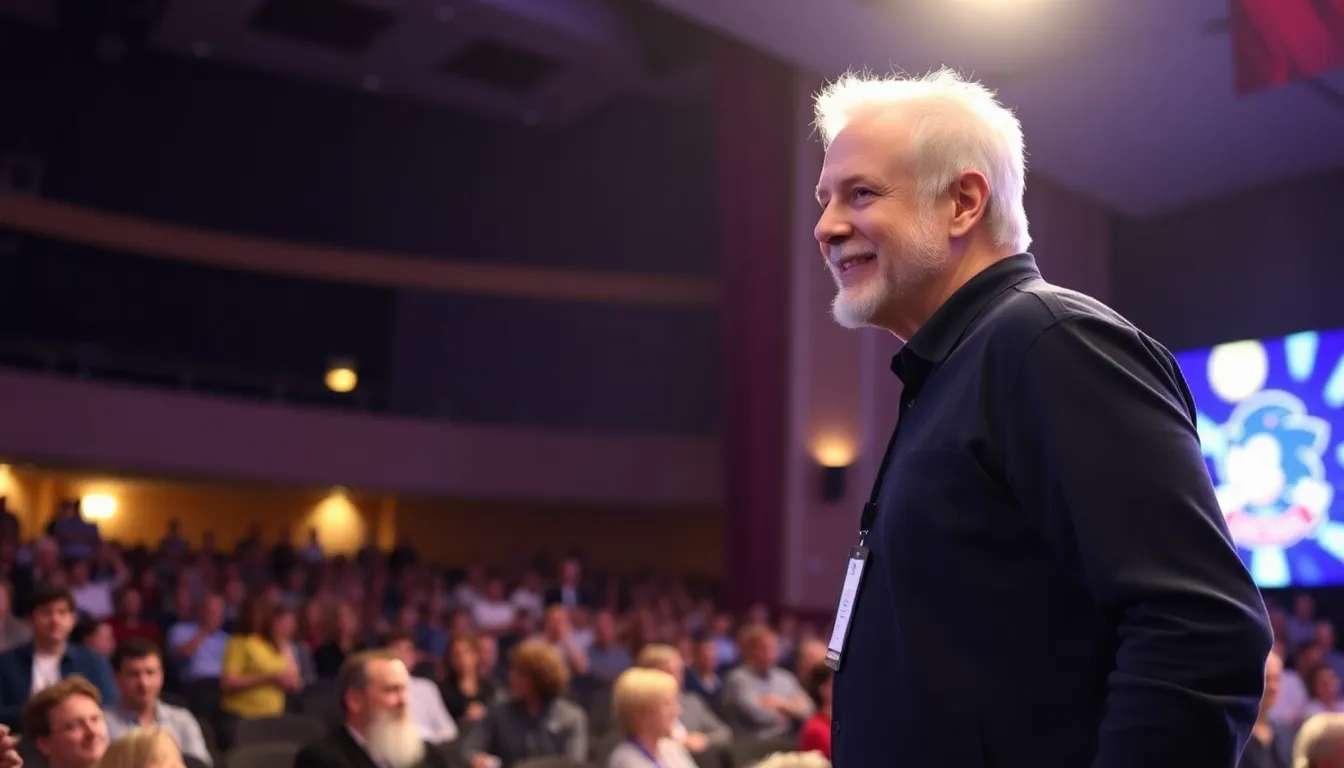
Roger Craig Smith, known for his portrayal of Sonic the Hedgehog, represents a significant stakeholder in the video game industry. His work not only celebrates a beloved franchise’s milestones, such as Sonic’s 35th birthday, but also highlights the evolving nature of voice acting in entertainment. The interests of voice actors like Smith often align with the success of the franchises they represent, as their careers are intertwined with the popularity and longevity of these characters.
On the other hand, reality television shows like Say Yes to the Dress feature voice actors who provide narration that shapes the storytelling. This dual role creates a unique intersection of interests, where voice actors must navigate the demands of both scripted and unscripted formats.
- Conflicts of Interest: Voice actors may face conflicts when balancing multiple roles across different mediums, leading to potential scheduling issues and creative differences.
- Economic Trade-offs: The disparity in pay between video game voice acting and reality television can create tension, as actors may prioritize more lucrative opportunities.
- Legal Considerations: Intellectual property rights and contractual obligations can complicate voice actors’ relationships with game developers and production companies.
- Industry Trends: The rise of technology in gaming, such as AI voice generation, poses challenges to traditional voice acting roles, prompting discussions about job security.
- Audience Expectations: Fans of franchises like Sonic may have specific expectations regarding voice portrayal, which can pressure actors to maintain consistency in their performances.
As the landscape of entertainment continues to evolve, the roles and interests of stakeholders like Roger Craig Smith will remain pivotal in shaping the future of voice acting across various platforms. Understanding these dynamics provides insight into the broader implications for the industry and its key players.
How Roger Craig Smith’s work influences fans and the industry
Roger Craig Smith’s contributions to the voice acting landscape, particularly through iconic characters like Sonic the Hedgehog, resonate deeply with a diverse range of fans. This includes not only gamers who have grown up with the franchise but also a broader audience that appreciates his work in television, such as his long-standing role in ‘Say Yes to the Dress.’ The impact of his performances extends beyond entertainment, influencing various industries such as gaming, television, and even merchandise.
In the short term, the celebration of Sonic’s 35th birthday and Smith’s ongoing work can invigorate fan engagement, leading to increased social media activity and community gatherings. This creates a vibrant atmosphere that can boost sales in related merchandise, gaming consoles, and downloadable content. Local businesses in regions with a strong gaming culture may see a surge in foot traffic and sales as fans celebrate and engage with the franchise.
Mid-term impacts include potential shifts in content creation strategies within the gaming and television industries. As companies recognize the value of established voice actors like Smith, there may be an increase in investment in quality voice talent, leading to enhanced storytelling and character development in future projects. This could also inspire new collaborations across different media, creating a richer, more interconnected entertainment experience.
However, there are risks associated with this heightened focus on established voice actors. The industry may become overly reliant on familiar names, potentially stifling opportunities for emerging talent. Furthermore, the pressure to continuously innovate and meet fan expectations can lead to burnout among seasoned professionals.
- Increased fan engagement: Celebrations can boost community interaction and merchandise sales.
- Investment in talent: Companies may prioritize established voice actors for future projects.
- Market risks: Overreliance on familiar voices might hinder diversity in voice acting.
- Creative opportunities: New collaborations could arise, enhancing cross-media storytelling.
A: Roger Craig Smith is best known for voicing Sonic the Hedgehog and has also lent his voice to characters in various video games and shows, including his long-running role in Say Yes to the Dress. A: Sonic has transformed from a classic platformer character to a multi-media icon, adapting to new gaming trends and expanding into movies and merchandise. A: Voice actors often face competition, the need for versatility, and the challenge of connecting with audiences through their performances without physical presence. A: For fans, it represents a celebration of nostalgia and the enduring legacy of a character that has been part of gaming culture for decades. A: Roger expresses gratitude for his career, highlighting the joy he finds in connecting with fans and the unique experiences voice acting provides.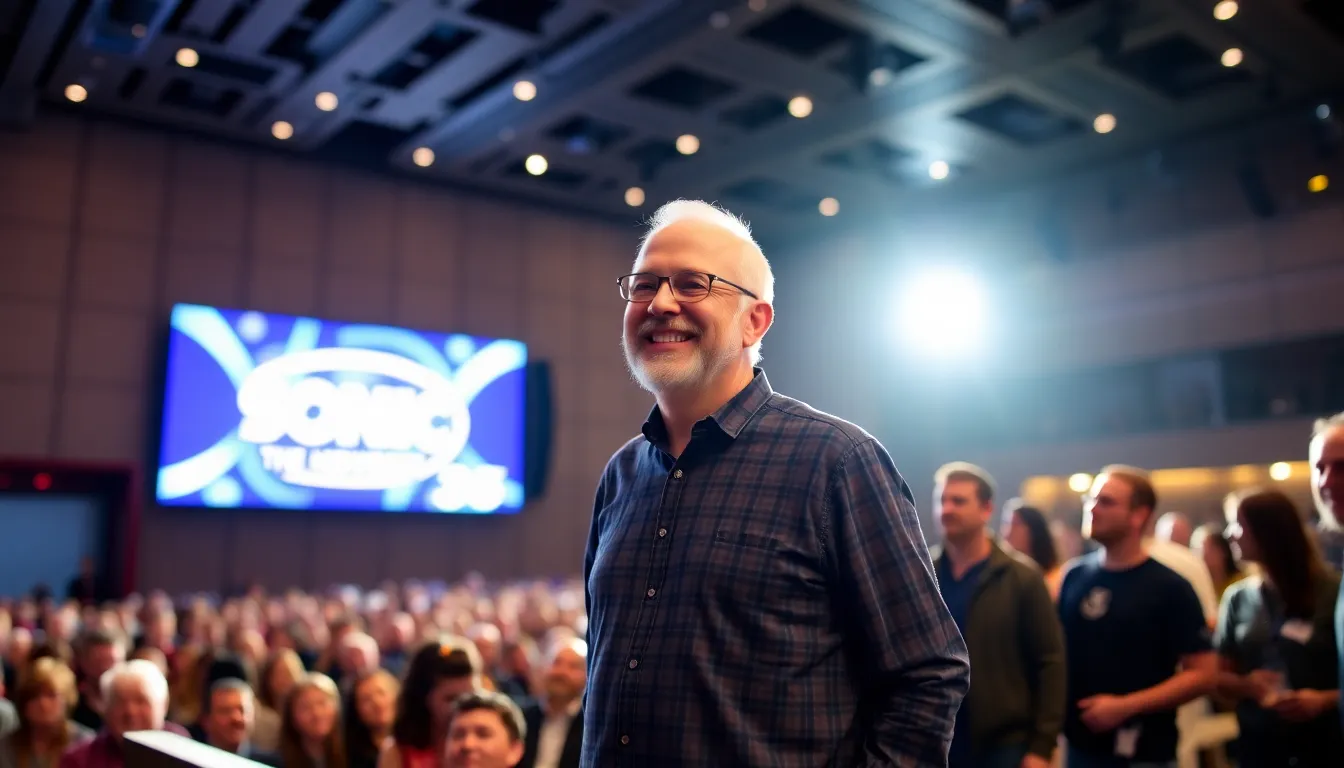
Frequently Asked Questions about Roger Craig Smith
Looking ahead: The future of voice acting and Sonic
As Roger Craig Smith reflects on his extensive career, including his role in celebrating Sonic the Hedgehog’s 35th birthday and his long tenure with ‘Say Yes to the Dress’, the landscape of voice acting continues to evolve. The blending of nostalgia with innovation in video games presents unique opportunities for voice actors to connect with both new and longtime fans. As the industry shifts towards more interactive and immersive experiences, the demand for versatile voice talent is likely to increase.
Moreover, the ongoing popularity of beloved franchises like Sonic underscores the importance of character continuity and the emotional resonance that voice actors can bring to their roles. As technology advances, the integration of AI and other tools may change how voice acting is approached, but the human element will remain crucial in delivering authentic performances.
- Increased demand for versatility: Voice actors will need to adapt to a variety of styles and formats as gaming and media continue to diversify.
- Nostalgia as a marketing tool: Leveraging beloved characters can drive engagement, making the role of voice actors pivotal in franchise longevity.
- Technological integration: As AI becomes more prevalent, voice actors may find new ways to collaborate with technology while maintaining the essence of their performances.
- Emotional connection: The ability to create a bond with audiences through voice will remain a key factor in successful character portrayal.