
Helium is essential for cooling during the manufacturing of semiconductors, which are vital components in a wide range of electronic devices. With the ongoing demand for chips skyrocketing due to advancements in technology and the rise of electric vehicles, the limited availability of helium poses a serious threat to production timelines and costs. Major semiconductor companies, including Intel and TSMC, have reported concerns over potential delays in their supply chains.
In addition to production issues, rising prices for helium have further complicated the situation. According to industry analysts, the cost of helium has surged by over 25% since the beginning of the year, putting additional financial strain on chip manufacturers. This price hike is expected to continue as supply struggles to meet the increasing demand, making it a pressing issue for the industry.
The helium crisis is compounded by the fact that alternatives for specific applications in semiconductor manufacturing are limited. As companies scramble to secure supplies, some have begun stockpiling helium, which could exacerbate shortages for others. The urgency of addressing this invisible bottleneck is clear, as the semiconductor industry aims to sustain its growth amidst an already strained global supply chain.
The Background of Helium Supply and Demand
Helium, a noble gas essential for various industries, has a complex history shaped by its unique properties and limited availability. Discovered in the late 19th century, helium was initially extracted from natural gas deposits, where it is found in trace amounts. The gas gained prominence during World War II due to its use in military applications, particularly in airships and later in rocket technology. However, its significance expanded rapidly with the advent of the semiconductor industry in the late 20th century, which relies on helium for cooling and purging processes in the manufacturing of microchips. Understanding this context is critical to addressing the current crisis.

The geopolitical landscape has also played a crucial role in the helium market. The United States has historically been the largest producer, primarily through the Federal Helium Reserve in Texas, established in the 1920s. However, policy shifts in the 1990s led to the privatization of helium sales and the eventual depletion of the reserve. This transition created a reliance on foreign sources, particularly from countries like Qatar and Russia, which have since emerged as key players in the global helium supply chain.
The Economic Implications of Helium Shortages
The rising demand for helium, driven by technological advancements in electronics, healthcare, and scientific research, has outpaced supply, leading to significant price increases and shortages. Economic factors, including the COVID-19 pandemic, have further exacerbated these challenges, disrupting supply chains and increasing competition for limited resources. As industries scramble to secure helium for essential processes, the chip industry, which underpins the global economy, faces a critical vulnerability that could hinder technological progress and innovation.
Key milestones in the helium market include the 2013 Helium Privatization Act, which mandated the sale of the Federal Helium Reserve’s stockpile, leading to a dramatic decrease in prices and a rush to secure helium supplies. This legislation, while intended to stabilize the market, inadvertently contributed to the current crisis by accelerating the depletion of domestic helium reserves. As the chip industry grapples with these challenges, understanding the historical context of helium supply and demand is crucial for addressing the impending bottleneck and finding sustainable solutions.
Key Stakeholders and Issues in the Helium Market
The helium market is shaped by a variety of stakeholders, each with distinct interests and concerns. Key actors include helium production companies, semiconductor manufacturers, governments, and research institutions. Their interactions and the resulting dynamics are crucial to understanding the ongoing helium shortage and its implications for the chip industry.
Helium production companies, such as Air Products and Linde, are primarily focused on maximizing their output and profitability. These organizations face challenges related to the extraction and processing of helium, which is often a byproduct of natural gas production. As demand for helium rises, these companies must navigate the complexities of supply chain logistics and regulatory compliance, which can impact their ability to meet market needs.

On the other side, semiconductor manufacturers, like Intel and TSMC, rely heavily on helium for various processes, including cooling and creating high-purity environments in chip fabrication. Their interests lie in ensuring a stable and affordable supply of helium to maintain production efficiency and meet consumer demand. The current shortage has forced these companies to explore alternative materials or methods, which may involve significant research and development costs.
- Regulatory Challenges: Governments play a critical role in regulating helium extraction and distribution, balancing environmental concerns with economic interests.
- Market Dynamics: The limited availability of helium has led to increased prices, prompting companies to reassess their supply chains and production strategies.
- Technological Innovation: The semiconductor industry is under pressure to innovate, potentially accelerating the development of substitutes for helium.
- Global Competition: Countries rich in natural gas reserves are becoming key players in the helium market, influencing global supply and pricing.
These interconnected interests create a complex landscape where trade-offs are inevitable. For instance, while production companies aim to increase output, they must also consider environmental regulations that may restrict extraction methods. Similarly, semiconductor manufacturers face the challenge of balancing cost pressures with the need for high-quality materials, leading to potential conflicts over resource allocation.
Impact on the Chip Industry and Beyond
The ongoing helium shortage is poised to have significant repercussions for various sectors, particularly the semiconductor industry. As helium is a critical component in the manufacturing of chips, companies reliant on this resource are facing potential production delays and increased costs. This shortage not only affects chip manufacturers but also extends to industries that depend on advanced technology, such as automotive, telecommunications, and consumer electronics.
In the short term, businesses may experience disruptions in their supply chains, leading to slower production rates and potential product shortages. This could result in delayed launches of new devices, affecting consumers who rely on the latest technology. Additionally, companies may have to pass on increased costs to consumers, resulting in higher prices for electronic goods.
In the mid-term, the ramifications of the helium shortage could lead to policy changes as governments and industries seek to secure alternative sources of helium or invest in recycling technologies. This shift may create opportunities for innovation in helium recovery and alternative materials, potentially leading to new business ventures and job creation in the green technology sector.
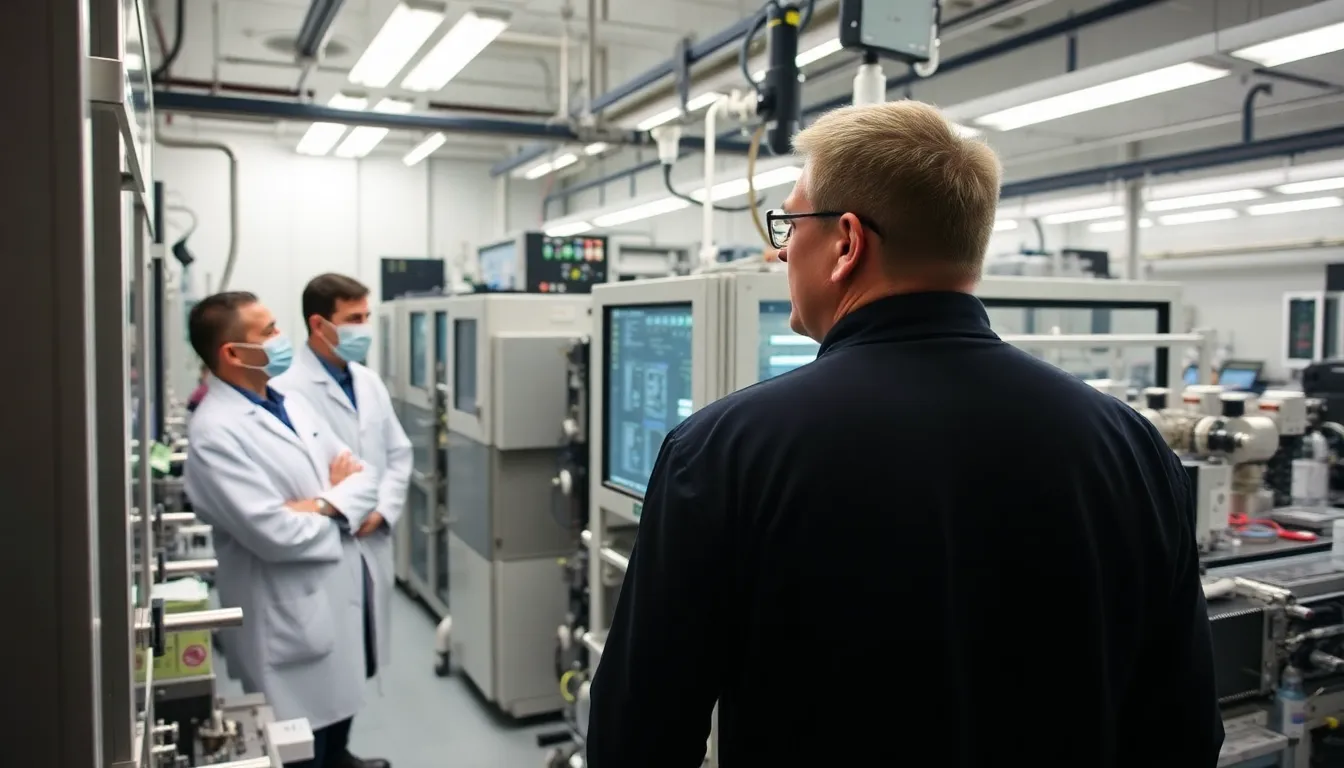
- Chip manufacturers: Facing production delays and increased costs.
- Automotive industry: Risk of slowing down electric vehicle production.
- Consumer electronics: Potential for higher prices and product shortages.
- Policy implications: Possible government intervention and investment in alternatives.
Moreover, regions that are heavily dependent on helium extraction and supply may see economic shifts. Areas with helium reserves could benefit from increased demand, while those that rely on imported helium might face economic challenges. As companies adapt to these changes, the landscape of the tech industry could evolve, presenting both risks and opportunities for growth and innovation.
A: The helium shortage is primarily due to a combination of reduced production from existing sources and increased demand in various industries, particularly in technology and healthcare. A: Helium is crucial for cooling and creating the necessary environments during the chip manufacturing process, making it an essential resource for production efficiency. A: Besides the chip industry, sectors such as medical imaging, scientific research, and aerospace are also significantly impacted by the limited availability of helium. A: While some alternatives exist, they may not provide the same efficiency or effectiveness as helium, making it challenging to fully replace its use in chip manufacturing. A: Efforts include exploring new helium sources, recycling existing helium, and investing in research for alternative technologies that could reduce reliance on helium.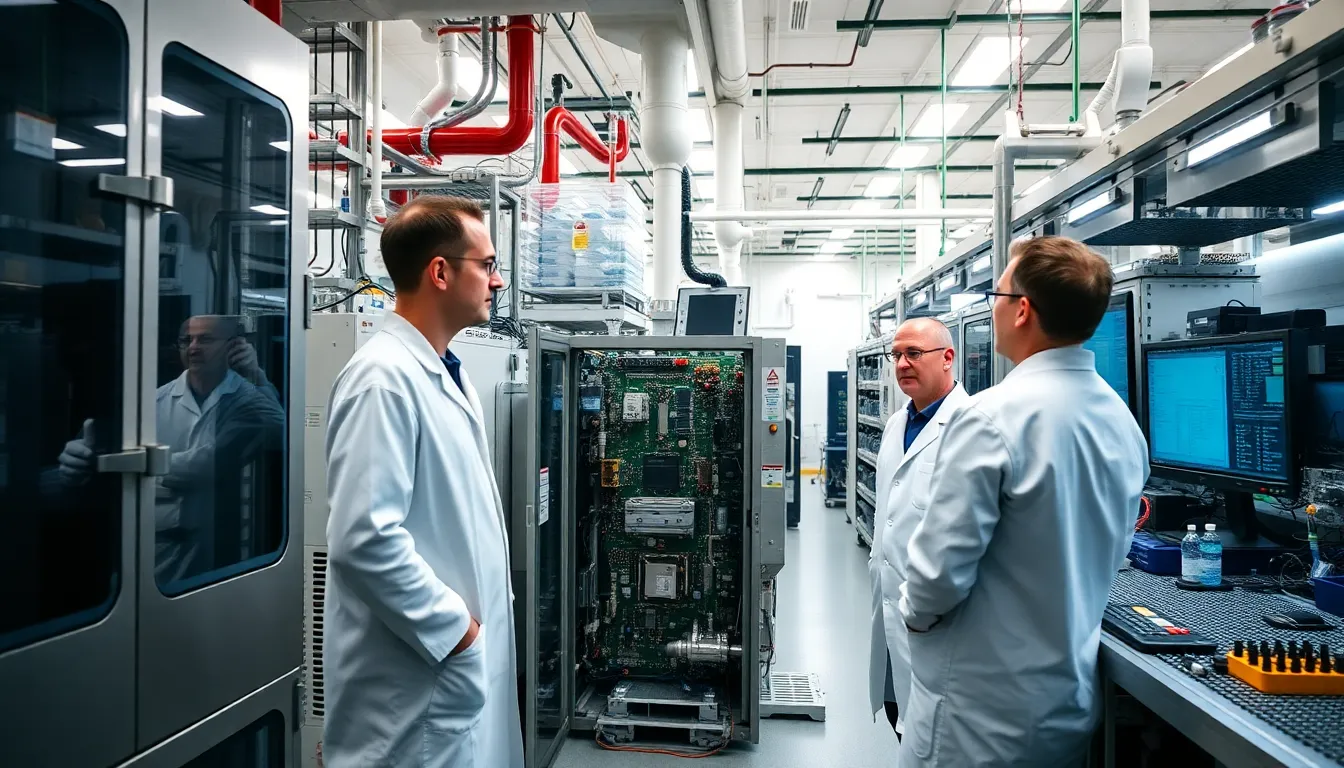
Frequently Asked Questions about the Helium Shortage
Insights and Future Outlook on Helium Supply
The ongoing helium shortage presents significant challenges for the chip industry, which relies on this critical resource for manufacturing processes. As the demand for advanced semiconductor technologies continues to rise, the pressure on helium supplies may intensify, leading to potential production delays and increased costs. Stakeholders in the industry must remain vigilant and adaptable to navigate this evolving landscape.
Looking ahead, companies may need to explore alternative strategies, such as investing in helium recycling technologies or seeking out new sources of helium. Collaboration between industry players and policymakers will be essential to ensure a sustainable supply chain that can meet future demands.
- Monitor helium prices: Fluctuations in helium prices could impact production costs and profitability for chip manufacturers.
- Invest in alternatives: Research into alternative gases or materials for chip manufacturing may provide viable solutions to mitigate helium dependency.
- Enhance recycling efforts: Companies should prioritize the development of helium recycling technologies to reduce waste and improve supply sustainability.
- Collaborate with suppliers: Building strong relationships with helium suppliers can help secure more reliable access to this critical resource.
- Stay informed on policy changes: Changes in regulations or trade policies related to helium extraction and distribution could significantly affect supply dynamics.