
The agreement aims to leverage both nations’ technological expertise and resources to tap into the vast mineral deposits found on the ocean floor, including valuable resources such as rare earth elements, copper, and cobalt, which are crucial for the production of electric vehicles and batteries. By working together, Japan and the U.S. hope to enhance their supply chain resilience and reduce dependency on foreign sources, particularly those linked to the growing geopolitical tensions.
This initiative is particularly relevant given the increasing competition for mineral resources in the Indo-Pacific region. China has been actively involved in seabed mining operations, raising strategic concerns for both Japan and the U.S. The new partnership is seen as a strategic move to counterbalance China’s influence and ensure a stable supply of critical minerals for both countries.
As part of the agreement, both countries will conduct joint research and development projects focused on sustainable seabed mining practices. This includes addressing environmental concerns associated with deep-sea mining, which has sparked debates about the potential impact on marine ecosystems. The partnership underscores a growing recognition of the need for responsible resource extraction as nations seek to secure their technological futures.
Understanding the significance of seabed mining
Seabed mining has emerged as a focal point in international resource management, particularly as nations seek to secure critical minerals necessary for technological advancement and renewable energy transition. The growing demand for metals such as nickel, cobalt, and rare earth elements, which are essential for batteries and electronics, has intensified interest in the vast mineral wealth lying beneath the ocean floor, drawing attention to the implications of these practices on marine ecosystems.

The historical backdrop of seabed mining can be traced back to the 1960s when technological advancements made deep-sea exploration feasible. This period marked the beginning of international discussions about the rights to exploit ocean resources, culminating in the United Nations Convention on the Law of the Sea (UNCLOS) in 1982. UNCLOS established a framework for the governance of maritime resources, including provisions for the exploitation of seabed minerals in the deep sea.
In recent years, geopolitical tensions, particularly in the Indo-Pacific region, have further underscored the importance of seabed mining. As countries like China have ramped up their mining activities, the United States and Japan have recognized the need for collaborative efforts to ensure sustainable and responsible resource extraction. This partnership aims to counterbalance the influence of nations that may not adhere to environmental or ethical mining practices.
Key milestones in seabed mining cooperation
The agreement between Japan and the U.S. to collaborate on seabed mining is a significant milestone in this evolving landscape. In 2021, Japan successfully conducted its first commercial-scale seabed mining operation, serving as a catalyst for further international partnerships aimed at enhancing resource security for both nations while promoting technological innovation and environmental stewardship in seabed mining practices.
Moreover, the growing recognition of seabed mining’s potential impacts on marine ecosystems has prompted calls for stricter regulations and sustainable practices. As both countries move forward with their partnership, they are likely to advocate for responsible mining standards that balance economic interests with environmental protection, setting a precedent for future international agreements in this domain.
Key stakeholders and their interests in seabed mining
The recent agreement between Japan and the United States to collaborate on seabed mining has brought several key stakeholders into focus. These stakeholders include national governments, private companies, environmental organizations, and indigenous communities. Each of these groups has distinct interests and concerns that shape the ongoing discourse surrounding seabed mining.
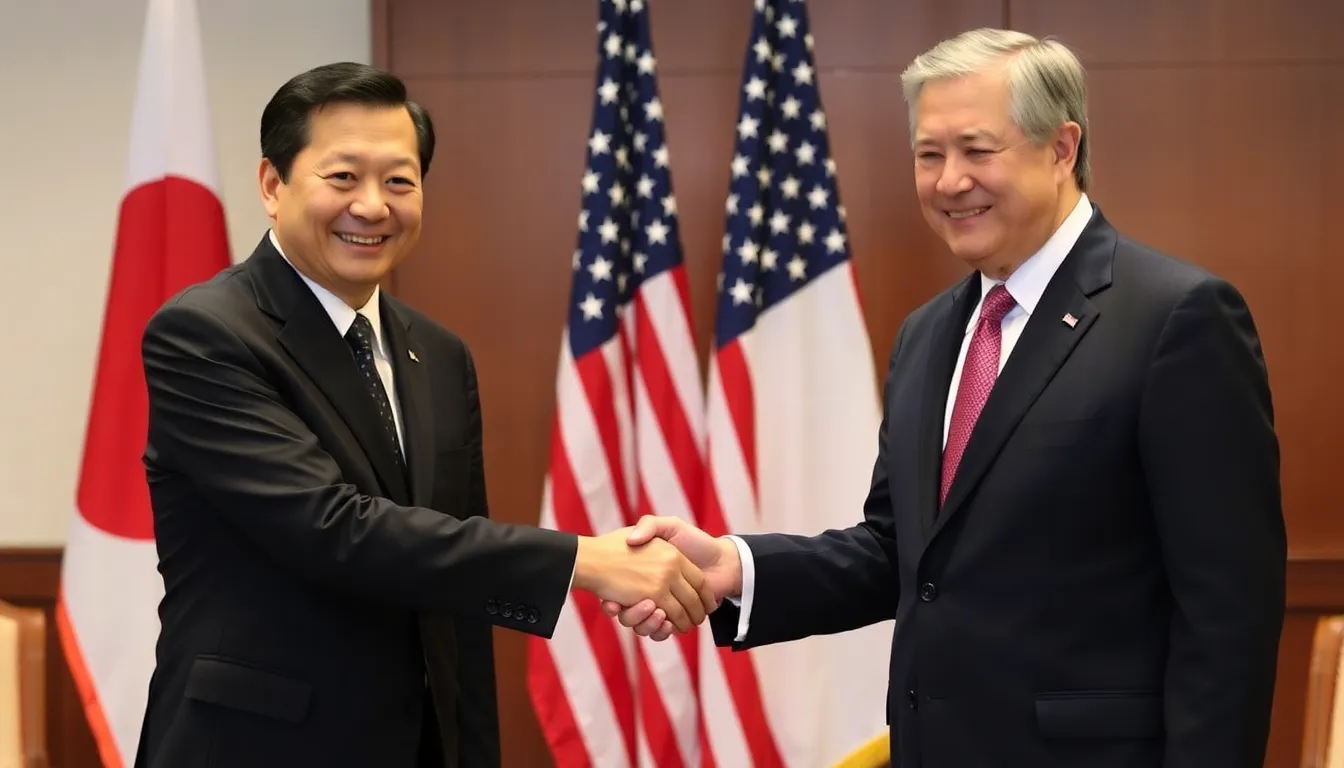
Governments, particularly those of Japan and the U.S., are primarily interested in securing access to valuable mineral resources found on the ocean floor, such as rare earth elements and precious metals. This collaboration is seen as a strategic move to reduce dependency on foreign sources, particularly from China, which dominates the global supply chain for these critical materials. Additionally, both nations are keen on promoting technological advancements in mining techniques that are environmentally sustainable.
Private companies involved in seabed mining, such as DeepGreen Metals and others, are motivated by the potential for substantial economic gains. They advocate for policies that facilitate exploration and extraction processes while minimizing regulatory hurdles. However, these companies also face pressure to demonstrate responsible mining practices that mitigate environmental impacts, which can lead to conflicts with environmental groups.
- Environmental Organizations: Groups like Greenpeace and the Ocean Conservancy are concerned about the ecological implications of seabed mining, including habitat destruction and biodiversity loss. They argue for stricter regulations and more comprehensive environmental assessments before mining operations commence.
- Indigenous Communities: Many indigenous groups have rights and claims over marine territories. Their interests often clash with mining initiatives, as these communities seek to protect their ancestral lands and maintain traditional lifestyles that could be threatened by industrial activities.
- International Bodies: Organizations such as the International Seabed Authority (ISA) play a crucial role in regulating seabed mining activities. They aim to balance resource extraction with environmental protection and equitable resource distribution among nations.
As these stakeholders navigate their interests, several key legal and economic issues arise. The legal framework governing seabed mining is complex, with various international treaties and national laws influencing operations. Economic considerations also come into play, as the profitability of seabed mining must be weighed against potential environmental costs and social impacts.
Potential impacts on global markets and local communities
The recent agreement between Japan and the U.S. to collaborate on seabed mining will have significant implications for various groups and industries. Key stakeholders include governments, environmental organizations, mining companies, and local fishing communities. The collaboration seeks to tap into valuable mineral resources found on the ocean floor, which could influence global supply chains and resource availability.
In the short term, businesses involved in the mining and technology sectors may experience increased investment and growth opportunities. Companies specializing in deep-sea exploration technologies and equipment manufacturing are likely to see a surge in demand. Additionally, regions with existing mining operations may benefit economically from expanded activities, leading to job creation and infrastructure development.

However, this collaboration also presents risks, particularly for local communities reliant on marine ecosystems. Fishing industries may face disruptions due to seabed mining operations, impacting livelihoods and food security. Environmental groups are raising concerns about potential ecological damage, which could lead to stricter regulations and backlash from the public.
In the mid-term, the agreement could reshape policies surrounding resource extraction and environmental protection. Nations may need to reassess their regulatory frameworks to balance economic growth with sustainable practices. The potential for international disputes over maritime boundaries and resource rights may also increase, complicating diplomatic relations.
- Economic opportunities: Job creation in mining and technology sectors.
- Environmental risks: Potential damage to marine ecosystems affecting local fisheries.
- Policy shifts: Changes in regulations regarding resource extraction and environmental protection.
- Global supply chain impact: Altered availability of minerals influencing various industries.
A: Seabed mining involves extracting minerals and resources from the ocean floor, which can include precious metals and rare earth elements. A: The collaboration aims to enhance resource security, promote sustainable practices, and address global demand for critical minerals. A: Environmental concerns include potential damage to marine ecosystems, disruption of habitats, and pollution from mining activities. A: This partnership may strengthen ties between Japan and the U.S. while also influencing global policies on resource extraction and environmental protection. A: The next steps include conducting feasibility studies, developing regulatory frameworks, and engaging with environmental stakeholders.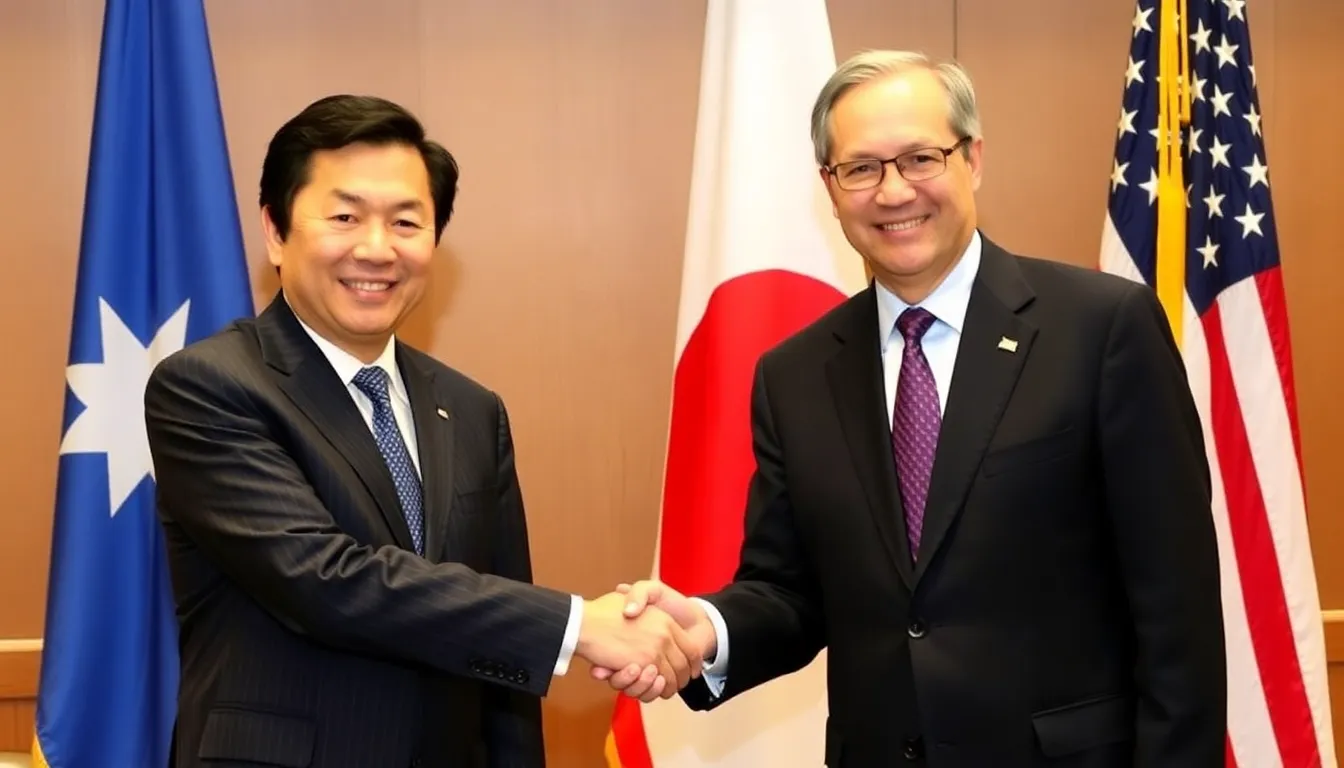
Frequently asked questions about the agreement
Future outlook on Japan-U.S. seabed mining collaboration
The recent agreement between Japan and the United States to collaborate on seabed mining marks a significant step towards harnessing the vast mineral resources lying beneath the ocean. This partnership not only highlights the growing importance of securing critical minerals for technology and energy transitions but also emphasizes the strategic geopolitical dynamics in the Indo-Pacific region. As both nations aim to bolster their supply chains and reduce dependence on single-source suppliers, this collaboration could reshape the landscape of global mineral extraction.
Moving forward, stakeholders should closely monitor the regulatory frameworks that will emerge from this partnership, as well as the environmental implications of seabed mining. Additionally, the involvement of private enterprises and technological innovations will play a crucial role in determining the success and sustainability of these initiatives.
- Regulatory Developments: Watch for new policies and regulations that will govern seabed mining activities, ensuring environmental protection while promoting resource extraction.
- Technological Advances: Innovations in mining technology could enhance efficiency and reduce ecological impacts, making seabed mining more viable.
- Geopolitical Implications: The collaboration may influence regional dynamics, prompting responses from other nations with interests in seabed resources.
- Private Sector Involvement: Increased investment and participation from private companies could accelerate the development of seabed mining projects.
- Environmental Considerations: Ongoing assessments of the ecological effects of seabed mining will be critical in balancing resource extraction with environmental stewardship.