
In addition to heat pumps, the integration of plug-in solar technology is becoming more prevalent as homeowners seek to harness renewable energy sources. Recent studies indicate that installations of solar panels have surged by over 30% in the last year, with significant contributions from both residential and commercial sectors. This trend is supported by various incentives, including tax credits and rebates offered by local governments that encourage the adoption of green technologies.
The collaboration between private companies and public entities is essential in facilitating this green technology transition. Major players in the energy sector, such as Siemens and Tesla, are investing heavily in innovative solutions that combine heat pump systems with solar energy. These partnerships aim to create more efficient and sustainable energy systems that can be easily adopted by consumers.
Moreover, the urgency to address climate change is propelling these advancements forward. With the United Nations Climate Change Conference (COP28) set to take place later this year, nations are under pressure to demonstrate their commitment to reducing greenhouse gas emissions. The widespread adoption of heat pumps and solar technology is seen as a crucial step in meeting international climate targets.
Understanding the push for sustainable housing
The movement towards sustainable housing has gained significant momentum over the past few decades, driven by a combination of environmental concerns, technological advancements, and changing consumer preferences. As climate change continues to pose a serious threat to global ecosystems and human health, governments and organizations around the world are increasingly recognizing the need for greener building practices. This shift is particularly evident in the push for heat pumps in new homes and the integration of plug-in solar technology, which has been further highlighted in discussions around sustainable living.
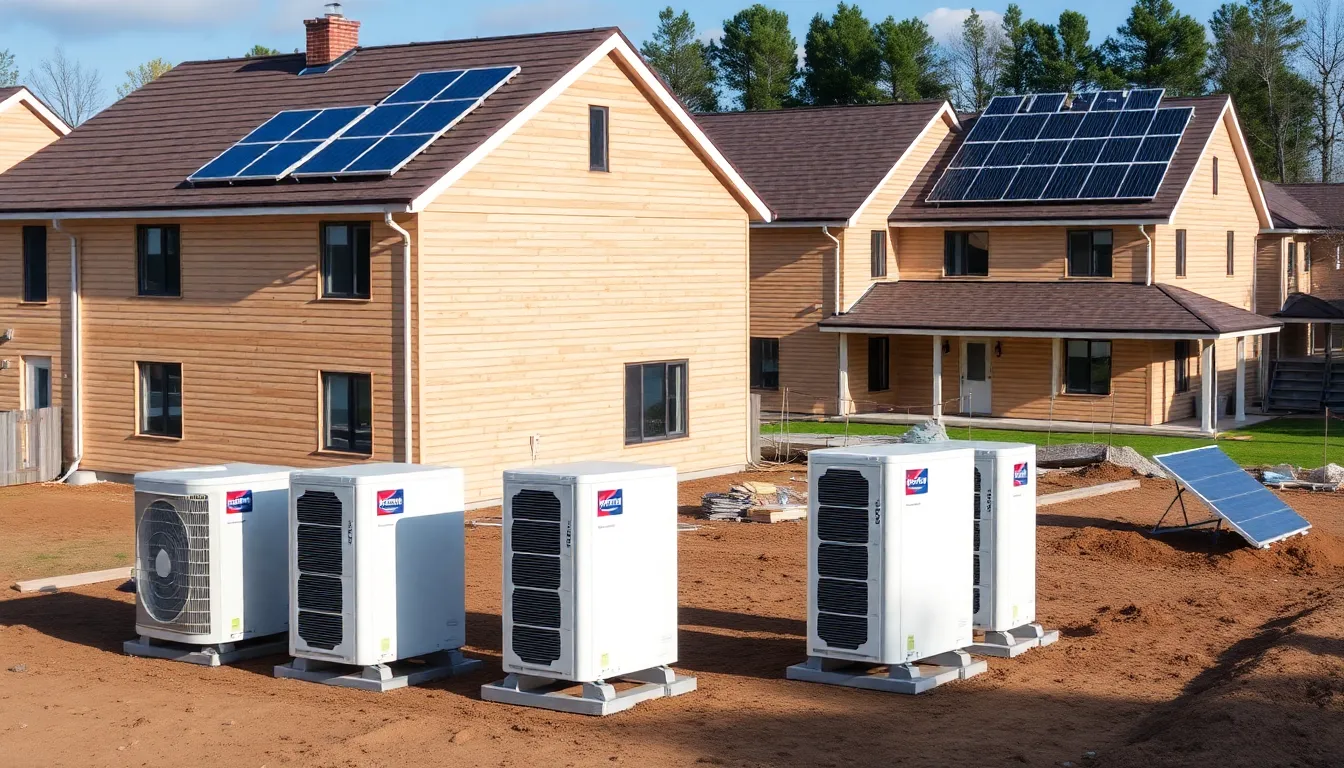
Historically, the construction industry has been a major contributor to carbon emissions, with traditional heating systems relying heavily on fossil fuels. However, the introduction of heat pumps, which utilize electricity to transfer heat rather than generate it through combustion, has emerged as a sustainable alternative. The technology has evolved significantly since its inception, with modern heat pumps offering greater efficiency and lower operating costs, making them an attractive option for new developments.
Key milestones in green technology adoption
Several key milestones have shaped the current landscape of sustainable housing. In 2007, the UK government introduced the Code for Sustainable Homes, which set out to improve the environmental performance of new homes. This was followed by the Paris Agreement in 2015, which galvanized international efforts to reduce carbon emissions. More recently, the European Union has set ambitious targets for reducing greenhouse gas emissions, further encouraging member states to adopt green technologies like heat pumps and solar energy.
Economic factors also play a crucial role in this transition. The rising costs of energy and the increasing availability of renewable energy sources have made sustainable technologies more economically viable. As consumers become more environmentally conscious, the demand for energy-efficient homes has surged, prompting builders to adapt their practices to meet these new expectations. This shift not only benefits the environment but also presents opportunities for job creation in the green technology sector.
In summary, the push for heat pumps and plug-in solar systems in new homes is a reflection of a broader societal shift towards sustainability. With a combination of historical context, technological advancements, and economic incentives, the movement is poised to reshape the future of housing and contribute to a more sustainable world.
Key stakeholders and their roles in this initiative
The push for heat pumps in new homes and the integration of plug-in solar technology is driven by a diverse array of stakeholders, each with distinct interests and motivations. These stakeholders include government bodies, environmental organizations, construction companies, and homeowners, all of whom play a crucial role in the implementation of green technologies.
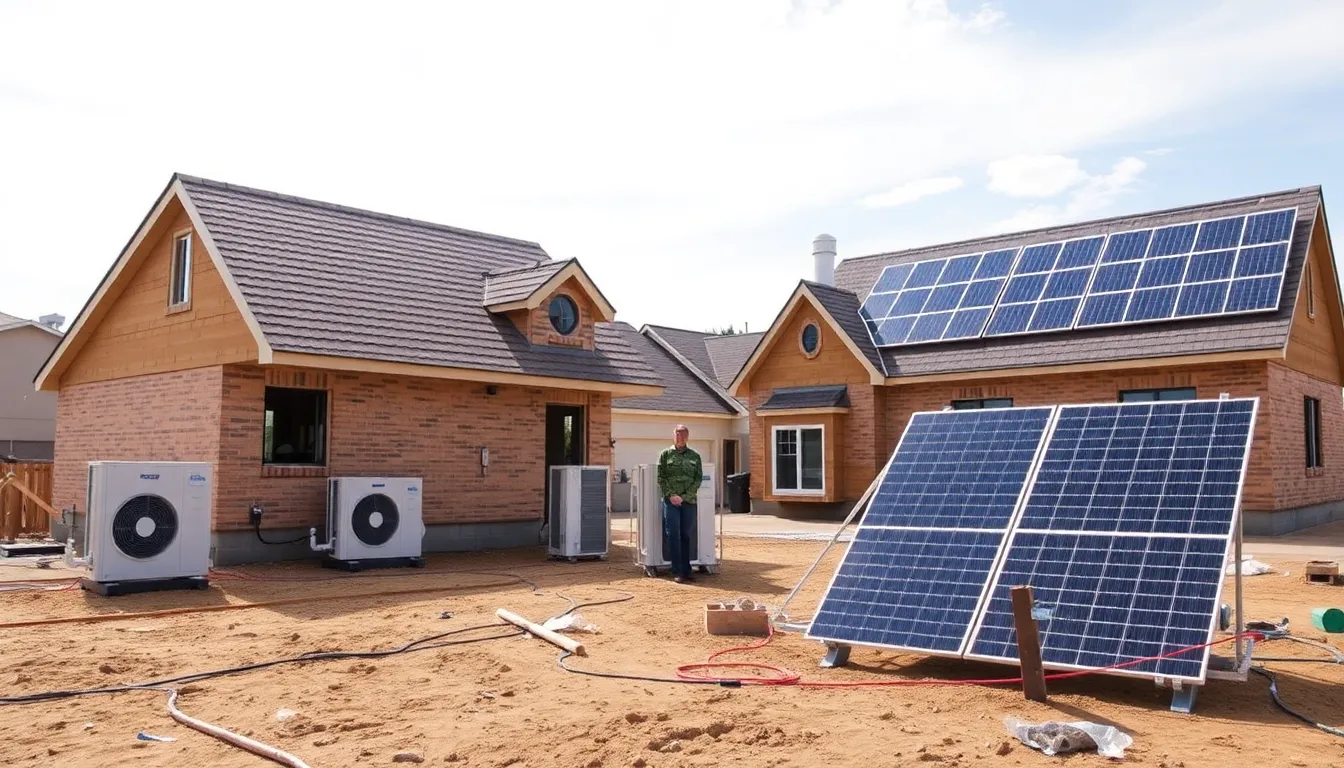
Governments at various levels are key players, as they set regulations and provide incentives for the adoption of renewable energy technologies. Their primary interest lies in achieving climate targets, reducing carbon emissions, and promoting energy efficiency. This often involves balancing the need for sustainable practices with the economic implications for local industries and job markets.
Environmental organizations advocate for the widespread adoption of heat pumps and solar technology as part of a broader strategy to combat climate change. They emphasize the importance of reducing reliance on fossil fuels and promoting sustainable living. However, there can be conflicts with industry groups that may perceive these initiatives as threats to traditional energy sectors, leading to a complex landscape that shapes the future of green technologies.
- Construction companies are tasked with integrating these technologies into new homes, which may require retraining workers and adapting existing practices.
- Homeowners benefit from energy-efficient systems that can lower utility costs but may face higher upfront installation costs.
- Utility companies must adapt to changes in energy demand and grid management as more homes adopt decentralized energy solutions.
Economic issues also play a significant role in this initiative. The initial investment for heat pumps and solar installations can be substantial, leading to debates about financing options and government subsidies. Additionally, there are legal considerations regarding building codes and zoning laws, which can either facilitate or hinder the deployment of these technologies in various regions.
Who will be affected by these new regulations?
The introduction of regulations mandating heat pumps for all new homes and the integration of plug-in solar technology will have a significant impact on various groups, industries, and regions. Homebuilders, real estate developers, and homeowners will be at the forefront of these changes. Additionally, the energy sector, particularly companies involved in renewable energy and HVAC systems, will also feel the effects of this shift towards greener technology.
In the short term, homeowners and builders may face increased costs associated with the installation of heat pumps and solar systems. This could lead to higher initial prices for new homes, potentially impacting affordability for first-time buyers. However, in the mid-term, as technology advances and economies of scale are realized, these costs are expected to decrease, making sustainable housing more accessible.
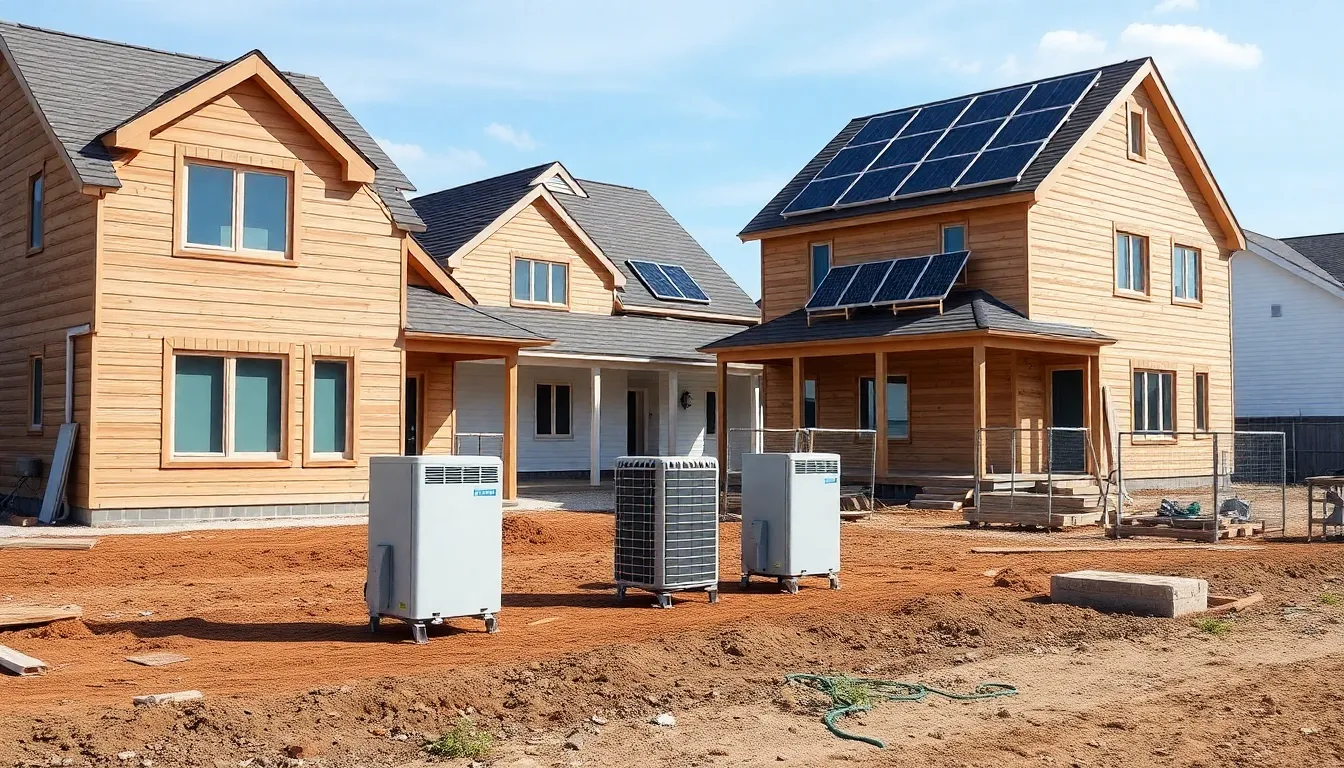
From a policy perspective, local governments may need to adapt building codes and zoning laws to accommodate these new technologies. This could result in a more streamlined process for obtaining permits, but it may also require additional training for inspectors and builders to ensure compliance with the new standards.
- Opportunities: Growth in green jobs related to installation and maintenance of heat pumps and solar systems.
- Risks: Potential pushback from traditional energy industries and concerns over initial costs for consumers.
- Community Impact: Increased energy independence and potential reductions in utility bills for homeowners in the long run.
Regions with a high concentration of new construction will likely see the most immediate effects, as builders adapt to the new regulations. In contrast, areas with older housing stock may experience slower changes, but the long-term benefits of reduced carbon footprints and lower energy consumption will ultimately extend throughout the housing market.
A: Heat pumps are devices that transfer heat from one place to another, providing both heating and cooling for homes. They operate by extracting heat from the air or ground and using it to regulate indoor temperatures. A: The government is promoting plug-in solar technology to encourage renewable energy use and reduce reliance on fossil fuels. This initiative aims to make solar energy more accessible and affordable for homeowners. A: Yes, under the new regulations, all newly constructed homes will be required to install heat pumps as part of their heating systems to enhance energy efficiency. A: Homebuyers may face higher upfront costs due to the installation of heat pumps and solar technology, but they can benefit from lower energy bills and increased home value over time. A: Yes, various government incentives and rebates are available to encourage homeowners to install heat pumps and solar panels, making the transition to green technology more affordable.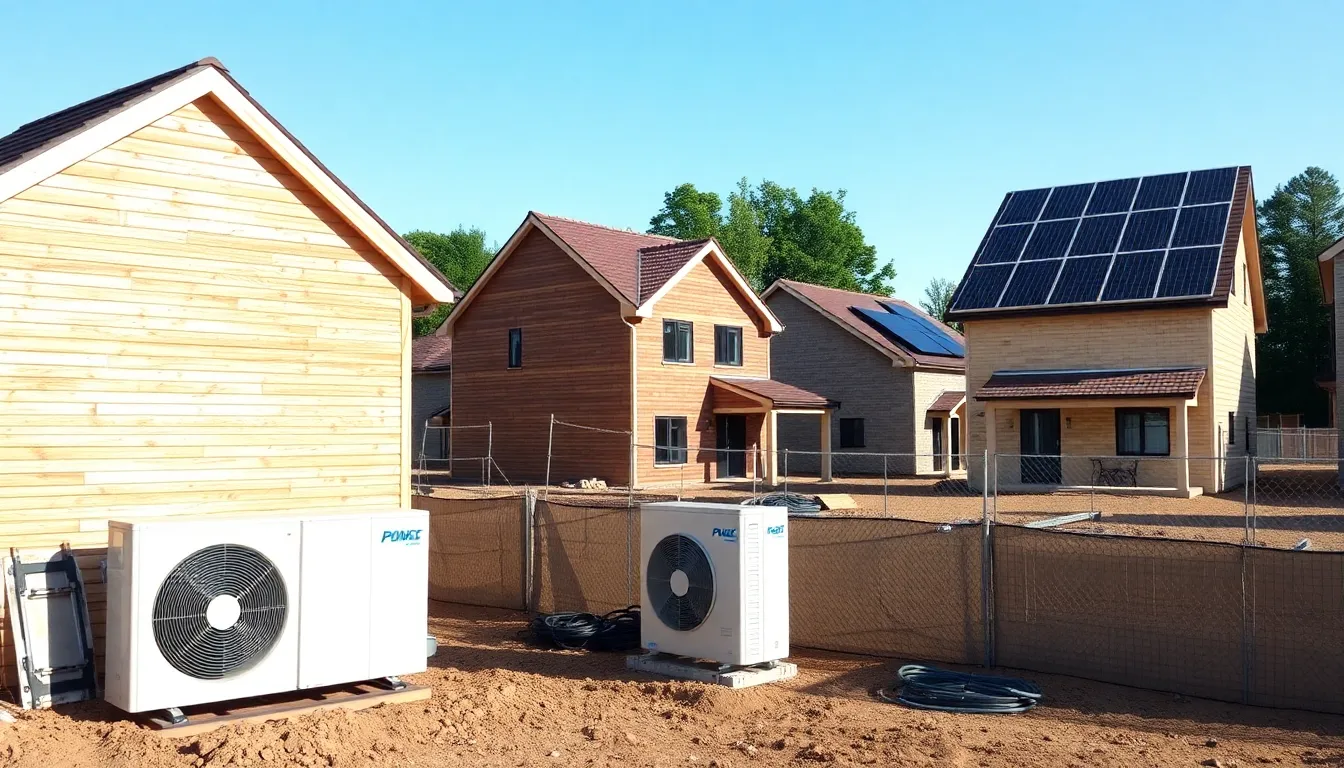
Frequently asked questions about heat pumps and solar technology
Looking ahead: The future of green technology in housing
The integration of heat pumps and plug-in solar solutions in new homes signifies a pivotal shift towards sustainable living. As governments and builders increasingly prioritize eco-friendly technologies, the housing market is poised for transformation. This movement not only addresses climate change but also enhances energy efficiency, offering homeowners long-term savings and improved comfort.
As these technologies become standard in new constructions, it will be essential to monitor their adoption rates and the impact on energy consumption patterns. The collaboration between manufacturers, policymakers, and consumers will play a crucial role in shaping the future landscape of residential energy use.
- Increased demand for energy-efficient homes may drive innovation in green technology, leading to more affordable and effective solutions.
- Homebuyers are likely to prioritize properties equipped with heat pumps and solar capabilities, influencing market trends and property values.
- Regulatory incentives and rebates for green technology adoption can accelerate the transition towards sustainable housing.
- As technology advances, the efficiency of heat pumps and solar systems is expected to improve, further enhancing their appeal to consumers.
- Community awareness and education about the benefits of green technologies will be critical for widespread acceptance and implementation.