
Hantavirus is primarily spread through contact with rodent droppings, urine, or saliva, making it a zoonotic disease. The symptoms can escalate quickly, leading to severe respiratory issues. As of September 2023, there have been over 30 reported cases in the western states, prompting local health departments to issue warnings and guidelines to mitigate risk.
The psychological impact of the COVID-19 pandemic has also influenced public perception of Hantavirus. Many individuals are experiencing heightened anxiety and fear regarding disease transmission, a phenomenon often referred to as ‘Covid P.T.S.D.’ This response has led to increased vigilance and precautionary measures, even in the absence of direct human-to-human transmission. Understanding the differences between Hantavirus and Coronavirus is essential for addressing these concerns.
Public health experts emphasize the importance of education and awareness in addressing the current situation. They encourage communities to take proactive steps in rodent control and to be cautious when cleaning areas that may harbor Hantavirus. Understanding the differences between Hantavirus and COVID-19 is crucial in alleviating unnecessary fears while promoting safety.
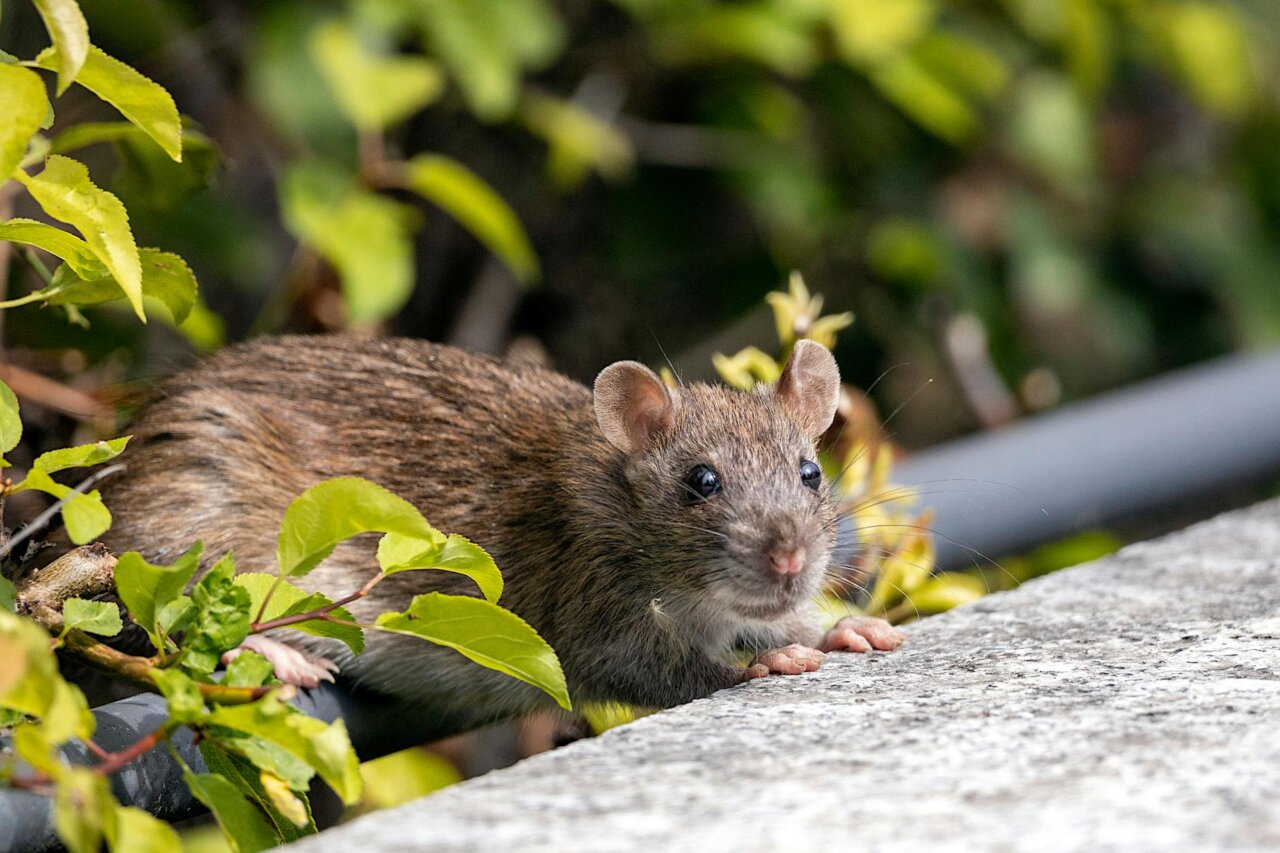
Historical background of Hantavirus and its transmission
The Hantavirus was first identified in the early 1990s during an outbreak of a severe respiratory illness among a group of young adults in the southwestern United States. This outbreak was traced back to the Sin Nombre virus, a type of Hantavirus carried by deer mice. The disease, known as Hantavirus Pulmonary Syndrome (HPS), highlighted the risks associated with rodent populations and their droppings, which can release the virus into the air. For more information on related health matters, check the article on aid efforts amid Hantavirus concerns.
Unlike the coronavirus, which spreads primarily through respiratory droplets, Hantavirus is transmitted through contact with rodent excreta, urine, or saliva. This mode of transmission has historically made it a less public health concern compared to other viral infections, as it is not easily spread from person to person. However, the emergence of HPS raised awareness about the potential dangers of zoonotic diseases, particularly in rural areas where human and wildlife interactions are frequent. As a point of learning, one can explore how the recent pandemic has influenced perceptions of these diseases.
In the years following the initial outbreak, public health officials implemented measures to educate communities about the risks associated with Hantavirus. This included guidelines for cleaning and decontaminating areas where rodents were present, as well as strategies to reduce rodent populations. Despite these efforts, sporadic cases of HPS have continued to occur, reminding us of the persistent threat posed by Hantaviruses.
Social Impact and Public Perception
The emergence of Hantavirus coincided with a growing awareness of infectious diseases and their potential to cause widespread panic. The COVID-19 pandemic has reignited fears related to Hantavirus, with many people drawing parallels between the two viruses. This has led to what some experts describe as “Covid P.T.S.D.,” where individuals become anxious about the possibility of new outbreaks, even when the risks are different. The social impact of these diseases underscores the importance of effective communication and education in managing public health responses.
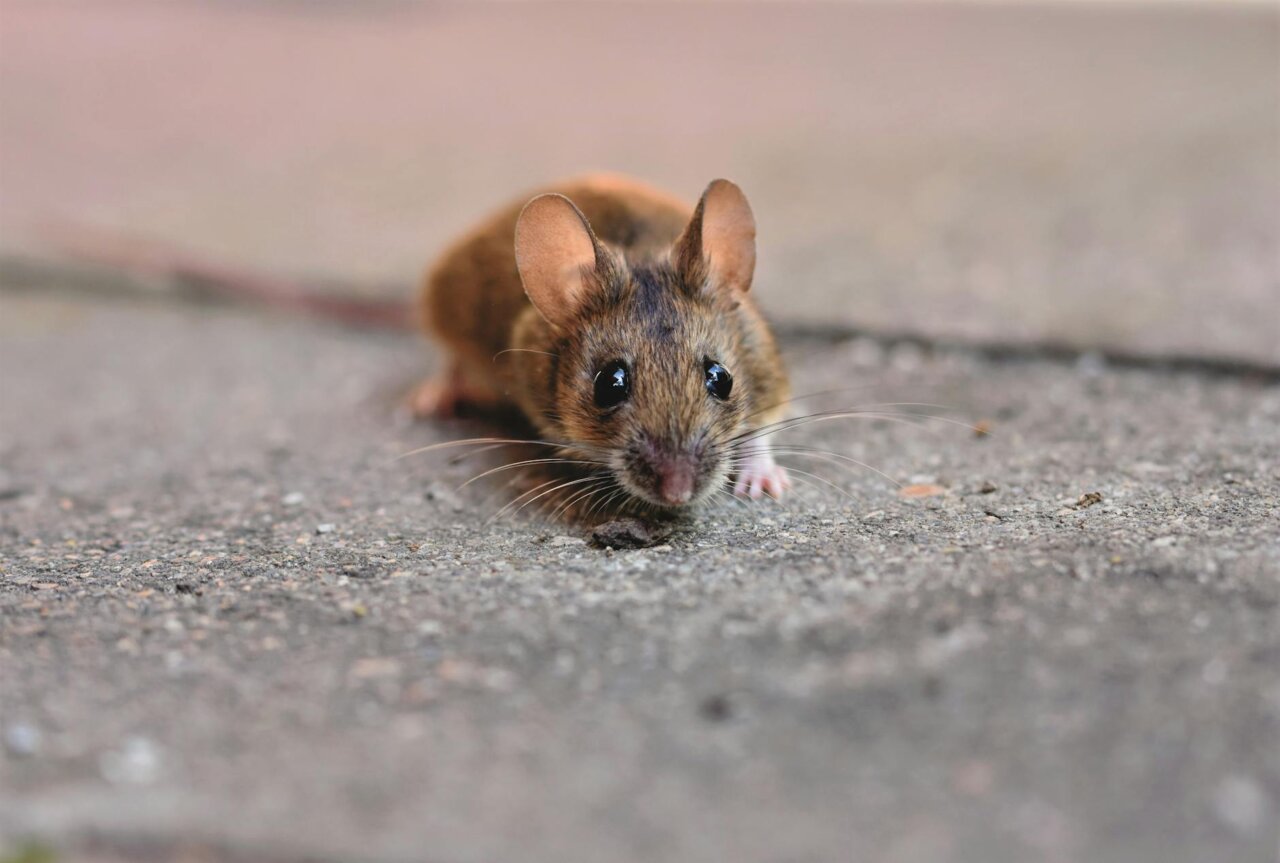
Key stakeholders and issues related to Hantavirus awareness
As awareness of Hantavirus increases, several key stakeholders emerge, each with distinct interests and concerns. Public health organizations, including the Centers for Disease Control and Prevention (CDC) and the World Health Organization (WHO), play a crucial role in disseminating information and guidelines to manage the risks associated with Hantavirus. Their primary interest lies in preventing outbreaks and ensuring public safety through education and awareness campaigns.
Local and state health departments are also significant players in this landscape. They are responsible for monitoring and responding to Hantavirus cases within their jurisdictions. Their interests often align with those of national organizations but may also include resource allocation for local prevention efforts, which can lead to conflicts over funding and prioritization of health initiatives.
Another critical group includes researchers and scientists who study Hantavirus and its transmission. Their work aims to better understand the virus, develop vaccines, and inform public health strategies. However, the funding for such research can be limited, leading to trade-offs between addressing immediate public health concerns and investing in long-term solutions.
- Public Health Organizations: Focused on education and prevention strategies.
- Local Health Departments: Concerned with resource allocation and outbreak response.
- Researchers: Interested in funding and support for scientific studies.
- Government Agencies: Balancing public health priorities with economic considerations.
- Community Members: Seeking accurate information to mitigate fear and anxiety.
Conflicts may arise between these stakeholders over the best approaches to manage Hantavirus awareness and prevention. For instance, while public health organizations may advocate for widespread public education campaigns, local health departments may prioritize immediate response measures due to limited resources. Additionally, the lingering effects of the COVID-19 pandemic have created a heightened sensitivity among the public regarding infectious diseases, complicating communication strategies and increasing the urgency for effective outreach.
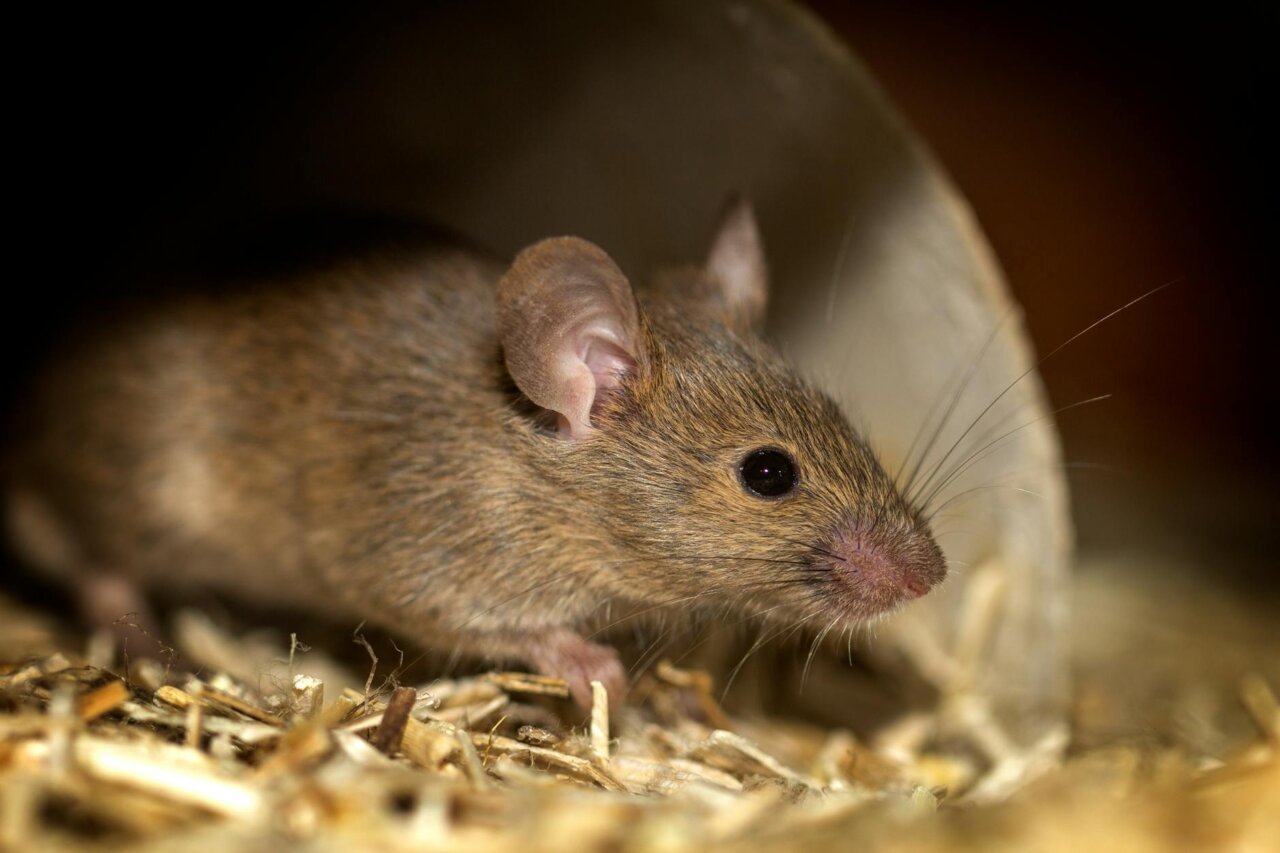
How Hantavirus affects communities and public health
The emergence of hantavirus, while distinct from the coronavirus pandemic, is causing ripples across various communities and industries. Primarily, rural and semi-urban areas, where rodent populations are prevalent, are at higher risk. This includes agricultural regions, where farmers and workers may come into contact with infected rodents or their droppings.
In the short term, the fear surrounding hantavirus can significantly impact daily life. Public health officials may ramp up awareness campaigns, leading to changes in local policies regarding sanitation and pest control. This heightened vigilance could result in increased funding for public health initiatives, but may also lead to unnecessary panic among the general population.
Industries such as agriculture, tourism, and outdoor recreation could see both challenges and opportunities. For instance, farmers might need to adopt stricter rodent control measures, which could raise operational costs. Conversely, there may be a surge in demand for pest control services and products, creating new business opportunities.
- Short-term impacts: Increased public health campaigns and potential panic.
- Mid-term impacts: Changes in agricultural practices and pest control regulations.
- Risks: Economic strain on affected industries and potential job losses.
- Opportunities: Growth in pest control services and public health funding.
As communities navigate these challenges, the psychological impact of past pandemics, often referred to as ‘Covid P.T.S.D.,’ may exacerbate reactions to hantavirus. This could lead to heightened anxiety and caution, affecting public behavior and compliance with health recommendations.
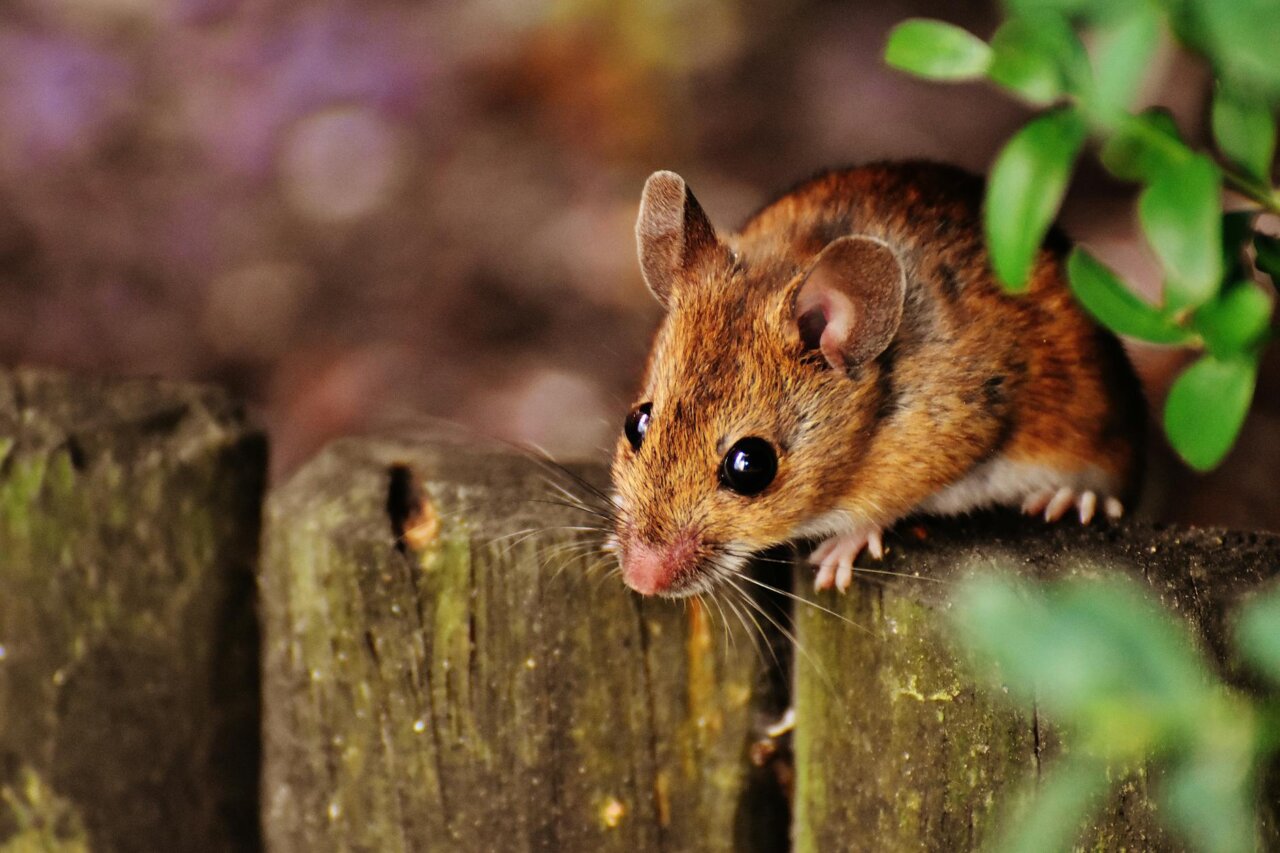
Frequently asked questions about Hantavirus and COVID-19
A: Symptoms of Hantavirus can include fever, muscle aches, and fatigue, followed by more severe respiratory issues. It is important to seek medical attention if these symptoms arise after potential exposure.
A: Hantavirus is primarily spread through contact with infected rodent droppings, urine, or saliva. It can also be transmitted through inhalation of aerosolized particles.
A: No, Hantavirus is not transmitted from person to person like Coronavirus. It mainly poses a risk through environmental exposure.
A: If you suspect exposure, it is crucial to contact a healthcare provider for advice and potential testing. Avoid contact with rodents and their droppings.
A: Yes, the COVID-19 pandemic has heightened public awareness and anxiety about infectious diseases, leading to increased vigilance regarding Hantavirus.