
The hantavirus, primarily transmitted through rodent droppings, poses serious health risks, including severe respiratory issues. For more information on how this virus is transmitted, check out our article on Understanding hantavirus and its transmission. Officials are particularly concerned about the potential for an outbreak in these isolated areas, where access to medical facilities is limited. The presence of the virus has raised alarms among health authorities, prompting swift action to mitigate any possible health crisis.
As part of their mission, the paratroopers are working closely with local health officials to assess the situation and ensure that adequate precautions are taken. They are delivering not only medical supplies but also educating residents on preventive measures to avoid infection. This collaboration highlights the importance of rapid response in safeguarding public health.
The situation underscores the challenges faced by remote communities, particularly in times of health emergencies. With limited resources and infrastructure, the timely arrival of aid from the British military is crucial in addressing the immediate needs of the population and preventing the spread of the virus.
Understanding the background of hantavirus and its implications
The hantavirus is a group of viruses that are primarily carried by rodents and can cause severe respiratory diseases in humans. The first recognized outbreak of hantavirus pulmonary syndrome (HPS) occurred in the southwestern United States in 1993, leading to a heightened awareness of the virus and its potential impact on public health. Over the years, various strains of hantavirus have been identified, each with different geographical distributions and associated rodent hosts.
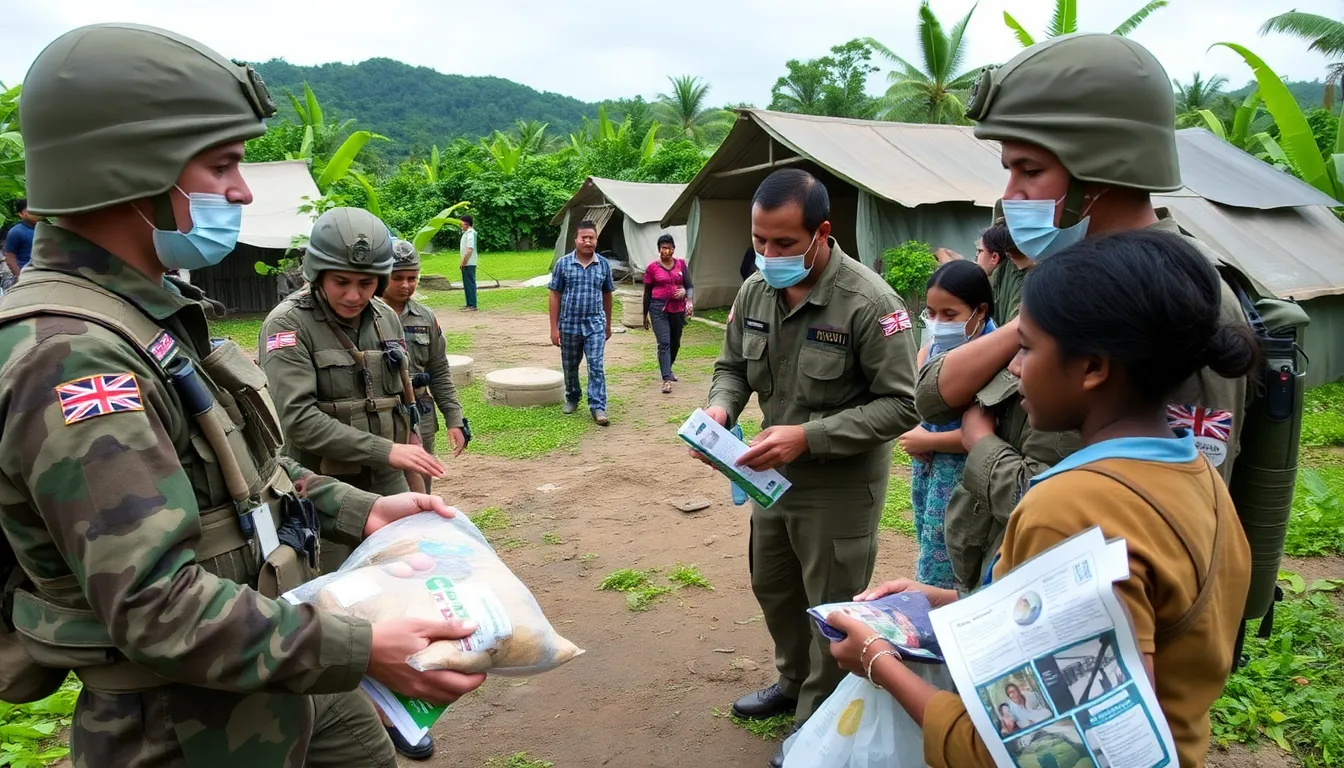
Historically, outbreaks of hantavirus have been linked to environmental factors, including changes in climate and land use, which can influence rodent populations and their habitats. In regions where deforestation or urbanization disrupts natural ecosystems, the risk of human exposure to hantavirus can increase significantly. This context is particularly relevant for remote islands, where limited access to healthcare and resources can exacerbate the consequences of an outbreak.
The socio-economic impact of remote island communities
Many remote islands face unique socio-economic challenges, including limited infrastructure, reliance on tourism, and vulnerability to natural disasters. These factors can hinder effective responses to health crises, making it difficult to contain outbreaks of infectious diseases like hantavirus. In such settings, the delivery of aid becomes crucial, as local populations may lack the necessary medical supplies and support to manage potential cases effectively.
The involvement of British paratroopers in delivering aid to these islands underscores the importance of international cooperation in addressing health emergencies. Such military assistance not only provides immediate relief but also highlights the need for ongoing collaboration between governments and health organizations to improve preparedness and response strategies for future outbreaks, especially in areas like hantavirus vaccines and treatments.
As the world grapples with the implications of zoonotic diseases, the case of hantavirus serves as a reminder of the interconnectedness of health, environment, and socio-economic stability. The response to this situation will likely shape future policies and practices aimed at managing similar health threats in vulnerable communities.
Examining the key stakeholders involved in the aid delivery
The situation surrounding British paratroopers delivering aid to remote islands in response to a potential hantavirus case involves several key stakeholders. Each of these actors has distinct interests and concerns that shape their involvement and influence the overall outcome of the aid initiative, which reflects the need for better strategies discussed in our piece on the Weather Service Faces Urgent Need to Rehire Ahead of Storm Season.
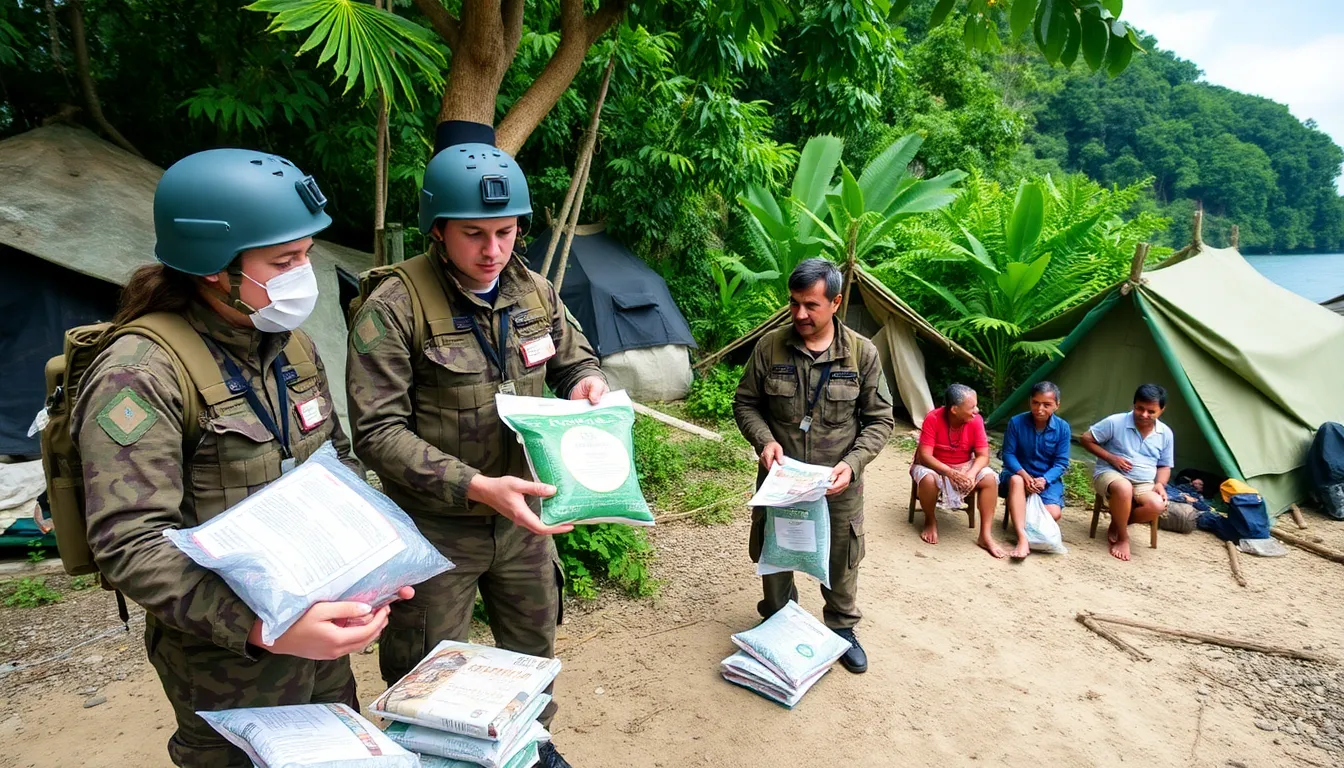
First, the British government plays a crucial role as the primary organizer of the aid mission. Their interest lies in ensuring the health and safety of the affected population while also maintaining their international reputation for humanitarian assistance. The government must balance this with the logistical challenges and costs associated with deploying military resources to remote locations.
Local authorities and health organizations on the islands are also significant stakeholders. Their primary concern is the health crisis posed by the hantavirus, which can lead to serious health complications. These organizations are interested in receiving adequate resources and support to manage the situation effectively. However, they may face challenges in coordinating with external military aid, which could complicate local response efforts.
- Military personnel: British paratroopers are tasked with delivering aid, but they also face risks associated with the potential outbreak and the challenging environment of the islands.
- International health organizations: These bodies may monitor the situation to provide guidance and support, focusing on public health implications and the spread of the virus.
- Local communities: Residents of the islands have a vested interest in receiving timely and effective aid, as their health and safety are directly impacted by the hantavirus threat.
Furthermore, there are legal and economic issues at play. The deployment of military aid raises questions about jurisdiction and the legal framework governing humanitarian interventions. Additionally, the economic implications of such missions can strain budgets, particularly if the situation escalates and requires prolonged support. Stakeholders must navigate these complexities to ensure a coordinated and effective response that addresses both immediate health concerns and longer-term implications for the islands.
Assessing the impact on local communities and health systems
The delivery of aid by British paratroopers to remote islands facing a potential hantavirus case has significant implications for various groups and industries. Local communities, healthcare providers, and government agencies are all directly affected by this situation. The presence of a possible hantavirus case raises urgent concerns about public health and safety, particularly in isolated regions where medical resources are limited.
In the short term, residents of the affected islands may experience heightened anxiety and fear regarding their health. Daily life could be disrupted as communities implement precautionary measures, such as social distancing and increased sanitation efforts. Local businesses, especially those reliant on tourism and hospitality, may see a decline in visitors due to concerns over health risks, impacting their revenue and operations.
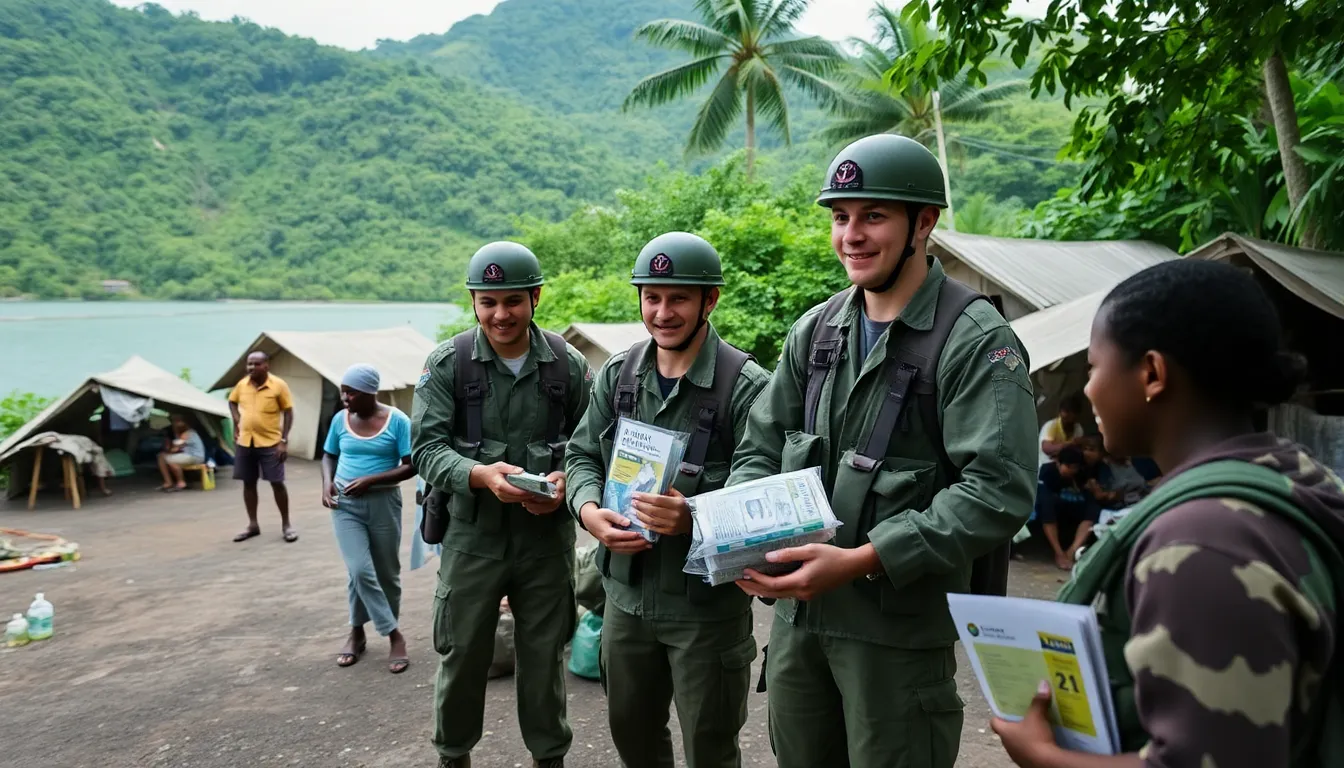
Healthcare systems in these regions may face immediate strain as they prepare to manage potential cases of hantavirus. Medical facilities may need to allocate additional resources for testing and treatment, diverting attention from other health services. The need for rapid response and effective communication from health authorities will be crucial to mitigate panic and ensure public compliance with health advisories.
- Increased health risks: Communities may face a rise in anxiety and health-related issues.
- Economic impact: Local businesses could suffer from reduced tourism and consumer spending.
- Healthcare strain: Medical facilities may need to redirect resources to address potential cases.
- Policy changes: Local governments may implement new health regulations and safety protocols.
In the mid-term, there may be opportunities for local governments and health organizations to strengthen their public health infrastructure. Increased awareness of hantavirus and other zoonotic diseases could lead to better preparedness and response strategies in the future. Furthermore, collaboration with international aid organizations may enhance local capacities to deal with health crises, fostering a more resilient community.
A: Hantavirus is a viral infection primarily transmitted through contact with rodent droppings, urine, or saliva. It can lead to serious respiratory issues and is considered a public health concern. A: British paratroopers are deployed to provide immediate assistance and medical support due to their capability in rapid response situations, especially in remote areas. A: The aid includes medical supplies, food, and sanitation equipment to help manage the potential outbreak and support the local population. A: Local authorities are coordinating with health officials to monitor the situation and implement preventive measures to protect residents from potential infection. A: Precautions include educating the local population about hygiene practices, proper waste disposal, and minimizing contact with rodents.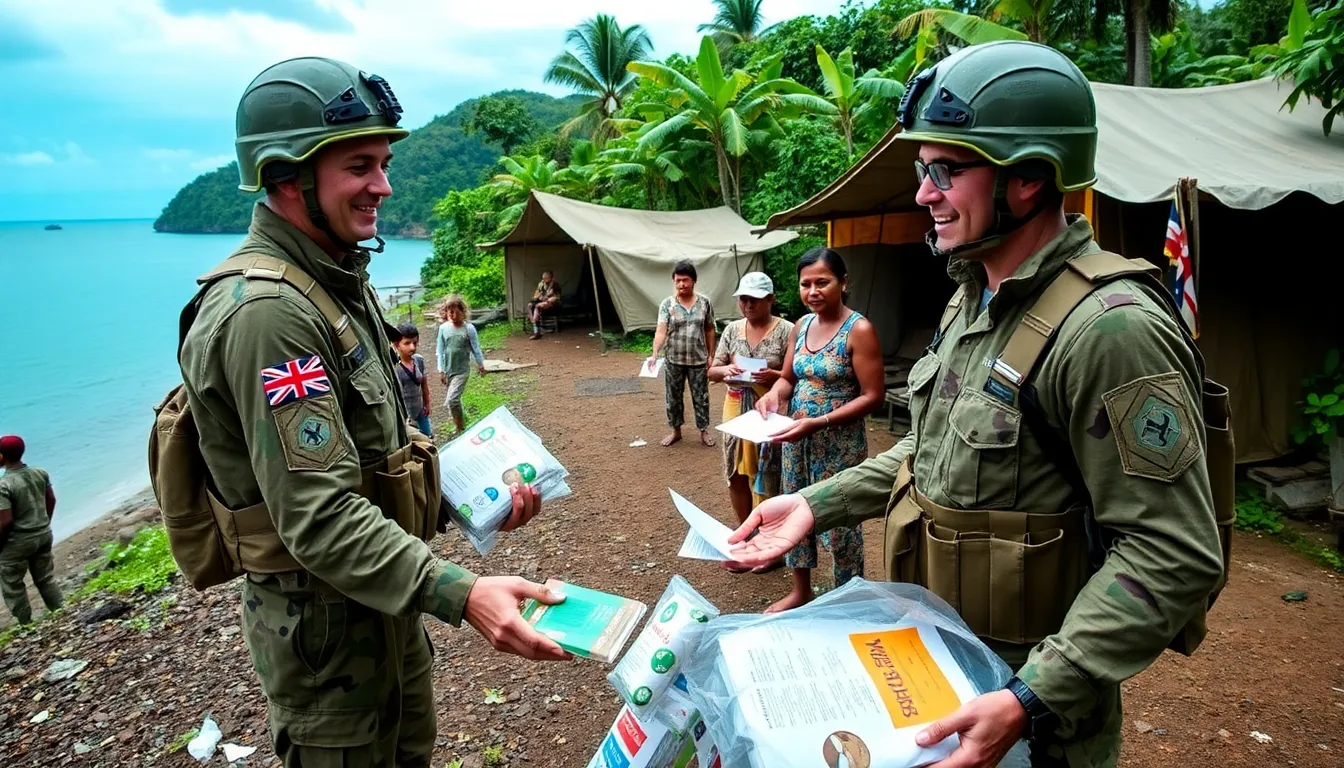
Frequently asked questions about the aid mission and hantavirus
Key takeaways and future outlook on the situation
The recent deployment of British paratroopers to deliver aid to remote islands facing a potential hantavirus outbreak highlights the critical intersection of public health and humanitarian response. As the situation develops, it underscores the importance of rapid intervention in remote areas to prevent the spread of infectious diseases. The presence of military personnel not only facilitates immediate aid delivery but also serves as a reassuring presence for local communities grappling with health uncertainties.
Looking ahead, it will be essential to monitor the effectiveness of the aid efforts and the response to the hantavirus situation. Continued vigilance and adaptability will be crucial as health officials assess the evolving circumstances and implement necessary measures to safeguard public health.
- Ongoing surveillance of hantavirus cases will be critical to prevent outbreaks in vulnerable populations.
- Coordination between military and health agencies can enhance the efficiency of humanitarian responses in remote areas.
- Public health education campaigns may be necessary to inform local communities about hantavirus prevention and symptoms.
- Future aid missions should consider long-term health infrastructure improvements to bolster resilience against similar health crises.
- Monitoring the psychological impact on affected communities will be important for comprehensive recovery efforts.