
According to a report published in early 2023, it is estimated that the great white shark population in the region has decreased by more than 70% over the past three decades. This decline has raised concerns among scientists and environmentalists, who warn that the loss of such a key predator could disrupt the marine ecosystem and lead to further imbalances.
In addition to fishing practices that target these sharks, incidental catches, or bycatch, pose a significant risk. Many great whites are caught unintentionally in fishing gear, which not only threatens their survival but also highlights the need for improved fishing regulations and conservation efforts in the area.
The Mediterranean region, known for its rich biodiversity, is seeing a shift in marine species distributions as the great white shark population dwindles. This shift could have cascading effects on the food chain and marine health, prompting urgent calls for action from researchers and conservationists alike.
Understanding the historical presence of great white sharks in the region
The Mediterranean Sea has long been home to a diverse array of marine life, including the majestic great white shark. Historically, these apex predators have played a crucial role in maintaining the ecological balance of their habitats. However, over the past few decades, their populations have drastically declined due to a combination of human activities and environmental changes.
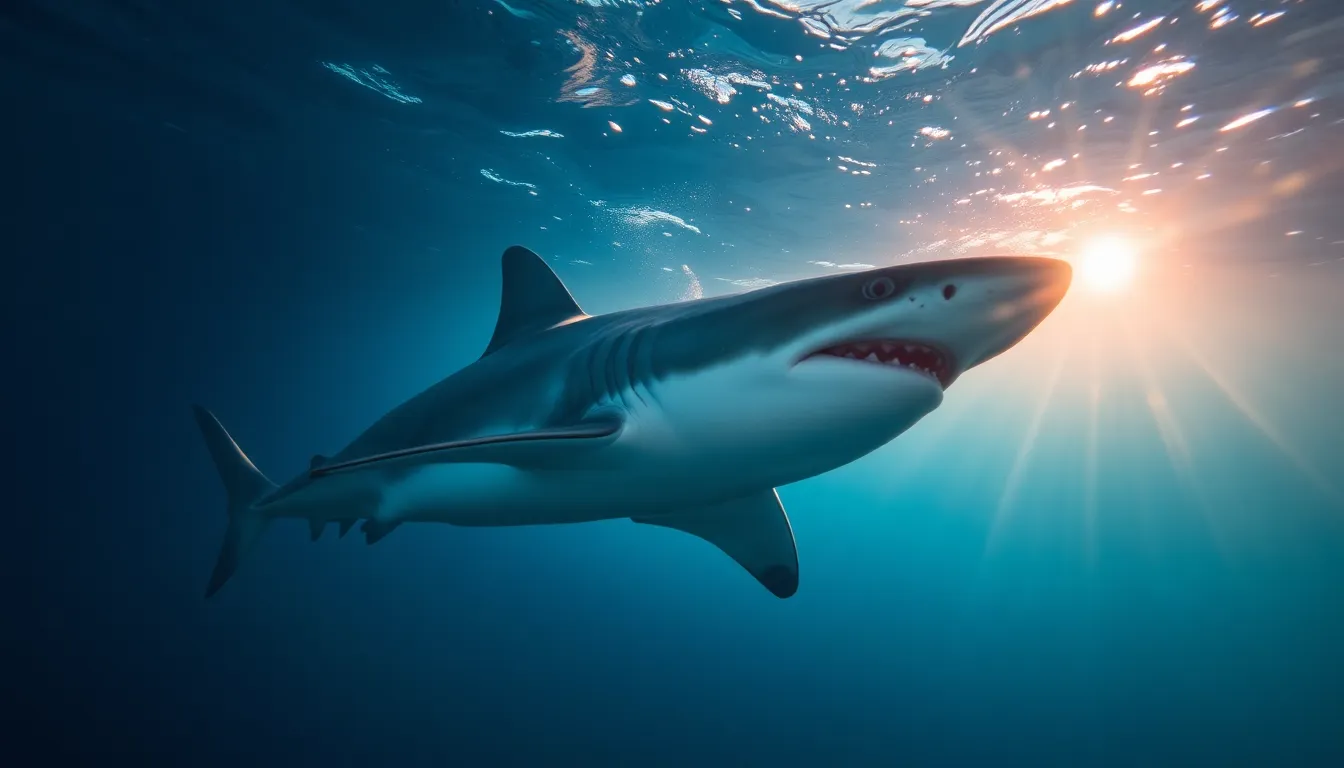
One of the primary factors contributing to the decline of great white sharks in the Mediterranean is overfishing. Commercial fishing practices, including the use of gillnets and longlines, have led to significant bycatch, inadvertently capturing sharks and other marine species. Additionally, the demand for shark fins and meat has further exacerbated the issue, prompting illegal fishing activities that threaten their survival.
Another critical aspect to consider is the political landscape surrounding marine conservation in the region. Despite international agreements aimed at protecting endangered species, enforcement remains weak. Countries bordering the Mediterranean often prioritize economic interests, such as tourism and fishing, over environmental protection, leading to inadequate measures to safeguard great white shark populations.
Key milestones in shark conservation efforts
Efforts to address the decline of great white sharks have seen some progress, with various organizations advocating for stronger conservation measures. In 2004, the Mediterranean region was designated as a critical habitat for several shark species under the Barcelona Convention, yet compliance with these regulations has been inconsistent. More recently, researchers have called for increased awareness and education to promote sustainable fishing practices and protect these iconic creatures from extinction.
As the situation evolves, understanding the historical context and the factors that have led to the current plight of great white sharks is essential. Without concerted efforts to address the threats they face, the future of these magnificent creatures in the Mediterranean remains uncertain.
Examining the key stakeholders and their roles in shark conservation
The plight of great white sharks in the Mediterranean has drawn attention from various stakeholders, each with distinct interests and concerns. These actors include environmental organizations, governmental bodies, local fishing communities, and researchers dedicated to marine biology. Understanding their roles is crucial for addressing the complex issues surrounding shark conservation.
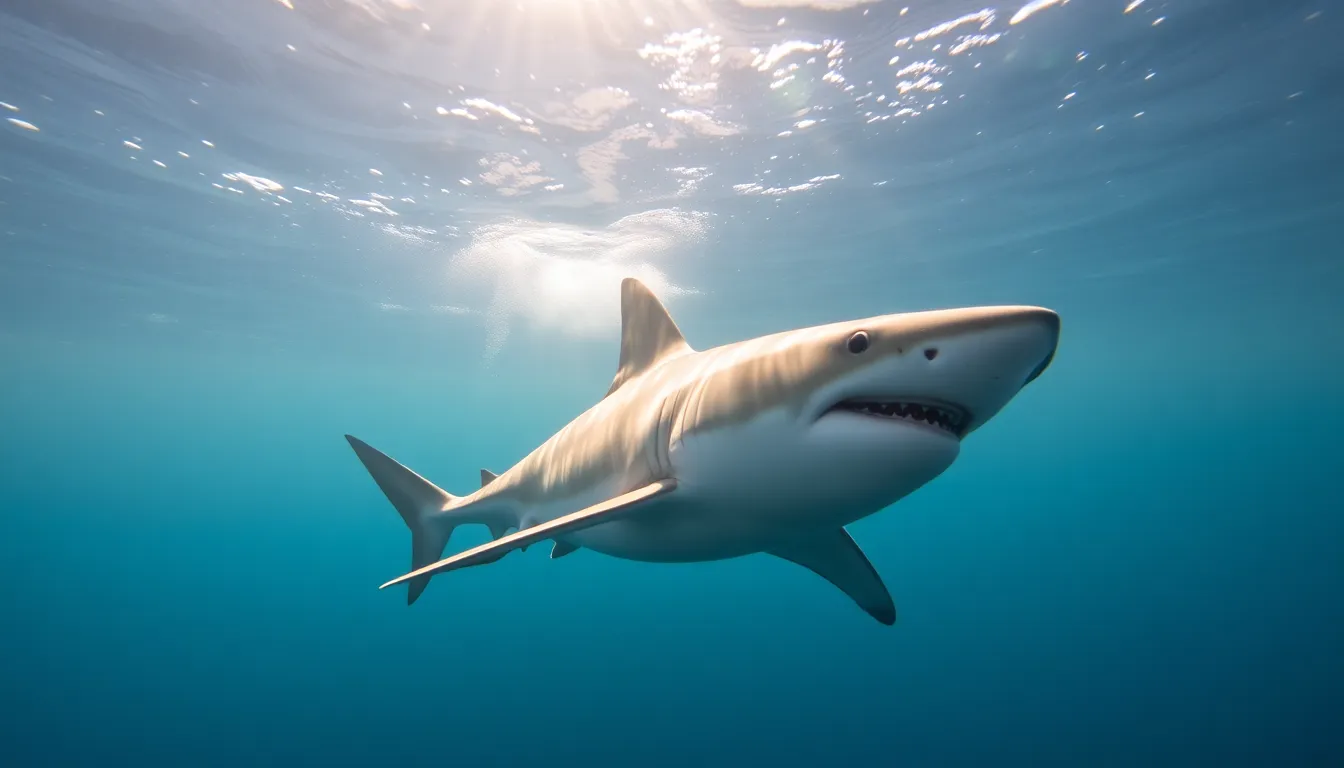
Environmental organizations, such as the WWF and Oceana, advocate for the protection of marine ecosystems and species. Their primary interest lies in promoting sustainable practices and raising awareness about the ecological importance of sharks. They often engage in campaigns to influence policy changes and mobilize public support for conservation efforts.
Governments in Mediterranean countries face the challenge of balancing economic interests, particularly in the fishing industry, with the need for environmental protection. Local authorities may be reluctant to impose stricter regulations that could impact fishing livelihoods, leading to potential conflicts between economic development and conservation goals. This trade-off presents a significant barrier to implementing effective shark protection measures.
Local fishing communities are often caught in the middle of this debate. While they rely on fishing for their livelihoods, they also recognize the long-term benefits of healthy marine ecosystems. However, there is a fear that conservation measures could limit their catch or impose additional costs, leading to resistance against proposed regulations.
- Research indicates that great white sharks play a vital role in maintaining the balance of marine ecosystems.
- Conflicts arise between conservation efforts and commercial fishing interests, resulting in a tug-of-war over policy implementation.
- Legal frameworks for shark protection vary across Mediterranean countries, complicating international conservation efforts.
- Economic incentives for sustainable fishing practices could align the interests of fishermen and conservationists.
- Public awareness campaigns are essential for garnering support for shark conservation initiatives.
Researchers are also key players in this scenario, providing the scientific data necessary to inform policy decisions. Their findings can highlight the declining populations of great white sharks and the implications for marine biodiversity. However, the challenge remains in translating this research into actionable policies that address both conservation and economic needs.
The ecological and economic impacts of declining shark numbers
The decline of great white sharks in the Mediterranean is a pressing concern that affects various groups and industries. Fishermen, marine tourism operators, and conservationists are among those who will feel the impact of this ecological crisis. As apex predators, sharks play a crucial role in maintaining the balance of marine ecosystems, and their absence could lead to significant changes in fish populations and marine biodiversity.
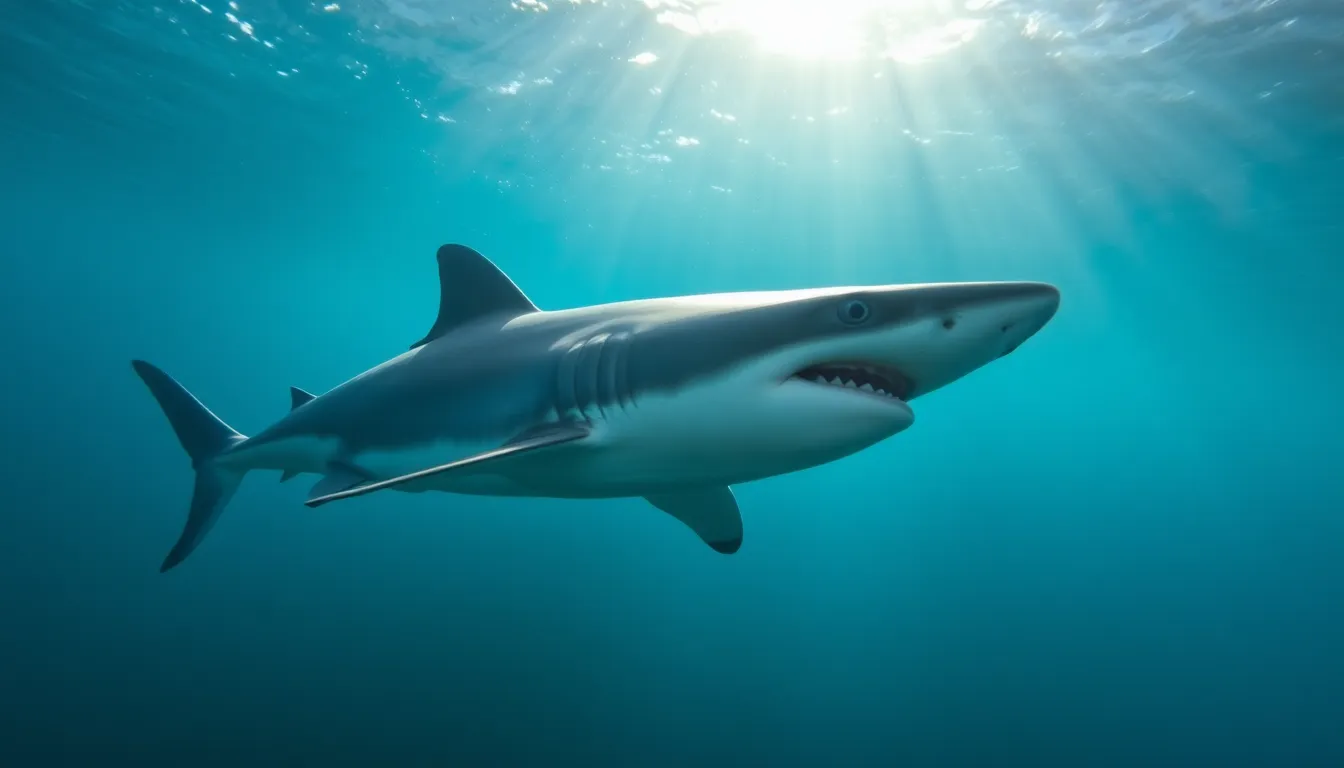
In the short term, local fishing communities may experience fluctuations in fish stocks as the natural predatory balance is disrupted. Overpopulation of certain fish species could occur, leading to overfishing and depletion of other marine life. This could result in economic losses for fishermen who rely on stable fish populations for their livelihoods. Additionally, marine tourism, which attracts visitors eager to see diverse marine life, may suffer as the ecosystem becomes less vibrant and appealing.
In the mid-term, policymakers may be compelled to implement stricter regulations to protect remaining shark populations and restore ecological balance. This could involve creating marine protected areas or limiting fishing quotas, which may initially disrupt local economies but could ultimately lead to more sustainable fishing practices. The change in policy could also open new avenues for eco-tourism, as conservation efforts attract visitors interested in responsible wildlife experiences.
- Fishermen: Potential decrease in fish stocks and income.
- Marine tourism: Reduced appeal of marine environments.
- Conservationists: Increased advocacy for protective measures.
- Policymakers: Need for new regulations to address ecological imbalances.
- Eco-tourism: Opportunities for growth in sustainable tourism initiatives.
While the risks associated with declining shark populations are significant, there are also potential opportunities for innovation and adaptation within affected industries. Emphasizing sustainable fishing practices and promoting conservation-focused tourism could lead to a more resilient economy that values ecological health alongside economic prosperity.
A: Great white sharks are endangered due to overfishing, habitat loss, and pollution. These factors have significantly reduced their populations in the region. A: The main threats include bycatch in fishing nets, illegal hunting, and degradation of their natural habitats. Climate change also poses a long-term risk. A: Supporting conservation efforts, advocating for sustainable fishing practices, and raising awareness about the importance of sharks in marine ecosystems can help protect them. A: Great white sharks are apex predators and help maintain the balance of marine ecosystems by controlling the populations of other species. A: Yes, various organizations are working on conservation programs aimed at protecting great white sharks through research, policy advocacy, and public education.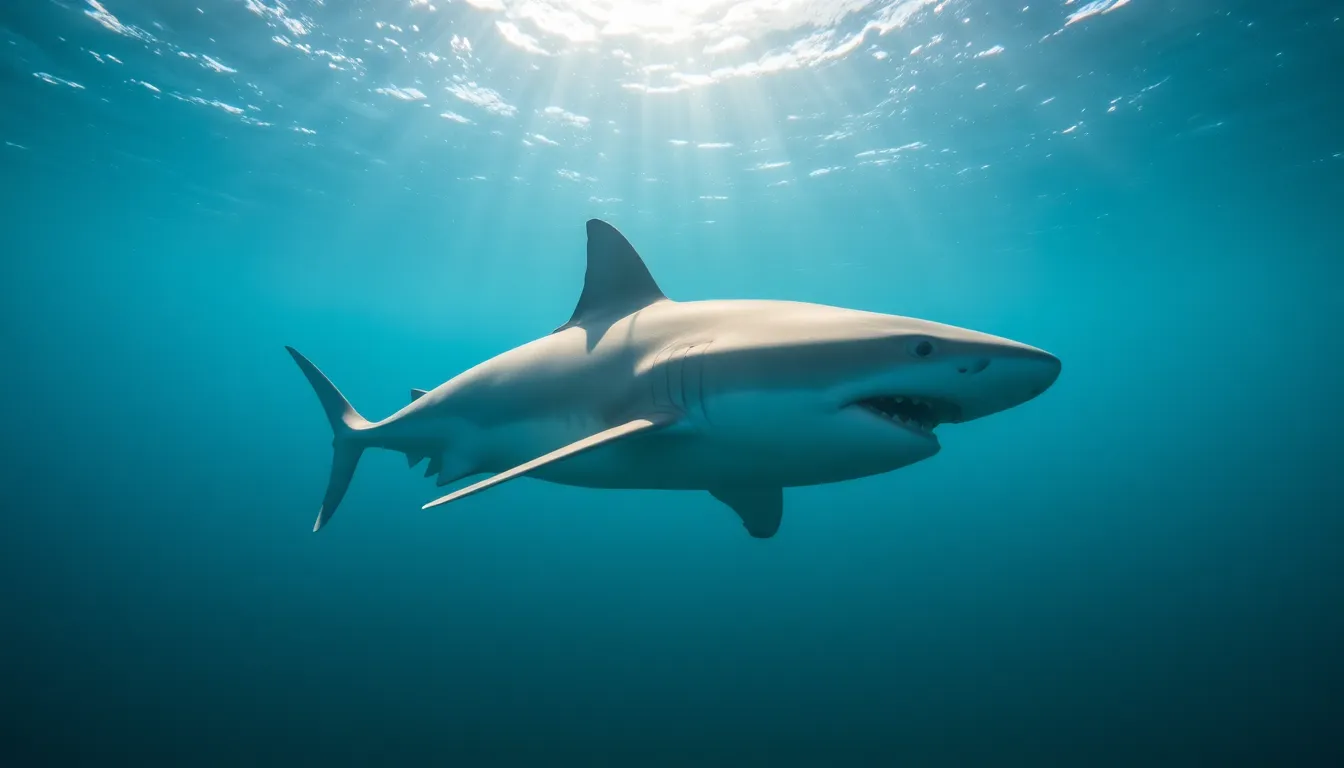
Frequently asked questions about great white sharks
Future outlook for great white sharks in the Mediterranean
The plight of great white sharks in the Mediterranean Sea underscores the urgent need for conservation efforts in this critical habitat. Researchers have highlighted the alarming decline in their population, driven by factors such as overfishing, habitat degradation, and climate change. These challenges not only threaten the species but also disrupt the marine ecosystem, where great whites play a vital role as apex predators.
Addressing these issues requires a multifaceted approach, including stricter fishing regulations, habitat protection, and public awareness campaigns. The future of great white sharks hinges on collaborative efforts among governments, conservation organizations, and local communities to safeguard their existence and restore balance to the marine environment.
- Increased conservation initiatives: Focus on creating marine protected areas to ensure safe habitats for great white sharks.
- Stricter fishing regulations: Implementing and enforcing sustainable fishing practices to reduce bycatch and overfishing.
- Public awareness campaigns: Educating communities about the importance of great white sharks and their role in marine ecosystems.
- Research and monitoring: Continued scientific studies to track shark populations and assess the effectiveness of conservation measures.
- International collaboration: Encouraging cross-border cooperation among Mediterranean countries to address shared challenges in shark conservation.