
Key stakeholders, including wildlife organizations and local communities, are actively participating in efforts to reintroduce and protect Golden eagles. The government has allocated funding to enhance habitat conditions and ensure the safety of these raptors, which are considered a vital part of the ecosystem. This initiative is part of a broader strategy to promote biodiversity across the country, similar to the efforts being made for increased pine marten births.
On October 15, 2023, a conference was held to discuss the future of Golden eagles in England, where experts highlighted the importance of public awareness and involvement in conservation efforts. The event brought together ornithologists, conservationists, and local residents, emphasizing the collaborative nature of these initiatives.
The return of Golden eagles is not only a win for conservationists but also a potential boost for local tourism. Birdwatching enthusiasts and eco-tourists are increasingly interested in visiting areas where these eagles are being reintroduced, which could provide economic benefits to local communities. The government’s backing is seen as a crucial step in ensuring the long-term success of these efforts, similar to the public interest in political issues impacting community welfare.
Historical context of Golden eagles in the UK
Golden eagles have long been a symbol of the British wilderness, once thriving in the rugged landscapes of Scotland, Wales, and Northern England. Historically, these majestic birds were widespread across the UK, but their populations began to decline significantly in the 19th century due to a combination of habitat destruction, hunting, and persecution. The industrial revolution, which brought about significant changes to land use and agriculture, further exacerbated their decline.
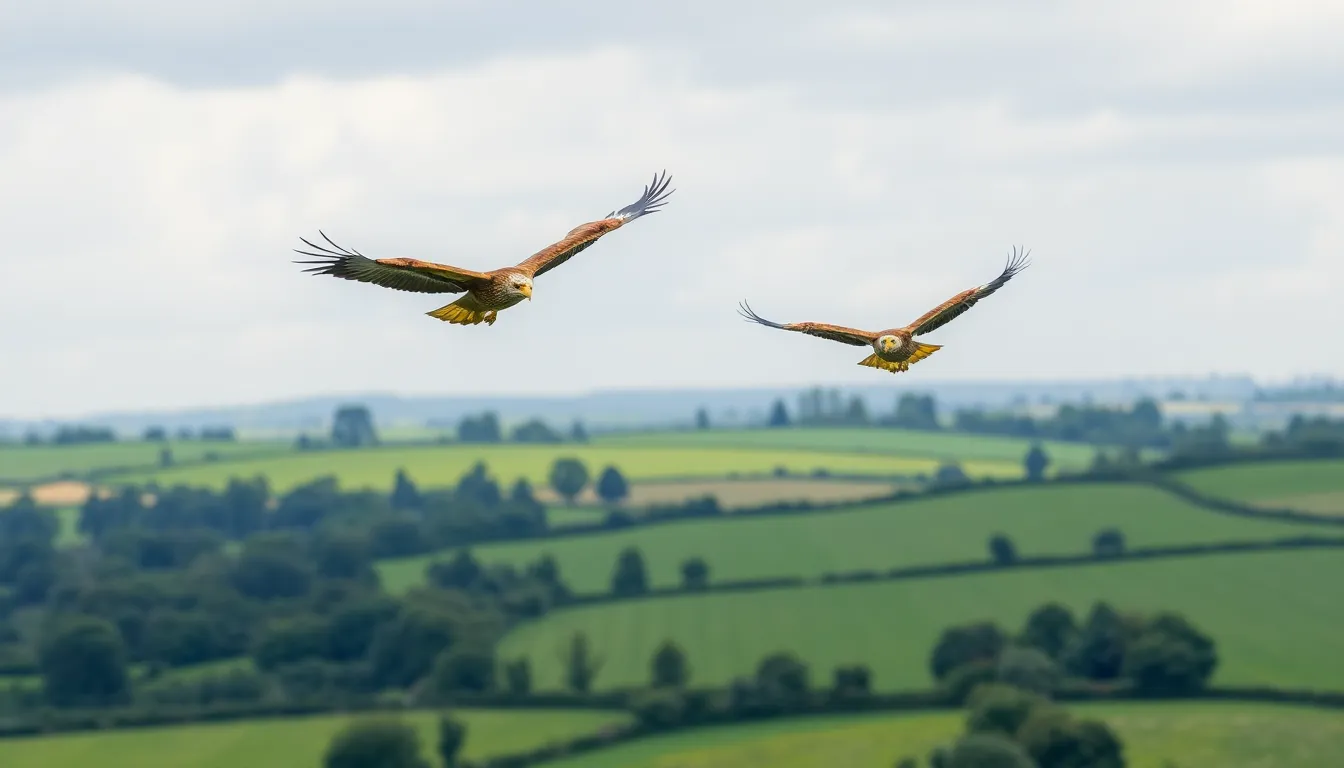
By the early 20th century, Golden eagles were largely confined to the remote areas of Scotland, where they found refuge in the mountainous terrains. Conservation efforts began to take shape in the mid-20th century, with various organizations working to protect their habitats and promote their recovery. The establishment of national parks and protected areas in Scotland provided a safe haven for these birds, leading to a gradual increase in their numbers.
Political and conservation milestones
The late 20th century saw a shift in public perception regarding wildlife conservation, with increasing recognition of the importance of biodiversity. In 1981, the Wildlife and Countryside Act was enacted, providing legal protection for Golden eagles and other birds of prey. This legislative framework marked a significant turning point, as it aimed to curb illegal persecution and promote conservation efforts across the UK.
In recent years, the reintroduction of Golden eagles into areas where they had previously vanished has gained momentum, driven by both ecological and social factors. Local communities and conservation groups have rallied behind these initiatives, seeing the return of the Golden eagle as a symbol of environmental restoration and a boost for eco-tourism. The UK government has recognized these efforts, pledging financial and logistical support to facilitate the successful return of Golden eagles to English skies, reflecting the broader landscape of changing public sentiment on various key issues.
The collaboration between government bodies, conservation organizations, and local communities marks a new chapter in the history of Golden eagles in the UK. This united approach not only aims to restore the population of these iconic birds but also fosters a deeper appreciation for the natural heritage of the region, highlighting the importance of sustainable practices in preserving wildlife for future generations.
Key stakeholders involved in the conservation efforts
The return of golden eagles to English skies has garnered significant attention from a variety of stakeholders, each with their own interests and concerns. Key actors in this initiative include government agencies, conservation organizations, local communities, and landowners. Understanding the dynamics between these groups is crucial for assessing the overall impact of the conservation efforts.
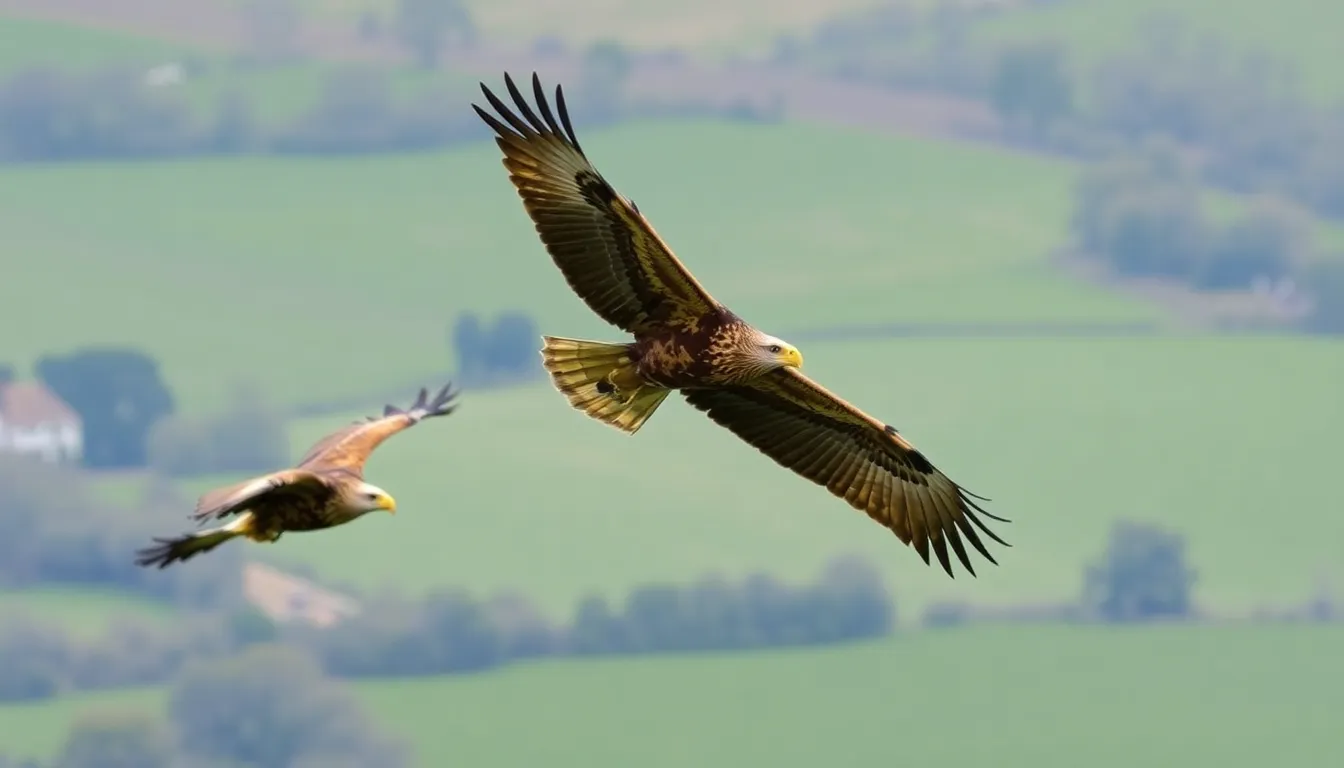
Government bodies, such as the Department for Environment, Food & Rural Affairs (DEFRA), play a pivotal role in supporting conservation policies and funding initiatives. Their interest lies in promoting biodiversity and enhancing the natural heritage of the country. However, balancing conservation efforts with agricultural and industrial interests can create tension, as land use policies may need to be adjusted to accommodate the needs of golden eagles.
Conservation organizations, including the Royal Society for the Protection of Birds (RSPB), advocate for the protection of golden eagles and their habitats. They aim to raise public awareness and secure funding for conservation projects. Their efforts may conflict with landowners who are concerned about the potential restrictions on land use that could arise from increased eagle populations.
- Local communities may benefit from eco-tourism associated with the presence of golden eagles, but they may also face challenges related to land management and wildlife interactions.
- Landowners might experience trade-offs between agricultural productivity and the conservation of eagle habitats, leading to potential economic impacts.
- Legal frameworks surrounding wildlife protection and land use regulations will influence how stakeholders navigate their interests and responsibilities.
Furthermore, public opinion plays a significant role in shaping the discourse around golden eagle conservation. While many support the initiative for its ecological benefits, there are concerns about the implications for rural livelihoods. The interplay of these interests highlights the complexity of achieving a balanced approach to wildlife conservation in England.
Impact on local ecosystems and communities
The return of Golden eagles to English skies is set to affect various groups and industries, particularly those involved in wildlife conservation, tourism, and agriculture. Local communities, especially in rural areas where these birds are likely to nest, will experience both opportunities and challenges as they adapt to the presence of this majestic species.
In the short term, wildlife conservation organizations may see increased funding and support as public interest in the Golden eagle’s recovery grows. This could lead to more initiatives aimed at preserving natural habitats and promoting biodiversity. Additionally, local tourism may benefit from the influx of birdwatchers and nature enthusiasts eager to catch a glimpse of these iconic birds.
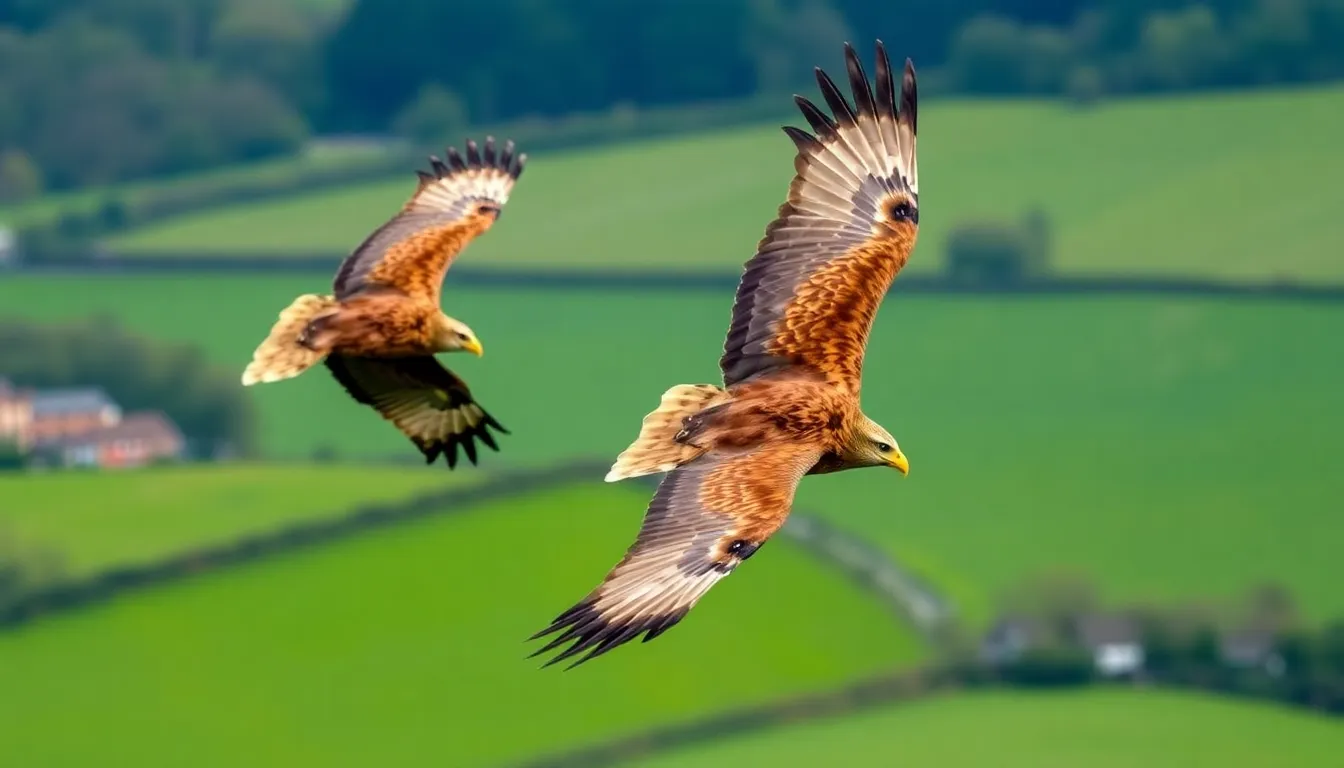
However, there are potential risks associated with the return of Golden eagles. Farmers and livestock owners may face challenges as these birds are known to prey on small mammals, which could impact local agricultural practices. This could lead to tensions between conservation efforts and farming communities, necessitating careful management and dialogue.
- Opportunities: Increased eco-tourism and conservation funding.
- Risks: Potential conflicts with agricultural interests.
- Policy Changes: Possible new regulations to protect nesting sites.
In the mid-term, policies may evolve to strike a balance between wildlife protection and agricultural needs. This could include developing guidelines for land use that accommodate both the needs of farmers and the conservation of Golden eagles. Ultimately, the impact of their return will require collaboration among stakeholders to ensure a sustainable coexistence.
A: Golden eagles are large birds of prey known for their powerful build and impressive flying skills. They are found in various habitats, including mountains and forests. A: The return of Golden eagles is significant as it indicates a recovery of wildlife populations and reflects successful conservation efforts. It also enhances biodiversity. A: The government is providing funding and resources for habitat restoration, monitoring programs, and public awareness campaigns to support the return of Golden eagles. A: Golden eagles face challenges such as habitat loss, human disturbance, and food scarcity. Conservation efforts aim to mitigate these issues. A: The public can get involved by participating in local conservation programs, volunteering for wildlife organizations, and spreading awareness about the importance of protecting Golden eagles.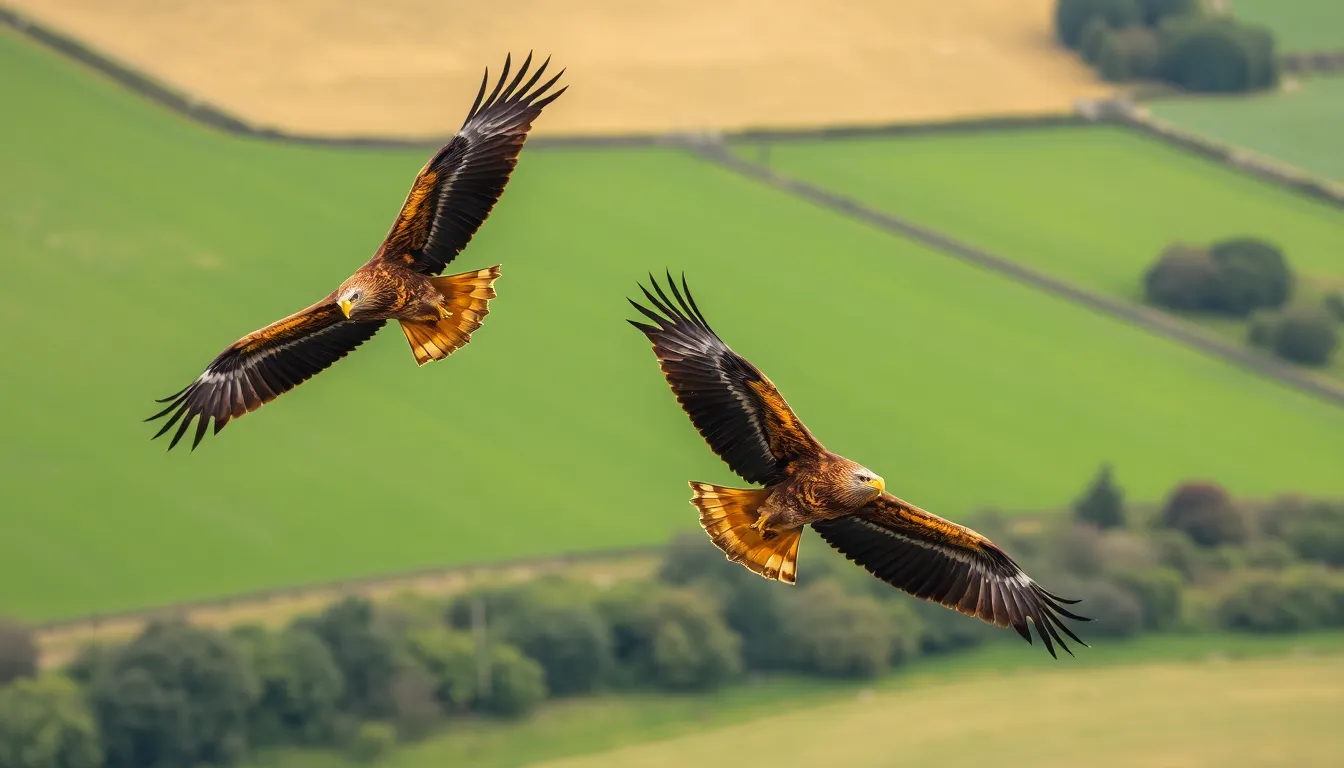
Frequently asked questions about Golden eagles
Future outlook for Golden eagles in England
The recent government backing for the return of Golden eagles to English skies marks a significant step in wildlife conservation efforts. This initiative not only aims to restore a native species but also highlights the growing recognition of the ecological importance of such apex predators in maintaining balanced ecosystems. The commitment to habitat restoration and protection will be crucial in ensuring the success of this program.
As the project unfolds, stakeholders must monitor the integration of Golden eagles into their new environments. This includes assessing their impact on local biodiversity, the potential for human-wildlife conflict, and the effectiveness of conservation measures implemented to support their populations. The collaboration between government bodies, conservationists, and local communities will be vital in fostering a sustainable coexistence.
- Habitat Restoration: Continued efforts will be necessary to restore and protect habitats that support Golden eagle populations.
- Monitoring Programs: Establishing robust monitoring systems will help track the health and behavior of reintroduced eagles.
- Community Engagement: Involving local communities in conservation initiatives can mitigate potential conflicts and enhance public support.
- Ecological Impact: Observing the ecological effects of Golden eagles on local wildlife can provide insights into their role in ecosystem dynamics.
- Policy Development: Ongoing government support and policy development will be essential to ensure the long-term viability of Golden eagle populations.