
This trend has been fueled by the release of blockbuster films that resonate with younger audiences, such as the highly anticipated sequels and adaptations. Movies like “Spider-Man: Beyond the Spider-Verse” and “The Hunger Games: The Ballad of Songbirds and Snakes” have been particularly successful, drawing in crowds eager for both nostalgia and new storytelling.
Moreover, social media platforms, especially TikTok, have become instrumental in shaping viewing habits among Gen Z. Viral trends and challenges related to films have encouraged younger viewers to flock to theaters, creating a buzz that traditional marketing strategies often fail to achieve.
The shift in demographics is not just a fleeting trend; it reflects a broader cultural change in entertainment consumption. As younger audiences prioritize experiences over material goods, the cinema experience is becoming a preferred choice for social outings, further solidifying their influence on the box office landscape.
Understanding the cultural shift in movie-going habits
The landscape of cinema has undergone significant transformation over the past few decades, with a particular shift in audience demographics. Historically, movie-going was dominated by older generations, with box office revenues largely reliant on the preferences of Baby Boomers and Generation X. However, as the digital age progressed, a new generation emergedGeneration Zwho are reshaping how films are consumed and appreciated.
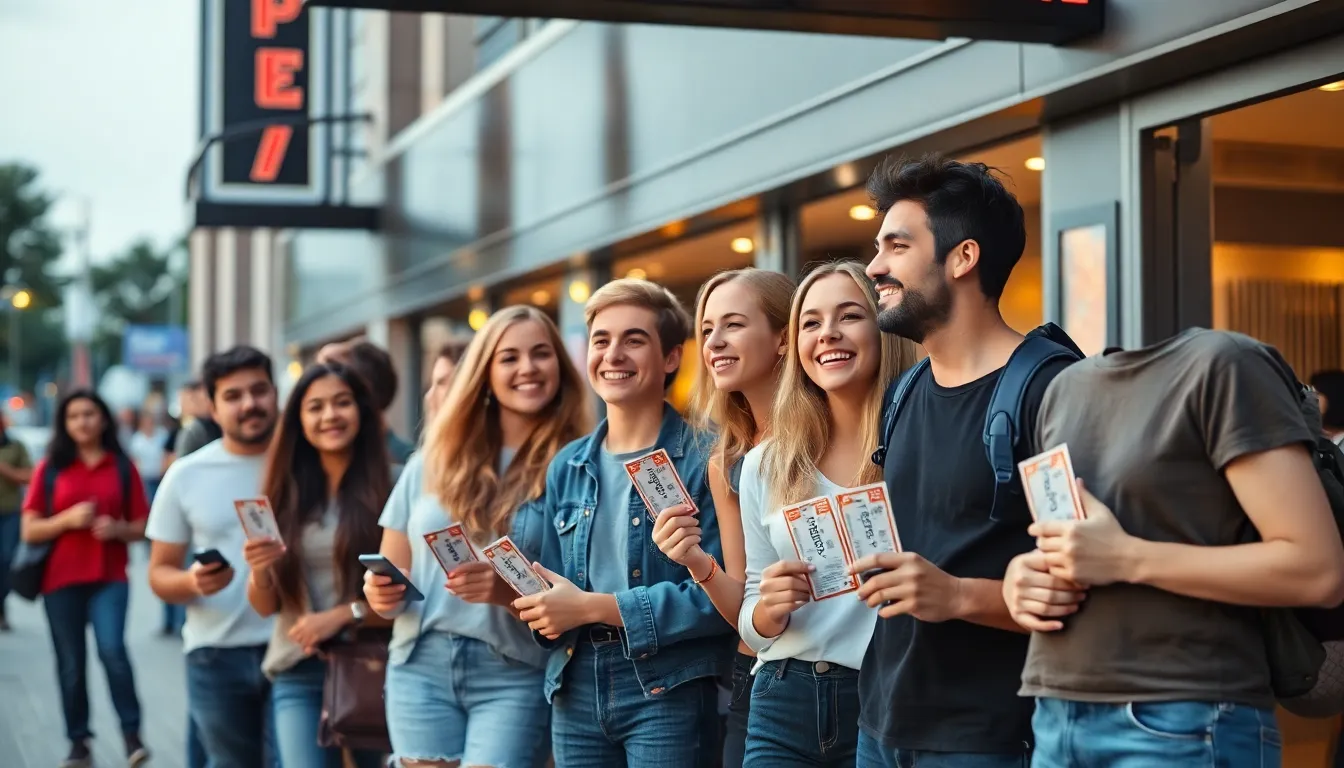
One key factor contributing to this shift is the rise of digital technology and social media. Gen Z, born between the late 1990s and early 2010s, has grown up in an era where streaming platforms and social media have become integral to their daily lives. This accessibility has not only changed how films are distributed but has also influenced the types of stories that resonate with younger audiences. As a result, filmmakers are increasingly catering to the tastes of Gen Z, focusing on diverse narratives and relatable characters.
The Impact of the Pandemic
The COVID-19 pandemic further accelerated changes in movie-going habits. With theaters closing and many films being released directly to streaming services, Gen Z adapted quickly to new viewing habits. The pandemic highlighted the importance of flexibility in consumption, pushing younger audiences to seek out films that align with their values and preferences. This shift has led to a resurgence in box office revenues as theaters reopened, with Gen Z leading the charge back to cinemas.
Moreover, the economic landscape has also played a role in this cultural shift. As Gen Z enters the workforce, their spending power is increasing, making them a vital demographic for the film industry. Their willingness to spend on experiences, such as going to the movies, contrasts with older generations who may prioritize other forms of entertainment. This change in spending habits has prompted studios to invest more in content that appeals to younger viewers.
In summary, the combination of technological advancements, the impact of the pandemic, and evolving economic factors has culminated in a significant cultural shift in movie-going habits. As Gen Z continues to assert their influence over the box office, understanding their preferences and motivations will be crucial for the future of cinema.
Key factors driving Gen Z’s movie preferences
As Gen Z emerges as a significant force in the movie industry, understanding the stakeholders involved is crucial. This demographic, typically defined as those born between 1997 and 2012, has distinct preferences that influence box office trends, including film studios, streaming platforms, social media influencers, and the audience itself.
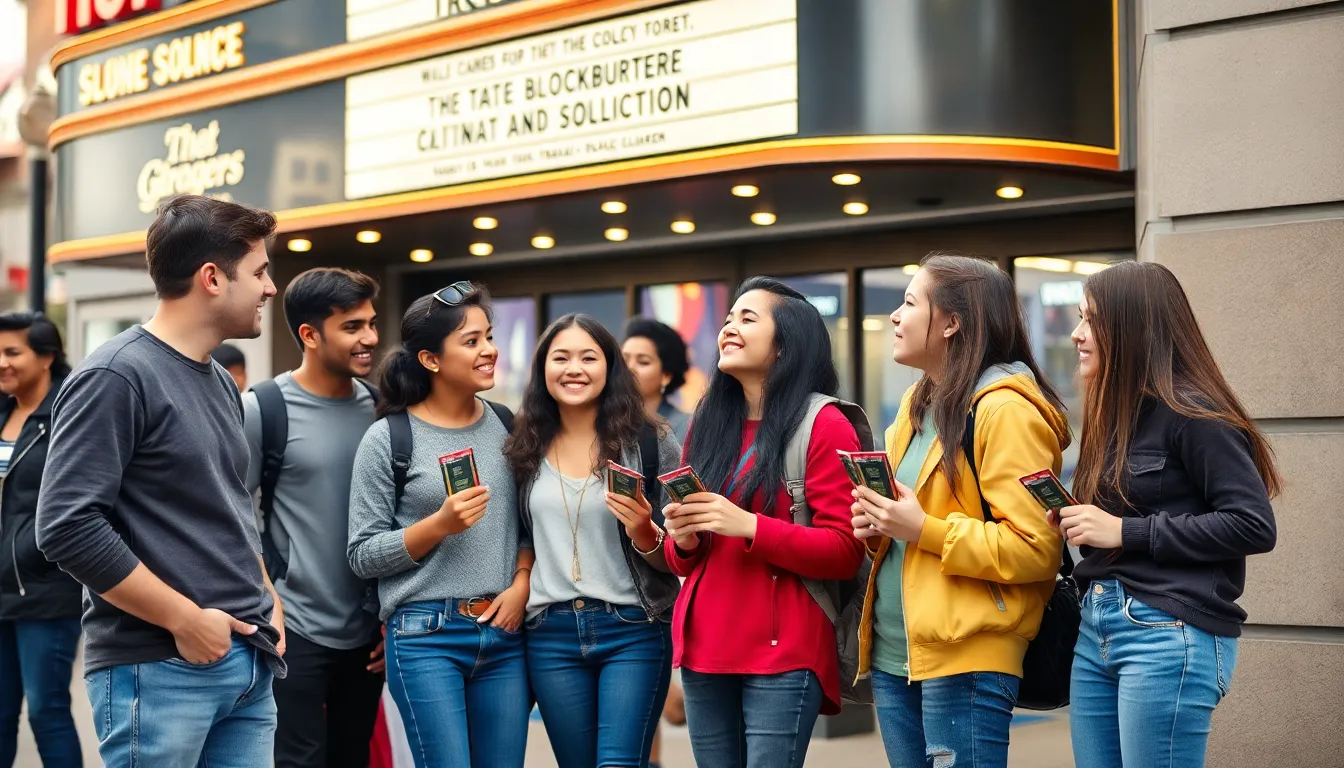
Film studios are keenly interested in capturing the attention of Gen Z, as their spending power grows. They are increasingly investing in content that resonates with this audience, focusing on themes such as diversity, mental health, and social justice. Streaming platforms like Netflix and Disney+ also play a vital role, offering on-demand content that aligns with Gen Z’s viewing habits.
Conflicts arise as traditional cinemas compete with the convenience of streaming services. Many Gen Z viewers prefer watching movies at home, leading to a trade-off for theaters that must innovate to attract younger audiences. This has resulted in a push for enhanced viewing experiences, such as immersive technologies and unique event screenings.
Key legal and economic issues also come into play, particularly concerning copyright and distribution rights. As studios experiment with simultaneous releases on streaming platforms and in theaters, the traditional windowing model is being challenged. This shift raises questions about revenue sharing and the sustainability of both theaters and streaming services.
- Film studios are investing in diverse storytelling to engage Gen Z.
- Streaming services are reshaping how movies are consumed, impacting traditional theaters.
- Innovative viewing experiences are essential for theaters to remain competitive.
- Legal disputes over distribution rights are becoming more common as models evolve.
- The economic landscape is shifting, requiring adaptation from all stakeholders.
The implications for the film industry and marketers
The rise of Gen Z as a dominant force in the movie-going audience presents significant implications for various stakeholders within the film industry. This demographic, characterized by its digital savviness and unique preferences, is reshaping how films are marketed, produced, and distributed. As younger audiences increasingly drive box office sales, traditional marketing strategies may no longer suffice.
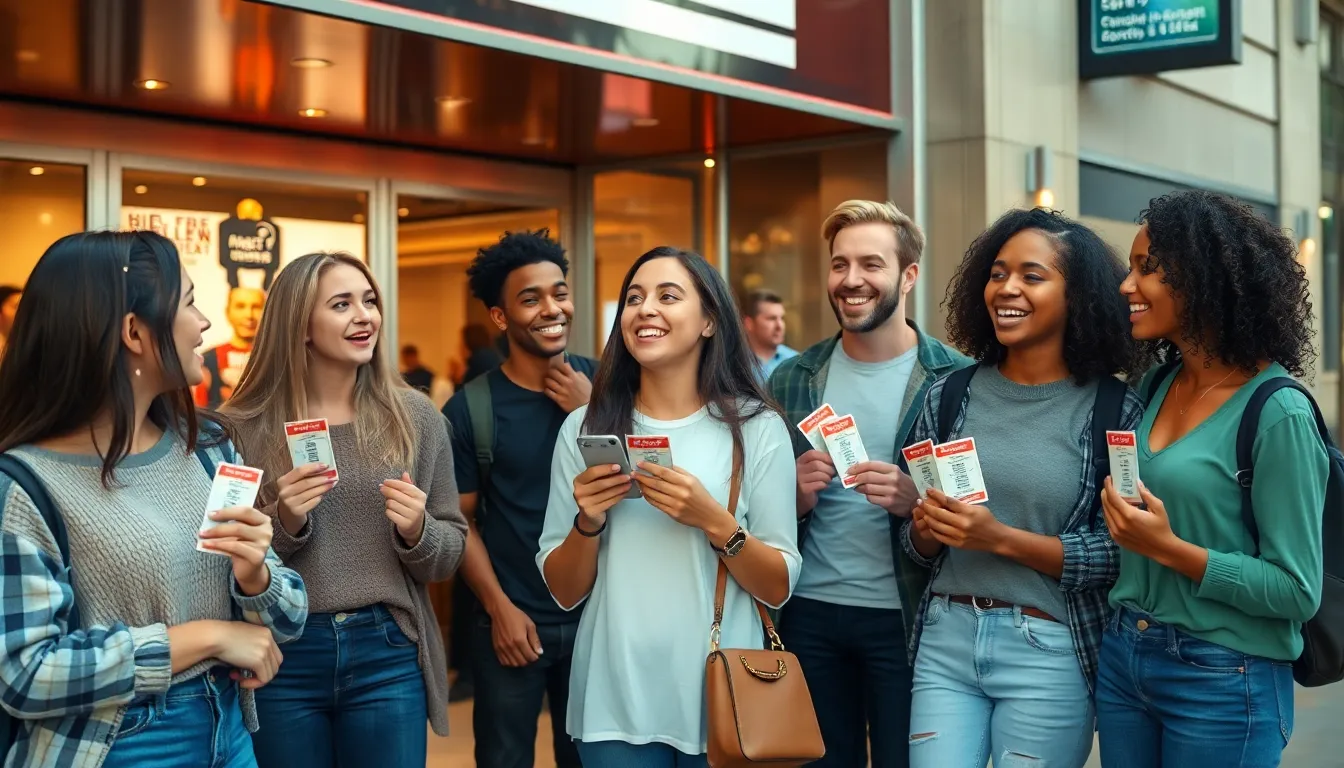
Several groups are affected by this shift, including filmmakers, production studios, and marketers. Additionally, ancillary industries such as streaming services, merchandise providers, and local cinemas will feel the impact as they adapt to the changing landscape. Regions with a high concentration of Gen Z populations, such as urban centers and college towns, may experience a surge in movie-related activities and events.
In the short term, businesses may need to pivot quickly to cater to Gen Z’s preferences. This could involve enhancing social media engagement, creating interactive content, and focusing on diversity and representation in film narratives. The mid-term impact might see a shift in production budgets, with studios investing more in projects that resonate with younger audiences, ultimately leading to a more diverse range of films.
- Risks: Ignoring Gen Z’s preferences could result in box office failures and declining market shares for traditional studios.
- Opportunities: Brands that successfully engage with this audience can cultivate loyalty and drive higher ticket sales.
- Policy Changes: Film festivals and awards may adapt criteria to highlight films appealing to younger viewers.
As Gen Z continues to influence the film industry, the potential for innovation and growth is significant. However, adapting to their preferences will require a concerted effort from all stakeholders involved in the cinematic experience.
A: Gen Z is influenced by social media, relatable content, and diverse representation in films. They tend to prefer movies that reflect their values and experiences. A: Gen Z is attending movies at a higher rate than older generations, often prioritizing cinematic experiences over streaming options. A: Gen Z shows a preference for genres like fantasy, action, and films with strong social messages, often gravitating towards blockbusters and franchise films. A: Filmmakers are focusing on authentic storytelling, incorporating technology, and engaging with audiences through social media campaigns to attract Gen Z. A: Social media platforms are crucial for Gen Z, as they often discover new films through influencers and viral trends, significantly impacting their viewing choices.
Frequently Asked Questions about Gen Z and Movies
Future trends and key takeaways from the study
The recent study highlights a significant shift in the movie-going demographic, with Gen Z emerging as a pivotal audience driving box office revenues. Their unique preferences and consumption habits suggest that the film industry must adapt to meet the expectations of younger viewers, who prioritize authenticity, diversity, and immersive experiences.
As this generation continues to shape the entertainment landscape, industry stakeholders should consider how to cultivate engagement with this audience. Understanding their values and motivations will be essential for filmmakers and marketers aiming to capture their attention and loyalty in an increasingly competitive market.
- Embrace Diversity: Films that reflect diverse stories and characters are more likely to resonate with Gen Z audiences.
- Leverage Social Media: Engaging marketing strategies on platforms like TikTok and Instagram can enhance visibility and appeal to younger viewers.
- Focus on Experiences: Creating immersive and interactive movie experiences can attract Gen Z, who value participation over passive consumption.
- Prioritize Authenticity: Genuine storytelling that aligns with Gen Z’s values will foster stronger connections and drive box office success.