
Recent protests have highlighted the growing discontent among the youth, particularly Generation Z, who are demanding greater political freedoms and transparency. This demographic played a pivotal role in mobilizing public sentiment during the 2013-2014 protests against the government, and their influence is expected to be a key factor in the upcoming elections, particularly when considering the challenges faced by other countries.
Despite the momentum from younger voters, the political landscape remains dominated by the old guard. Analysts suggest that the Awami League’s established networks and control over state resources may give it an advantage in the elections, potentially undermining the efforts of the opposition. The party’s historical stronghold on power since 2009 poses a significant challenge for any emerging political movements.
The international community is closely monitoring the situation, with concerns about the fairness of the electoral process and the potential for civil unrest. As tensions rise, the outcome of the elections could have profound implications for Bangladesh’s democratic future and its socio-political stability.
Historical context of political power in Bangladesh
Bangladesh has a complex political history marked by a struggle for independence, military coups, and the rise of political dynasties. Following its liberation from Pakistan in 1971, the country faced a tumultuous journey towards democracy, with the early years characterized by political instability and the imposition of martial law. The subsequent return to democratic governance in the late 1980s saw the emergence of two dominant political parties: the Awami League, led by Sheikh Hasina, and the Bangladesh Nationalist Party (BNP), led by Khaleda Zia.
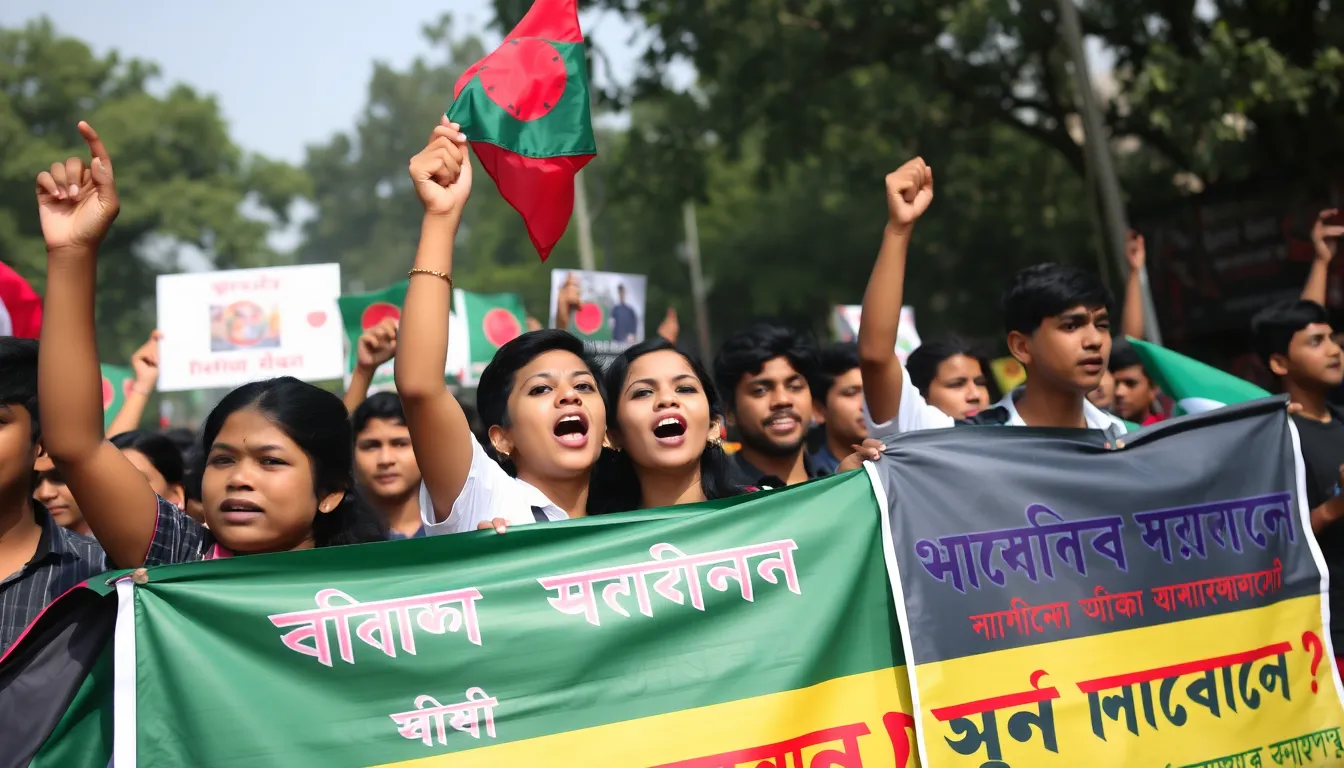
The political landscape has often been polarized, with both parties engaging in fierce rivalry and accusations of corruption and authoritarianism. This has fostered a culture of political violence and unrest, as seen during the 2014 and 2018 elections, which were marred by allegations of vote rigging and suppression of dissent. The ruling Awami League, in particular, has been criticized for consolidating power and undermining democratic institutions, leading to widespread discontent among the younger population.
In recent years, the rise of Generation Z has brought a new dynamic to Bangladeshi politics. This cohort, which has grown up in a digital age, is more politically aware and engaged than previous generations. The youth have utilized social media platforms to mobilize protests, demand accountability, and challenge the status quo. The 2018 student protests, sparked by a tragic road accident that claimed the lives of two students, exemplified the power of this generation to rally against perceived injustices and demand reform, similar to movements happening in other parts of the world, such as in Venezuela.
Economic factors influencing political change
The economic landscape of Bangladesh has also played a crucial role in shaping political sentiments. With rapid economic growth and a burgeoning middle class, the expectations of the youth have evolved. Many young people are frustrated by the lack of job opportunities and the perceived corruption within the political system. This economic discontent has fueled calls for change, as the younger generation seeks a government that can address their needs and aspirations.
As the 2024 elections approach, the tension between the old guard and the rising influence of Gen Z will be a pivotal factor. While the established political elites may still hold significant power, the potential for a shift in the political landscape is becoming increasingly apparent, as the youth demand a more inclusive and accountable governance structure, reflecting a broader trend seen in various global contexts, as noted in discussions about economic growth.
Key stakeholders and issues at play in the elections
The upcoming elections in Bangladesh present a complex landscape shaped by various stakeholders, each with distinct interests and motivations. The primary actors include the ruling Awami League, led by Prime Minister Sheikh Hasina, the opposition Bangladesh Nationalist Party (BNP), and the youth-driven movements largely represented by Gen Z activists. Each group plays a critical role in the electoral dynamics, influencing voter sentiments and shaping the political narrative.
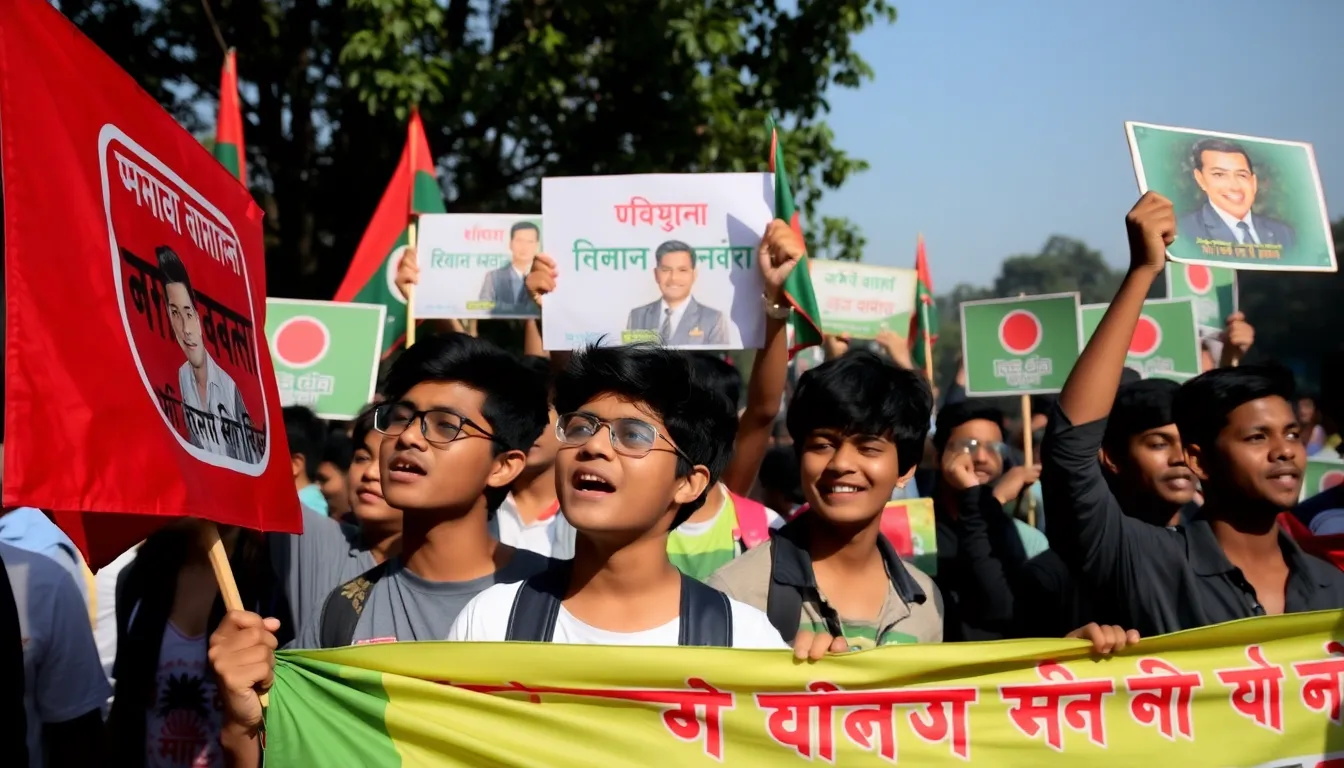
The Awami League, having been in power for over a decade, aims to maintain its grip on governance amidst growing discontent. The party’s interest lies in consolidating power while managing economic challenges and public dissatisfaction. In contrast, the BNP seeks to capitalize on the disillusionment of the electorate, advocating for democratic reforms and greater political freedom. The party’s historical grievances and calls for accountability resonate with voters seeking change.
Meanwhile, Gen Z activists have emerged as a formidable force, leveraging social media to mobilize support and challenge the status quo. Their interests focus on issues such as climate change, social justice, and political transparency. This demographic’s engagement in the electoral process reflects a broader desire for representation and accountability, positioning them as key influencers in shaping electoral outcomes.
- Conflict of Interests: The ruling party’s desire to maintain power often clashes with the opposition’s push for democratic reforms, creating a polarized political environment.
- Economic Issues: Economic stability and job creation are paramount concerns for voters, influencing their choices and the overall electoral landscape.
- Youth Engagement: The rise of Gen Z activism highlights a generational shift in political engagement, challenging traditional power structures.
- Legal Challenges: Potential legal disputes over election conduct and voter suppression tactics may arise, further complicating the electoral process.
- International Influence: The role of foreign governments and organizations in advocating for democratic practices may impact local political dynamics.
How the elections will affect the youth and the country
The recent political shifts in Bangladesh, particularly the role of Gen Z in challenging the autocratic regime, have significant implications for various groups and sectors. The youth, who have been at the forefront of this movement, are poised to influence not only the political landscape but also social norms and economic opportunities in the country.
In the short term, the elections may lead to heightened political engagement among the youth, resulting in increased activism and participation in governance. This newfound enthusiasm can reshape public policy, particularly in areas such as education, employment, and digital rights, as young voters demand accountability and transparency from their leaders.
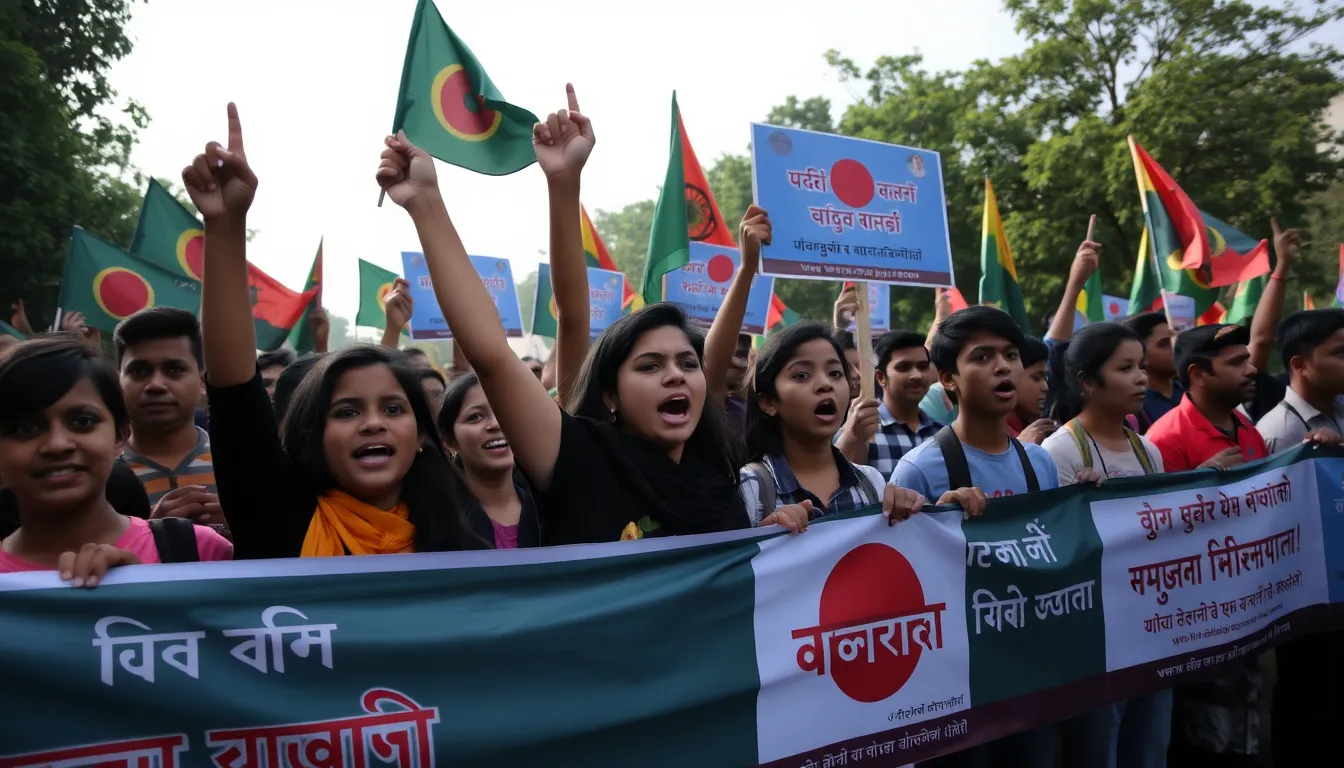
Industries such as technology and social media are likely to experience a surge in innovation and investment, driven by the aspirations of the younger generation. As Gen Z continues to advocate for change, businesses that align with their valuessuch as sustainability and social justicecould find new opportunities for growth.
- Risks: The potential for political instability could deter foreign investment and disrupt local markets.
- Opportunities: A shift towards progressive policies may foster a more vibrant entrepreneurial ecosystem.
- Social Change: Increased activism could lead to more inclusive policies that address the needs of marginalized communities.
In the mid-term, the impact of these elections could redefine the relationship between the government and its citizens, especially the youth. If the old guard regains power, there may be a pushback against progressive reforms, leading to a possible resurgence of autocratic practices. Conversely, if the youth’s influence continues to grow, it may pave the way for a more democratic and participatory political environment.
A: Gen Z is becoming increasingly influential in Bangladesh’s political scene, advocating for change and challenging the status quo. Their engagement in social media and activism is reshaping the political landscape. A: The old guard has established political networks and resources that give them a significant advantage. Despite Gen Z’s enthusiasm, the entrenched political elite may still dominate due to their experience and organizational strength. A: Young voters are primarily concerned with issues like unemployment, education reform, and climate change. These topics resonate deeply with Gen Z and are driving their participation in the electoral process. A: If Gen Z continues to mobilize and engage politically, they could reshape future elections significantly. Their ability to organize and advocate for their interests may lead to lasting changes in the political landscape. A: Gen Z faces challenges such as voter suppression, lack of resources, and skepticism from older generations. Overcoming these barriers will be crucial for their impact in the elections.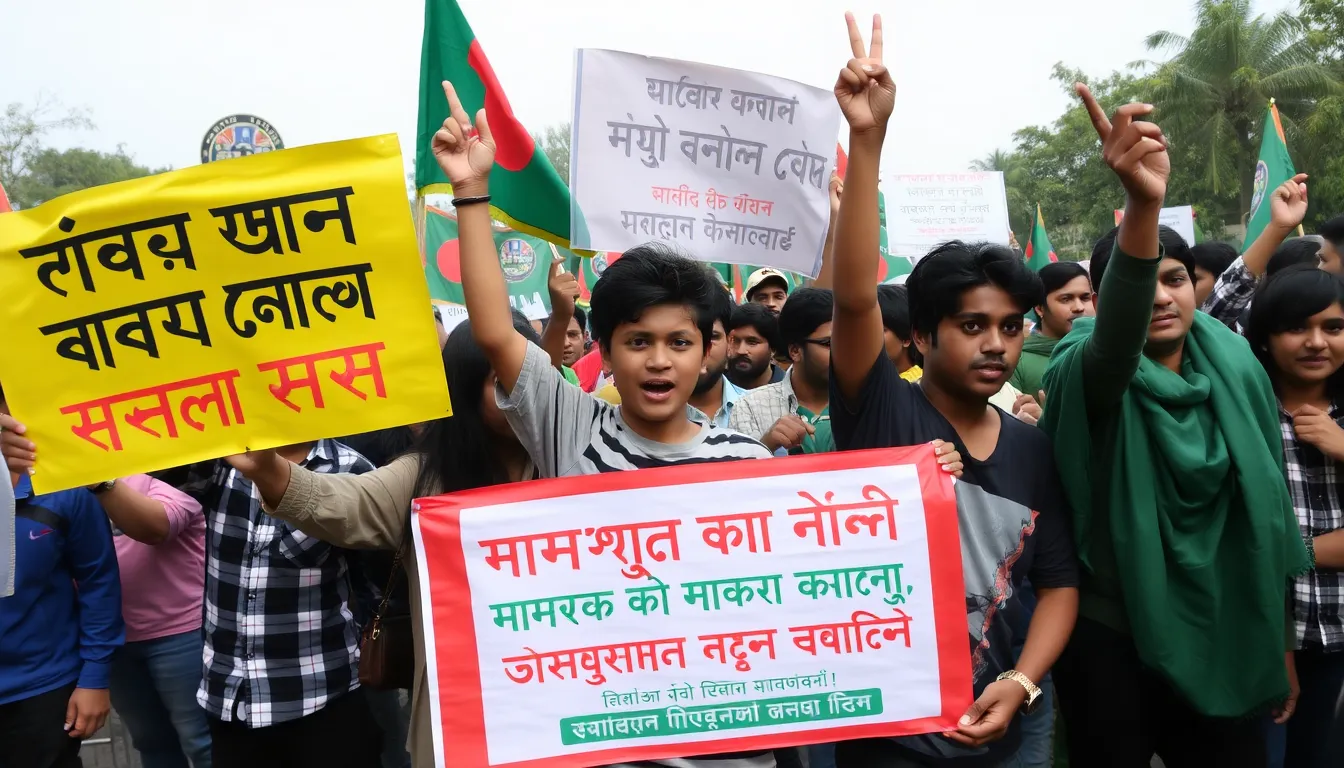
Frequently asked questions about the elections
Key takeaways and future outlook for Bangladesh
The recent political developments in Bangladesh highlight a significant shift in the power dynamics, particularly with the rise of Gen Z’s influence in the political landscape. While the young electorate has demonstrated the capacity to challenge established norms and topple long-standing leaders, the upcoming elections suggest a potential resurgence of the old guard. This juxtaposition of youthful activism against entrenched political structures presents both challenges and opportunities for the future of governance in Bangladesh.
As the nation approaches the elections, several factors will be critical in determining the trajectory of its political landscape. The engagement of younger voters, the strategies employed by traditional parties, and the overall socio-economic climate will play pivotal roles in shaping the outcomes. Observers should remain vigilant as these elements unfold, influencing not only the immediate electoral results but also the long-term implications for democratic governance in Bangladesh.
- The mobilization of Gen Z voters could reshape political strategies, compelling traditional parties to adapt or risk obsolescence.
- The response of the old guard to Gen Z’s activism will reveal their capacity for reform and adaptation in a changing political environment.
- International observers and local civil society will need to monitor the electoral process closely to ensure transparency and fairness.
- The socio-economic issues, particularly job creation and education, will remain central to the political discourse, influencing voter sentiment.
- The outcome of these elections may set a precedent for future generations, impacting political engagement and civic participation in Bangladesh.