
Fnatic secured their spot after a decisive victory against Team Liquid on March 15, 2026, which marked their fifth consecutive win in the group stage. Meanwhile, FUT followed suit by defeating NAVI on the same day, solidifying their position at the top of the standings. Both teams have demonstrated exceptional skill, making them formidable contenders as the playoffs approach. For more insights into emerging talents in the esports scene, check out our article on Punk dominating Street Fighter 6.
The playoffs are set to commence on March 25, 2026, and will feature the top teams from the EMEA region competing for a chance to advance to the global stage. The success of Fnatic and FUT not only showcases their individual talents but also raises the stakes for the remaining teams, who are now vying for the last available playoff spots.
This early qualification is a testament to the evolving landscape of competitive Valorant, where consistency and adaptability are paramount. As fans eagerly anticipate the playoffs, the performances of Fnatic and FUT will be closely scrutinized, as both teams aim to secure their legacies in the ongoing tournament.
Understanding the significance of VCT EMEA Stage 1 2026
The Valorant Champions Tour (VCT) has rapidly evolved into one of the most prestigious esports leagues since its inception, showcasing top-tier talent and competitive gameplay. The EMEA (Europe, the Middle East, and Africa) region has been particularly influential in shaping the landscape of competitive Valorant, with teams like Fnatic and FUT leading the charge. Their recent achievement of securing playoff spots in the VCT EMEA Stage 1 2026 marks a significant milestone not only for the teams but also for the region as a whole. If you’re interested in how other esports tournaments are shaping up, you can read about the PGL and StarLadder Open 2026.
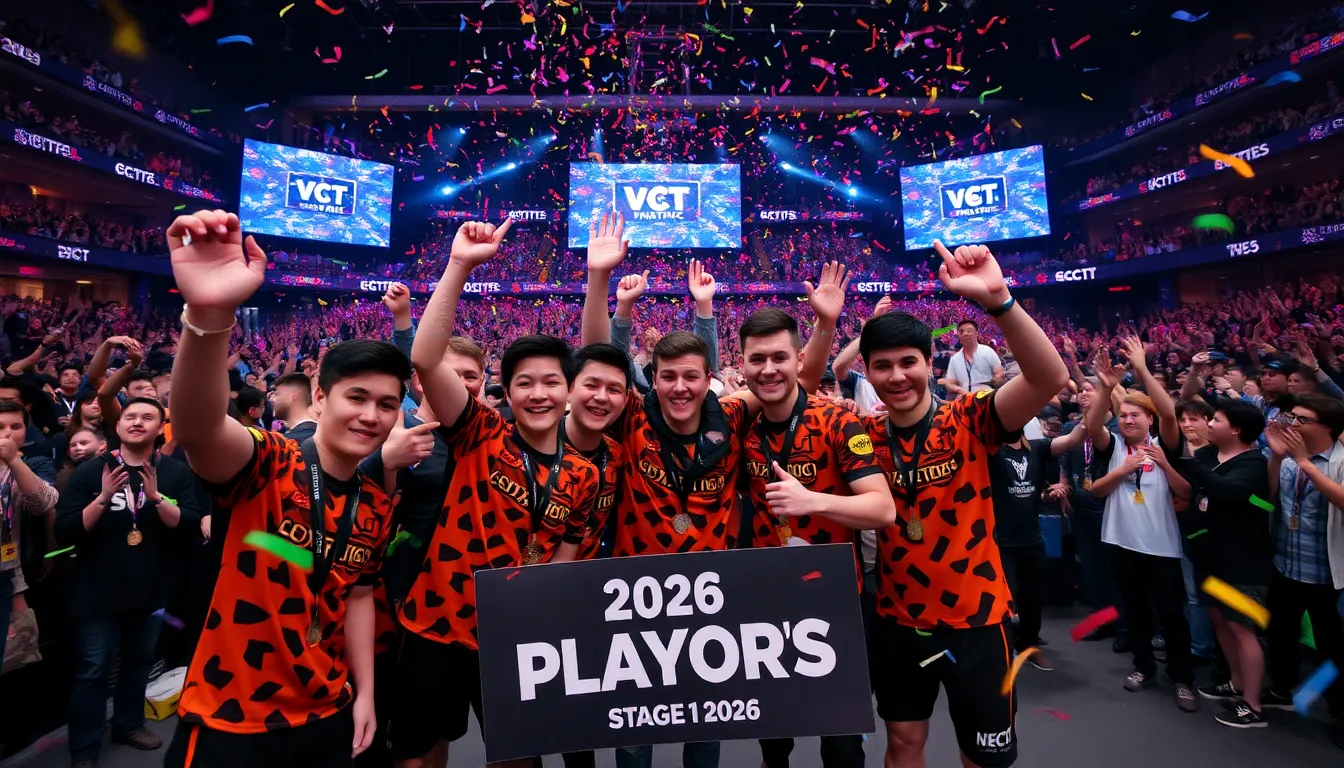
Historically, Fnatic has been a dominant force in esports, with a legacy that spans various titles, including League of Legends and Counter-Strike: Global Offensive. Their transition into Valorant was met with high expectations, and they have consistently delivered exceptional performances. Similarly, FUT has emerged as a formidable competitor in the Valorant scene, showcasing the growing depth of talent within the EMEA region. The success of these teams reflects the increasing investment in esports and the rising popularity of Valorant as a competitive title.
The Competitive Landscape of Valorant
The competitive landscape of Valorant has seen significant changes since its launch in 2020. The establishment of the VCT provided a structured framework for teams to compete at various levels, culminating in international tournaments. The EMEA region, in particular, has become a hotbed for talent, with numerous organizations investing in player development and infrastructure. The achievements of Fnatic and FUT in securing playoff spots highlight the intense competition and the high stakes involved in the VCT.
Key milestones in the VCT’s history, such as the introduction of the Stage 1 tournaments and the expansion of team slots, have contributed to the current competitive environment. As teams vie for dominance, the performances of Fnatic and FUT serve as a testament to their strategic prowess and adaptability. Their success not only elevates their respective organizations but also sets a benchmark for aspiring teams within the region.
In conclusion, the accomplishment of Fnatic and FUT in locking their playoff spots is a reflection of both their hard work and the vibrant esports ecosystem in the EMEA region. As the VCT continues to grow, the implications of this success will resonate throughout the competitive Valorant community, inspiring future generations of players and teams. For a broader perspective on how different wildlife initiatives are gaining attention globally, consider reading about the historic return of endangered antelopes to Kenya.
Key players and strategies that led to their success
The recent achievement of Fnatic and FUT in securing their playoff spots for the VCT EMEA Stage 1 2026 has drawn significant attention within the esports community. Several key players and organizations have played critical roles in this success, each with their own interests and strategies.
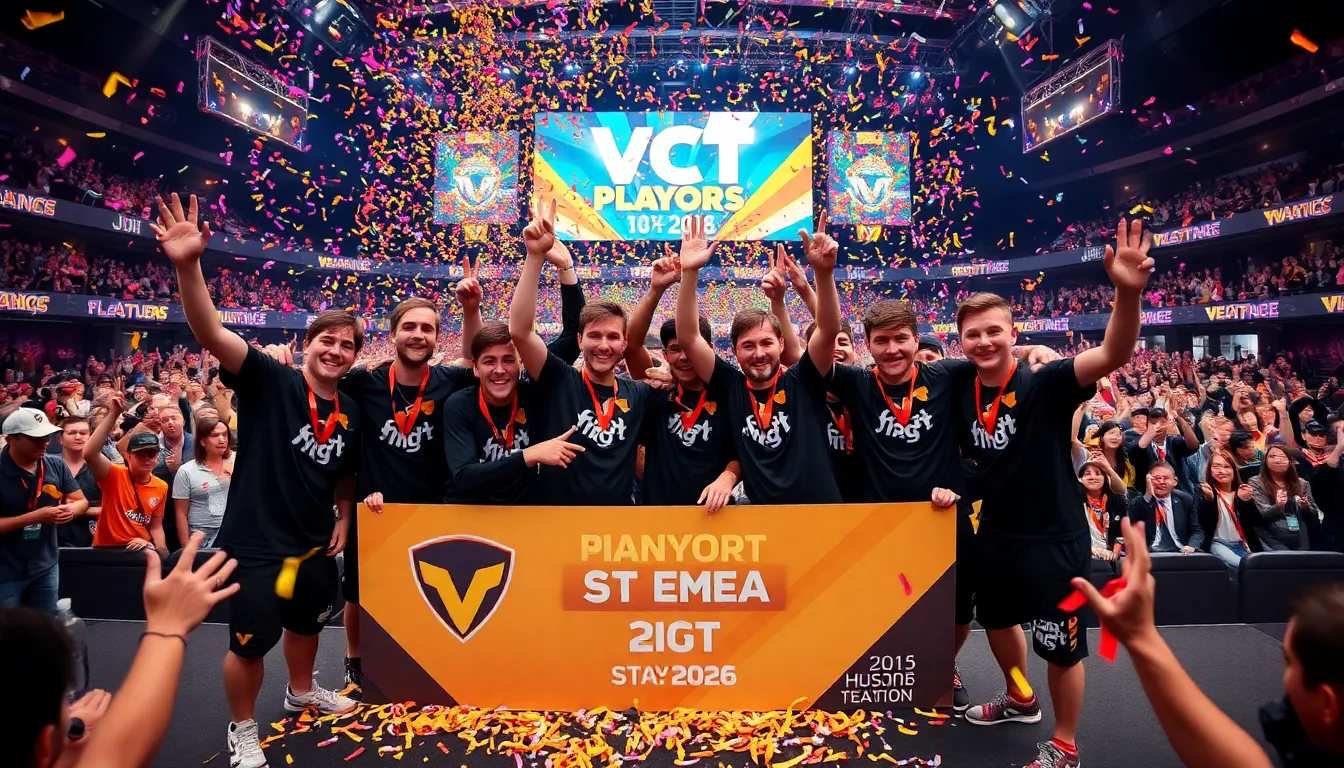
Fnatic, a well-established esports organization, has a vested interest in maintaining its dominance in the competitive scene. Their investment in player development and coaching staff has proven effective, allowing them to foster talent and adapt to the evolving game meta. Meanwhile, FUT, a rising contender, aims to solidify its position in the esports hierarchy, leveraging strategic partnerships and innovative training methods to enhance performance.
Both teams operate in a highly competitive environment where sponsorship deals, fan engagement, and media rights are crucial economic factors. The stakes are high, as success in this tournament can lead to increased revenue streams and greater visibility in the esports landscape. However, this also creates conflicts, particularly in terms of resource allocation and team dynamics.
- Player Recruitment: The competition for top talent can lead to conflicts between teams, impacting their roster decisions.
- Sponsorship Agreements: Teams must navigate the complexities of sponsorship deals, balancing financial interests with brand alignment.
- Fan Engagement: Both teams are focused on building a loyal fan base, but differing strategies may lead to rivalry and conflict.
- Coaching Strategies: Differences in coaching philosophies can create internal tensions, affecting team cohesion.
- Market Positioning: As both teams strive for market dominance, their strategies may clash, influencing their long-term viability.
In summary, the interplay between these key players and their respective strategies highlights the multifaceted nature of success in esports. The interests of each organization not only drive their individual pursuits but also shape the competitive landscape as a whole.
The implications for the teams and the competitive landscape
The qualification of Fnatic and FUT for the VCT EMEA Stage 1 2026 playoffs marks a significant milestone in the esports arena, particularly within the Valorant competitive scene. This achievement not only highlights the skill and dedication of these teams but also sets a precedent for other organizations aiming to elevate their performance in the industry. As these teams gain recognition, various stakeholders in the esports ecosystem, including sponsors, fans, and media, are likely to be affected.
In the short term, the success of Fnatic and FUT can lead to increased visibility and sponsorship opportunities. Brands looking to connect with the growing gaming audience may see these teams as valuable partners. This could result in enhanced marketing campaigns and promotional events, benefiting both the teams and their sponsors. Additionally, fans may experience heightened engagement through events, merchandise, and exclusive content, further solidifying their loyalty to these teams.
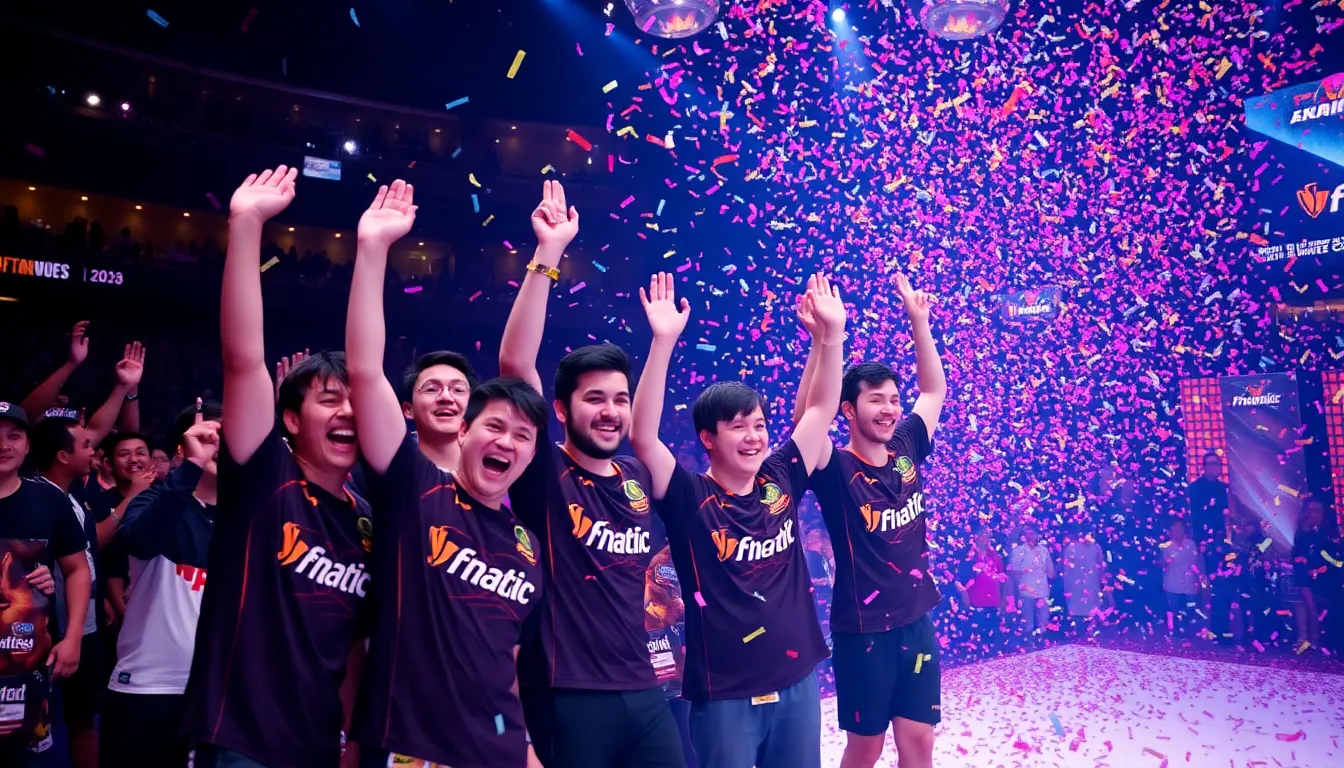
In the mid-term, the impact extends beyond just the teams themselves. The competitive landscape of esports could witness a shift as more organizations invest in talent development and training facilities to compete at higher levels. This could lead to a more robust ecosystem with improved player support and infrastructure. However, this growth also poses risks, such as increased competition for sponsorships and market share, which could strain smaller teams and organizations lacking resources.
- Increased sponsorship opportunities for successful teams.
- Heightened fan engagement through events and exclusive content.
- Potential for a more robust esports ecosystem with better player support.
- Risks of increased competition for smaller teams.
Overall, the implications of Fnatic and FUT’s success are multifaceted, presenting both opportunities and challenges. As the esports industry continues to evolve, the actions taken by these teams will likely influence the strategies of others, shaping the future of competitive gaming in the region.
A: Securing playoff spots means that both teams have demonstrated consistent performance throughout the tournament, allowing them to compete for the championship title. A: The playoff format typically involves a knockout stage where the top teams compete in a series of matches to determine the overall champion. A: Both teams will focus on refining their strategies and preparing for the intense competition that awaits them in the playoffs. A: This achievement will likely boost their rankings and enhance their reputation in the competitive scene, attracting more fans and sponsorships. A: Yes, other teams still have opportunities to qualify based on their performance in the remaining matches of the tournament.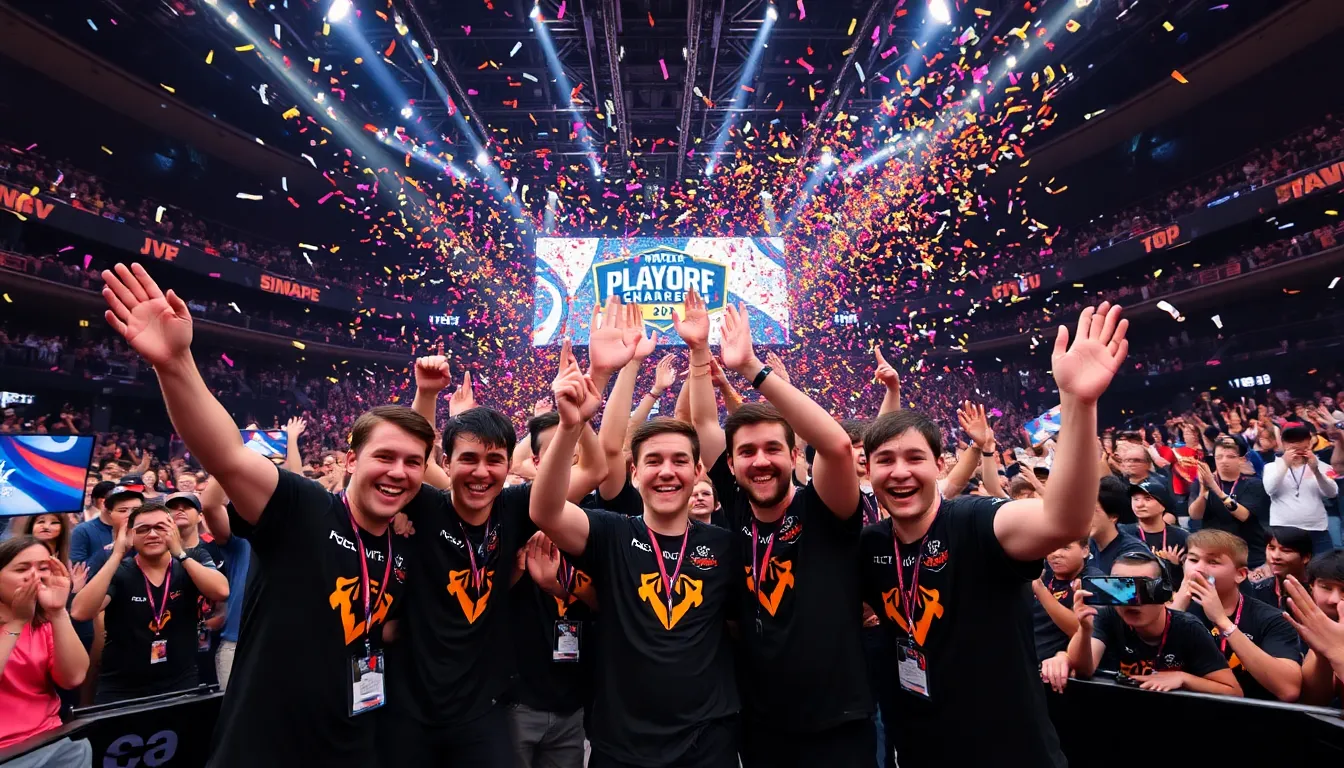
Frequently asked questions about the VCT EMEA Stage 1 2026
Looking ahead to the playoffs and future competitions
The qualification of Fnatic and FUT for the VCT EMEA Stage 1 playoffs marks a significant milestone in the competitive landscape of Valorant. Their performances throughout the stage have not only demonstrated their strategic prowess but also set a high standard for other teams aiming to secure playoff spots in future competitions. As the playoffs approach, the focus will shift to how these teams adapt their strategies against formidable opponents in high-stakes matches.
Additionally, their success could influence roster decisions and training approaches among other teams in the league. The implications of their gameplay styles and strategies will likely be analyzed extensively, potentially shaping the meta as teams prepare for upcoming tournaments. Keeping an eye on their adaptability and performance under pressure will be crucial for understanding the evolving dynamics of the league.
- Fnatic and FUT’s strategies will serve as case studies for other teams aiming for playoff success.
- Watch for potential shifts in team rosters as organizations assess their competitiveness based on playoff outcomes.
- The evolving meta will be influenced by the innovative tactics employed by these top teams.
- Performance under pressure in the playoffs will be a key indicator of future success in international tournaments.
- Fan engagement and support for these teams may increase, impacting sponsorship and partnership opportunities.