
One of the key features of the Fairphone 6 is its emphasis on repairability. Unlike many smartphones that are difficult to fix, this model allows users to easily replace components such as the battery and screen. This design philosophy not only extends the phone’s lifespan but also empowers consumers to take control of their devices, reducing the need for frequent replacements. For more insights on technology aiding independence, check out our article on stroke survivors trialing new at-home tech.
In addition to its repairable design, the Fairphone 6 is priced competitively, making sustainable technology more accessible. With a retail price starting at €579, it sits within a similar range as other mid-tier Android smartphones. This pricing strategy is crucial as it encourages consumers to consider sustainability without sacrificing affordability.
The Fairphone 6 also boasts improved specifications, including a faster processor and enhanced camera capabilities, which align it with contemporary smartphone trends. These upgrades ensure that while the device prioritizes sustainability, it does not compromise on performance, appealing to a broader audience.
As the demand for ethical and sustainable products increases, Fairphone’s latest offering highlights a growing movement within the tech industry. By prioritizing repairability and longevity, the Fairphone 6 challenges the conventional lifecycle of smartphones and encourages consumers to think critically about their purchasing decisions. This shift towards sustainability is vital in addressing the environmental impact of devices, which echoes themes found in our coverage of the updated Air Force One paint job.
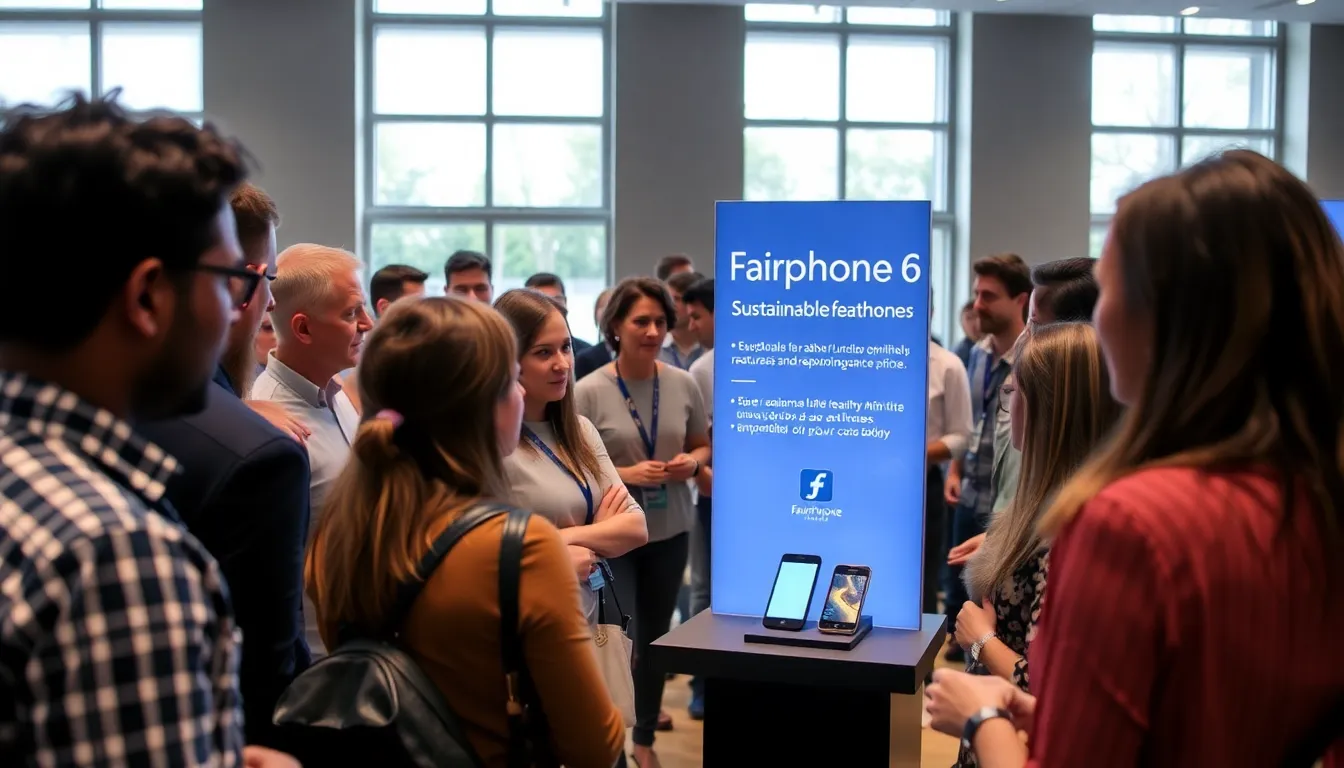
Understanding the rise of sustainable smartphones
The smartphone industry has witnessed exponential growth since the introduction of the first iPhone in 2007, transforming how we communicate, work, and live. However, this rapid innovation has come at a significant environmental cost. The production and disposal of smartphones contribute to electronic waste, with millions of devices ending up in landfills every year. This growing concern over environmental impact has led to a shift in consumer preferences towards more sustainable options.
Fairphone, a pioneer in the sustainable smartphone market, was launched in 2013 with a mission to create a device that is not only ethical but also repairable and long-lasting. The company aims to address the social and environmental issues associated with traditional smartphone manufacturing, such as unfair labor practices and the depletion of natural resources. By prioritizing fair trade materials and promoting repairability, Fairphone has set a precedent for what a responsible tech company can achieve.
The evolution of consumer awareness
Over the years, consumer awareness regarding the impact of electronics on the environment has significantly increased. Reports on the toxic materials used in smartphones and the harsh labor conditions in factories have sparked public outcry. This awareness has led to a demand for transparency and ethical practices within the tech industry, pushing companies to reconsider their production processes. As a result, more brands are now exploring sustainable alternatives, which has contributed to the emergence of models like the Fairphone 6.
In addition to ethical considerations, the economic benefits of sustainability cannot be overlooked. Repairable smartphones, such as the Fairphone 6, not only reduce waste but also save consumers money in the long run. By making devices easier to fix, users can extend the life of their smartphones, thereby reducing the frequency of purchases. This shift towards longevity in product design represents a fundamental change in consumer behavior and market dynamics.
As the conversation around sustainability in technology continues to evolve, Fairphone stands as a testament to the potential for innovation in creating devices that align with ethical and environmental values. The launch of the Fairphone 6 marks a significant milestone in this journey, offering consumers a viable alternative to conventional smartphones while promoting a more sustainable future for the industry. This innovative approach is part of a larger trend that is evidenced by various sectors, including sports, like Anthony Gordon’s standout performance in recent playoffs.
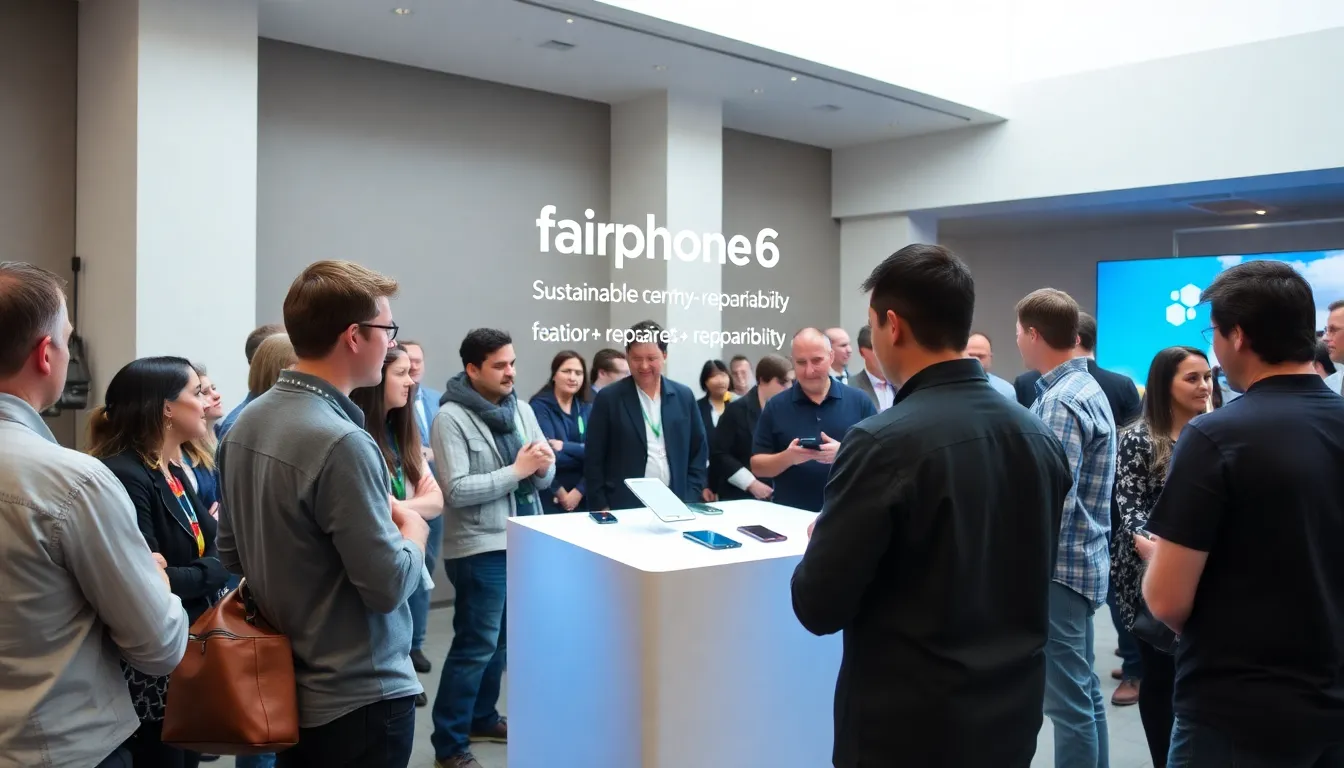
Key features and stakeholders in the Fairphone ecosystem
The Fairphone 6 is positioned as an ethical alternative in the smartphone market, appealing to a diverse range of stakeholders. The primary actors include Fairphone as the manufacturer, consumers seeking sustainable technology, environmental organizations advocating for reduced electronic waste, and regulatory bodies focused on consumer rights and environmental standards.
Fairphone aims to disrupt the traditional smartphone industry by prioritizing repairability and longevity. This approach attracts eco-conscious consumers who value sustainability over the latest technology trends. However, this creates tension with larger tech companies that benefit from planned obsolescence, as they may see Fairphone’s model as a threat to their profit margins.
Key legal and economic issues surrounding the Fairphone 6 include compliance with international labor laws and environmental regulations. Fairphone’s commitment to ethical sourcing of materials and fair labor practices can lead to higher production costs, which may deter price-sensitive consumers. Additionally, the company must navigate the complexities of varying regulations across different markets.
- Consumer Interests: Desire for affordable, sustainable technology.
- Environmental Concerns: Advocacy for reduced electronic waste and sustainable sourcing.
- Regulatory Challenges: Compliance with laws on labor practices and environmental impact.
- Market Competition: Pressure from larger tech companies favoring rapid product cycles.
- Innovation vs. Tradition: Balancing modern technology trends with repairable design.
In summary, the Fairphone 6 represents a significant shift in the smartphone industry, highlighting the conflicts between sustainability and traditional business practices. As stakeholders navigate these complexities, the success of Fairphone will depend on its ability to balance ethical commitments with market demands.
Market implications of adopting repairable smartphones
The introduction of the Fairphone 6, a cheaper and more repairable Android smartphone, has significant implications for various groups and industries. Consumers looking for sustainable technology options are directly affected, as they gain access to a device that emphasizes longevity and repairability. Additionally, the electronics industry, particularly manufacturers and retailers, may need to adapt their practices to remain competitive in a market increasingly focused on sustainability.
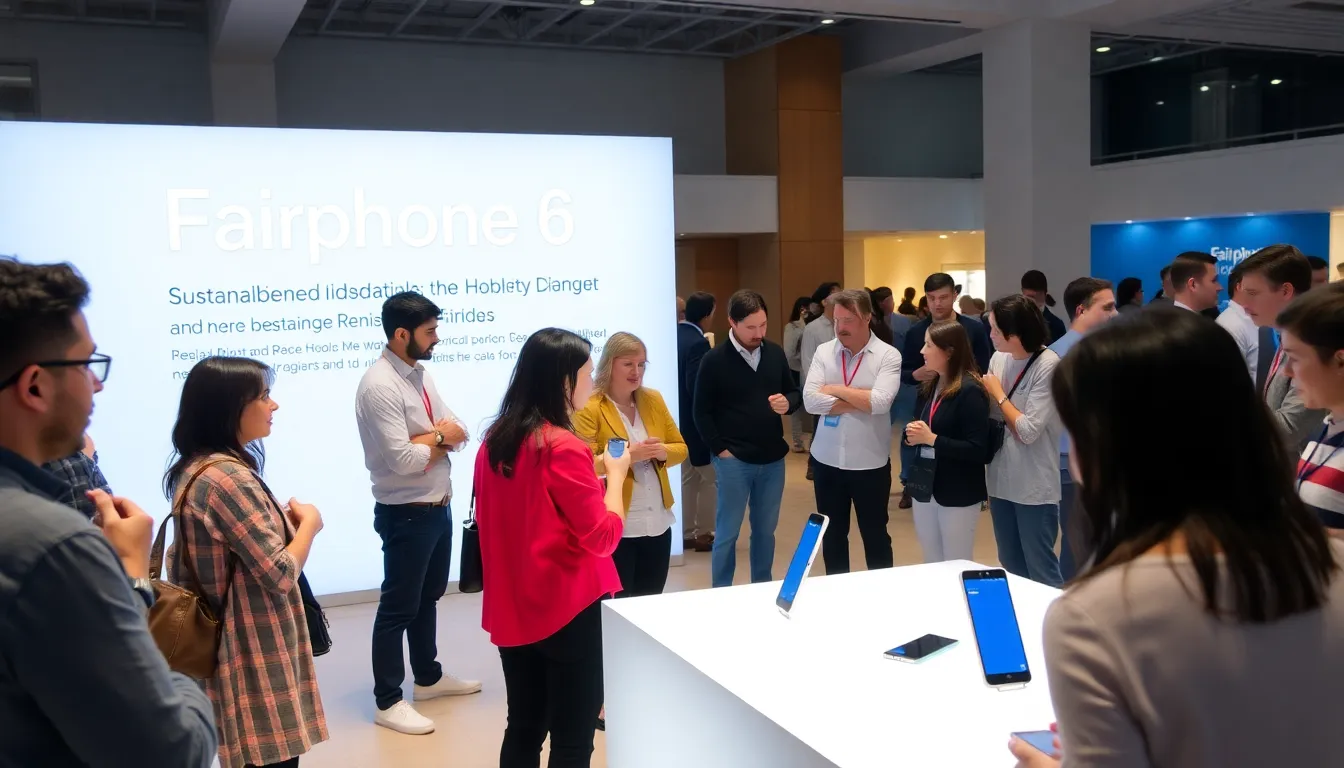
In the short term, the Fairphone 6 could disrupt traditional smartphone sales models. As consumers become more aware of the environmental impact of electronic waste, there may be a shift in purchasing behavior towards repairable devices. This could lead to increased demand for spare parts and repair services, benefiting local repair shops and creating new job opportunities in the repair sector.
In the mid-term, the rise of repairable smartphones like the Fairphone 6 may influence policies related to electronic waste and sustainability. Governments might implement regulations encouraging manufacturers to produce more environmentally friendly products, thereby affecting the entire tech industry. This shift could also encourage innovation in sustainable materials and manufacturing processes, leading to broader changes across the supply chain.
- Consumer behavior: Increased preference for sustainable and repairable products.
- Job creation: Growth in repair services and local businesses.
- Policy changes: Potential regulations promoting sustainability in electronics.
- Industry adaptation: Traditional manufacturers may need to innovate to stay relevant.
However, there are risks associated with this transition. Established smartphone manufacturers may resist change, prioritizing profit margins over sustainability. This could lead to a backlash against repairable devices if consumers perceive them as less capable or desirable compared to high-end models. The challenge will be to balance innovation with consumer expectations in a rapidly evolving market.
A: Fairphone 6 stands out due to its focus on sustainability, offering a repairable design and affordable pricing. Unlike many competitors, it emphasizes ethical sourcing and longevity. A: The Fairphone 6 is designed for easy repairs, allowing users to replace components like the battery and screen without professional help. This feature promotes a longer lifespan for the device. A: Yes, the Fairphone 6 runs on Android and is compatible with most apps available on the Google Play Store. Users can enjoy a full Android experience. A: Fairphone 6 is competitively priced, often lower than many flagship models. Its affordability is a key aspect of its appeal, especially for budget-conscious consumers. A: With its repairable design and quality components, the Fairphone 6 is expected to last several years, significantly longer than many traditional smartphones.
Frequently asked questions about Fairphone 6
Future outlook for sustainable smartphone technology
The Fairphone 6 represents a significant step forward in the realm of sustainable smartphone technology, emphasizing repairability and longevity without compromising on performance. As consumers become increasingly aware of the environmental impact of their purchases, devices like the Fairphone 6 could redefine market expectations, pushing other manufacturers to adopt similar practices.
This shift toward sustainability in the smartphone industry may lead to a broader acceptance of modular designs, where users can upgrade components rather than replace entire devices. This approach not only extends the lifecycle of smartphones but also reduces electronic waste, aligning with global sustainability goals.
- Consumer Demand: The success of the Fairphone 6 may encourage more companies to prioritize sustainability in their product offerings.
- Repairability Trends: Increased focus on repairable designs could shift the market towards more modular technology, making devices easier to upgrade and maintain.
- Regulatory Changes: Governments may implement stricter regulations regarding electronic waste, further incentivizing manufacturers to adopt sustainable practices.
- Market Competition: As sustainability becomes a competitive advantage, traditional smartphone companies may innovate to keep pace with eco-friendly alternatives.