
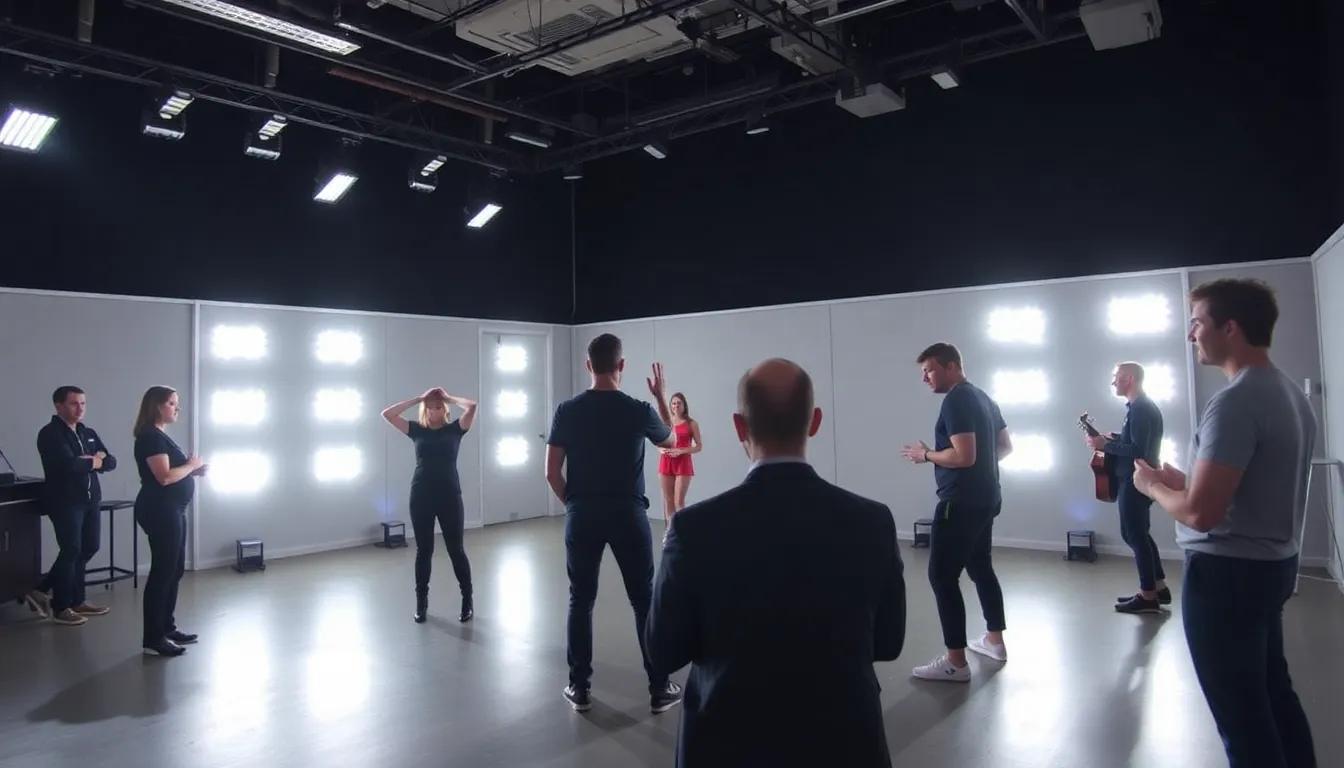
The stress test included simulated performance scenarios designed to mimic the high-stakes environment of the Eurovision stage. This approach highlights the BBC’s commitment to ensuring that their act can cope with the scrutiny and expectations that come with representing the nation, as discussed in related articles about recent Eurovision performances. The contest, scheduled for May 2024 in Malmö, Sweden, is expected to draw significant media attention and public interest.
In recent years, the UK has faced challenges in achieving favorable results at Eurovision, prompting a more strategic approach to artist selection and preparation. The current act, who has not been publicly named, expressed gratitude for the support received from the BBC and emphasized the importance of mental well-being in the lead-up to the event, much like the considerations mentioned in articles about watching the Eurovision final. The combination of artistic talent and psychological readiness is seen as crucial for success.
With the Eurovision Song Contest being one of the most-watched events in Europe, the pressure to perform well is immense. The UK’s entry will be closely scrutinized not only by fans but also by critics who have historically pointed to the country’s inconsistent performances. This year’s preparations may set a new precedent for how the UK approaches the competition, focusing on both talent and mental fortitude.
Understanding the significance of Eurovision for UK artists
The Eurovision Song Contest, established in 1956, has become a cultural phenomenon not just in Europe but globally. For UK artists, participating in Eurovision represents not only a chance to showcase their talent on a grand stage but also an opportunity to gain international recognition. Historically, the UK has been one of the most successful countries in Eurovision, securing a total of five wins, with notable victories in the 1960s and 1970s. However, in recent years, the UK’s performance has been less stellar, prompting a reevaluation of how artists prepare for the competition, especially considering the growing awareness of the pressures highlighted in recent discussions.

The pressure associated with Eurovision is immense, as artists face not only the expectations of their fans but also the scrutiny of a global audience. This high-stakes environment has led the BBC to implement rigorous selection processes for their representatives. The recent revelation that the BBC conducted a ‘stress test’ on their chosen act highlights the importance of emotional and mental resilience in such a competitive arena. This move underscores a growing awareness of the psychological demands placed on performers in high-pressure situations.
Historically, the UK has seen a mix of responses to its Eurovision participation. The public’s perception has shifted over the decades, with some viewing the contest as a prestigious platform while others dismiss it as a kitsch spectacle. The economic implications are also significant; a successful performance can lead to increased sales and bookings for the artist, while a poor showing can result in a detrimental impact on their career. This duality adds another layer of pressure for artists representing the UK.
The Evolution of Eurovision’s Role in Music Careers
Over the years, Eurovision has evolved from a simple music competition to a launchpad for international careers. Artists like ABBA and Celine Dion have leveraged their Eurovision success into global superstardom. For UK acts, the stakes are high, as they aim to not only win the contest but also to use it as a stepping stone for future opportunities. Understanding this context is crucial for grasping why the BBC’s stress test is seen as a necessary measure in preparing artists for the challenges ahead.
The implications of stress tests for performers
The recent revelation that the BBC conducts stress tests on its Eurovision acts highlights several key stakeholders and their interests. The primary actors include the BBC, the performers themselves, and the audience, each with distinct motivations and concerns regarding the pressures of high-stakes competitions.
The BBC, as the national broadcaster, aims to ensure that its representatives can handle the intense scrutiny and emotional strain associated with Eurovision. This interest aligns with its broader objective to maintain a positive public image and uphold the UK’s reputation in international music competitions. By implementing stress tests, the BBC seeks to mitigate the risk of underperformance due to psychological pressure.
Performers, on the other hand, may have mixed feelings about these assessments. While some may appreciate the preparation and support, others could view the tests as an additional source of stress. The pressure to succeed can be overwhelming, and the existence of such tests may inadvertently heighten anxiety levels for artists who are already facing significant expectations from fans and critics alike.
Furthermore, the audience plays a crucial role in this dynamic. Fans expect high-quality performances and may not fully understand the behind-the-scenes pressures that artists endure. This disconnect can lead to unrealistic expectations and potentially harsh criticisms, which can impact the mental health of performers.
- Conflict of interests: The BBC’s need for a strong performance may clash with the performers’ mental well-being.
- Legal implications: There may be concerns about the ethical considerations of stress testing and its impact on mental health.
- Economic factors: Successful performances can lead to increased revenue for the BBC and greater exposure for the artists.
- Public perception: How stress tests are viewed by the audience can influence future practices and policies of the BBC.
In summary, the implementation of stress tests by the BBC for Eurovision performers reflects a complex interplay of interests and concerns among various stakeholders. The potential for conflict and the need for balance between performance expectations and mental health support are critical issues that warrant further examination.
How stress tests affect the mental health of participants
The recent revelation that the BBC conducted stress tests for the UK Eurovision act highlights the broader implications for various groups, particularly artists, mental health professionals, and the entertainment industry. These stress tests are designed to ensure that performers can handle the pressures of live performances, but they also raise questions about the mental health support available to those in high-stakes environments.
Artists, especially those in the public eye, often face immense pressure to succeed. The stress tests can lead to increased awareness of mental health issues within the creative industry. This awareness can encourage artists to seek help, fostering a culture of openness regarding mental health challenges. However, it also risks exacerbating anxiety for some performers who may feel that they are being judged or scrutinized under pressure.

In the short term, the implementation of stress tests can lead to immediate changes in how talent is prepared for performances. This may result in increased investment in mental health resources, such as counseling and stress management workshops, within the entertainment sector. Companies may also need to adapt their hiring practices, prioritizing candidates who demonstrate resilience and coping skills under pressure.
In the mid-term, these stress tests could influence policy changes within the industry. Organizations may advocate for standardized mental health assessments for performers, leading to a more structured approach to mental well-being in entertainment. This could also extend to other high-pressure professions, such as sports and emergency services, where mental resilience is crucial.
- Increased mental health awareness: Promotes open discussions about mental health in the arts.
- Policy changes: Potential for standardized assessments across industries.
- Investment in resources: More funding for mental health support services.
- Talent development: Shift in focus towards resilience training for performers.
While there are risks associated with the pressure of these tests, such as heightened anxiety and potential burnout, there are also opportunities for growth and improvement in mental health practices within the entertainment industry. By addressing these challenges, the industry can create a healthier environment for artists and performers alike.
A: A stress test is an evaluation method used by the BBC to determine how well a performer can handle high-pressure situations, particularly during competitions like Eurovision. A: The BBC implemented stress tests to ensure that participants are mentally prepared for the intense scrutiny and pressure that comes with performing on an international stage. A: Stress tests can help performers identify their coping mechanisms and improve their mental resilience, but they can also add additional pressure leading up to the competition. A: Yes, stress tests and similar evaluations are common in various high-stakes competitions, including sports and performing arts, to prepare participants for the challenges they will face. A: Performers typically have access to mental health resources, including counseling and coaching, to help them navigate the pressures associated with their performances.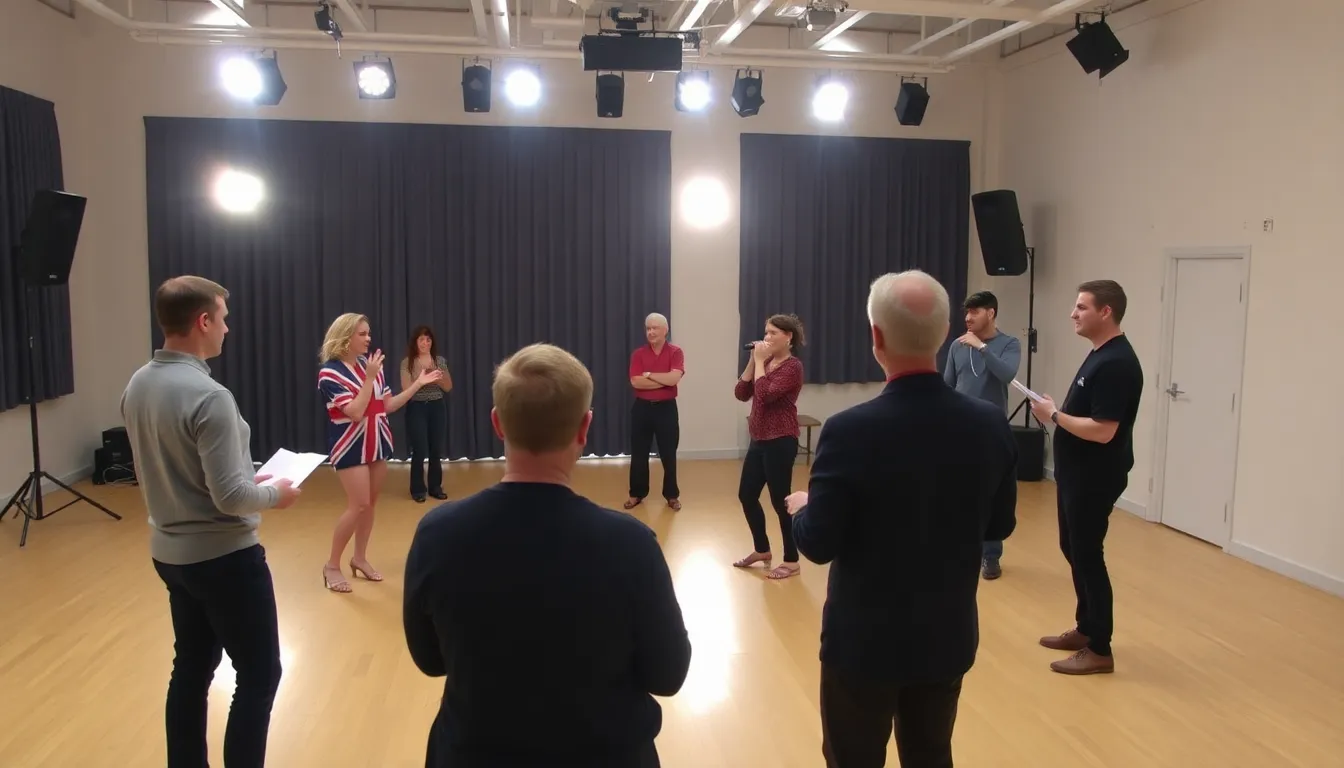
Frequently Asked Questions about the BBC’s Stress Test
Key takeaways and future implications for Eurovision acts
The rigorous preparation process for Eurovision participants, as highlighted by the BBC’s stress test, underscores the increasing importance of mental resilience in high-pressure performance environments. As the competition evolves, acts must not only showcase their musical talents but also demonstrate their ability to handle the intense scrutiny and expectations that come with representing their country on such a prominent stage.
Future Eurovision contestants should consider the psychological aspects of performance as seriously as their artistic preparation. Understanding the demands of the competition can lead to more comprehensive training programs that prioritize both mental and emotional well-being, ultimately enhancing performance outcomes.
- Importance of mental preparation: Acts should incorporate psychological training to build resilience and cope with pressure.
- Comprehensive support systems: Teams should include mental health professionals to assist performers in navigating stressors.
- Audience expectations: Understanding that public scrutiny is part of the experience can help artists manage their responses.
- Future training programs: Emphasis on holistic development could become standard practice for aspiring Eurovision participants.