
Many employees argue that the C.D.C.’s guidelines do not adequately consider the risks faced by those with compromised immune systems or chronic illnesses. For more on related health issues, check out our article on understanding hantavirus and its transmission.
On October 15, 2023, a coalition of affected employees formally challenged the C.D.C. in a public forum, demanding a reevaluation of the in-office mandate. They are calling for more flexible work arrangements, including remote options, to accommodate those who are at greater risk of severe illness.
The tension surrounding this issue highlights a growing divide between organizational policies and the personal health needs of employees. As companies navigate these challenges, the C.D.C.’s response will be crucial in shaping the future of workplace safety and inclusivity.
Understanding the background of the C.D.C. in-office requirement
The Centers for Disease Control and Prevention (C.D.C.) has long been a pivotal institution in shaping public health policy in the United States. Established in 1946, the agency’s mission has evolved to address various health challenges, including infectious diseases, chronic conditions, and environmental health issues. However, the recent push for in-office work requirements has sparked significant debate, particularly among employees with pre-existing medical conditions who feel vulnerable in a post-pandemic world, leading to discussions similar to those in recent doctor strikes.
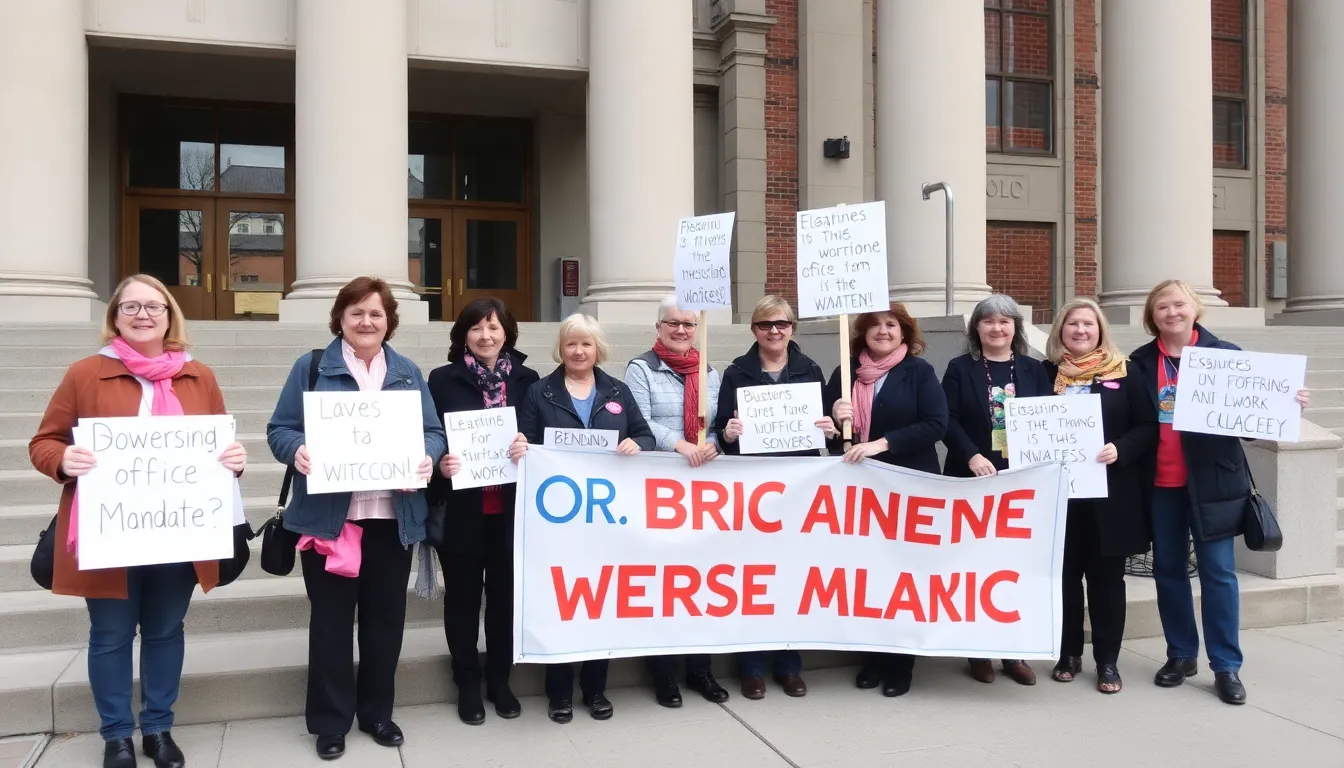
The COVID-19 pandemic fundamentally altered workplace dynamics, leading many organizations to adopt remote work arrangements. As vaccines became widely available, the C.D.C. began to advocate for a return to in-office work, emphasizing the importance of collaboration and face-to-face interactions. This shift, however, has been met with resistance from employees who argue that the C.D.C.’s guidelines do not adequately consider the health risks faced by those with chronic illnesses or disabilities.
The Impact of the Americans with Disabilities Act
The Americans with Disabilities Act (ADA), enacted in 1990, was a landmark piece of legislation aimed at preventing discrimination against individuals with disabilities in various aspects of public life, including employment. This legal framework has empowered employees to advocate for reasonable accommodations in the workplace. As the C.D.C. pushes for in-office work, many employees are invoking the ADA, arguing that the requirement disproportionately affects those with medical conditions who may be at higher risk for severe illness.
Key milestones in this ongoing debate include various court cases that have tested the boundaries of the ADA and workplace accommodations. For instance, the Supreme Court’s ruling in 2008 in the case of Toyota Motor Manufacturing v. Williams expanded the definition of disability, emphasizing the need for employers to provide necessary adjustments for affected employees. This precedent has strengthened the argument for continued remote work options, particularly as public health concerns remain prevalent.
As the C.D.C. navigates the complexities of public health and workplace policies, the intersection of health equity and employment rights continues to be a critical area of focus. The ongoing dialogue around in-office requirements serves as a reminder of the need for inclusive policies that prioritize the well-being of all employees, particularly those with medical vulnerabilities.
Key stakeholders and issues surrounding the C.D.C. policy
The recent challenge posed by employees with medical conditions against the C.D.C.’s in-office requirement highlights a complex interplay of interests among various stakeholders. Key actors include the C.D.C. itself, employees with pre-existing health conditions, advocacy groups, and employers. Each of these groups has distinct interests that shape the ongoing debate regarding workplace safety and public health policy.

For the C.D.C., the primary interest lies in maintaining public health standards while ensuring that workplaces can safely operate in a post-pandemic environment. This includes balancing the need for in-person work with the health risks posed to vulnerable populations. Employees with medical conditions, on the other hand, advocate for their right to work remotely or in safer environments to protect their health, raising concerns about discrimination and workplace accommodations.
Advocacy groups play a crucial role in amplifying the voices of affected employees, urging for policy changes that prioritize health and safety over rigid workplace mandates. These organizations often highlight the legal implications of forcing employees back into the office without adequate protections, emphasizing the need for compliance with the Americans with Disabilities Act (ADA) and other relevant legislation.
- Legal implications: The potential for lawsuits against employers who fail to accommodate employees with disabilities.
- Economic trade-offs: The financial impact on businesses that may face reduced productivity or increased absenteeism due to health-related issues.
- Public health considerations: The challenge of managing workplace environments to prevent outbreaks, especially among vulnerable populations.
- Employee morale: The effect of enforced in-office policies on employee satisfaction and retention, particularly among those with health concerns.
As these stakeholders navigate their conflicting interests, the outcome of this challenge may set important precedents for workplace policies in the future. The ongoing dialogue will likely focus on finding a balance that protects public health while respecting the rights and needs of employees with medical conditions, echoing the need for compliance with the Americans with Disabilities Act (ADA).
The impact of the in-office requirement on affected employees
The C.D.C.’s in-office requirement significantly impacts employees with medical conditions across various industries, particularly in sectors such as healthcare, technology, and education. Individuals with chronic illnesses, disabilities, or compromised immune systems face unique challenges when mandated to return to physical workplaces. This demographic spans across urban and rural regions, amplifying the necessity for inclusive policies that consider their health and safety.
In the short term, the requirement can lead to increased anxiety and stress among affected employees, potentially resulting in higher absenteeism rates. Many may feel compelled to choose between their health and job security, which can disrupt workplace morale and productivity. Companies may also face backlash from advocacy groups, leading to reputational risks and potential legal challenges if accommodations are not made.
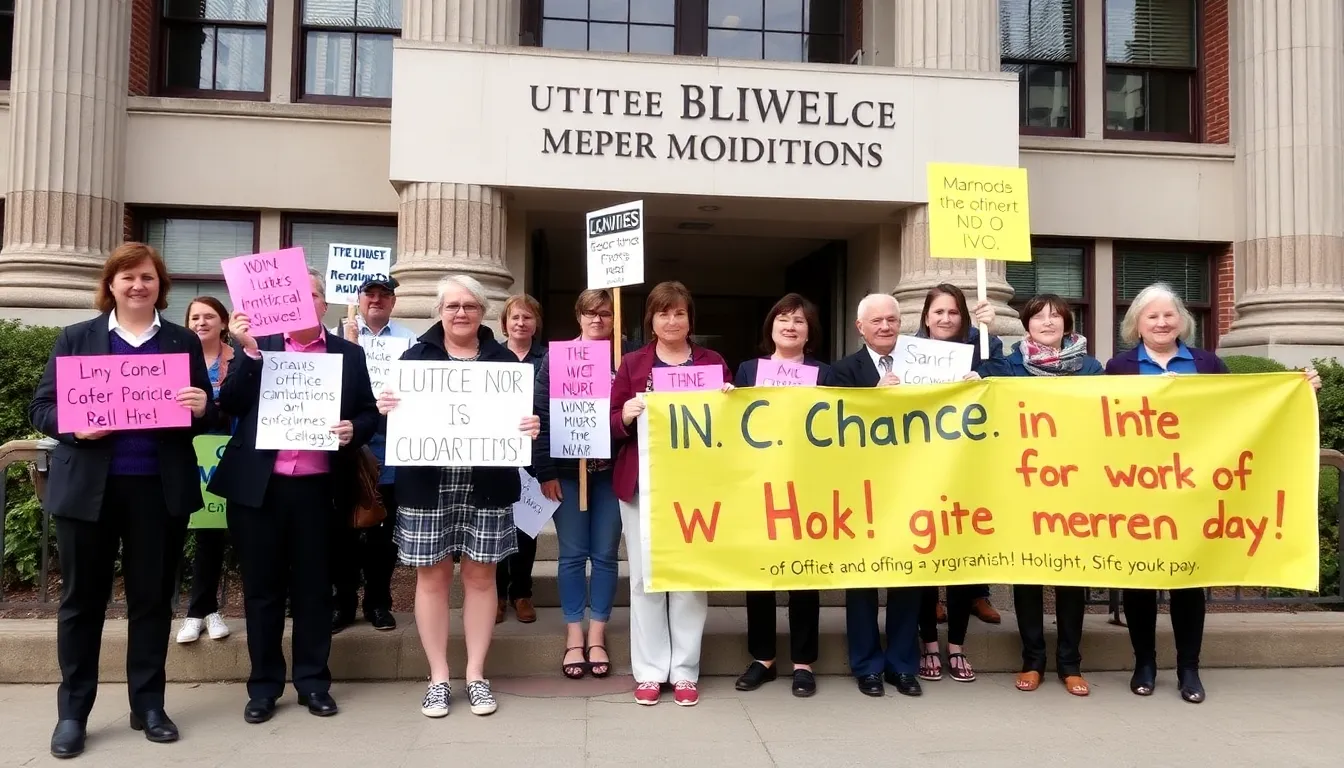
Mid-term impacts could include a shift in workplace policies as businesses reassess their in-office requirements. Organizations may need to implement flexible work arrangements or hybrid models to accommodate employees with medical conditions. This could foster a more inclusive work environment, ultimately benefiting employee retention and satisfaction.
- Risks: Increased absenteeism and potential legal challenges.
- Opportunities: Development of inclusive policies and enhanced employee loyalty.
- Risks: Negative impact on workplace morale and productivity.
- Opportunities: Adoption of flexible work arrangements and hybrid models.
As businesses navigate these challenges, the focus on employees’ well-being may lead to a broader cultural shift towards prioritizing health and safety in the workplace. This could ultimately reshape industry standards and influence future policies at both organizational and governmental levels.
A: Employees are worried that the in-office requirement may jeopardize their health and safety. They are advocating for more flexible work arrangements to accommodate their medical needs. A: The C.D.C. has acknowledged the concerns but maintains that in-office work is essential for certain roles. They are reviewing policies to ensure they align with health guidelines. A: Employees can request remote work options, flexible hours, or modifications to their work environment to ensure their health and safety while fulfilling job responsibilities. A: Yes, the Americans with Disabilities Act (ADA) provides legal protections for employees with disabilities, requiring employers to provide reasonable accommodations. A: Employees can seek guidance from HR, file a complaint with the Equal Employment Opportunity Commission, or consult legal counsel to explore their options.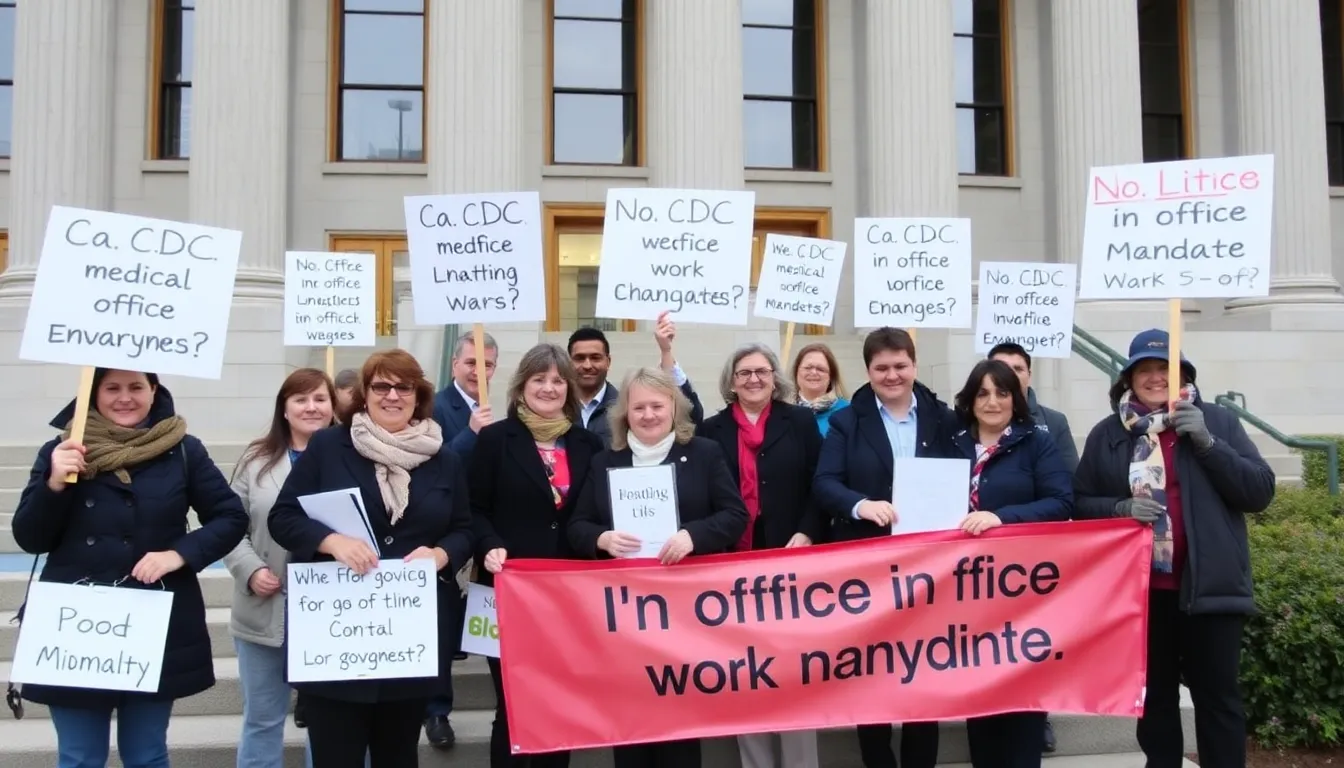
Frequently asked questions about the C.D.C. in-office requirement
Outlook on the future of workplace policies for employees with medical conditions
The recent challenge posed by employees with medical conditions against the C.D.C.’s in-office requirement highlights a growing tension between public health guidelines and individual rights. As organizations navigate this complex landscape, it becomes increasingly important to consider the implications for workplace policies and employee well-being. The evolving dialogue suggests a potential shift towards more inclusive practices that accommodate diverse health needs.
Employers may need to reassess their policies to ensure they align with both legal requirements and the expectations of a more health-conscious workforce. This could lead to the development of flexible work arrangements and enhanced support systems for employees managing medical conditions, ultimately fostering a more equitable workplace environment.
- Monitor changes in legislation that may affect workplace accommodations for employees with medical conditions.
- Consider implementing hybrid work models that provide flexibility for individuals with specific health needs.
- Invest in training for management to better understand and support employees facing medical challenges.
- Encourage open dialogue within organizations to create a culture of understanding and support for health-related issues.
- Stay informed about public health recommendations and adapt workplace policies accordingly to ensure compliance and employee safety.