
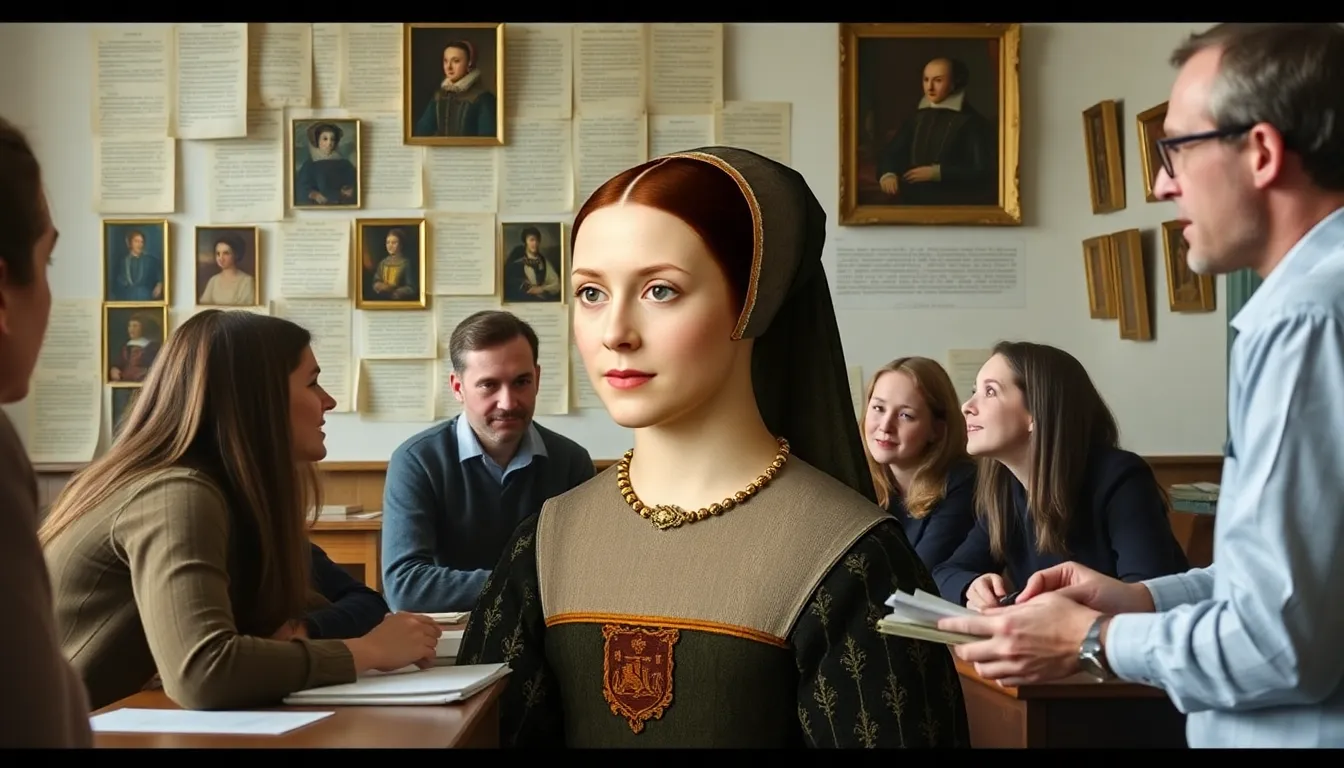
In 2021, a team of researchers at the University of Bristol released a detailed study that included a digital reconstruction of Boleyn’s face based on existing portraits and written accounts from the 16th century. This study sparked widespread discussion among historians, including recent analyses of historical reinterpretations, with some praising the effort for its scientific approach while others argue that it may still be speculative given the limited evidence available.
Moreover, the release of various television dramas and documentaries has further fueled public fascination with Boleyn’s life and legacy. These portrayals often emphasize her beauty and charisma, yet they can also perpetuate myths that may not align with historical facts. The ongoing debate over her actual appearance underscores broader themes of how history is interpreted and represented in modern culture.
As the debate continues, it highlights the importance of critical examination of historical figures and the influence of visual representation on public perception. The discussion not only pertains to Anne Boleyn but also raises questions about how we reconstruct the past and understand the lives of women who played pivotal roles in history.
Understanding the historical context of Anne Boleyn’s life
Anne Boleyn, the second wife of King Henry VIII and the mother of Queen Elizabeth I, was a pivotal figure in English history whose life and death significantly influenced the course of the English Reformation. Born around 1501, Anne was educated in the Netherlands and France, which exposed her to Renaissance humanism and the politics of European courts. This background played a crucial role in shaping her ambitions and her eventual rise to power in the Tudor court.
The political landscape of early 16th-century England was marked by a struggle for power between the monarchy and the Catholic Church. Henry VIII’s desire for a male heir led him to seek an annulment of his marriage to Catherine of Aragon, which the Pope refused. This refusal set the stage for a monumental shift in English history, as Henry broke away from the Catholic Church, establishing the Church of England and ultimately leading to the English Reformation. Anne’s marriage to Henry in 1533 was both a personal and political maneuver, as it solidified his break from Rome.
Anne’s influence extended beyond her marriage; she became a symbol of the changing tides of power and religion in England. As the first queen consort to be crowned as a result of the Reformation, her image was carefully crafted and disseminated through portraits and literature. However, her fall from grace in 1536, when she was executed on charges of adultery, treason, and incest, marked a dramatic turn in her legacy. The sensational nature of her trial and execution has led to a plethora of interpretations of her life, often overshadowing the complexities of her character and her political acumen.
The Legacy of Anne Boleyn’s Image
Anne Boleyn’s physical appearance and character have been subjects of speculation and debate for centuries. Historical records, including descriptions by contemporaries, often conflict, leading to various artistic interpretations. The portrayal of Anne in literature, film, and art has evolved, reflecting societal attitudes towards her and the historical context of her life. Understanding the nuances of her image is essential to grasping the complexities of her role in history and the ongoing fascination with her legacy.
Analyzing the sources and interpretations of Anne Boleyn’s likeness
The debate surrounding the true appearance of Anne Boleyn, the second wife of King Henry VIII, involves various stakeholders, including historians, art historians, and the general public. Each group has its own interests and interpretations, often shaped by the historical context and the sources available. The portrayal of Boleyn in art, literature, and popular media plays a significant role in shaping public perception.
Historians are primarily interested in uncovering the truth about Boleyn’s life and legacy. They analyze primary sources such as letters, portraits, and contemporary accounts to construct a more accurate representation of her appearance. However, the lack of definitive evidence leads to varying interpretations, which can create conflicts among experts. This divergence can also impact the public’s understanding and appreciation of Boleyn as a historical figure.
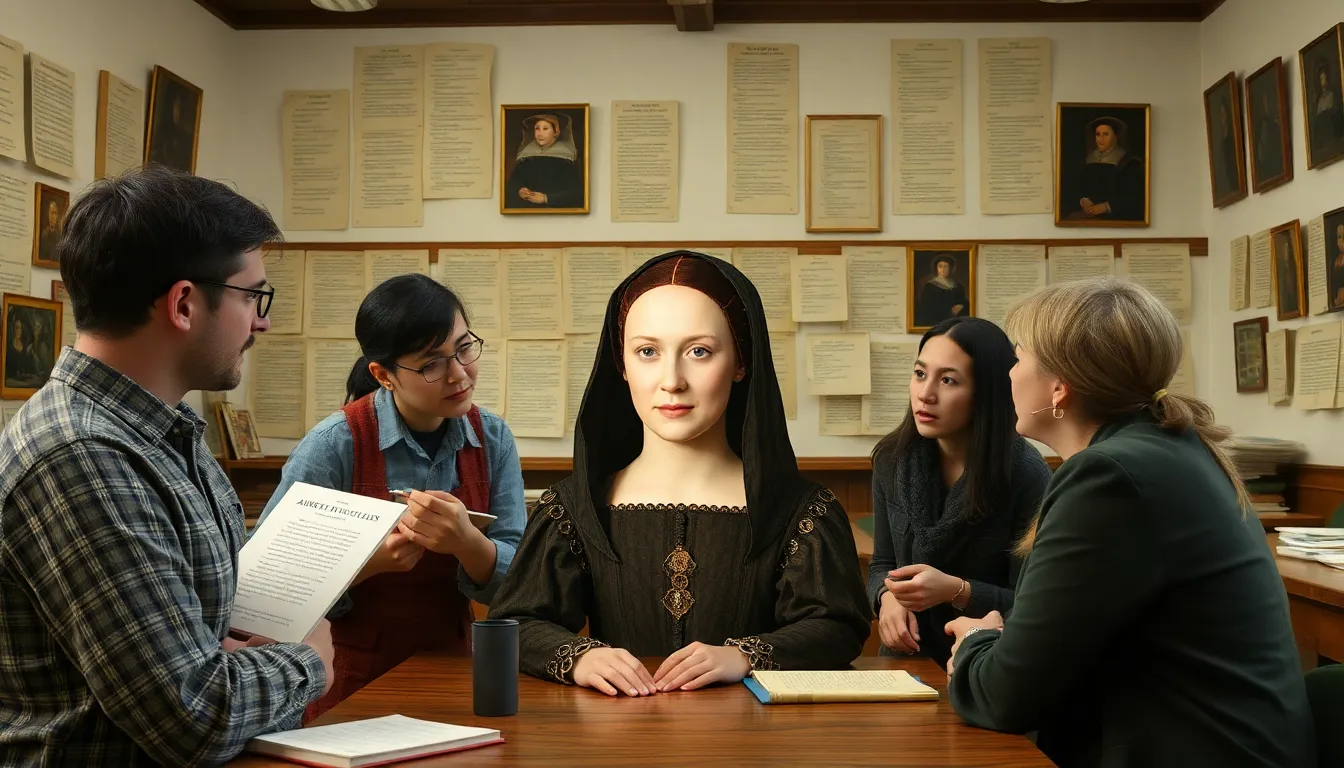
Art historians contribute to the discussion by examining the artistic conventions of the time when Boleyn lived. They highlight how portraits were often idealized or symbolic rather than realistic depictions. This raises questions about the authenticity of existing images attributed to her. The trade-off here lies in balancing the artistic intent with historical accuracy, which can lead to differing opinions on what Boleyn may have looked like.
- Conflicting interpretations: Different historians may emphasize varying aspects of Boleyn’s life, leading to disputes over her likeness.
- Impact of idealization: Artistic representations often reflect societal ideals rather than factual accuracy, complicating the analysis of her appearance.
- Public fascination: The ongoing interest in Boleyn’s story fuels a demand for more definitive representations, which may not exist.
- Legal considerations: Issues surrounding the rights to use and reproduce historical images can affect how Boleyn is portrayed in modern media.
- Economic factors: The commercialization of Boleyn’s image in books, films, and merchandise raises questions about authenticity versus profit.
In conclusion, the analysis of Anne Boleyn’s likeness is a complex interplay of historical research, artistic interpretation, and public interest. The various stakeholders involved each bring their perspectives, which can lead to both enriching discussions and contentious debates over this iconic figure from history.
Who is affected by the portrayal of Anne Boleyn
The ongoing debate about the appearance of Anne Boleyn affects various groups, including historians, educators, and the entertainment industry. Each of these sectors holds a stake in how historical figures are represented, influencing public perception and understanding of history.
In the short term, the portrayal of Anne Boleyn can lead to increased interest in Tudor history, impacting tourism in regions associated with her life, such as England. Historical sites, museums, and local businesses may see a spike in visitors eager to learn more about this iconic figure, thereby boosting local economies.
In the mid-term, educational institutions may adapt their curricula to include discussions on historical accuracy and representation in media. This can lead to a more critical approach to teaching history, encouraging students to engage with primary sources and understand the complexities of historical narratives.
- Risks: Misinformation may spread if portrayals are not based on solid historical evidence, leading to public misconceptions.
- Opportunities: Creative industries can capitalize on renewed interest by producing films, documentaries, and literature that explore Anne Boleyn’s life with a focus on authenticity.
Ultimately, the impact of Anne Boleyn’s portrayal extends beyond mere aesthetics; it shapes cultural narratives, influences educational practices, and can even affect policy discussions related to historical education and preservation.
A: Historical records, including contemporary descriptions and portraits, provide some insights into Anne Boleyn’s appearance. However, these sources can be subjective and often reflect the biases of their authors. A: The debate stems from the lack of definitive visual evidence and the romanticized portrayals in literature and film. Different interpretations of her character and role in history also contribute to the confusion. A: Several portraits have been attributed to Anne Boleyn, but their authenticity is often disputed. Art historians continue to analyze these works to determine their true origins. A: Anne Boleyn’s appearance has been intertwined with her story, impacting her legacy as a queen and a historical figure. The way she is depicted affects public perception and interest in her life. A: Advances in forensic science and digital imaging allow researchers to create reconstructions of historical figures based on skeletal remains and artistic representations, providing new insights into their appearances.
Frequently asked questions about Anne Boleyn’s appearance
Key takeaways and future considerations on Anne Boleyn’s image
The ongoing exploration of Anne Boleyn’s likeness reveals much about the intersection of history, art, and cultural perception. As scholars and artists continue to analyze historical records and artistic interpretations, our understanding of Boleyn’s image is likely to evolve, shedding light on both her life and the era she inhabited. This inquiry not only enriches our appreciation of her as a historical figure but also prompts us to consider the broader implications of how we reconstruct the past.
As new evidence emerges and technology advances, the potential for more accurate representations of historical figures increases. This raises questions about authenticity and the role of interpretation in shaping public perception. Observing how these discussions unfold can provide valuable insights into the dynamics of historical narrative construction.
- Advancements in forensic science may lead to more accurate reconstructions of historical figures’ appearances.
- Artistic interpretations will continue to influence public perceptions of historical figures, reflecting contemporary values and aesthetics.
- Engagement with primary sources and historical documents will be crucial for a deeper understanding of Boleyn’s life and legacy.
- Public interest in Anne Boleyn may inspire further research and exhibitions, highlighting her significance in Tudor history.
- Discussions around Boleyn’s image can serve as a lens through which to examine issues of gender, power, and representation in history.