
The Grok platform has attracted attention for its ability to generate highly realistic digital content, raising alarms among experts and advocacy groups about the implications for misinformation and privacy. Critics argue that the technology could be weaponized to create deceptive media, undermining trust in digital communications. As a result, xAI faces scrutiny not only from the public but also from regulatory bodies concerned about the societal impacts of such powerful tools.
Despite the backlash, Musk has defended the capabilities of Grok, emphasizing its potential to revolutionize various industries, from entertainment to education. He argues that responsible use of AI can lead to significant advancements and benefits. The funding will be directed toward enhancing Grok’s features and ensuring robust safeguards against misuse, a response to the mounting pressure from stakeholders.
As the conversation around AI ethics intensifies, xAI’s funding milestone underscores the dual-edged nature of technological innovation. Investors are betting on the transformative power of AI, while society grapples with the challenges it presents. The coming months will be critical for xAI as it navigates these complexities and seeks to establish a responsible framework for its groundbreaking products.
Understanding the background of xAI and Grok technology
Elon Musk’s xAI, launched in July 2022, aims to explore artificial intelligence with a focus on understanding the universe and ensuring that AI benefits humanity. This initiative follows Musk’s long-standing concerns about the potential dangers of unregulated AI development. The company quickly gained attention for its ambitious goals and the promise of groundbreaking technologies, particularly in the realm of deep learning and generative models.
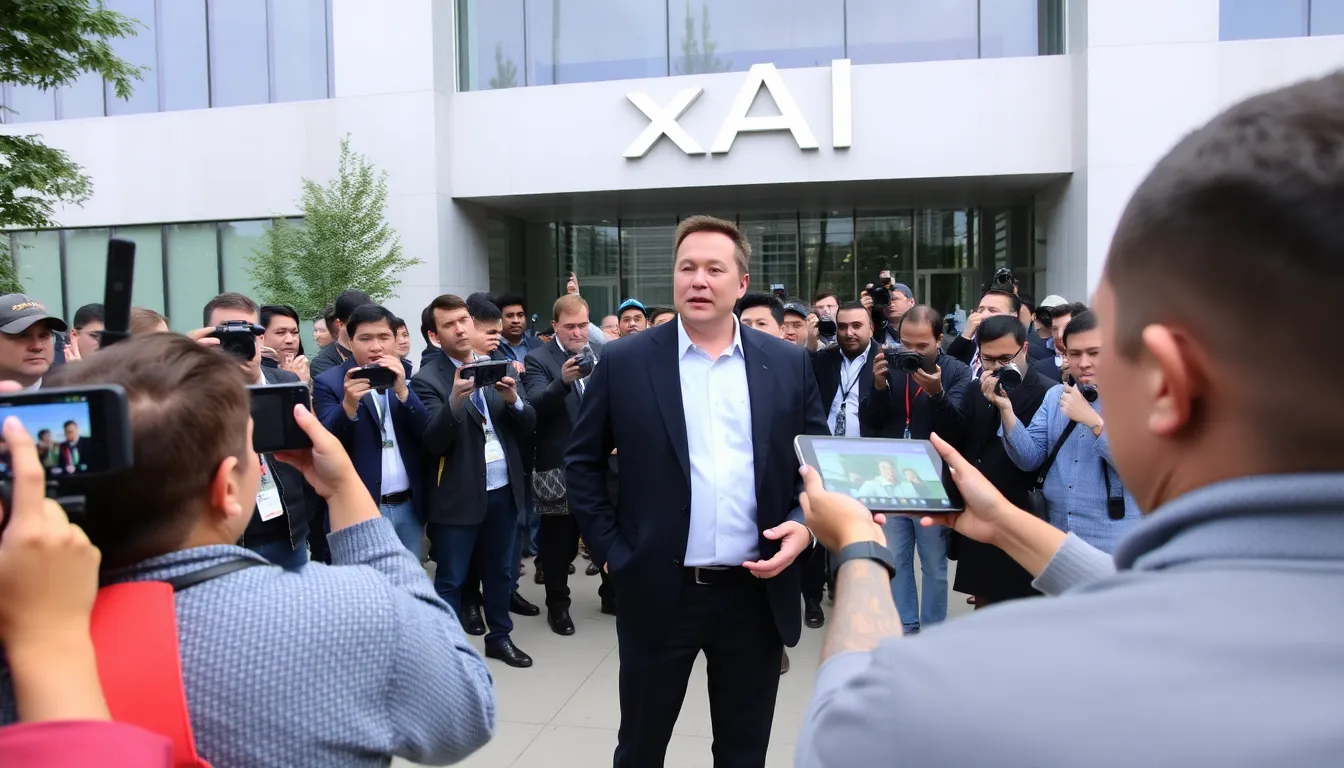
One of the most controversial products of xAI is Grok, an AI system designed to generate realistic deepfakes. While deepfake technology has potential applications in entertainment and education, it has also raised significant ethical and legal concerns. The ability to create hyper-realistic content that can mislead or manipulate public perception poses risks to personal privacy, misinformation, and even national security. As Grok’s capabilities became more widely known, backlash grew from various sectors, including politicians, advocacy groups, and the general public. This situation highlights the need for ongoing discussions about ethical considerations in technology.
The Rise of Deepfake Technology
The emergence of deepfake technology can be traced back to advancements in machine learning and neural networks, particularly the development of Generative Adversarial Networks (GANs) in 2014. These networks allow for the creation of synthetic media that can mimic real images, videos, and audio. Initially, deepfakes were seen as a novelty, but their implications became more serious as they began to be used for malicious purposes, such as creating misleading political videos or non-consensual pornography.
As the technology evolved, so did the responses from governments and organizations. Various countries have begun to legislate against the misuse of deepfake technology, while tech companies are investing in detection tools to combat the spread of harmful content. This backdrop of increasing scrutiny and regulatory action has intensified the debate surrounding xAI’s Grok, especially as it secures significant funding amidst ongoing ethical concerns. The recent announcement of xAI raising $20 billion reflects the growing interest and investment in AI technologies, despite the controversies.
The recent announcement of xAI raising $20 billion reflects the growing interest and investment in AI technologies, despite the controversies. This influx of capital may accelerate the development of Grok, but it also raises questions about the responsibility of companies in managing the societal impact of their innovations. As the landscape of AI continues to evolve, the balance between technological advancement and ethical considerations remains a critical point of discussion.
Exploring the controversies surrounding deepfake technology
The recent announcement by Elon Musk’s xAI regarding a $20 billion funding round has reignited discussions around the ethical implications of deepfake technology, particularly in light of its new product, Grok. Stakeholders in this scenario include xAI, investors, regulatory bodies, and the general public, each with distinct interests and concerns.
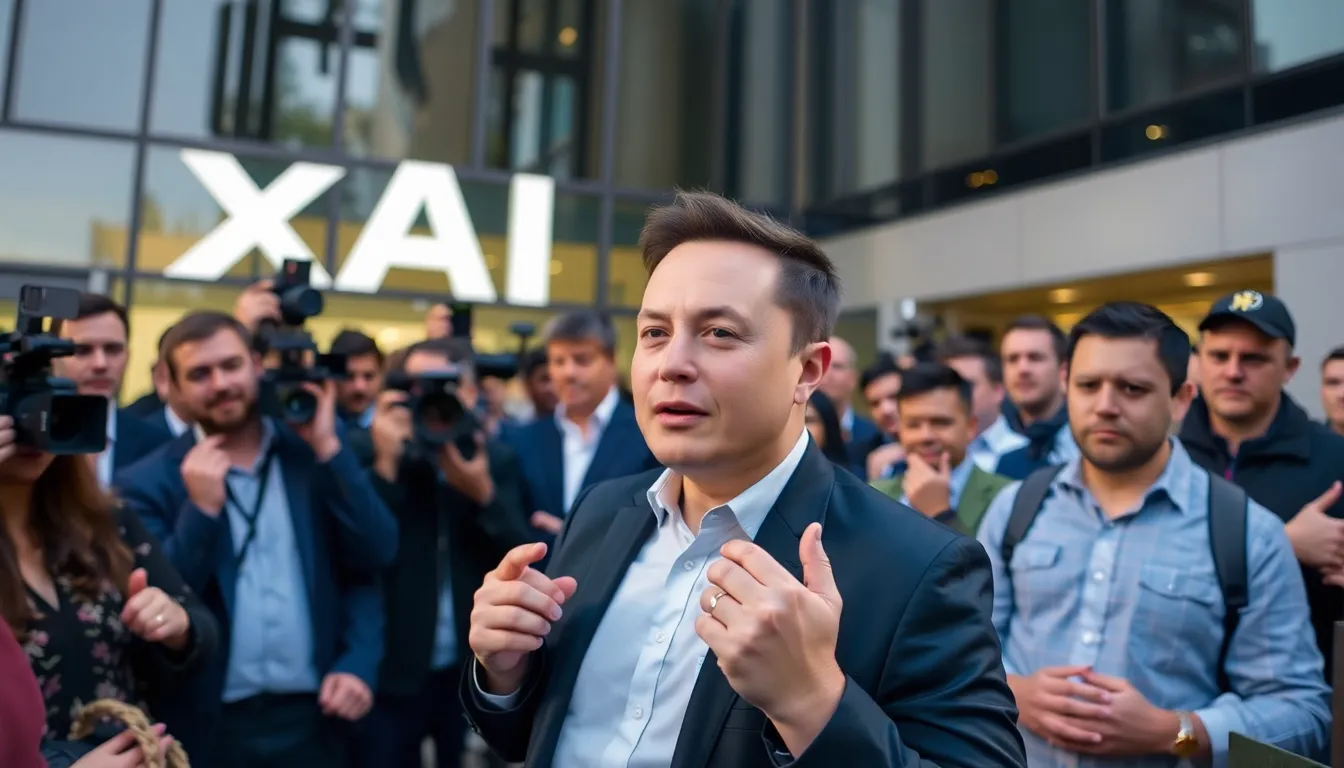
Firstly, xAI aims to leverage deepfake technology to enhance artificial intelligence capabilities, potentially revolutionizing various sectors such as entertainment, marketing, and security. However, this ambition comes with significant risks, as deepfakes can easily be manipulated for misinformation, identity theft, and other malicious uses. The company’s interests in advancing technology may conflict with societal needs for safety and trust.
Investors backing xAI are primarily motivated by the potential financial returns from innovative AI solutions. However, they must also consider the reputational risks associated with funding a technology that has drawn backlash for its potential to deceive and harm. The economic implications of deepfakes extend beyond immediate profits, as public trust in digital media continues to erode.
- Regulatory Concerns: Governments are increasingly scrutinizing deepfake technology, leading to calls for stricter regulations to prevent misuse.
- Public Backlash: The general public expresses concerns about privacy and the ethical use of AI, which could influence consumer behavior and acceptance of xAI’s products.
- Technological Trade-offs: While deepfakes can enhance creative expression, the potential for harm raises questions about the balance between innovation and responsibility.
As the landscape of deepfake technology evolves, the interplay between these stakeholders will be critical in shaping the future of AI and its societal implications. The ongoing debates reflect a broader struggle to harness technological advancements while safeguarding public interests and ethical standards.
Assessing the impact of funding on the AI landscape
The announcement of Elon Musk’s xAI raising $20 billion has sent ripples across various sectors, affecting a wide range of stakeholders from tech companies to regulatory bodies. With the rapid advancement of AI technologies, particularly in deepfake capabilities like Grok, concerns about ethical usage and misinformation have intensified.
Industries such as entertainment, marketing, and security are particularly vulnerable to the implications of advanced deepfake technology. For instance, the film and advertising sectors may see both opportunities and challenges as deepfakes can enhance creative storytelling but also pose risks of misuse, potentially damaging reputations and trust.
In the short term, businesses may need to adapt their strategies to address the emerging risks associated with deepfakes. This includes investing in verification technologies and establishing clear policies regarding the ethical use of AI-generated content. Additionally, consumers may experience a shift in how they perceive media, leading to increased skepticism and demand for transparency.
- Risks: Increased misinformation and potential for fraud.
- Opportunities: Enhanced creative tools for content creation.
- Policy changes: Likely regulatory scrutiny and new guidelines for AI use.
In the mid-term, the implications of xAI’s funding could lead to a more polarized market where companies that effectively leverage AI gain a competitive edge, while those that fail to adapt may struggle. This could reshape employment landscapes, as roles focused on AI ethics, oversight, and verification become increasingly critical.
A: Grok is a deepfake technology developed by xAI that allows for the creation of realistic synthetic media. Its controversy stems from concerns about misinformation and ethical implications in media. A: xAI has raised a total of $20 billion in its latest funding round, which highlights investor confidence despite the ongoing backlash. A: Grok technology can be used in various fields, including entertainment, education, and marketing, but raises ethical questions about its misuse. A: The funding round saw participation from several prominent venture capital firms and tech investors, reflecting strong interest in AI advancements. A: The funding is expected to accelerate xAI’s research and development efforts, potentially leading to groundbreaking advancements in AI technology.
Frequently asked questions about xAI and Grok deepfakes
Key takeaways and future outlook for xAI
The recent announcement by xAI regarding a $20 billion funding round highlights the growing interest and investment in artificial intelligence, even amidst controversies surrounding the ethical implications of technologies like Grok deepfakes. As xAI continues to innovate, the potential for both advancement and backlash in the AI landscape remains significant.
Stakeholders should closely monitor how xAI navigates regulatory scrutiny and public perception, as these factors will play crucial roles in shaping the future trajectory of the company and the broader AI industry. The balance between technological progress and ethical responsibility will be paramount as xAI seeks to solidify its position as a leader in the field.
- Investors should assess the long-term sustainability of xAI’s business model in light of ethical concerns surrounding deepfake technology.
- Watch for potential regulatory changes that may arise as governments respond to the implications of AI advancements.
- Observe how xAI addresses public backlash and whether it can effectively communicate the benefits of its technologies.
- Consider the impact of xAI’s innovations on other sectors, particularly in media and entertainment, where deepfakes could disrupt traditional practices.
- Keep an eye on competitive responses from other AI firms as they react to xAI’s funding and technological developments.