
The transition from La Niña to El Niño has been observed since mid-2023, marking a notable shift in the climate cycle that can affect agricultural yields, water supply, and disaster preparedness in various regions, particularly in the tropics and subtropics.
The World Meteorological Organization (WMO) has issued warnings regarding the possible repercussions of the ongoing El Niño, including increased risks of extreme weather events such as floods and droughts. Countries in South America, Southeast Asia, and parts of Africa are particularly vulnerable, as these regions may experience significant shifts in rainfall patterns that could disrupt food security and water availability.
Scientists are closely monitoring how this event interacts with ongoing climate trends, as it may exacerbate conditions related to global warming.
Background on ocean-atmosphere interactions
The phenomena of El Niño and La Niña are two significant aspects of the El Niño-Southern Oscillation (ENSO), a complex climate pattern resulting from interactions between the ocean and atmosphere in the Pacific Ocean. These interactions have far-reaching effects on global weather patterns, influencing everything from precipitation levels to temperature variations across continents. Understanding these phenomena requires a historical perspective on how they were identified and their impact on climate science.

The term “El Niño” was first used by Peruvian fishermen in the 19th century to describe a warm ocean current that appeared around Christmas time, affecting fish populations. Over time, scientists began to recognize the broader implications of these temperature changes in the Pacific Ocean. By the mid-20th century, the scientific community had established a clearer understanding of the cyclical nature of El Niño and its counterpart, La Niña, which is characterized by cooler ocean temperatures.
Historically, El Niño events have been linked to significant weather disruptions worldwide. For instance, the 1982-1983 El Niño event caused severe flooding in California, droughts in Australia, and a range of other extreme weather events globally. These occurrences prompted increased research into the economic and social impacts of such climate events, leading to better forecasting models and preparedness strategies.
The socio-economic impact of ENSO events
Governments and organizations have increasingly recognized the need for adaptive strategies to mitigate these impacts, highlighting the importance of understanding these climatic phenomena in a global context.
Key stakeholders affected by these climate patterns
El Niño and La Niña are significant climate phenomena that impact various stakeholders worldwide, including governments, agricultural sectors, environmental organizations, and local communities. Each of these groups has distinct interests and concerns regarding the implications of these weather patterns.
Governments around the world are particularly invested in understanding and responding to El Niño and La Niña, as these phenomena can lead to extreme weather events. For instance, El Niño often results in increased rainfall and flooding in some regions, while La Niña typically brings droughts and reduced precipitation. These shifts can strain public resources and require emergency preparedness measures.

The agricultural sector is another key stakeholder, as changes in weather patterns can significantly affect crop yields and food security. Farmers must adapt their practices based on the predictions of El Niño and La Niña events. For example, crops that thrive in wet conditions may suffer during a La Niña year, leading to economic losses and food shortages.
Environmental organizations are also closely monitoring these climate patterns. They advocate for sustainable practices and policies to mitigate the adverse effects of extreme weather. Their interests often intersect with those of local communities, particularly in regions vulnerable to climate impacts. These groups may face conflicts between development goals and conservation efforts, especially when responding to the challenges posed by El Niño and La Niña.
- Economic impacts: Fluctuations in agricultural output can lead to market instability.
- Resource allocation: Governments may need to redirect funding to disaster relief and infrastructure improvements.
- Community resilience: Local communities often bear the brunt of climate impacts, necessitating support and adaptation strategies.
- Global cooperation: International collaboration is essential for research and response strategies to mitigate the effects of these patterns.
Impact of El Niño and La Niña on global weather
El Niño and La Niña significantly influence weather patterns across the globe, affecting various groups, industries, and regions. These climatic phenomena can lead to substantial changes in precipitation and temperature, which in turn impact agriculture, fisheries, and disaster management efforts.
In the short term, regions experiencing El Niño may face increased rainfall and flooding, particularly in the western coasts of North and South America. This can disrupt daily life, leading to transportation issues and increased costs for businesses. Conversely, La Niña often brings drought conditions to the same areas, affecting water supply and agricultural yields.

Industries such as agriculture are particularly vulnerable, as both El Niño and La Niña can lead to crop failures or bumper harvests depending on the region. Farmers may need to adjust planting schedules and crop varieties to mitigate risks, while also having the opportunity to benefit from favorable growing conditions in other parts of the world.
- Short-term risks: Flooding, drought, transportation disruptions.
- Mid-term impacts: Changes in crop yields, food prices, and water resources.
- Opportunities: New markets for resilient crops, innovations in water management.
Additionally, fisheries can be heavily impacted by these phenomena. El Niño can alter ocean temperatures and currents, leading to shifts in fish populations, which can both challenge and benefit fishing industries depending on the location and species involved.
Policy responses also play a crucial role in mitigating the impacts of these weather patterns. Governments may need to implement emergency measures, invest in infrastructure improvements, or revise agricultural policies to support affected communities. By recognizing the cyclical nature of El Niño and La Niña, regions can better prepare for their potential impacts and leverage opportunities for sustainable growth.
A: El Niño is a climate pattern characterized by the warming of ocean surface temperatures in the central and eastern Pacific Ocean, which can disrupt normal weather patterns. A: La Niña is the opposite of El Niño, marked by cooler ocean surface temperatures in the same region, often leading to different weather effects globally. A: Both phenomena can significantly influence weather conditions, including rainfall patterns, storm activity, and temperature fluctuations across various regions. A: El Niño and La Niña events typically occur every 2 to 7 years, but their frequency and intensity can vary. A: While scientists can predict these phenomena with some accuracy, the exact timing and intensity remain challenging due to the complex nature of climate systems.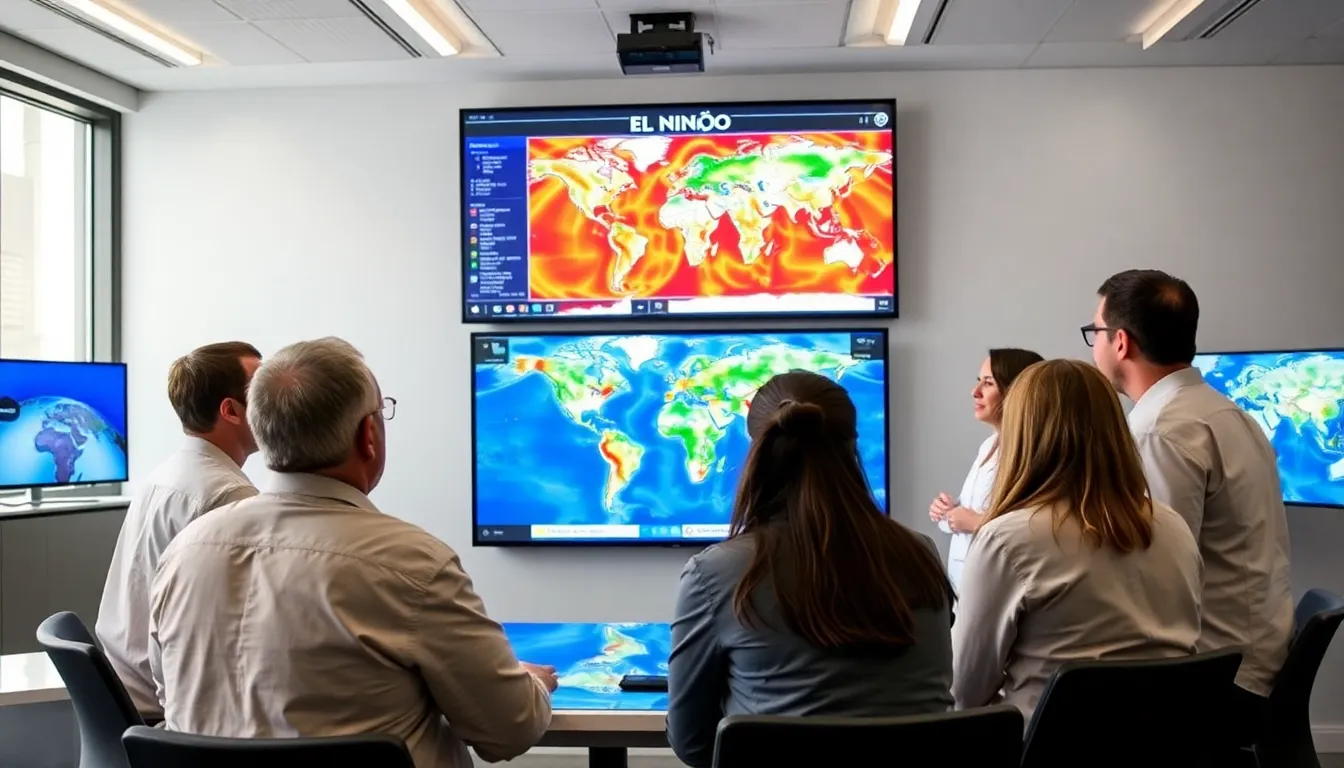
Frequently asked questions about El Niño and La Niña
Key insights and future outlook on climate patterns
Understanding the dynamics of El Niño and La Niña is crucial for anticipating weather changes and their broader implications on agriculture, water resources, and disaster preparedness. As climate change continues to influence these phenomena, their effects may become more pronounced, making it essential to monitor their developments closely.
Looking ahead, stakeholders in various sectors should be prepared for the potential disruptions caused by these climate patterns. Increased variability in weather conditions can lead to both opportunities and challenges, emphasizing the need for adaptive strategies.
- Monitor ocean temperatures: Keeping an eye on sea surface temperatures in the Pacific can provide early warnings of upcoming El Niño or La Niña events.
- Adapt agricultural practices: Farmers should consider adjusting planting and harvesting schedules based on predicted weather patterns linked to these climate phenomena.
- Enhance water management: Regions prone to drought or flooding should develop flexible water management strategies to mitigate the impacts of changing precipitation patterns.
- Strengthen disaster preparedness: Communities should invest in disaster risk reduction measures to better respond to extreme weather events associated with these climate patterns.
- Engage in climate research: Continued investment in climate science will be vital for improving predictive models and understanding the long-term implications of El Niño and La Niña.